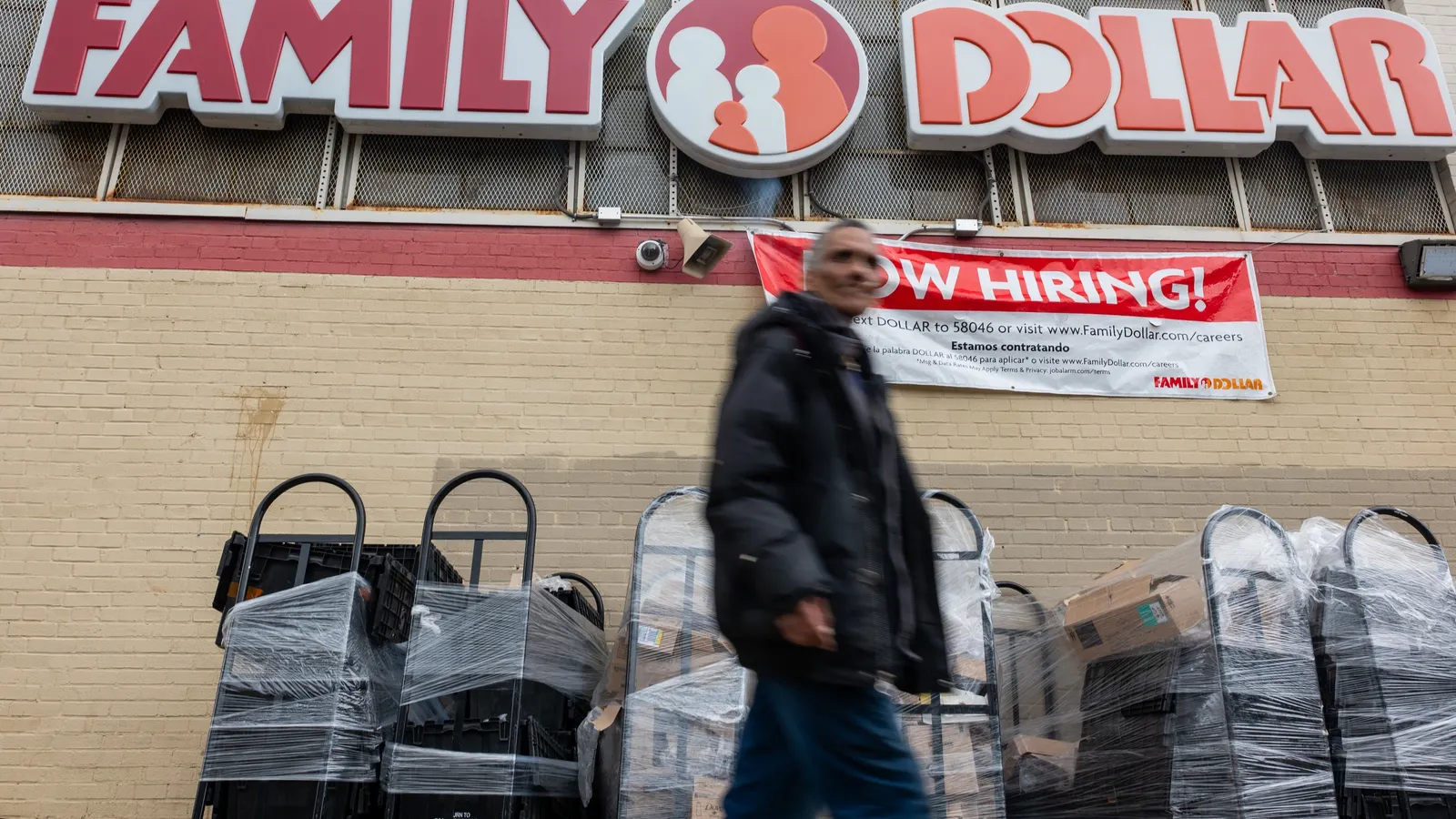
A significant lawsuit has been filed against Family Dollar Stores of North Carolina, LLC, by the U.S. Equal Employment Opportunity Commission (EEOC) alleging violations of the Pregnant Workers Fairness Act (PWFA). The complaint centers on a former store manager’s alleged actions toward a pregnant employee, including demanding a doctor’s note on the same holiday evening the worker was informed via phone of a need for leave due to pregnancy-related medical issues. This legal action highlights critical employer responsibilities under the PWFA to provide reasonable accommodations for pregnant workers and protect them from discriminatory practices.
The EEOC’s lawsuit, filed on August 31, 2026, details a series of events that culminated in the termination of the employee. According to the complaint, on December 31, 2024, the employee informed her store manager that she had been referred to a high-risk clinic and required time off from work. The manager’s response, as alleged, was to demand a doctor’s note "as soon as possible" to be forwarded to the district manager.
A Timeline of Alleged Discrimination
The events leading to the lawsuit unfold as follows:
- December 31, 2024: The pregnant employee communicates to her store manager that she has been referred to a high-risk clinic and needs to take time off work. The manager allegedly requests a doctor’s note immediately. The employee explains that she will receive the note through her patient portal and that the clinic is closed for the holiday, with portal responses potentially taking up to two business days. Despite this, the manager reportedly continues to press for the note on the evening of December 31, 2024. The employee’s only written evidence of the medical referral at this point is a screenshot of her confirmed appointment for January 3, 2025. Her doctor’s instructions were initially received via phone call.
- January 3, 2025: The employee attends her medical appointment and learns she has suffered a miscarriage.
- January 4, 2025: The store manager allegedly creates a document stating the employee failed to notify the manager on duty about her lateness or absence from scheduled shifts.
- January 6, 2025: Family Dollar reportedly determines that the employee is terminated for failing to communicate with store management and for "abandoning her position."
The EEOC contends that this sequence of events constitutes unlawful discrimination based on pregnancy and a violation of the PWFA.
Understanding the Pregnant Workers Fairness Act (PWFA)
The Pregnant Workers Fairness Act, enacted in 2023, mandates that employers with 15 or more employees provide reasonable accommodations to a worker’s known limitations related to pregnancy, childbirth, or related medical conditions, unless doing so would impose an undue hardship on the employer’s operation. The law also explicitly prohibits employers from firing or otherwise discriminating against employees for requesting or using such accommodations, or for interfering with their rights under the PWFA.
The EEOC’s guidance on the PWFA clarifies what constitutes a reasonable accommodation and what employer actions are considered unreasonable. The agency has emphasized that employers cannot demand documentation when a condition is obvious or when repeated requests for information about a known condition, such as morning sickness, are made. In the Family Dollar case, the EEOC argues that the manager’s demand for a doctor’s note under these circumstances, particularly given the holiday closure and the employee’s prompt provision of an appointment confirmation, was unreasonable.
EEOC’s Stance on Employer Responsibilities
Catherine Eschbach, acting general counsel of the EEOC, issued a strong statement regarding the lawsuit: "Firing a worker for requesting time off to address urgent pregnancy-related medical concerns is not only unlawful – it is indefensible. To add loss of family income to the tragic loss of a baby is incredibly stressful. The EEOC will not hesitate to take decisive action when employers violate these protections."
Melinda Dugas, regional attorney for the EEOC’s Charlotte district, further elaborated on the legal interpretation: "While the law allows employers to seek medical documentation to support a pregnancy-related accommodation in some situations, they may only do so when it is reasonable under the circumstances." The EEOC points to its published guidance, which provides examples of unreasonable employer conduct, such as persistent requests for notes about conditions like morning sickness or demands for documentation when an employee’s need for accommodation is self-evident, such as a request for a larger uniform due to pregnancy.

Broader Implications and Industry Context
This lawsuit arrives at a critical juncture as businesses continue to adapt to the requirements of the PWFA. The legislation was a significant step forward in protecting the rights of pregnant workers, many of whom faced precarious employment situations due to their pregnancy-related needs. Prior to the PWFA, legal protections for pregnant workers were often fragmented and varied, relying on interpretations of the Americans with Disabilities Act (ADA) or Title VII of the Civil Rights Act of 1964, which sometimes proved insufficient.
The PWFA aims to create a clearer legal framework, ensuring that pregnant workers are not penalized for conditions that are a normal part of pregnancy and childbirth. The law emphasizes an interactive process between employers and employees to identify and implement reasonable accommodations. This includes adjustments to work schedules, modifications to job duties, or the provision of leave.
The retail sector, often characterized by demanding physical labor and stringent attendance policies, can present particular challenges for pregnant employees. The Family Dollar case underscores the importance of robust training for store managers and supervisors on employee rights and company policies regarding pregnancy accommodations. Inadequate training can lead to well-intentioned but ultimately unlawful actions, as alleged in this complaint.
Industry data from organizations like the National Retail Federation often highlights the challenges of employee retention and management in the retail environment. However, these operational considerations cannot supersede legal obligations to protect employees from discrimination. The PWFA requires employers to balance operational needs with the fundamental rights of pregnant workers.
Potential Ramifications and Precedent

The outcome of EEOC v. Family Dollar Stores of North Carolina, LLC could have significant implications. A favorable ruling for the EEOC would reinforce the commission’s commitment to enforcing the PWFA and send a clear message to other employers about the consequences of non-compliance. It could also lead to increased awareness among employees of their rights and encourage more proactive engagement with employers regarding accommodation needs.
Conversely, any outcome that weakens the EEOC’s position could embolden employers to adopt more stringent or less accommodating policies, potentially creating barriers for pregnant workers. The case also serves as a reminder that even seemingly minor demands, such as the timing and nature of documentation requests, can become central to a legal dispute if they are perceived as unreasonable or retaliatory.
Family Dollar, a prominent discount retailer operating thousands of stores across the United States, has not yet responded to a request for comment by press time. The company’s response, or lack thereof, will be closely watched as the legal proceedings unfold. The EEOC, through this action, is signaling its intent to vigorously pursue cases where employers fail to meet their obligations under the PWFA, aiming to ensure that pregnant workers can maintain their employment and economic stability without facing unlawful discrimination. The case is expected to contribute to the evolving body of law surrounding workplace protections for pregnant individuals.
About the Author