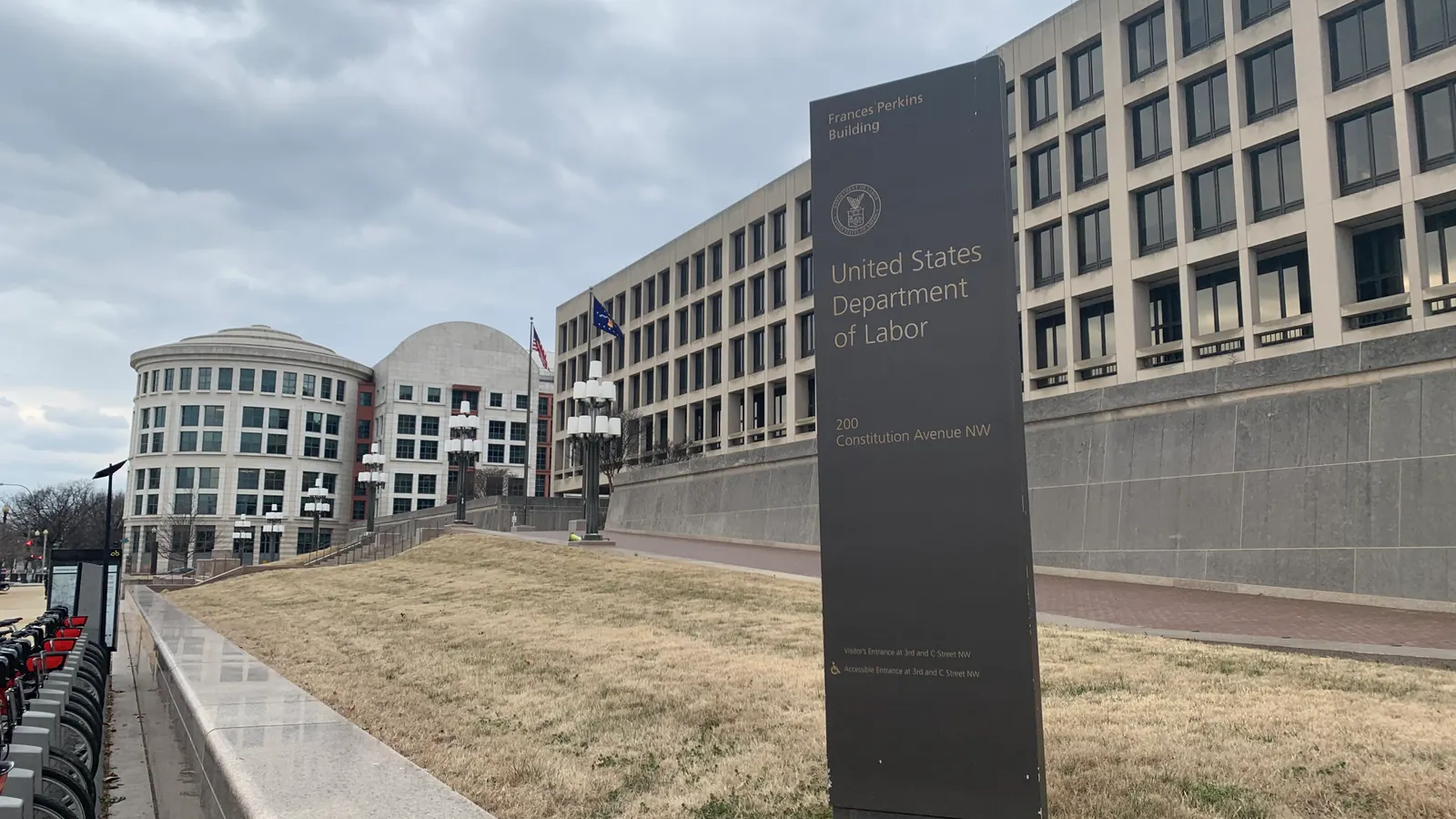
The federal government has finalized new rules that significantly alter the landscape of antidiscrimination enforcement for federal contractors, a move directly stemming from one of President Donald Trump’s early executive orders aimed at overhauling the government’s approach to affirmative action and diversity, equity, and inclusion (DEI) initiatives. These documents, issued by the Department of Labor (DOL), signal a departure from decades-old mandates and are poised to reshape how contractors approach compliance and workforce development.
Background: The Genesis of the Executive Order
The foundational directive for these regulatory changes was President Trump’s Executive Order 13950, issued in January 2025, titled "Ending Illegal Discrimination and Restoring Merit-Based Opportunity." This order explicitly directed federal agencies to review and, where appropriate, eliminate programs and policies that involved preferential treatment based on race, sex, or other protected characteristics. For federal contractors, this translated into a directive to dismantle affirmative action programs and other DEI initiatives that were being enforced by the Office of Federal Contract Compliance Programs (OFCCP). The underlying philosophy of the order was a return to a "merit-based" system, emphasizing individual qualifications over group-based considerations in hiring and promotion.
The OFCCP, an agency within the DOL responsible for ensuring that federal contractors comply with equal employment opportunity laws, found itself at the center of this directive. The executive order challenged the very foundation of affirmative action, which had been a cornerstone of federal contractor compliance since Executive Order 11246, signed by President Lyndon B. Johnson in 1965. This order mandated that federal contractors take affirmative action to ensure equal employment opportunities and to eliminate discrimination.
Timeline of Regulatory Shifts
The issuance of these final rules represents the culmination of a process that began with the executive order in early 2025. Following the publication of Executive Order 13950, the DOL took immediate action.
- January 2025: President Trump issues Executive Order 13950, mandating a review and potential elimination of DEI initiatives for federal contractors.
- Shortly after January 2025: The DOL announces a pause on OFCCP’s investigation and enforcement activities related to discriminatory hiring practices. The department stated that it no longer had authority under the rescinded 1965 executive order. This pause created a period of uncertainty for contractors regarding their compliance obligations.
- July 2025: The DOL lifts the pause specifically for Section 503 of the Rehabilitation Act of 1973 and the Vietnam Era Veterans’ Readjustment Assistance Act (VEVRAA). This indicated a selective return to enforcement, suggesting that while broad affirmative action mandates might be curtailed, specific protections for individuals with disabilities and protected veterans would still be a focus, albeit under revised frameworks.
- August 2026: The DOL issues a set of final rules that formally rescind or significantly alter affirmative action requirements for federal contractors, impacting compliance under Executive Order 11246, Section 503, and VEVRAA. These rules detail the specific changes and their effective dates.
Key Provisions of the Final Rules
The newly issued final rules introduce significant changes to the compliance obligations of federal contractors. The rules target three primary areas: Executive Order 11246, Section 503 of the Rehabilitation Act, and VEVRAA.
1. Executive Order 11246 (The 1965 Order):
This rule directly addresses the core of affirmative action requirements that have been in place for over six decades. The final rule rescinds several key provisions of the affirmative action regulations previously enforced under this order. While the exact details of what has been removed are extensive, the overarching impact is a move away from mandatory, quantitative affirmative action plans that set utilization goals for underrepresented groups.
- Implication: This change is expected to reduce the administrative burden on contractors in terms of developing and maintaining detailed affirmative action plans. However, it also means that the proactive measures previously required to ensure equal employment opportunities for minority groups and women will be significantly scaled back. The focus is shifting from mandated proactive steps to ensuring non-discrimination.
2. Section 503 of the Rehabilitation Act of 1973:
This section of the final rules pertains to the employment of qualified individuals with disabilities. While several requirements have been removed, contractors are still obligated to take affirmative action to employ and advance qualified individuals with disabilities.
- Key Removals: Attorneys analyzing the rule have noted the elimination of specific requirements, such as the disability self-identification requirement and the seven utilization goals for affirmative action plans.
- Continued Obligations: Despite the removals, contractors are still mandated to assess the effectiveness of their recruitment efforts and outreach programs aimed at individuals with disabilities. This suggests a continued emphasis on making reasonable accommodations and ensuring a welcoming environment for disabled employees, even without the previous structured affirmative action framework.
- Effective Dates: The Section 503 rule has a staggered effective date. Most of the provisions take effect on September 21, 2026, with one specific section becoming effective on December 21, 2026.
3. Vietnam Era Veterans’ Readjustment Assistance Act (VEVRAA):
Similar to Section 503, the VEVRAA rule also sees modifications to affirmative action requirements for federal contractors concerning the employment and advancement of protected veterans.

- Effective Date: The VEVRAA rule is effective on September 21, 2026.
- Impact: While specific details of the VEVRAA rule’s changes are still being fully assessed by legal experts, it is understood to align with the broader trend of reducing mandated affirmative action components, while still upholding non-discrimination principles for protected veterans.
Broader Context and Legal Implications
It is crucial to note that these new rules do not eliminate the fundamental prohibitions against discrimination. As attorneys from Ogletree Deakins highlighted in a recent analysis, the rules "don’t eliminate the discrimination prohibitions of Title VII of the 1964 Civil Rights Act or elsewhere under federal, state and local laws." This means that contractors remain legally bound to avoid discriminating against any employee or applicant based on race, color, religion, sex, national origin, disability, or veteran status. The enforcement of these underlying anti-discrimination laws will continue, albeit without the specific affirmative action mechanisms previously employed by the OFCCP.
The executive order that initiated these changes is distinct from President Trump’s March 2025 order, which specifically mandated that contractors avoid engaging in discriminatory DEI programs under penalty of contract cancellation. That order has already faced legal challenges, with at least one lawsuit alleging it violates the Constitution. The ongoing litigation surrounding the anti-DEI contractor order underscores the contentious nature of these policy shifts and the potential for further legal battles.
Expert Analysis and Contractor Reactions
Legal experts and industry analysts are closely examining the implications of these new rules. Ryan Golden, an editor at HR Dive, noted in the original reporting that federal contractors had been anticipating these final rules. The DOL’s initial pause on OFCCP enforcement activities created a significant period of uncertainty, and the issuance of these rules provides much-needed clarity, even if it represents a substantial shift in compliance strategy.
Attorneys at Jackson Lewis, in their analysis of the Section 503 final rule, pointed out that while some requirements are removed, contractors will still need to actively take affirmative steps to employ and advance qualified individuals with disabilities. This suggests that the concept of "affirmative action" in a broader sense, focusing on proactive efforts to ensure equal opportunity and inclusion, may persist even without the rigid numerical goals and specific plan structures of the past.
The effective dates of these rules, staggered across late 2026, give contractors a limited window to adjust their internal policies and procedures. Companies will need to review their existing compliance programs to ensure they align with the new regulatory landscape. This includes understanding which specific requirements have been rescinded and which continue to apply, as well as how to adapt their recruitment, hiring, and employee advancement strategies to meet the revised expectations.
Potential Impact on Diversity and Inclusion Initiatives
The rescinding of affirmative action requirements for federal contractors marks a significant philosophical and practical shift. Proponents of the changes argue that they restore a focus on merit and individual qualifications, reducing what they perceive as bureaucratic burdens and potentially unfair preferential treatment. Critics, however, express concerns that these changes could lead to a rollback in diversity and inclusion efforts, making it harder for underrepresented groups to achieve equitable representation in the federal contractor workforce.

Data from the Bureau of Labor Statistics consistently shows disparities in representation across various demographic groups in the American workforce. For instance, while women constitute roughly half of the civilian labor force, their representation in higher-paying roles and leadership positions often lags. Similarly, racial and ethnic minorities continue to face underrepresentation in many sectors. Affirmative action policies, while debated, were designed to address these historical imbalances.
The long-term impact of these regulatory changes will depend on several factors, including how diligently federal agencies enforce the remaining anti-discrimination laws, how proactively contractors choose to maintain diversity and inclusion initiatives without explicit mandates, and the outcomes of ongoing legal challenges. The shift away from mandated affirmative action could lead to a more varied landscape of DEI practices among federal contractors, with some potentially scaling back their efforts significantly, while others may continue to prioritize diversity and inclusion for business and ethical reasons.
The DOL’s final rules represent a significant turning point in federal contractor compliance, reflecting a broader policy shift away from traditional affirmative action frameworks towards a renewed emphasis on non-discrimination and merit-based evaluation. The coming months and years will reveal the full extent of these changes and their impact on the workforce of companies that do business with the federal government.
About the Author