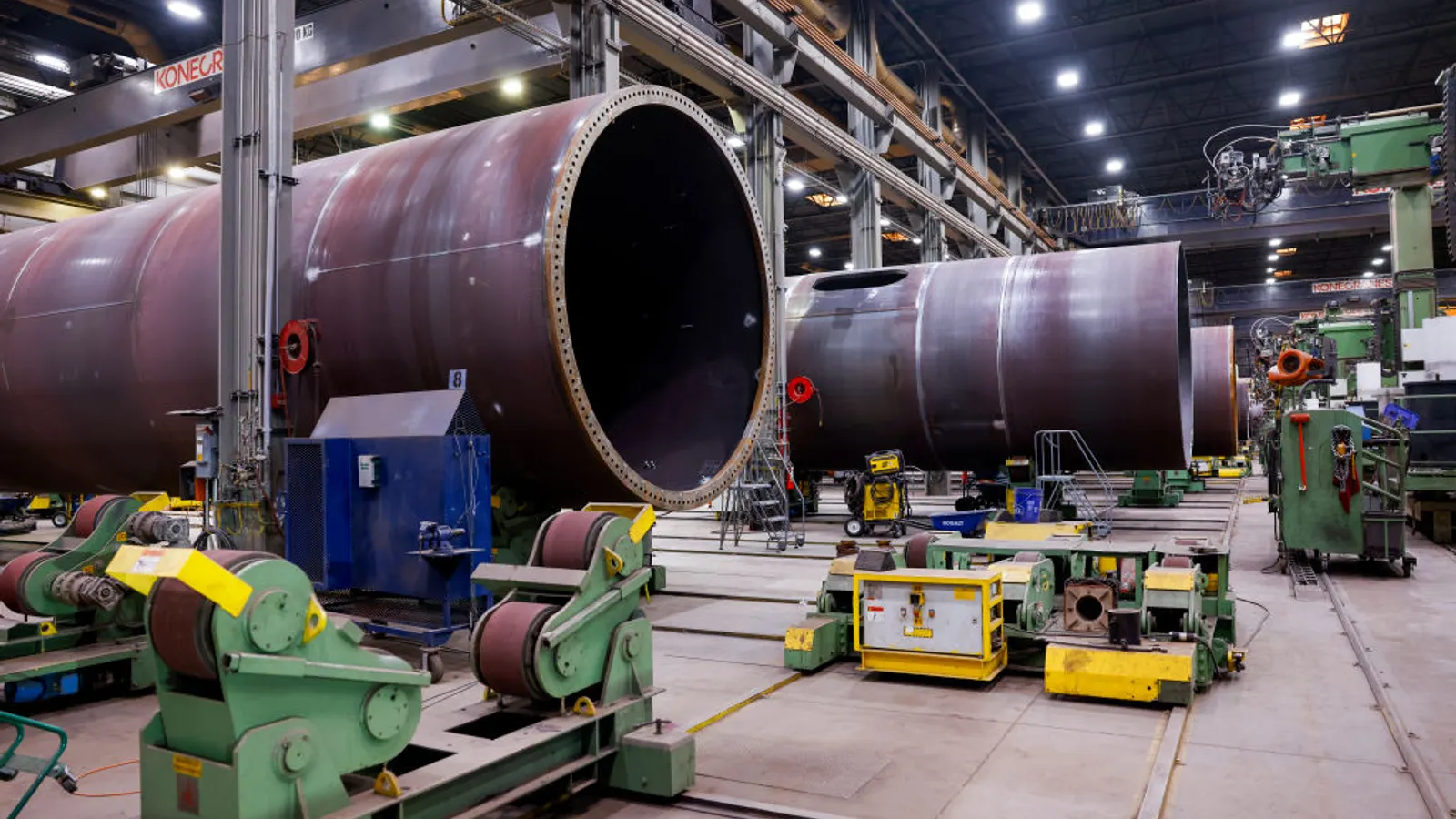
The manufacturing sector is experiencing a significant and growing disconnect between an expanding pool of eager job seekers and the ability of companies to successfully onboard them into available positions, according to a recent report from talent acquisition technology provider ICIMS. This widening gap, particularly evident in the increasing youthfulness of the applicant base, presents a complex challenge for an industry that continues to demonstrate robust job growth but struggles with efficient hiring outcomes.
The Widening Chasm: More Applicants, Fewer Hires
A comprehensive analysis of data from over 3.1 million users and 691 million candidate profiles, as detailed in the ICIMS report, reveals a pronounced disparity between employer demand, candidate activity, and the ultimate success in filling roles. While manufacturing has consistently defied expectations with its sustained growth throughout the year, the report highlights that this expansion alone is insufficient to address the underlying inefficiencies in the recruitment process.
Trent Cotton, head of talent insights at ICIMS, articulated the core of the issue, stating, "Every time we think the growth has peaked, the next month proves us wrong. However, growth alone does not fill a role. Recruiting organizations are being asked to keep pace with demand that is climbing faster than their hiring engines can absorb, and that gap is where the real story is." This suggests that the fundamental challenge lies not in a lack of interest from potential employees, but in the operational capacity of companies to navigate the hiring funnel effectively.
Demographic Shifts in the Manufacturing Workforce
One of the most striking findings of the ICIMS report pertains to the evolving demographic profile of manufacturing job applicants. In July, individuals under the age of 45 constituted a substantial 85% of all applicants within the manufacturing sector. This represents a notable increase from the previous year, when this age group accounted for 79% of applicants. This trend indicates a younger workforce is increasingly drawn to manufacturing careers.
Conversely, the report points out a demographic imbalance when comparing the applicant pool to the existing workforce. Workers aged 45 and older currently comprise nearly half (47%) of the manufacturing sector’s current workforce. This divergence suggests that while younger talent is readily available and actively seeking positions, the existing workforce is aging, potentially leading to future knowledge transfer challenges and a need for robust succession planning. The influx of younger applicants, while a positive sign for future talent pipelines, also underscores the need for employers to adapt their recruitment strategies and workplace environments to appeal to and retain this demographic.
Sustained Growth Amidst Hiring Hurdles
The manufacturing industry’s resilience and continued expansion are further substantiated by recent data from the U.S. Bureau of Labor Statistics. In July, the manufacturing sector added an estimated 5,000 jobs. This figure represents a significant turnaround from July 2025, when the industry experienced a net loss of 11,000 jobs. The robust growth trajectory, demonstrating a 145% increase in job additions compared to the previous year, underscores the sector’s dynamic and expanding nature.
This consistent job creation, coupled with the increasing applicant numbers, paints a picture of a sector that is both attractive to workers and crucial to the broader economy. However, the ICIMS report emphasizes that this growth is not translating into efficient hiring. The implication is that companies may be experiencing high turnover, struggling to replace retiring workers, or facing difficulties in scaling their operations due to an inability to fill positions quickly enough. This bottleneck in the hiring process could potentially stifle future growth and impact the industry’s overall productivity and competitiveness.

Understanding the Underlying Causes
Several factors may contribute to this hiring disconnect. The report’s findings suggest that the sheer volume of applications may be overwhelming traditional recruitment processes. Companies might be struggling with the administrative burden of sifting through numerous resumes, conducting timely interviews, and managing the onboarding of new hires. This could be exacerbated by a reliance on outdated or inefficient recruitment technologies, insufficient staffing within HR departments, or a lack of standardized hiring protocols.
Another potential factor is the alignment between the skills possessed by the younger applicant pool and the specific requirements of the open manufacturing roles. While younger individuals may be applying in greater numbers, there could be a mismatch in terms of specialized technical skills, experience with specific machinery, or the ability to adapt to the demanding nature of some manufacturing environments. This highlights the importance of targeted training programs, effective skill assessment during the hiring process, and clear communication from employers about the necessary qualifications.
Furthermore, the report’s focus on "hiring outcomes" suggests that even when candidates are brought into the process, there may be issues with retention. Factors such as inadequate compensation, poor working conditions, limited opportunities for advancement, or a lack of a positive company culture could be contributing to a higher-than-desired attrition rate among new hires. This would further compound the problem, as companies would constantly be backfilling positions rather than building a stable and experienced workforce.
Industry Reactions and Expert Perspectives
While direct statements from specific manufacturing companies were not included in the initial ICIMS report, the insights provided by Trent Cotton offer a clear perspective from within the talent acquisition industry. His emphasis on the "gap where the real story is" points towards a systemic issue that requires strategic intervention. Industry analysts and workforce development experts have long noted the challenges in attracting and retaining talent in manufacturing, often citing the need for improved public perception of manufacturing careers, enhanced vocational training, and more competitive compensation and benefits packages.

The trend of a younger applicant pool could be a positive indicator that efforts to rebrand manufacturing as a viable and technologically advanced career path are beginning to yield results. However, it also presents an opportunity for companies to proactively engage with educational institutions, offer apprenticeships and internships, and create mentorship programs that support the development of early-career professionals. The long-term success of the manufacturing sector hinges on its ability to not only attract new talent but also to nurture and retain it, ensuring a skilled and motivated workforce for years to come.
Broader Implications for the Manufacturing Sector
The disconnect highlighted by the ICIMS report carries significant implications for the future of the manufacturing sector. If companies continue to struggle with filling open positions, it could lead to:
- Production Bottlenecks and Reduced Output: Inability to hire sufficient staff can directly impact production schedules, leading to delays, missed deadlines, and potentially lost revenue.
- Increased Labor Costs: As competition for skilled labor intensifies, companies may be forced to offer higher wages and more attractive benefits to attract and retain employees, thus increasing operational costs.
- Hindered Innovation and Growth: A shortage of qualified personnel can impede a company’s ability to adopt new technologies, expand operations, or invest in research and development, ultimately slowing down industry-wide progress.
- Challenges in Succession Planning: The aging workforce, coupled with difficulties in onboarding new talent, raises concerns about the transfer of critical knowledge and skills, potentially leading to a skills gap in specialized areas.
- Impact on Economic Recovery and Competitiveness: A robust manufacturing sector is vital for economic stability and national competitiveness. Inefficient hiring processes can undermine these crucial aspects.
Moving Forward: Strategies for Improvement
To address the growing hiring disconnect, manufacturing companies and industry stakeholders may need to consider a multi-pronged approach. This could include:
- Investing in Recruitment Technology and Processes: Automating application screening, optimizing candidate communication, and implementing data-driven hiring analytics can significantly improve efficiency.
- Enhancing Employer Branding: Proactively showcasing the positive aspects of manufacturing careers, including technological advancements, innovation, and opportunities for growth, can attract a wider and more engaged applicant pool.
- Strengthening Partnerships with Educational Institutions: Collaborating with vocational schools, community colleges, and universities to develop tailored training programs and curriculum that align with industry needs can ensure a pipeline of qualified candidates.
- Developing Robust Onboarding and Retention Programs: Focusing on creating a positive employee experience from day one, offering comprehensive training, providing opportunities for career advancement, and fostering a supportive work environment are crucial for long-term retention.
- Analyzing and Adapting Skill Requirements: Regularly evaluating the skills needed for current and future roles and adapting training and recruitment strategies accordingly can help bridge any skill gaps.
- Leveraging Data Analytics: Utilizing data from hiring processes to identify bottlenecks, measure the effectiveness of recruitment strategies, and make informed decisions can lead to continuous improvement.
The ICIMS report serves as a critical wake-up call for the manufacturing industry. While the increasing interest from job seekers, particularly younger demographics, is a positive trend, the ability to effectively convert this interest into a stable and skilled workforce will determine the sector’s continued success and its contribution to the broader economy. Addressing the underlying inefficiencies in hiring processes is no longer just an operational concern; it is a strategic imperative for the future of manufacturing.
About the Author