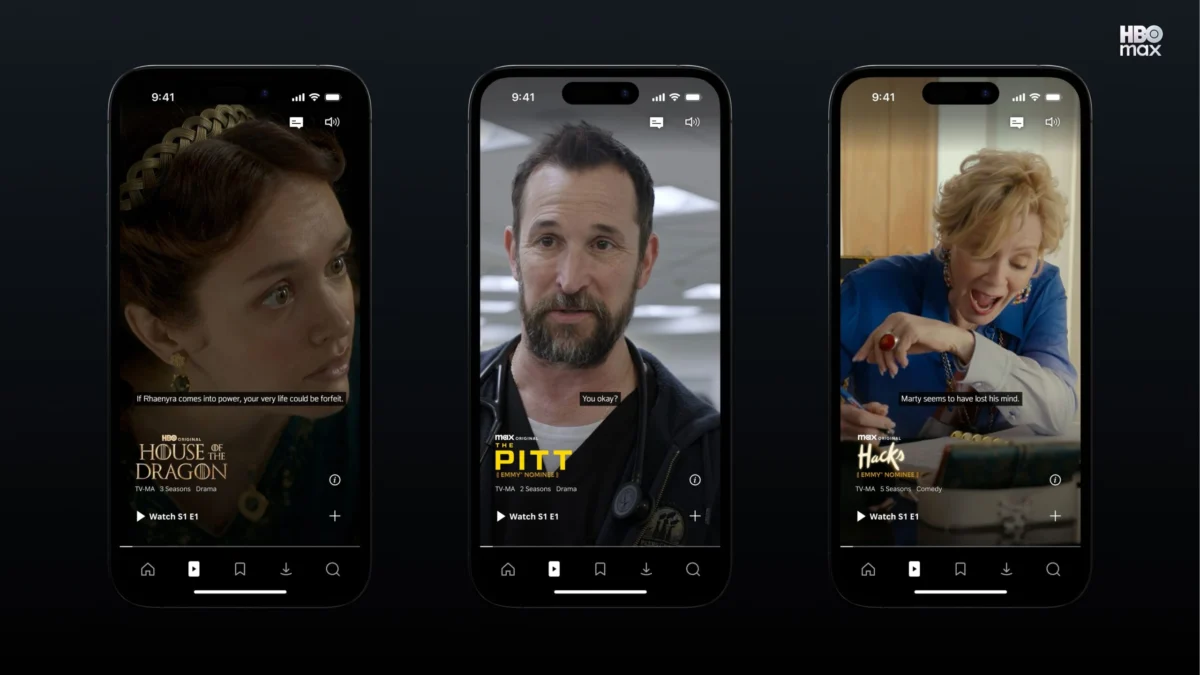
In a strategic move to address the growing challenge of content discovery within its expansive digital library, HBO Max has unveiled two significant new features designed to revolutionize how users engage with its platform. Warner Bros. announced on Tuesday the integration of a TikTok-like short-form video feed, branded as "Shorts," and an experimental AI-powered conversational search experience. These enhancements aim to make navigating the vast catalog of HBO Max content more intuitive and personalized, catering to evolving viewer habits and the increasing prevalence of short-form video consumption across popular social media platforms.
The streaming landscape is experiencing a seismic shift, with established players like HBO Max confronting the dual pressures of immense content libraries that can overwhelm viewers and a public increasingly conditioned by the rapid-fire, visually driven engagement models of platforms such as TikTok and Instagram Reels. This necessitates a fundamental reevaluation of how content is presented and accessed. HBO Max’s latest initiatives represent a proactive response to these industry-wide challenges, signaling a commitment to leveraging cutting-edge technology to bridge the gap between available content and viewer engagement.
The Rise of "Shorts": A Vertical Video Feed for Enhanced Discovery
The introduction of the "Shorts" icon, strategically placed in the bottom navigation menu of the HBO Max mobile application, marks a significant departure from traditional browsing methods. Upon tapping this icon, users are greeted with a vertically scrolling feed of trailers, compelling clips, and exclusive bonus content. This format is intentionally designed to mimic the addictive scrolling experience that has propelled short-form video platforms to global dominance.
Crucially, the content surfacing within a user’s "Shorts" feed is not arbitrary. HBO Max is employing an AI tool that analyzes scene-level metadata across thousands of hours of film and television content. This sophisticated analysis aims to identify and surface the most engaging and compelling scenes, offering viewers a tantalizing glimpse into the vast offerings available. The AI’s recommendations are further refined by individual watch history and stated preferences, ensuring a personalized discovery journey. Should a user encounter a clip that sparks their interest, they are presented with two immediate options: to commence watching the associated TV show or movie directly, or to add it to their "watch later" list for future consideration. This seamless transition from discovery to consumption is a key objective of the new feature.
HBO Max is not alone in this pivot towards short-form video as a discovery tool. Competitors have been actively exploring similar avenues. Netflix, for instance, has experimented with various forms of short-form previews and trailers, while Disney+ has also rolled out its own vertical video feed to showcase clips from its extensive library. Peacock has similarly embraced AI-driven video for mobile-first experiences. This trend underscores a broader industry recognition that static browsing may no longer be sufficient to capture and retain audience attention in the current digital media environment.
AI-Powered Conversational Search: Speaking the Viewer’s Language
Complementing the visual appeal of "Shorts" is HBO Max’s experimental AI-powered conversational search experience. This feature moves beyond traditional keyword-based searches, allowing users to articulate their viewing desires in natural language. The AI is designed to understand nuanced queries and interpret user intent, thereby recommending relevant movies and TV shows with greater accuracy.
Examples of how users can interact with this new search functionality include phrases such as "I’m in the mood for a comedy," "Show me a dysfunctional family drama," or even more context-specific requests like "What’s the best movie for a girls’ night in?" This natural language processing capability aims to demystify content discovery by enabling users to express their preferences organically, much like they might ask a friend for a recommendation.
This initiative by HBO Max echoes recent advancements in AI-driven search within the streaming sector. Netflix launched its own generative AI-powered search tool last year, demonstrating a similar commitment to improving user query comprehension. Furthermore, Amazon has integrated AI voice search capabilities into its Fire TV devices, allowing for open-ended inquiries about television shows and movies, further highlighting the growing trend of leveraging artificial intelligence to enhance user interaction with streaming platforms.
Rollout and Future Implications
The introduction of these new features is being implemented with a phased rollout strategy. The "Shorts" vertical video feed is currently undergoing testing with select iOS users in the United States. Following this initial phase, it is slated for a broader rollout across more devices and international markets. Similarly, the experimental AI-powered conversational search feature is being made available to a limited group of Android users in the U.S., with plans for eventual expansion to a wider audience and additional regions.
The implications of these developments are far-reaching for both HBO Max and the broader streaming industry. By embracing short-form video and advanced AI, HBO Max is positioning itself to:
- Enhance User Engagement: The dynamic nature of short-form video is inherently engaging and can lead to longer session times and increased viewing.
- Improve Content Discovery Efficiency: As libraries grow, effective discovery mechanisms become paramount. These new features aim to reduce the friction users experience when trying to find something to watch.
- Personalize User Experience: Tailoring content suggestions based on individual viewing habits and preferences is a key differentiator in a competitive market.
- Attract and Retain Younger Demographics: The familiarity and appeal of short-form video formats are particularly strong among younger audiences who are accustomed to these interfaces on social media.
- Gain a Competitive Edge: By being at the forefront of integrating these innovative features, HBO Max can differentiate itself from competitors and attract users seeking a more modern and intuitive streaming experience.
The success of these initiatives will likely depend on the accuracy of the AI algorithms, the quality and curation of the short-form content, and the seamlessness of the user interface. However, the strategic direction taken by HBO Max underscores a clear understanding of current consumer behavior and a forward-looking approach to content distribution in the evolving digital entertainment landscape. The streaming wars are increasingly being fought not just on the breadth of content, but on the intelligence and intuitiveness of the platforms themselves.
About the Author