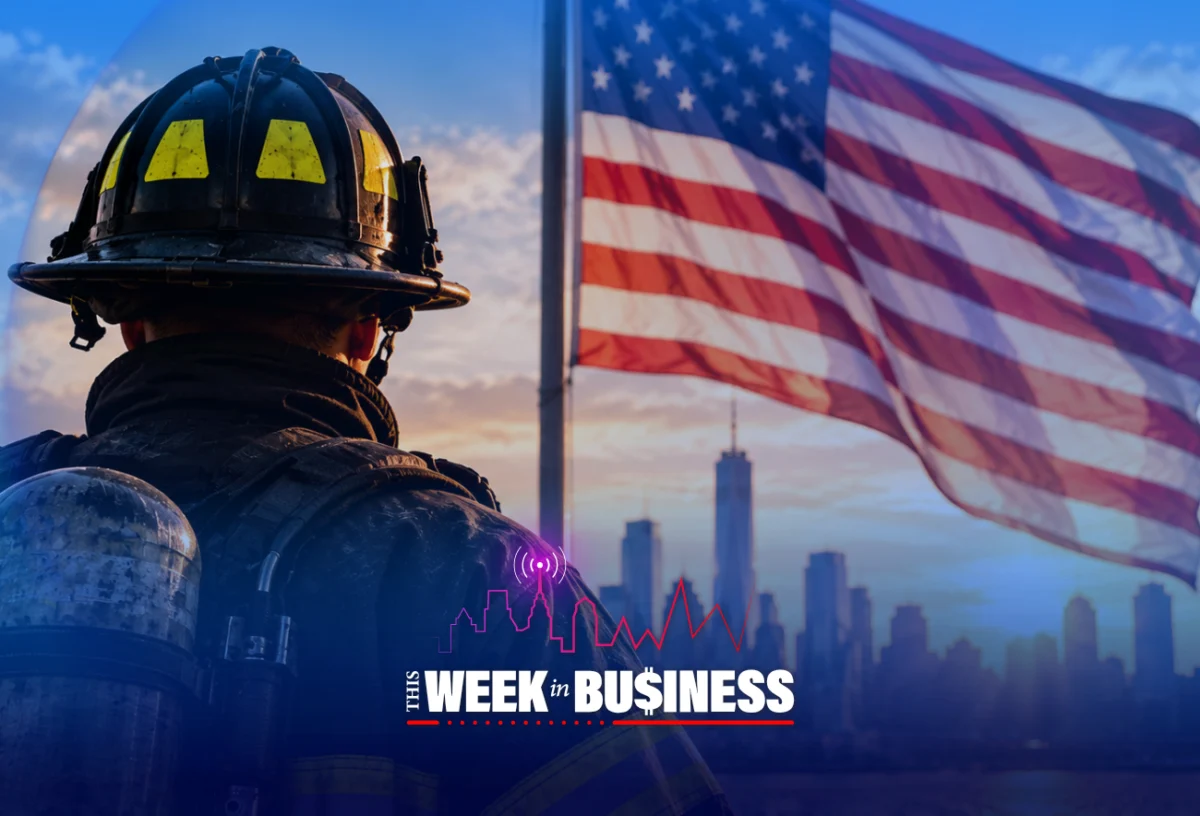
The catastrophic events of September 11, 2001, irrevocably altered the landscape of emergency response, with no organization more profoundly impacted than the New York City Fire Department (FDNY). Facing a disaster of unprecedented scale and complexity, the FDNY underwent a fundamental transformation in its operational protocols, leadership structures, training methodologies, and psychological support systems. This monumental shift, examined by experts like Gregory P. Shea, Wharton adjunct professor of management and co-author of Rising From Ground Zero, illustrates how a department, already among the world’s busiest and most revered, adapted to an unimaginable crisis to emerge stronger and more resilient.
The Unprecedented Challenge of September 11, 2001
Before September 11, 2001, the FDNY operated as a highly skilled and dedicated force, renowned for its bravery and effectiveness in managing urban emergencies. However, the attacks on the World Trade Center presented a challenge unlike any in its 136-year history. On that fateful morning, al-Qaeda terrorists hijacked four commercial airliners, crashing two into the Twin Towers of the World Trade Center in New York City, one into the Pentagon in Arlington, Virginia, and a fourth into a field in Shanksville, Pennsylvania, after passengers and crew fought back.
In New York City, the collapse of the 110-story towers, an event that defied architectural and engineering expectations, instantly transformed a massive rescue operation into an unparalleled recovery effort. The FDNY’s initial response was immediate and heroic, with firefighters rushing into burning buildings against the tide of evacuating civilians. Tragically, 343 FDNY members, including Chief of Department Peter Ganci, First Deputy Commissioner William Feehan, and Chaplain Mychal Judge, perished in the line of duty as the towers collapsed. This single day represented the largest loss of life for any emergency service agency in history, gutting the department’s leadership, institutional knowledge, and human capital. The emotional and psychological toll on the surviving members, their families, and the entire city was immeasurable.

A Department in Crisis: Immediate Aftermath and Rebuilding
In the immediate aftermath of 9/11, the FDNY faced a dual crisis: continuing to serve a city grappling with widespread destruction and trauma, while simultaneously rebuilding its own ranks and organizational infrastructure. The physical destruction at Ground Zero was immense, with debris spread across 16 acres and fires burning for months. The psychological scars ran even deeper. Survivors were haunted by what they had witnessed, the loss of comrades, and the sheer helplessness in the face of such devastation.
The department moved swiftly to restore command and control. Within days, a new leadership structure began to emerge, tasked with managing the recovery efforts at Ground Zero, which involved meticulously sifting through millions of tons of rubble, often by hand, in search of remains. Simultaneously, the FDNY had to maintain its daily operations across the city, responding to thousands of calls for service with significantly depleted resources. This period underscored the extraordinary dedication of the remaining firefighters, who worked tirelessly under immense emotional and physical strain.
Fundamental Organizational Transformation
The sheer scale of the 9/11 disaster prompted a comprehensive and radical re-evaluation of nearly every aspect of the FDNY’s operations. Gregory P. Shea, through his research and co-authorship of Rising From Ground Zero, highlights several key areas where the department implemented profound, lasting changes.
Redefining Leadership and Training
The loss of so many experienced officers and chiefs on 9/11 created a critical leadership vacuum. The department responded by accelerating leadership development programs and fundamentally re-evaluating its command structure. Training protocols were overhauled to prepare personnel for complex, multi-agency incidents. This included:

- Enhanced Incident Command System (ICS) Training: While the FDNY had an existing command structure, 9/11 exposed challenges in coordinating across multiple agencies (FDNY, NYPD, Port Authority Police, federal agencies) in an unprecedented event. Post-9/11, the FDNY significantly invested in robust ICS training, aligning with national standards to ensure seamless communication, clear roles, and effective resource allocation during large-scale incidents. This involved joint training exercises with other city, state, and federal agencies.
- High-Rise Operations and Building Collapse Protocols: The collapse of the Twin Towers, unlike anything previously experienced, led to a complete re-evaluation of high-rise firefighting and rescue techniques. New training modules focused on structural integrity, evacuation strategies in super-tall buildings, and search and rescue in compromised structures. This included lessons learned about fire spread in open-plan offices and the impact of aviation fuel fires.
- Rapid Promotion and Mentorship: To fill the ranks, the FDNY implemented programs that allowed for rapid, yet rigorous, promotion of qualified personnel. These new leaders were often mentored by surviving veterans, ensuring that institutional knowledge and the department’s core values were passed down despite the massive loss of experienced personnel.
Pioneering Psychological Support
One of the most significant and enduring transformations within the FDNY post-9/11 was the dramatic expansion and integration of psychological support services. Before 9/11, mental health services for first responders were often viewed with skepticism or underutilized due to cultural stigmas. The widespread trauma experienced by FDNY members changed this perception irrevocably.
- Creation of the Counseling Services Unit (CSU): The FDNY significantly expanded its in-house mental health services, establishing a robust Counseling Services Unit. This unit provided immediate crisis intervention, long-term therapy, and peer support programs. It became a model for other emergency services nationwide.
- Destigmatization of Mental Health Care: Leadership actively worked to destigmatize seeking psychological help, emphasizing that trauma is a natural response to extraordinary events and that support is a sign of strength, not weakness. Regular debriefings, critical incident stress management, and proactive outreach became standard practice.
- Focus on Long-Term Health: Beyond immediate trauma, the FDNY recognized the long-term health implications, including post-traumatic stress disorder (PTSD), depression, and anxiety, alongside the physical health issues stemming from exposure to Ground Zero toxins. This led to ongoing monitoring and support programs.
Enhanced Incident Management and Inter-Agency Collaboration
The fragmented response witnessed on 9/11 highlighted critical gaps in inter-agency communication and coordinated incident management. The FDNY, along with other city agencies, spearheaded initiatives to rectify these issues:
- Joint Operations Centers: Permanent joint operations centers were established, fostering daily collaboration and planning between FDNY, NYPD, and other city agencies. This ensured that during future large-scale events, resources could be pooled, information shared in real-time, and a unified command established more efficiently.
- Standardized Communication Protocols: The adoption of standardized radio communication protocols and interoperable radio systems became a top priority, addressing one of the most significant failures of 9/11, where different agencies could not communicate directly with each other.
- Intelligence Sharing: The FDNY developed more robust mechanisms for sharing intelligence with law enforcement and counter-terrorism units, recognizing that modern threats require a holistic security approach.
Supporting Data and Evidence of Transformation
The scale of the FDNY’s transformation is underscored by various metrics and operational shifts:
- Personnel Rebuilding: In the years following 9/11, the FDNY initiated aggressive recruitment and training academies, replacing the lost personnel and expanding its ranks. By 2006, the department had largely replenished its numbers, often promoting younger, highly trained individuals into leadership roles at an accelerated pace.
- Budgetary Allocation: Significant increases in federal grants and city budgets were allocated to the FDNY, specifically targeting enhanced training facilities, state-of-the-art equipment (e.g., hazmat suits, communications gear, technical rescue tools), and mental health services. For instance, federal grants through programs like the Urban Areas Security Initiative (UASI) provided hundreds of millions of dollars to bolster urban emergency response capabilities, a substantial portion of which benefited the FDNY.
- Training Hours: The average annual training hours per firefighter saw a substantial increase, with a greater emphasis on specialized skills for CBRN (Chemical, Biological, Radiological, Nuclear) incidents, active shooter scenarios, and complex urban search and rescue (USAR) operations. Before 9/11, specialized training might have been limited to specific units; post-9/11, foundational knowledge in these areas became mandatory for a broader range of personnel.
- Health Monitoring: The World Trade Center Health Program, established by federal law, now provides medical monitoring and treatment for FDNY members and other responders affected by the 9/11 toxins. As of recent reports, tens of thousands of FDNY members and retirees are enrolled, battling WTC-related cancers and respiratory diseases, highlighting the ongoing cost of the tragedy and the critical need for continuous health support.
Official Responses and Enduring Legacy
The changes within the FDNY were not merely internal directives; they often involved collaboration with city, state, and federal officials. Mayors, police commissioners, and federal emergency management agencies acknowledged the necessity of a unified approach to homeland security and disaster preparedness. Statements from FDNY Commissioners and city leaders consistently emphasized the department’s commitment to learning from 9/11 and becoming a global leader in urban disaster response.

For instance, subsequent FDNY Commissioners have often spoken about the "9/11 generation" of firefighters and officers who inherited a legacy of immense sacrifice but also a mandate for continuous improvement. The lessons learned from Ground Zero have been codified into training manuals, standard operating procedures, and academic curricula worldwide.
Broader Impact and Implications
The FDNY’s transformation post-9/11 had far-reaching implications, extending beyond New York City to influence emergency services nationwide and globally.
- National Emergency Preparedness: The FDNY’s experience directly informed the development of national emergency preparedness standards, including the National Incident Management System (NIMS) and the Incident Command System (ICS), which are now mandated for federal grant recipients across the United States.
- Organizational Resilience: The FDNY became a case study in organizational resilience, demonstrating how a vital institution can not only survive an existential crisis but emerge stronger through adaptive leadership, strategic restructuring, and a deep commitment to its personnel.
- Mental Health in First Response: The FDNY’s pioneering efforts in psychological support significantly advanced the conversation around mental health for first responders. It helped to normalize seeking help and spurred other departments to establish similar programs, recognizing that the invisible wounds of trauma are as real and debilitating as physical injuries.
- Urban Search and Rescue (USAR): The complexities of the Ground Zero recovery operation led to advancements in USAR techniques and technologies, which are now shared and utilized by USAR teams around the world.
- Collaboration Models: The necessity of multi-agency cooperation highlighted by 9/11 led to improved protocols for inter-agency collaboration, not just within New York City but also as a model for other major metropolitan areas facing complex threats.
In conclusion, the FDNY’s journey from the ashes of 9/11 is a testament to human resilience, organizational adaptability, and an unwavering commitment to public service. Gregory P. Shea’s analysis in Rising From Ground Zero underscores that the transformation was not merely about recovering from a tragedy, but about fundamentally reimagining how one of the world’s most critical emergency services operates in an increasingly complex and unpredictable world. The lessons from that devastating day continue to shape the FDNY and emergency response agencies globally, ensuring that the sacrifices made are never forgotten and that future generations are better prepared to face the unimaginable.
About the Author