The burgeoning landscape of artificial intelligence has dramatically reshaped the startup funding ecosystem, particularly at its earliest stages. While AI-driven ventures are attracting unprecedented levels of seed funding, this influx has inadvertently escalated expectations, making it increasingly challenging for pre-seed startups, especially those without a concrete product, to secure vital capital. This shift is not merely anecdotal; industry analysts and venture capitalists widely acknowledge a significant recalibration of investor benchmarks. Recognizing this critical juncture, TechCrunch Disrupt 2026, slated for October 13-15 in San Francisco, is dedicating a pivotal session, "Winning Pre-Seed Without a Product," to equip founders with strategies to navigate this intensified environment.
The Shifting Tides of Early-Stage Investment in the AI Era
The past few years have witnessed a Cambrian explosion in AI innovation, with startups leveraging advanced algorithms and machine learning to create solutions across every conceivable sector. This technological surge has been mirrored by a corresponding boom in investment, as venture capitalists eagerly seek to capitalize on the next transformative AI company. Data from leading industry reports, such as those by CB Insights and PitchBook, consistently show AI startups commanding higher valuations at earlier stages compared to their non-AI counterparts. For instance, in Q1 2026, the average seed round for an AI startup reportedly exceeded that of a general tech startup by a significant margin, driven by perceived market potential and the rapid pace of AI development.
This accelerated development cycle, often attributed to readily available open-source tools, cloud computing power, and robust AI frameworks, means that a Minimum Viable Product (MVP) can be developed swifter than ever before. While ostensibly beneficial, this efficiency has a paradoxical effect on pre-seed founders. Investors, now accustomed to seeing functional prototypes or even early traction from AI ventures at the seed stage, are implicitly raising the bar for pre-seed investments. The traditional pre-seed model, which often revolved around a compelling idea, a strong team, and a robust business plan, now contends with an unspoken expectation of tangible progress, even if nascent. This leaves founders with revolutionary concepts but limited development resources in a precarious position, struggling to meet seed-stage expectations with only pre-seed capital.
TechCrunch Disrupt 2026: A Beacon for the Startup Community

TechCrunch Disrupt, a long-standing cornerstone event in the global startup calendar, has historically served as a critical platform for emerging technologies, innovative companies, and thought leadership in the tech world. Since its inception, Disrupt has been renowned for its Startup Battlefield competition, where nascent companies launch on stage, often leading to significant funding and eventual success stories. Beyond the competitive arena, the event offers an unparalleled opportunity for networking, learning, and collaboration, drawing tens of thousands of attendees, including founders, investors, industry executives, and media.
Held at the expansive Moscone West in San Francisco, Disrupt 2026 promises three days of intensive programming designed to address the most pressing challenges and exciting opportunities facing the tech ecosystem. The event’s structure is meticulously crafted to offer deep dives into various aspects of startup life, from product development and operational scaling to market entry strategies and, crucially, fundraising. This year’s focus heavily reflects the transformative impact of AI, not just in terms of innovation, but also in the practicalities of building and funding a company in this new paradigm.
Addressing the Pre-Seed Predicament: "Winning Pre-Seed Without a Product"
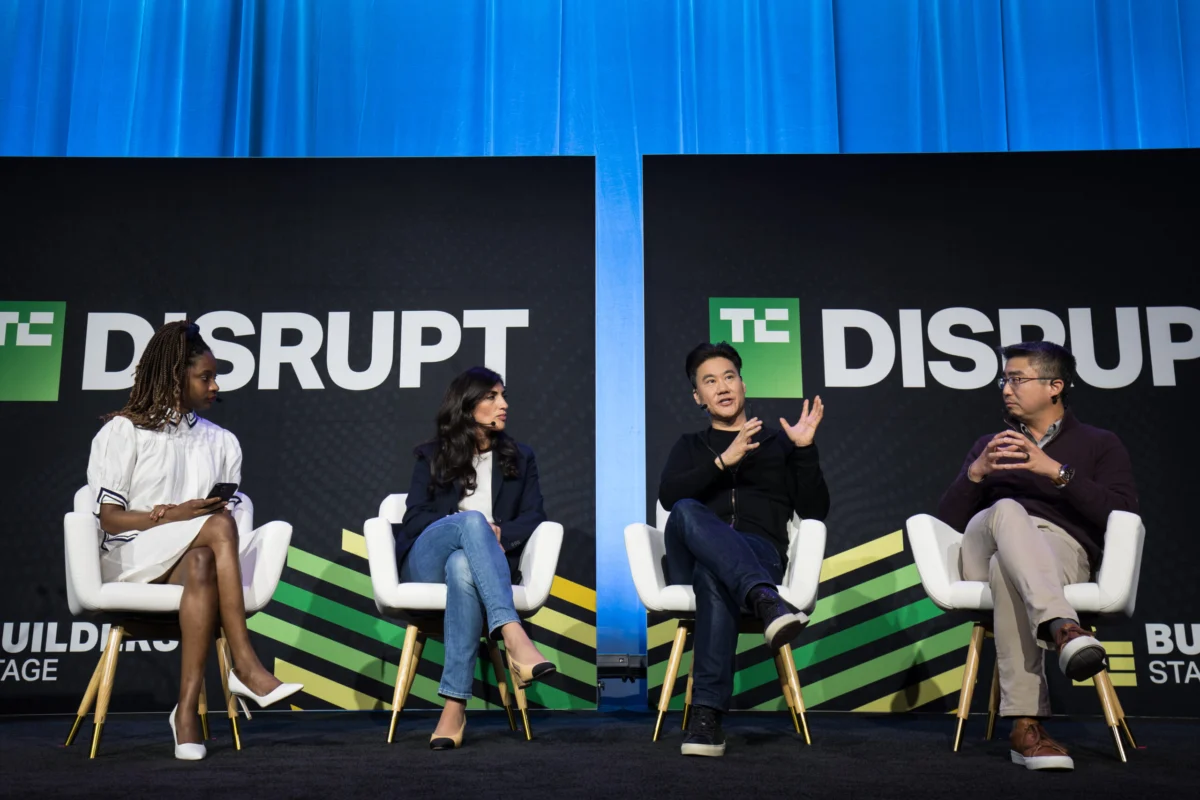
Central to the Disrupt 2026 agenda, particularly at the popular Builders Stage, is the panel "Winning Pre-Seed Without a Product." This session directly confronts the challenge faced by ambitious founders who possess groundbreaking ideas and exceptional teams but lack a fully developed product, a scenario that is becoming increasingly difficult to fund in the current AI-saturated investment climate. The Builders Stage itself is designed for these pointed conversations and hands-on workshops, offering practical strategies for founders navigating the complexities of operational decisions, fundraising, and go-to-market execution.
The panel aims to demystify the revised expectations of pre-seed investors and provide actionable insights into how founders can differentiate themselves. It will explore questions such as: What constitutes a compelling "idea" in an era where functional prototypes are increasingly common at earlier stages? How can founders effectively communicate their vision and potential without a tangible product? What non-product metrics or indicators do investors prioritize when evaluating truly early-stage ventures? The session is a testament to TechCrunch’s commitment to supporting the entire spectrum of the startup journey, ensuring that even the earliest-stage founders receive the guidance needed to thrive.
A Trio of Visionary Investors to Guide the Way

To dissect this nuanced and pivotal topic, TechCrunch has assembled an impressive panel of seasoned investors, each bringing a unique perspective and wealth of experience to the discussion. Their collective expertise spans various stages of venture capital, with a particular emphasis on identifying potential in nascent companies.
Leading the conversation is Sandhya Venkatachalam, Founder and Managing Partner at Axiom Partners. Venkatachalam’s career is marked by a deep understanding of successful exits and a keen eye for identifying companies destined for acquisition or unicorn status. Her newly launched Axiom Partners, an early-stage venture fund with $52 million under management, is uniquely focused on connecting founders with top-tier AI practitioners. This strategic emphasis on AI talent underscores her belief in the foundational importance of human capital in driving AI innovation and real-world improvements. Prior to Axiom, Venkatachalam held General Partner roles at Khosla Ventures and Social Capital, where she was the first investor in Groq and spearheaded investments in other high-profile AI companies like GalileoAI, ForethoughtAI, and FirefliesAI, all of which have achieved significant milestones, including acquisitions or unicorn valuations. Her insights will be invaluable in understanding what truly excites investors beyond just a functional product, focusing instead on the underlying potential and strategic vision.
Joining her is Puneet Agarwal, Managing Partner at True Ventures. True Ventures has been a foundational pillar of the early-stage startup community since 2005, consistently backing transformative companies. Agarwal, who has been with True Ventures since 2008, has evolved into a managing partner with a specialized focus on the dramatic transformation of enterprise infrastructure and applications brought about by the AI era. His long tenure at a firm known for its deep commitment to early-stage investments provides a unique vantage point on how investor expectations have shifted over nearly two decades, especially in light of recent technological advancements. True Ventures’ extensive portfolio, encompassing investments in over 500 companies and 1,050 founders, alongside more than 60 acquisitions and seven IPOs across 12 funds, speaks volumes about Agarwal’s practical experience in identifying and nurturing early-stage success. He will offer critical guidance on what venture capitalists genuinely seek in pre-product companies, particularly concerning team strength, market opportunity, and a compelling narrative.
Completing the esteemed panel is Austin Clements, Managing Partner at Slauson & Co. While Slauson & Co. may not operate at the same scale as True Ventures, its mission and Clements’ work within it are profoundly relevant for the founders in attendance. The firm is deeply committed to economic inclusion and small business empowerment, values that resonate strongly with the challenges faced by many early-stage founders. Clements has further amplified this mission by establishing an accelerator within Slauson & Co., specifically designed to nurture and support these ventures. His dedication to broadening the founder community through inclusive efforts is also evident in his role as the founding chair of PledgeLA. In partnership with the Annenberg Foundation and the Los Angeles mayor’s office, PledgeLA actively promotes diversity and inclusion within the tech ecosystem, recognizing that innovation thrives best in varied environments. Clements’ insights will be particularly vital for founders who may feel overlooked by traditional funding avenues, offering strategies for building a compelling case rooted in impact, community, and underserved markets. Attendees might also recognize Slauson & Co. as an investor in GlÄ«d, the triumphant winner of Startup Battlefield at Disrupt 2025, highlighting their knack for spotting promising early-stage companies.
Beyond the Panel: A Holistic Approach to Startup Growth
The "Winning Pre-Seed Without a Product" panel is merely one highlight in a packed agenda at TechCrunch Disrupt 2026. The Builders Stage, where this session takes place, is a hub for practical, actionable advice, covering everything from granular operational decisions to sophisticated go-to-market strategies and, of course, critical fundraising insights. Across various stages and dedicated tracks, Disrupt will feature sessions on emerging technologies, ethical AI development, scaling challenges, legal considerations for startups, and the evolving role of corporate venture capital.

Beyond the formal sessions, Disrupt fosters an environment ripe for serendipitous connections. The exhibition floor will showcase hundreds of promising startups, offering founders a chance to demo their ideas, gather feedback, and attract potential investors or partners. Networking events, mentorship opportunities, and dedicated investor-founder matching programs are meticulously organized to maximize the value for every attendee. The entire event serves as a dynamic ecosystem where the lessons learned in panel discussions can be immediately applied or discussed further with peers and experts.
Implications for the Startup Ecosystem and Future Innovation
The current investment climate, characterized by heightened expectations fueled by AI, presents both challenges and opportunities. For founders, it necessitates a more strategic approach to fundraising, emphasizing clarity of vision, a strong team, and a well-articulated path to market, even in the absence of a fully developed product. Events like TechCrunch Disrupt play a crucial role in demystifying these shifts, providing a platform for education and adaptation.
If early-stage funding becomes exclusively tied to demonstrable product development, there is a risk of stifling truly nascent, paradigm-shifting innovations that require longer gestation periods or different forms of initial validation. The "Winning Pre-Seed Without a Product" panel directly confronts this potential pitfall, advocating for a balanced approach where foundational ideas and exceptional talent remain paramount. By empowering founders to articulate their value proposition effectively, even without a tangible product, Disrupt 2026 aims to ensure that the entrepreneurial spirit continues to thrive, fostering a diverse and robust pipeline of future tech leaders.
As the tech world converges in San Francisco from October 13-15, TechCrunch Disrupt 2026 stands as an indispensable event for anyone involved in the startup ecosystem. It’s an opportunity not just to learn from the successes and stumbles of others, but to equip oneself with the knowledge and connections necessary to navigate the complexities of the modern tech landscape. Whether an aspiring founder, a seasoned investor, or a key player in a growing startup, securing a ticket to Disrupt 2026 now offers access to unparalleled insights and a vibrant community, all at the best available prices for the remainder of the year. The discussions, especially those addressing the intricacies of pre-seed funding in the AI era, promise to shape the strategies of countless entrepreneurs, ensuring that the next wave of innovation can still find its footing, product or not.
About the Author