The International Chamber of Commerce (ICC) has undergone a profound metamorphosis over the last decade and a half, transitioning from a traditional institutional framework to a digitally-driven global powerhouse, a journey spearheaded by internal architects of change like Cyrille, who has served as a primary driver of the organization’s digital infrastructure. When Cyrille first joined the ICC more than 15 years ago, the technological landscape was defined by the fundamental necessity of establishing reliable connectivity and streamlining basic administrative workflows. Today, that mission has expanded into a complex ecosystem involving artificial intelligence, blockchain-ready frameworks, and the comprehensive digitization of international trade documents that have remained paper-based for over half a century.
The evolution of Cyrille’s role reflects a broader trend within international organizations where the Information Technology (IT) department has moved from a back-office support function to a central pillar of strategic development. In the early years of his tenure, the focus was on the physical and foundational: installing switches, optimizing Wi-Fi access points, and upgrading network systems to ensure that the ICC’s Paris headquarters and global offices could maintain consistent communication. This period was characterized by a high degree of autonomy, allowing the technical team to experiment with various configurations to find the most efficient models for a burgeoning digital workforce.
A Chronology of Digital Transformation at the ICC
To understand the scale of this transformation, one must look at the chronological progression of the ICC’s digital agenda. In the mid-2000s, the priority was "digital stabilization," which involved moving away from fragmented legacy systems toward unified information systems. By the 2010s, the focus shifted toward "process optimization," where day-to-day workflows were digitized to reduce manual errors and increase the speed of internal operations.
The current era, beginning in the early 2020s, is defined by "ecosystem integration." This phase is not merely about internal efficiency but about how the ICC interacts with the global business community. Cyrille’s current mandate as a digital architect involves managing the intersection of emerging technologies—such as generative AI and data analytics—with the ICC’s long-standing mission to facilitate international trade. This progression illustrates a shift from managing hardware to managing value, where the ultimate goal is to make business work for everyone, everywhere, every day.
The Digital ATA Carnet: A Case Study in Modernization
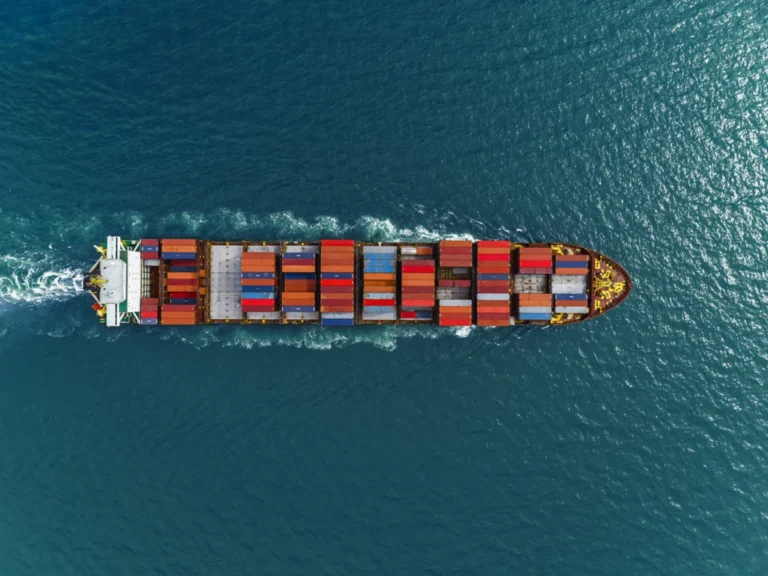
Perhaps the most significant milestone in this digital journey was the modernization of the ATA Carnet system. Often referred to as the "passport for goods," the ATA Carnet is an international customs document that allows for the temporary, duty-free, and tax-free export and import of goods for up to one year. Established in 1961, the system relied on a complex, multi-layered paper process involving vouchers and stamps for over 60 years.
Cyrille was appointed as the project lead for the digitization of this system, a task that required more than just technical coding. It required a deep understanding of international customs law, the logistical needs of global enterprises, and the varying technological capacities of different nations. The project involved:
- Stakeholder Alignment: Coordinating between product owners, developers, and steering committees across dozens of countries.
- Technical Standardization: Creating a digital version of the Carnet that could be recognized and processed by customs officials globally, regardless of their local IT infrastructure.
- Security Integration: Ensuring that the digital documents were tamper-proof and met the highest standards of international cybersecurity.
The successful pilot and rollout of the digital ATA Carnet represent a landmark achievement in trade facilitation. By replacing physical vouchers with a digital interface, the ICC has significantly reduced the administrative burden on businesses, particularly Small and Medium-sized Enterprises (SMEs) that previously found the paper-based system too cumbersome or expensive to navigate.
Bridging the Gap Between Business and Technology
A recurring theme in Cyrille’s tenure is the role of the "bridge." In many large organizations, a disconnect often exists between the technical teams who build tools and the business units that use them. Cyrille’s philosophy centers on the idea that technology must always be a servant to business needs, rather than an end in itself.
"My role is to help the business understand the technical considerations while ensuring our technical teams fully understand the business need," Cyrille explains. This alignment is critical when evaluating new technologies. The ICC does not adopt technology for the sake of novelty; instead, it utilizes specific frameworks to evaluate an innovation’s readiness and its potential impact on the organization’s global mission. This pragmatic approach to innovation ensures that resources are directed toward tools that provide tangible benefits to the millions of companies the ICC represents.
Supporting Data: The Economic Impact of Digital Trade
The drive toward digitization is supported by compelling economic data. According to reports from the ICC and the World Trade Organization (WTO), the full implementation of the WTO Trade Facilitation Agreement—which leans heavily on digital solutions—could reduce global trade costs by an average of 14.3%. Furthermore, the "Digital Standards Initiative" (DSI) led by the ICC suggests that transitioning to digital trade documents could unlock $1.2 trillion in trade growth by 2026.
Data from the ICC’s own operations indicates that digital workflows have reduced the time required for document processing by up to 50% in certain sectors. For the ATA Carnet specifically, digitization eliminates the risk of lost or damaged paper documents, which previously cost businesses thousands of dollars in penalties and lost time. By providing a centralized digital platform, the ICC has created a more transparent and audit-ready environment for international customs authorities.
Official Responses and Strategic Implications
The ICC leadership has frequently emphasized that digital transformation is not merely an IT project but a core strategic objective. Statements from the ICC Secretariat suggest that the organization views digital tools as essential for inclusivity. By lowering the barriers to entry for international trade, digital systems allow businesses in developing economies to compete more effectively on the global stage.
Industry analysts note that the ICC’s proactive stance on technology serves as a benchmark for other intergovernmental and non-governmental organizations. The move toward "proactive partnership" within IT teams—shifting from a reactive "break-fix" mentality to a collaborative, forward-looking strategy—is now seen as a best practice for organizational resilience.
Addressing the Challenges of Artificial Intelligence
As the ICC looks toward the future, the integration of Artificial Intelligence (AI) presents both opportunities and challenges. Cyrille’s approach to AI is governed by a rigorous evaluation process. The organization is currently exploring how AI can be used to analyze trade data, predict supply chain disruptions, and automate routine legal queries regarding ICC’s widely used "Incoterms" rules.
However, the adoption of AI is tempered by a commitment to ethics and data sovereignty. The ICC’s digital architecture must account for varying regulations across jurisdictions, such as the European Union’s AI Act and various data privacy laws (GDPR). Cyrille’s team is tasked with ensuring that as the ICC becomes more "intelligent" through AI, it remains a trusted neutral party in the global trade landscape.
The Human Element: Diversity and Global Collaboration
Despite the focus on systems and software, Cyrille maintains that the most rewarding aspect of his 15-year journey has been the human element. The ICC is a uniquely diverse environment, bringing together experts from law, finance, logistics, and technology from every corner of the globe.
"It’s a truly diverse environment, which means a lot of ideas and opinions," Cyrille notes. The ability to synthesize these diverse perspectives into a cohesive digital strategy is what allows the ICC to remain relevant in a rapidly changing world. The digital products developed under his guidance are the result of thousands of hours of collaboration with international stakeholders, proving that technology is most effective when it is built upon a foundation of strong professional relationships.
Conclusion: A Blueprint for Future Innovation
The story of Cyrille’s 15 years at the ICC is a microcosm of the global shift toward a digital-first economy. From the early days of laying physical cables to the current era of architecting global digital ecosystems, the objective has remained consistent: to facilitate commerce and foster economic growth.
As the ICC continues to evolve, the lessons learned from the digitization of the ATA Carnet and the stabilization of its internal networks will serve as a blueprint for future initiatives. The organization’s commitment to a "business-first" technological approach ensures that it will continue to lead the way in making international trade more efficient, transparent, and accessible to all. Through the efforts of dedicated professionals like Cyrille, the ICC is not just keeping pace with the digital revolution—it is pioneering it.
About the Author