In a significant ruling that could reshape employer liability for workplace harassment, the U.S. Court of Appeals for the 5th Circuit has reversed a lower court’s decision, allowing a plaintiff’s hostile work environment claims to proceed. The appellate court found that the employer’s investigation into the alleged harassment was neither “insufficiently prompt nor thorough,” a critical factor in determining an employer’s responsibility under federal anti-discrimination laws. The decision, handed down on July 17, 2026, highlights the rigorous standards courts apply when evaluating an employer’s response to serious allegations of workplace misconduct.
The case, involving allegations of a pervasive hostile work environment, centered on the plaintiff’s experiences within the workplace. She presented a compelling case, buttressed by her own deposition testimony, the corroborating accounts of a Black co-worker, and a series of emails meticulously documenting the harassing incidents. This evidence painted a grim picture of a workplace where the plaintiff alleged she was subjected to conduct that made her “question how she could function in such an environment and made her feel ‘less than human.’” Further substantiating her claims, the plaintiff provided counseling records that indicated significant distress, trauma, and a fear of harm stemming directly from the alleged harassment. She further asserted that her professional performance had demonstrably suffered as a consequence of these experiences.
The 5th Circuit’s decision also took into account the concept of secondhand harassment, noting that the plaintiff’s observations of her co-worker enduring similar mistreatment “weighs in [her] favor when assessing the totality of the circumstances.” This acknowledgment underscores the court’s recognition that the impact of a hostile environment can extend beyond direct targets to those who witness such pervasive misconduct. Citing established precedent, the court emphasized that this broader perspective is crucial in evaluating the overall severity and pervasiveness of the alleged harassment.
Legal Framework for Employer Liability
Under federal workplace civil rights legislation, notably Title VII of the Civil Rights Act of 1964, employers can be held legally accountable for harassment if they had actual or constructive knowledge of the offensive conduct and subsequently failed to implement prompt and effective corrective measures. This legal standard places a significant onus on employers to not only prevent harassment but also to respond decisively and appropriately when it occurs. The U.S. Equal Employment Opportunity Commission (EEOC) provides extensive guidance on what constitutes harassment and the employer’s responsibilities in addressing it.
The employer in this case, operating under the business names Corpus Christi Medical Center (CCMC) and Bay Area Healthcare Group, contended that it had indeed taken appropriate action. Their defense rested on the assertion that they had conducted interviews with relevant parties and provided coaching to the nurses accused of engaging in the offensive conduct. Furthermore, CCMC reportedly offered to transfer the plaintiff to a different role, which they presented as a remedial step.
Scrutiny of the Employer’s Investigation
However, the 5th Circuit’s review revealed significant deficiencies in CCMC’s response. The appellate court specifically questioned the employer’s narrative, pointing to discrepancies within the staff testimony concerning the investigation and interview records. A critical blow to the employer’s defense was their failure to produce a dedicated investigation file or any detailed notes during the discovery phase of the legal proceedings. This lack of documentation raised serious questions about the rigor and integrity of their internal inquiry.
Adding further weight to the plaintiff’s argument, evidence emerged that managers involved in the investigation had allegedly informed the plaintiff that “the cliques were not going anywhere.” This statement, if true, suggests a dismissive attitude towards the pervasive nature of the alleged harassment and a lack of commitment to fundamentally changing the workplace dynamic. Moreover, the plaintiff maintained that the harassment continued even after the employer’s investigation had concluded, indicating that the measures taken, if any, were ineffective.
The Court’s Finding: Insufficiently Prompt and Thorough
Ultimately, the 5th Circuit concluded that the plaintiff had “pointed to evidence that CCMC’s investigation was insufficiently prompt and thorough.” This finding directly challenged the district court’s initial decision to grant summary judgment in favor of the employer. By reversing this decision, the appellate court has effectively signaled that the plaintiff’s case has sufficient merit to proceed to trial, where a jury will have the opportunity to weigh the evidence and determine liability.
The court’s emphasis on the promptness and thoroughness of an investigation is not unprecedented. Courts have consistently held that a perfunctory or delayed response can expose employers to liability, even if some steps were taken. The rationale is that a swift and comprehensive investigation is essential to halt ongoing harassment, protect employees, and demonstrate the employer’s commitment to a safe and respectful workplace.
Precedent and Broader Implications
This ruling from the 5th Circuit aligns with a broader trend in judicial interpretation of hostile work environment claims. Courts have increasingly recognized that the use of repeated epithets or slurs can be potent evidence in favor of plaintiffs. For instance, a 2019 decision by the 9th U.S. Circuit Court of Appeals found that a manager’s use of four racial slurs over a single year was sufficient to establish an abusive work environment. This case underscored the severity with which courts view racial epithets and their capacity to create a hostile atmosphere.
More recently, in a case decided just prior to this one, the 10th U.S. Circuit Court of Appeals revived a hostile work environment claim against Walmart. In that instance, the court determined that a plaintiff who experienced multiple discriminatory acts had plausibly alleged the existence of a hostile work environment. These decisions collectively illustrate a judicial willingness to hold employers accountable when their actions or inactions contribute to or perpetuate a harmful workplace culture.

The implications of the 5th Circuit’s decision are far-reaching for employers across various industries. It serves as a stark reminder that a superficial response to harassment allegations is insufficient. Employers must conduct robust, impartial, and timely investigations, document their findings meticulously, and implement meaningful remedial actions to prevent recurrence. Failure to do so can lead to costly litigation and significant reputational damage.
The Evolution of Workplace Harassment Law
The legal landscape surrounding workplace harassment has evolved considerably since the enactment of Title VII. Initially, the focus was primarily on quid pro quo harassment, where employment benefits were conditioned on sexual favors. However, case law has expanded to encompass hostile work environment claims, acknowledging that a workplace permeated with discrimination or hostility can be just as detrimental to an employee’s well-being and productivity.
The legal definition of a hostile work environment generally requires that the conduct be severe or pervasive enough to alter the conditions of the victim’s employment and create an abusive working environment. This standard is intentionally broad, allowing courts to consider a wide range of factors, including the frequency of the discriminatory conduct, its severity, whether it is physically threatening or humiliating, and whether it unreasonably interferes with an employee’s work performance.
The evidence presented by the plaintiff in this case—including her own testimony, that of a co-worker, documented incidents, and psychological records—likely met this threshold for the appellate court to consider. The alleged use of epithets, discriminatory remarks, and the creation of a generally demeaning atmosphere, combined with the documented emotional distress, paint a picture of a work environment that could reasonably be found to be hostile.
The Role of the 5th Circuit
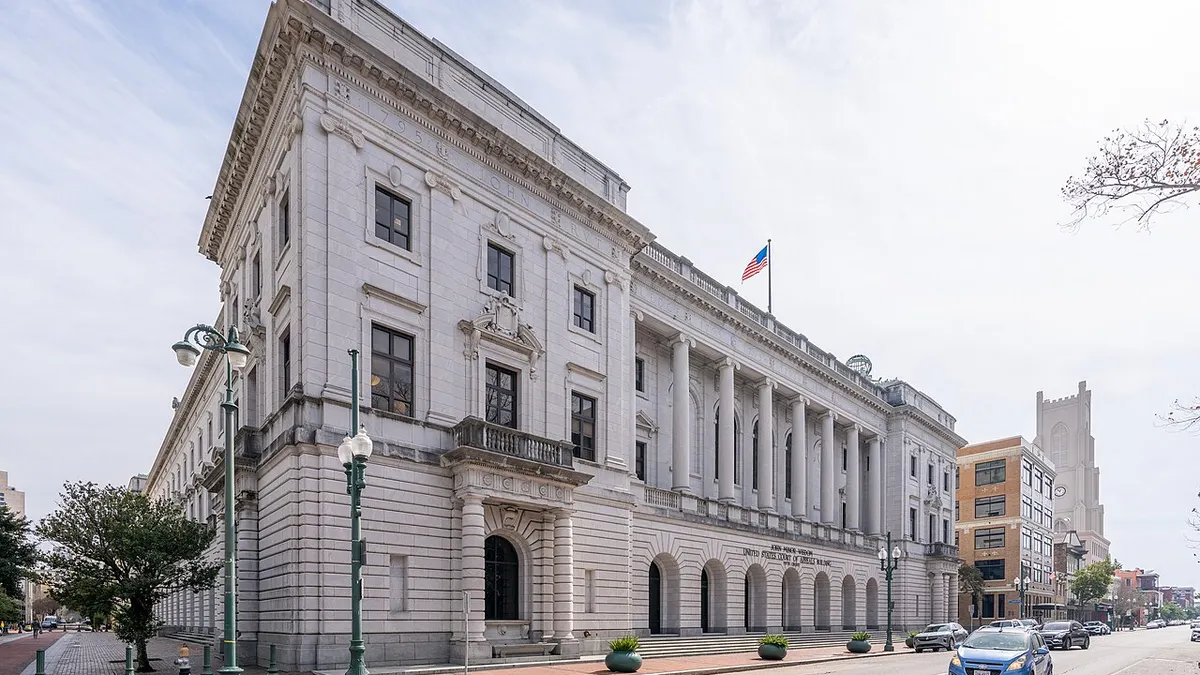
The 5th U.S. Circuit Court of Appeals, with its jurisdiction over federal courts in Louisiana, Mississippi, and Texas, plays a crucial role in shaping employment law within this region. Its decisions have a direct impact on how businesses operate and how employees are protected from discrimination and harassment. The court’s decision in this instance reinforces the principle that employers cannot simply dismiss allegations of harassment without a thorough and objective investigation.
The reversal of the district court’s summary judgment means the case will now proceed to trial. This will allow for a more in-depth examination of the evidence, including potential testimony from the accused individuals, HR representatives, and expert witnesses. The plaintiff will have the opportunity to present her full case, and the employer will have to defend its actions and policies.

Analysis of the Employer’s Actions
The discrepancies in CCMC staff testimony and the failure to produce investigation records are particularly concerning. In legal proceedings, a lack of documentation can often be interpreted as an attempt to conceal wrongdoing or, at the very least, a failure to maintain proper records, which itself can be evidence of negligence. When an employer claims to have investigated, but cannot produce the evidence of that investigation, it raises significant doubts about the credibility of their claims.
Furthermore, the statement allegedly made by managers regarding “cliques” suggests a potential systemic issue within the organization. If managers are aware of ongoing issues related to group dynamics that contribute to a hostile environment, their responsibility to address these issues is heightened. Acknowledging the existence of “cliques” without taking concrete steps to dismantle them or mitigate their negative impact could be viewed as an implicit endorsement of the problematic environment.
The Path Forward for Employers
This ruling serves as a critical cautionary tale for employers. It underscores the need for comprehensive, well-documented, and timely anti-harassment policies and procedures. Key elements of an effective response system include:
- Clear Policy: A clearly written anti-harassment policy that defines prohibited conduct, outlines reporting procedures, and assures employees that they will not face retaliation for reporting.
- Training: Regular training for all employees, including managers and supervisors, on harassment prevention, identification, and reporting.
- Prompt Reporting Mechanisms: Multiple avenues for employees to report harassment without fear of reprisal.
- Thorough Investigations: A standardized, impartial, and prompt investigation process conducted by trained personnel. This includes interviewing all relevant parties, gathering evidence, and documenting every step.
- Appropriate Remedial Actions: Implementing effective disciplinary actions, policy changes, or other measures to stop the harassment and prevent its recurrence.
- Follow-up: Checking in with the complainant to ensure the harassment has stopped and that no retaliation has occurred.
The decision by the 5th Circuit Court of Appeals in this hostile work environment case is a significant development in employment law. It reaffirms the judiciary’s commitment to protecting employees from workplace discrimination and reinforces the critical importance of employers conducting prompt, thorough, and well-documented investigations into all allegations of harassment. As the legal battle continues, the outcome will be closely watched by employers and employees alike, potentially setting new benchmarks for accountability in the workplace.
About the Author