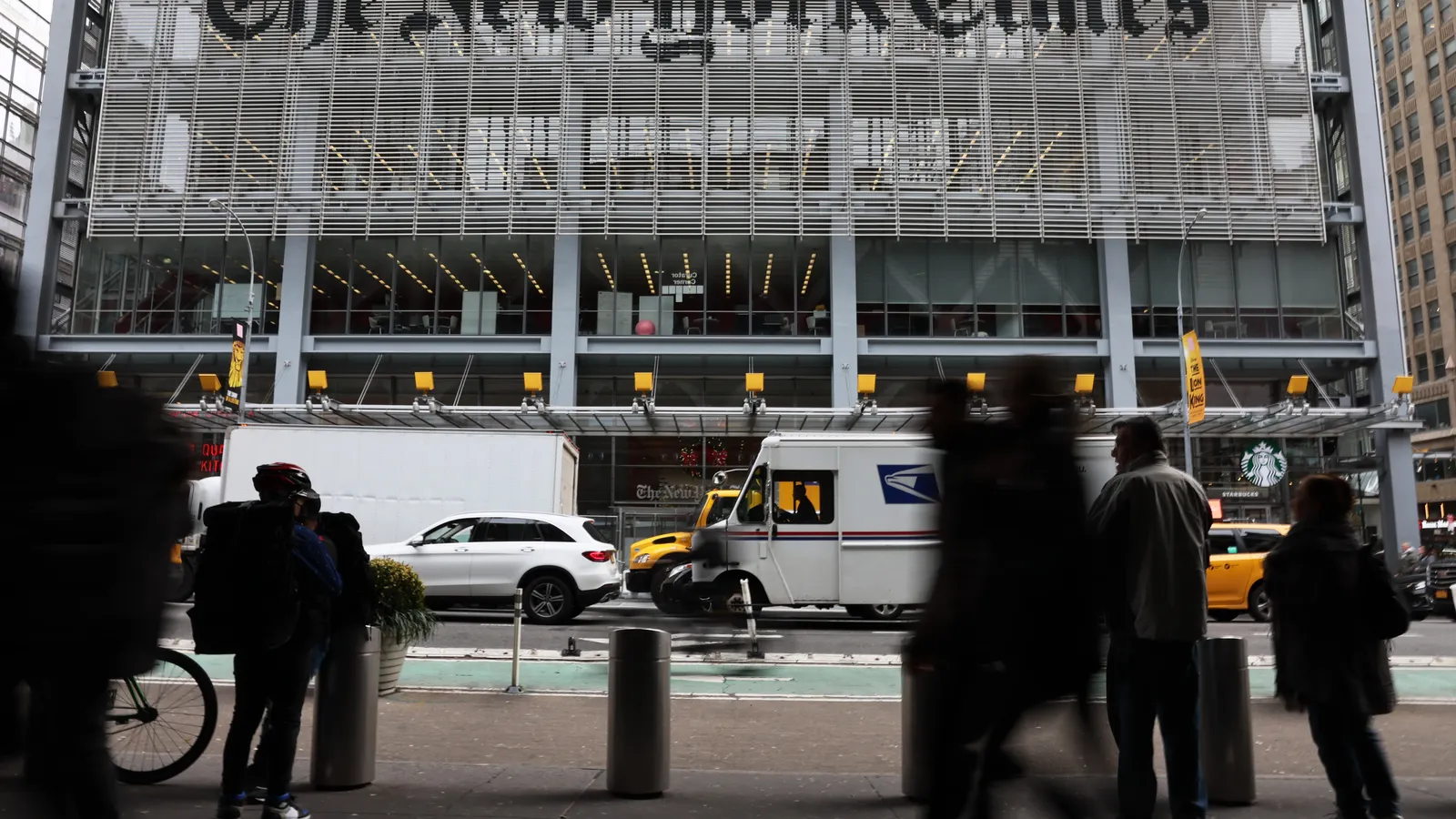
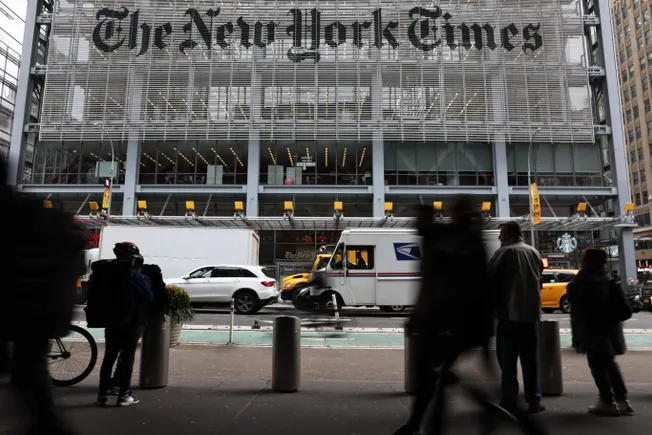
The New York Times Company has initiated legal action against the U.S. Equal Employment Opportunity Commission (EEOC), alleging that the federal agency has significantly delayed responding to Freedom of Information Act (FOIA) requests. The media giant claims the EEOC has dragged its feet and failed to provide timely updates on when its inquiries for information will be fulfilled, prompting the lawsuit filed on August 24, 2026. This legal challenge underscores a growing tension between major media organizations and government bodies regarding access to public records, a cornerstone of journalistic transparency.
The core of the dispute revolves around the EEOC’s handling of a FOIA request submitted by The Times. Under FOIA, federal agencies are generally required to respond to such requests within 20 business days. This timeframe can be extended by an additional 10 days under "unusual circumstances," which typically involve the need to search for and retrieve voluminous records or consult with other agencies. However, The Times asserts that the EEOC has exceeded these permissible timelines without adequate justification or communication.
A Pattern of Alleged Delays and Unanswered Inquiries
According to court documents filed by The New York Times, the EEOC acknowledged receipt of the FOIA request on June 25, 2026, assigning it a tracking number. The agency subsequently informed The Times that the request qualified for an extension under "unusual circumstances," citing the necessity to compile information from both its main office and various field offices. At that time, the EEOC indicated it would "make every effort" to provide a response by July 31, 2026, and offered a point of contact for The Times to discuss the request further.
The situation escalated when the designated EEOC contact reportedly failed to respond to inquiries made by The Times throughout July. A scheduled meeting in August was allegedly canceled by the EEOC representative the day before it was due to take place. The lawsuit claims that since then, the agency has not provided any substantive updates regarding the timeline for fulfilling the request. The New York Times also highlighted that the EEOC failed to deliver an estimated fee letter, which is standard procedure for requests that may incur costs, further exacerbating the perceived lack of transparency and cooperation.
The lawsuit seeks a judicial declaration that the requested records must be disclosed. It also requests a court order mandating a strict 20-day timeline for the EEOC to produce the information and asking the court to declare that the agency has forfeited its right to charge associated fees due to its alleged non-compliance with FOIA procedures.
Broader Context: FOIA Challenges and EEOC’s Scrutiny
This legal action by The New York Times is not an isolated incident involving the EEOC and FOIA requests. In June 2026, the National Association for the Advancement of Colored People (NAACP) filed a similar lawsuit against the agency, also alleging a failure to adequately respond to a FOIA request submitted in March 2026. The NAACP’s request, like that of The Times, sought communications pertaining to the EEOC’s handling of discrimination claims. Specifically, the NAACP was interested in records related to the agency’s solicitation of charges from White men, a practice that has drawn attention in recent years.
The EEOC eventually provided its "first and final" responses to the NAACP in July 2026, releasing over 1,200 documents. However, more than 1,000 additional records were withheld, with the agency citing various exemptions. The NAACP intends to contest some of these redactions, and both parties have agreed to present their arguments to the court for a ruling.
These FOIA disputes occur against a backdrop of broader legal entanglements between The New York Times and the EEOC. In May 2026, the EEOC itself filed a discrimination lawsuit against The New York Times. This suit alleged racial and sexual bias on the part of the newspaper for allegedly failing to promote a White male employee to an editorial position, instead selecting a non-White journalist with reportedly less experience. The New York Times has vehemently denied these allegations.
In response to the EEOC’s discrimination lawsuit, The Times filed a counterclaim in July 2026. This counterclaim accused the EEOC of retaliating against the company for its journalistic coverage of the current administration. Commissioner Kalpana Kotagal of the EEOC voiced concerns in a May 2026 LinkedIn post, suggesting that the EEOC’s lawsuit against The Times might have been motivated by a "desire to advance the administration’s political agenda." This adds a layer of complexity to the ongoing legal battles, raising questions about potential motivations and political influences.

The Importance of FOIA in a Democratic Society
The Freedom of Information Act, enacted in 1966, is a critical piece of legislation that empowers the public to access government records. Its primary aim is to promote government transparency and accountability by allowing citizens and the press to scrutinize the actions of federal agencies. The 20-business-day response window, with a limited allowance for extensions under specific circumstances, is designed to ensure that information is not unduly withheld.
When agencies fail to adhere to these timelines, it can hinder investigative journalism, impede public understanding of government operations, and potentially obscure wrongdoing. For news organizations like The New York Times, timely access to information is crucial for reporting on matters of public interest, including the functioning of regulatory bodies like the EEOC.
Data on FOIA Compliance and Agency Responsiveness
Data compiled by the Department of Justice’s Office of Information Policy reveals that FOIA requests continue to pose a significant workload for federal agencies. While many agencies strive for compliance, backlogs and delays remain a persistent challenge. In fiscal year 2023, federal agencies received over 893,000 FOIA requests and made determinations on over 867,000 requests. The average processing time for complex requests can extend significantly beyond the statutory limits, particularly for agencies handling a high volume of sensitive or voluminous information.
The EEOC, as a regulatory body tasked with enforcing anti-discrimination laws, often deals with complex investigations and a large volume of public inquiries. This inherent complexity can contribute to longer processing times. However, critics argue that agencies must adequately resource their FOIA offices and implement efficient procedures to meet their legal obligations. The consistent filing of lawsuits by organizations alleging FOIA violations suggests that systemic issues in agency responsiveness may persist.
Implications and Future Outlook
The lawsuit filed by The New York Times against the EEOC highlights the ongoing challenges in balancing the public’s right to information with the operational demands of federal agencies. The outcome of this litigation could have several implications. Firstly, it could set a precedent for how courts handle similar FOIA disputes, potentially strengthening enforcement mechanisms for timely disclosure. Secondly, it may prompt the EEOC to re-evaluate its FOIA processing procedures and resource allocation to avoid future legal challenges.

Furthermore, the intertwined nature of this FOIA lawsuit with the EEOC’s discrimination suit against The Times and The Times’ counterclaim raises important questions about the potential for retaliatory actions or politically motivated litigation. The public will be closely watching to see how these legal battles unfold and whether they ultimately serve to enhance transparency or become mired in protracted disputes.
Danielle Rhoades Ha, Senior Vice President of Communications for The New York Times, declined to comment further on the FOIA lawsuit but referred HR Dive to a July statement that pushed back against the EEOC’s discrimination claim. The EEOC did not respond to a request for comment by press time, leaving the agency’s perspective on the allegations of FOIA delays currently unknown. The situation underscores the critical role of FOIA in a democracy and the ongoing efforts by media and civil rights organizations to ensure its effective implementation.
About the Author