The modern global economy, characterized by its intricate web of cross-border investments and just-in-time supply chains, is currently facing its most significant period of disruption since the mid-20th century. While geopolitical tensions have historically influenced the flow of commerce, the contemporary landscape is defined by an unprecedented immediacy and complexity. In this environment, the impact of conflict on commercial disputes is no longer a localized concern; it is a systemic risk that permeates every level of international trade. From the ongoing instability in the Middle East to the prolonged conflict in Eastern Europe and escalating trade frictions in the Indo-Pacific, businesses are finding that traditional legal safeguards are being tested by the realities of a fragmented global order. Consequently, international arbitration has transitioned from a standard procedural preference to a critical strategic tool for preserving commercial relationships, managing multi-jurisdictional uncertainty, and safeguarding asset value in high-stakes environments.
The Intersection of Geopolitical Conflict and Commercial Risk
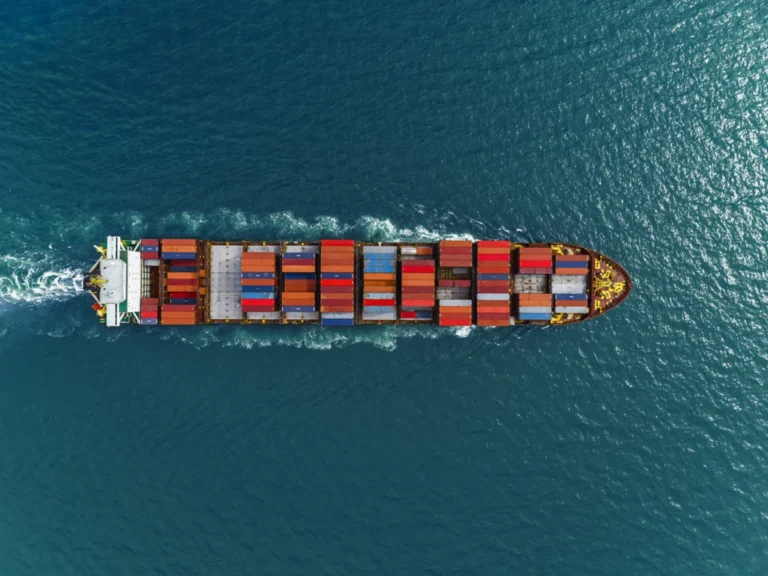
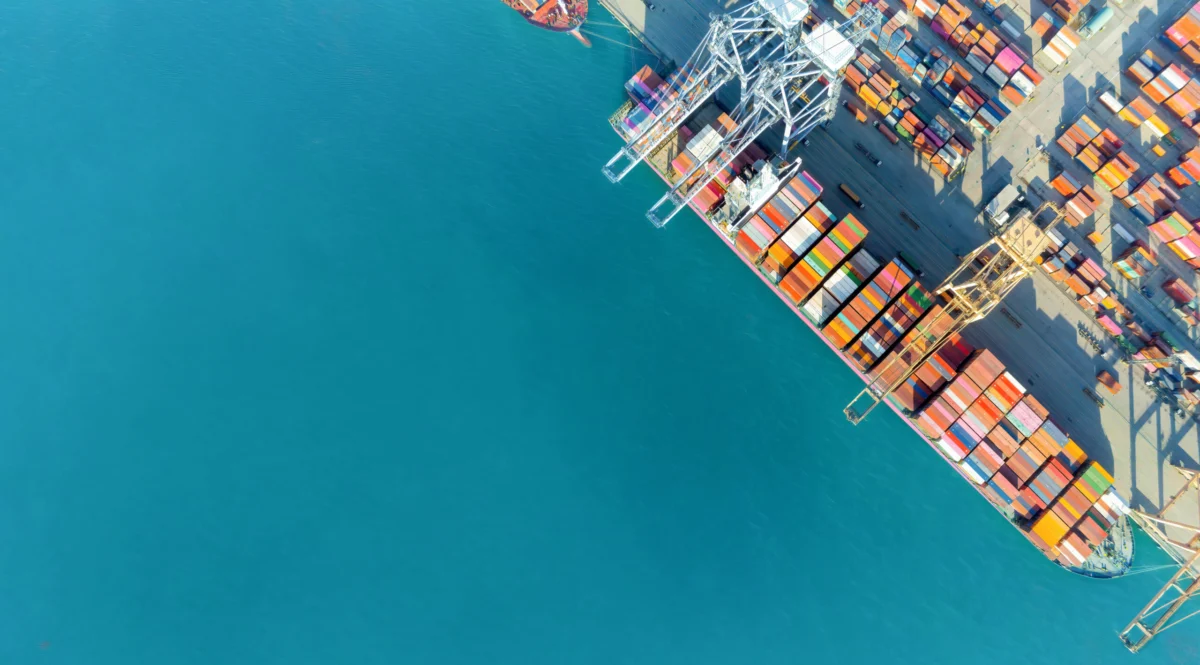
Geopolitical instability rarely presents as a singular event; rather, it functions as a catalyst for a cascade of legal and operational challenges. When a conflict erupts or diplomatic relations sour, the resulting commercial friction manifests in several key areas. First, supply chain disruptions often lead to the non-performance of contracts, as raw materials become inaccessible or shipping routes—such as those through the Red Sea or the Black Sea—become perilous. Second, the imposition of sudden and sweeping sanctions regimes creates a "compliance trap" for multinational corporations, where fulfilling a contract might violate international law, while breaching it invites litigation from the counterparty.
Furthermore, the volatility of currency markets and the freezing of sovereign assets can render financial obligations impossible to meet. For businesses with significant capital expenditure in affected regions, the risk of expropriation or de facto nationalization looms large. These issues are rarely isolated; they often involve overlapping legal regimes and competing jurisdictions, making domestic litigation a fraught and often non-viable option. In this context, the nature of claims is evolving, with parties increasingly forced to navigate the blurred lines between private commercial law and public international law.
A Chronology of Global Disruption and Legal Response
To understand the current reliance on arbitration, one must examine the timeline of geopolitical events that have reshaped the legal landscape over the past decade.
- 2018–2019: The Rise of Trade Protectionism. The escalation of trade tensions between the United States and China introduced a new era of regulatory uncertainty. Businesses began to move away from "efficiency-first" models toward "resilience-first" models, leading to an uptick in disputes related to tariffs and technology transfer.
- 2020–2021: The Pandemic Precedent. While not a military conflict, the COVID-19 pandemic served as a global stress test for force majeure and hardship clauses. It established the legal groundwork for how tribunals handle "unforeseeable" global events, a precedent now being applied to geopolitical crises.
- 2022: The Invasion of Ukraine. The conflict in Ukraine triggered the most comprehensive sanctions packages in history against a major global economy. This led to a surge in arbitration filings involving state-owned enterprises and the invocation of bilateral investment treaties (BITs) as Western firms sought to recover losses from abandoned Russian operations.
- 2023–2024: Middle East Instability and Maritime Risk. The widening conflict in the Middle East has directly impacted the Suez Canal and Red Sea transit routes. This has resulted in a wave of maritime and insurance-related arbitrations, as shipping companies divert vessels and invoke "war risk" clauses.
Supporting Data: The Rising Demand for Arbitration
Statistical trends from the world’s leading arbitral institutions underscore the growing reliance on these mechanisms during times of crisis. According to the International Chamber of Commerce (ICC), the year 2023 saw a significant number of new cases filed—890 in total—involving parties from 141 different countries. This diversity reflects the global nature of modern commercial friction.
Specifically, disputes in the energy and construction sectors, which are most sensitive to geopolitical shifts, accounted for nearly 45% of all new ICC cases. Similarly, the London Court of International Arbitration (LCIA) reported a notable increase in "Emergency Arbitrator" applications, as parties sought immediate relief to prevent the dissipation of assets or to stay the enforcement of contracts in volatile regions. Data from the United Nations Conference on Trade and Development (UNCTAD) also indicates a steady rise in Investor-State Dispute Settlement (ISDS) cases, many of which are linked to government measures taken in response to regional instabilities or economic crises.
Arbitration as a Neutral and Resilient Framework
In a world where domestic courts may be perceived as biased toward national interests—or where the judicial infrastructure has collapsed due to conflict—arbitration offers a necessary sanctuary of neutrality. The flexibility of the process allows parties to select arbitrators with specific expertise in the industry or the particular geopolitical nuances involved. Unlike domestic litigation, which is bound by the procedural laws of a single state, arbitration provides a level of procedural autonomy that is essential when dealing with parties from divergent legal traditions.
The most critical advantage remains the New York Convention of 1958, which ensures that an arbitral award is enforceable in over 170 jurisdictions. This global treaty provides a level of continuity and predictability that domestic court judgments simply cannot match, especially when seeking to seize assets in a third-party country to satisfy a debt incurred in a conflict zone.
Force Majeure, Hardship, and the Complexity of Contractual Interpretation
The most immediate legal fallout of geopolitical conflict is the invocation of force majeure (events beyond a party’s control) and hardship (where performance becomes excessively onerous). However, the application of these clauses is rarely straightforward in the context of war or sanctions.
Tribunals must conduct a granular analysis of whether the conflict truly caused the breach or if the party is simply using the crisis as a pretext to exit a disadvantageous deal. Key considerations include the "foreseeability" of the event—for instance, can a conflict in the Middle East still be considered unforeseeable given the historical context?—and the "mitigation" efforts taken by the party claiming relief. In many jurisdictions, the threshold for hardship is exceptionally high, requiring evidence that the fundamental equilibrium of the contract has been destroyed. The outcome of these disputes often hinges on the specific wording of the contract, leading to a shift toward more robust and detailed drafting in modern commercial agreements.
The Procedural Nightmare of Sanctions and Compliance
The expansion of global sanctions has introduced a layer of "procedural friction" into the arbitration process itself. Legal teams and arbitral institutions must now navigate complex compliance hurdles just to conduct a hearing. This includes challenges in paying administrative fees to institutions if one party is a sanctioned entity, or the inability of counsel to provide legal services without specific licenses from government bodies like the U.S. Office of Foreign Assets Control (OFAC).
Furthermore, the presence of sanctions can affect the merits of a case. A party may argue that it is legally prohibited from performing its obligations, while the opposing party may argue that the sanctions do not apply to the specific transaction or that the non-performing party should have sought a waiver. These "sanctions-on-sanctions" disputes are becoming a specialized sub-field of international law, requiring a sophisticated understanding of both commercial and public policy considerations.
Strategic Responses: The Shift to Enforcement-Led Thinking
In response to this uncertain landscape, leading multinational organizations are moving away from reactive legal stances and toward proactive, integrated dispute strategies. The focus has shifted from merely winning a case to ensuring that the eventual award can actually be collected.
- Risk-Conscious Contracting: Legal departments are no longer treating dispute resolution clauses as "boilerplate" text. There is an increased focus on selecting seats of arbitration that are geopolitically neutral and have a proven track record of non-interference by local courts.
- Scenario Planning and Stress Testing: Businesses are proactively assessing their portfolios to identify "high-risk" contracts that could be impacted by a sudden escalation in regional tensions. This involves "war-gaming" various legal outcomes to prepare for potential breaches.
- Multi-Jurisdictional Coordination: Disputes are increasingly managed by global teams that coordinate between local counsel in the conflict zone and international specialists in the seat of arbitration. This ensures that actions taken on the ground do not compromise the legal position in the tribunal.
- Maintaining Rigorous Documentation: In a conflict-driven environment, the first casualty is often the paper trail. Sophisticated actors are implementing redundant digital storage for all transaction records, communications, and evidence of "performance attempts" to ensure they can meet the high evidentiary standards required by international tribunals.
Emerging Trends and the Future Outlook
The current era of "permacrisis" is accelerating several trends within the field of arbitration. There is a marked increase in disputes related to the energy transition, as countries scramble for resource security in the wake of disrupted oil and gas flows. Additionally, Environmental, Social, and Governance (ESG) considerations are becoming intertwined with geopolitical disputes, as companies are held accountable for their operations—or their withdrawals—from conflict-affected regions.
We are also seeing the rise of "digital arbitration," where virtual hearings and blockchain-based evidence management are used to overcome the physical barriers created by closed borders and travel bans. These developments reflect a broader shift toward a more resilient, technology-enabled legal infrastructure capable of operating regardless of the geopolitical climate.
Conclusion
Geopolitical tensions are fundamentally reshaping the landscape of cross-border commerce, introducing complexities that traditional legal frameworks were not designed to handle. In this volatile environment, international arbitration stands as a pillar of stability, offering a predictable path for the resolution of disputes that would otherwise languish in the uncertainty of domestic courts. However, the effectiveness of arbitration is not automatic; it requires a sophisticated, forward-looking approach that integrates legal, geopolitical, and operational intelligence. For businesses operating across borders, the ability to navigate these tensions is no longer just a legal necessity—it is a core component of commercial survival. In an increasingly fragmented world, arbitration remains the most effective mechanism for preserving the rule of law in international trade, ensuring that even in times of conflict, the principles of contract and commercial integrity are upheld.
About the Author