Seventy percent of marketers believe the marketing industry has transformed more in the past three years than in the preceding five decades. This seismic shift necessitates a corresponding evolution in marketing automation platforms. Pardot, a long-standing player in the B2B marketing automation arena, has found itself at a crossroads. A perceived stagnation in its development has prompted a growing number of businesses to seek more dynamic and adaptable alternatives, sparking a significant migration trend within the industry. This article delves into the reasons behind this exodus, explores the leading platforms businesses are adopting, and offers expert insights on navigating a successful transition.
The Winds of Change: Understanding the Pardot Migration

Pardot, rebranded in 2022 as Marketing Cloud Account Engagement, has been a cornerstone of Salesforce’s B2B marketing technology stack. However, a significant segment of its user base is expressing concerns that signal a potential sunsetting of the platform. Tom Ryan, a seasoned Pardot consultant and founder of MarCloud, a firm that has transitioned to a Diamond Solutions Partner with HubSpot, articulates this sentiment. "There’s no development on the platform," Ryan states, highlighting what he perceives as a clear migration path toward newer technologies. He likens the situation to a question of "when," not "if," regarding its eventual discontinuation.
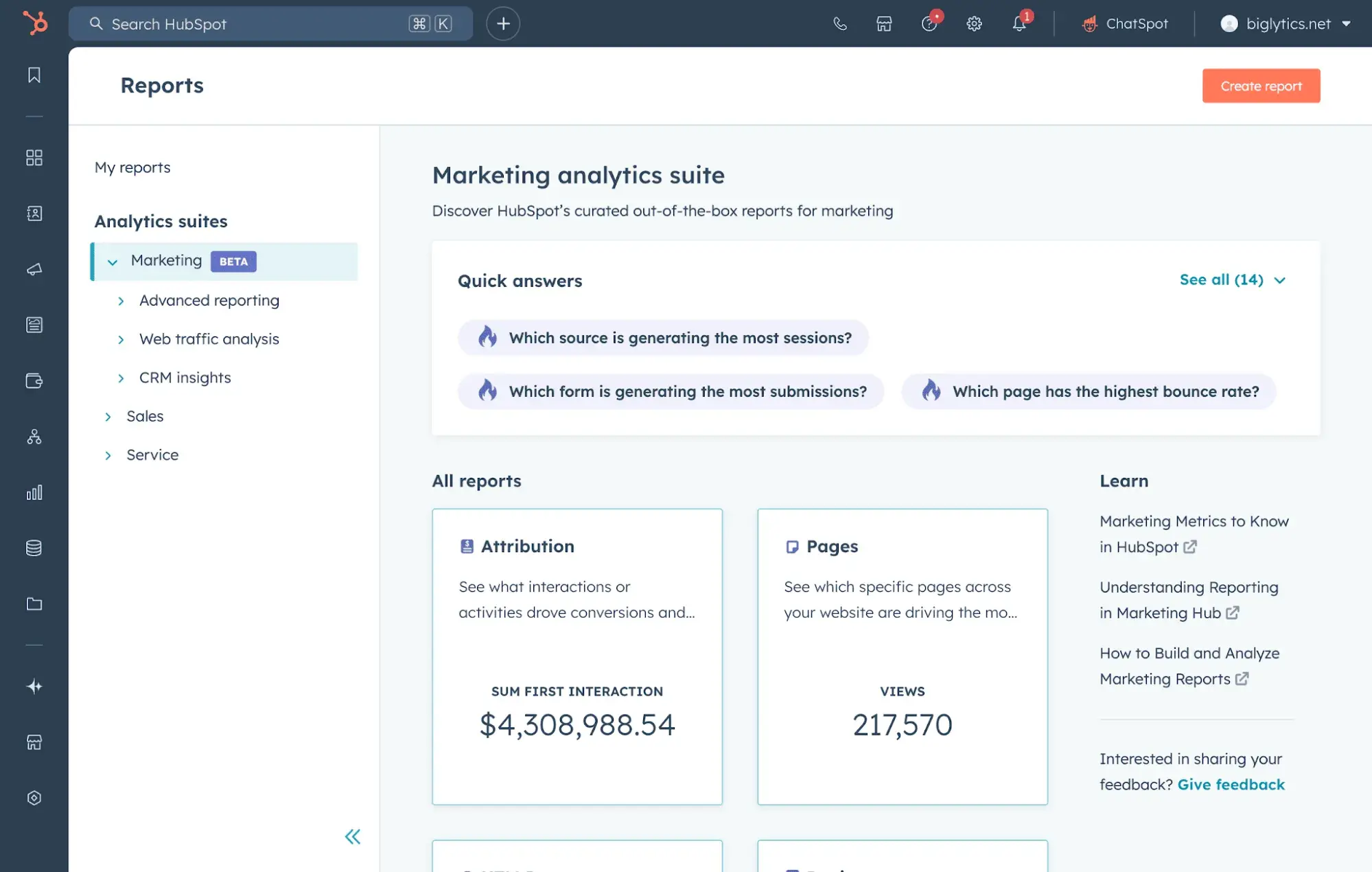
This apprehension about obsolescence is compounded by persistent challenges users face with revenue attribution and reporting within Pardot. Ryan notes that achieving accurate revenue attribution is an intricate process, often requiring a deep understanding of the Pardot-Salesforce synchronization. Similarly, reporting capabilities are frequently cited as inflexible, lacking the customization necessary for businesses to extract the precise insights they need without extensive consultant intervention.
The Allure of New Horizons: Leading Pardot Alternatives

As businesses pivot away from Pardot, several platforms are emerging as frontrunners in attracting these migrating users. The selection criteria often revolve around robust CRM integration, advanced automation capabilities, seamless third-party integrations, and competitive pricing structures.
HubSpot Marketing Automation: A User-Centric Powerhouse
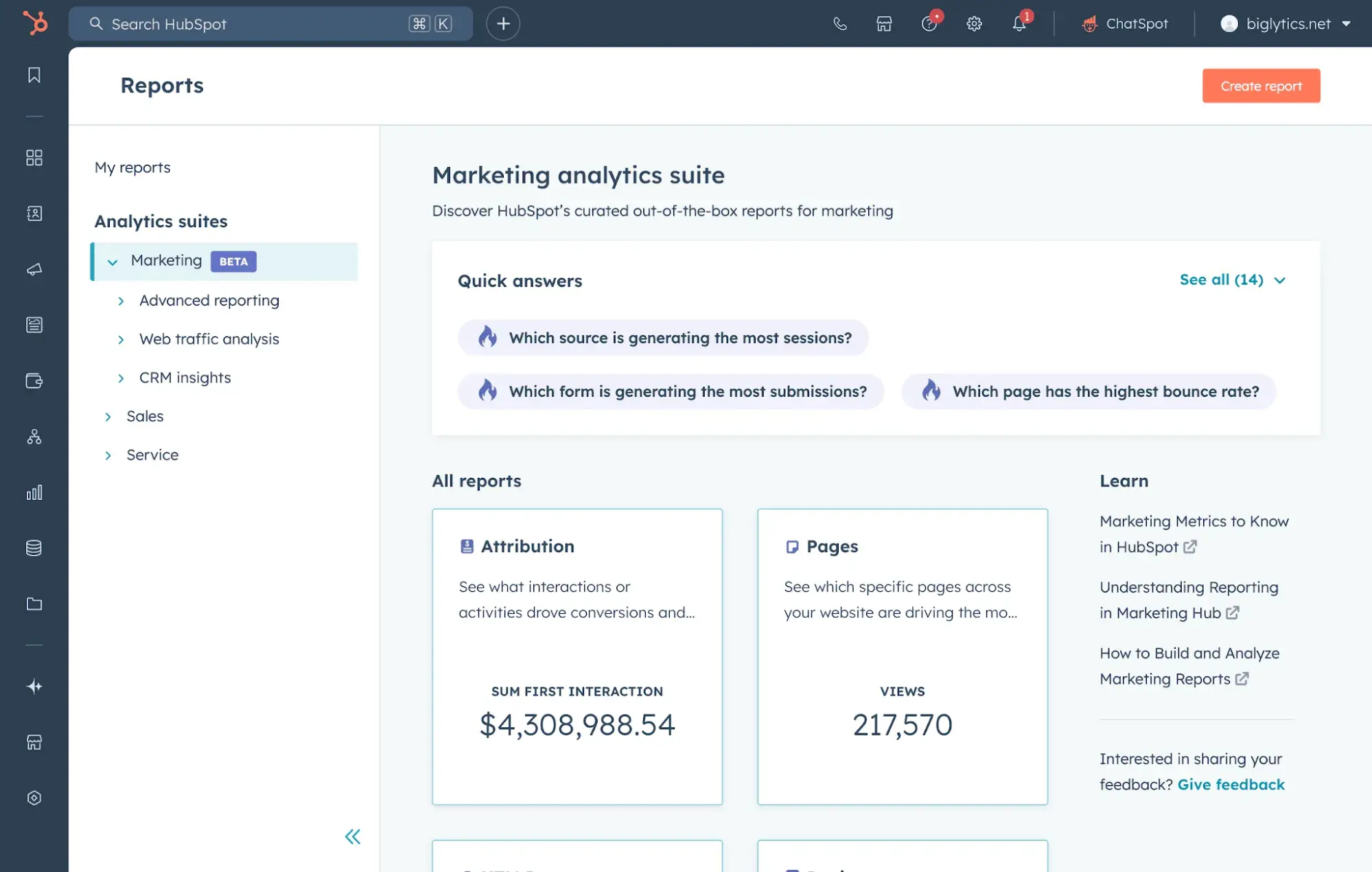
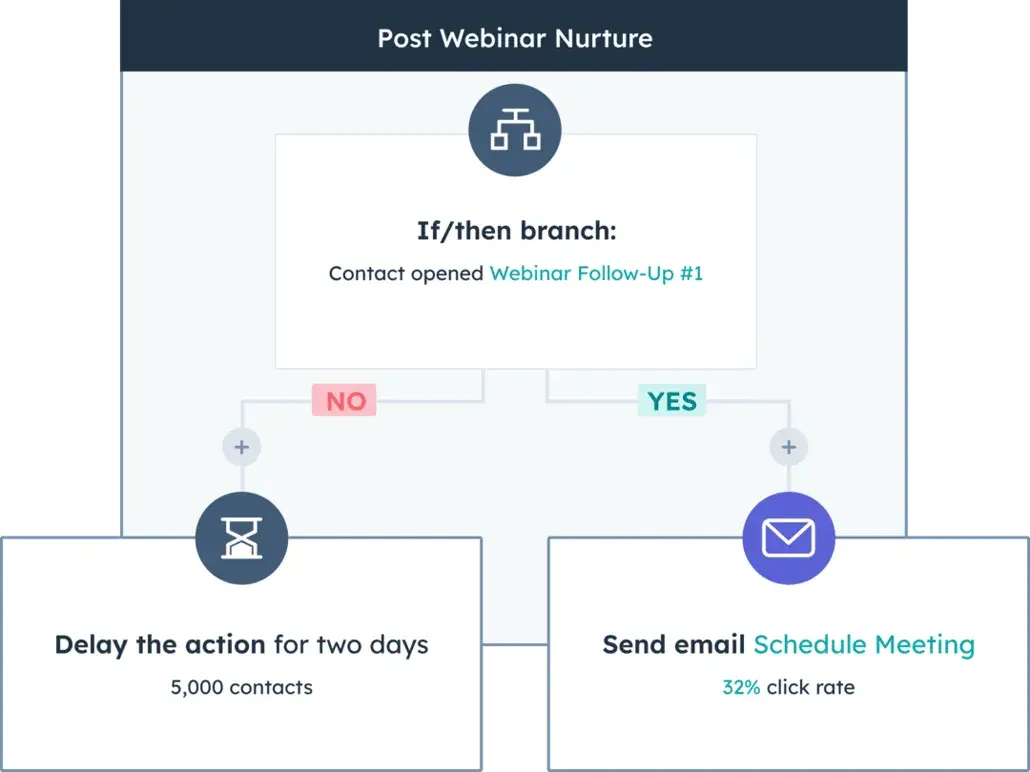
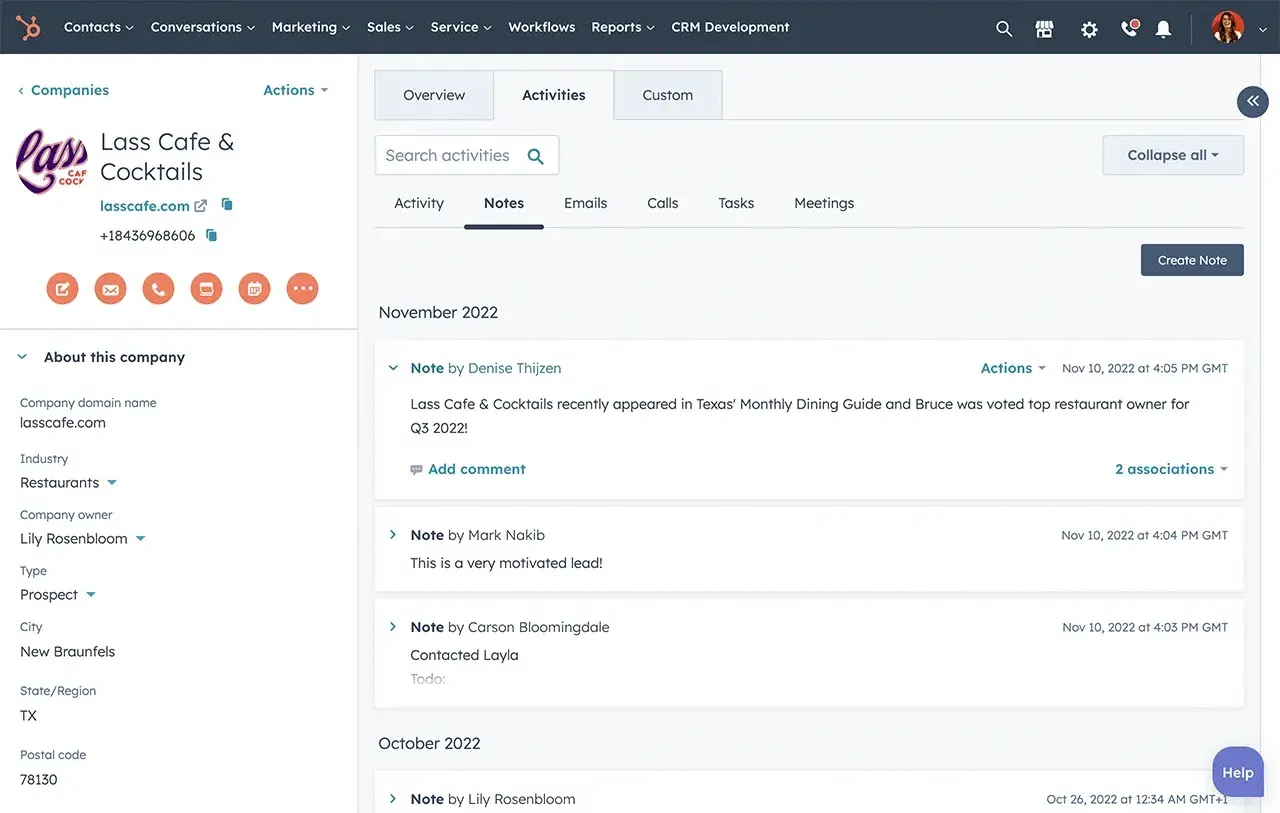
HubSpot Marketing Automation has become a prominent destination for businesses leaving Pardot. Its appeal lies in its unified platform approach, integrating marketing, sales, and customer relationship management (CRM) into a single, cohesive ecosystem. For companies seeking to consolidate their MarTech stack, HubSpot offers the Smart CRM, allowing for the replacement of Salesforce CRM or a seamless two-way synchronization with existing Salesforce instances. This ensures that vital data – including contacts, companies, deals, and activity history – remains consistent across both platforms, directly addressing the data silo issues often experienced with Pardot.
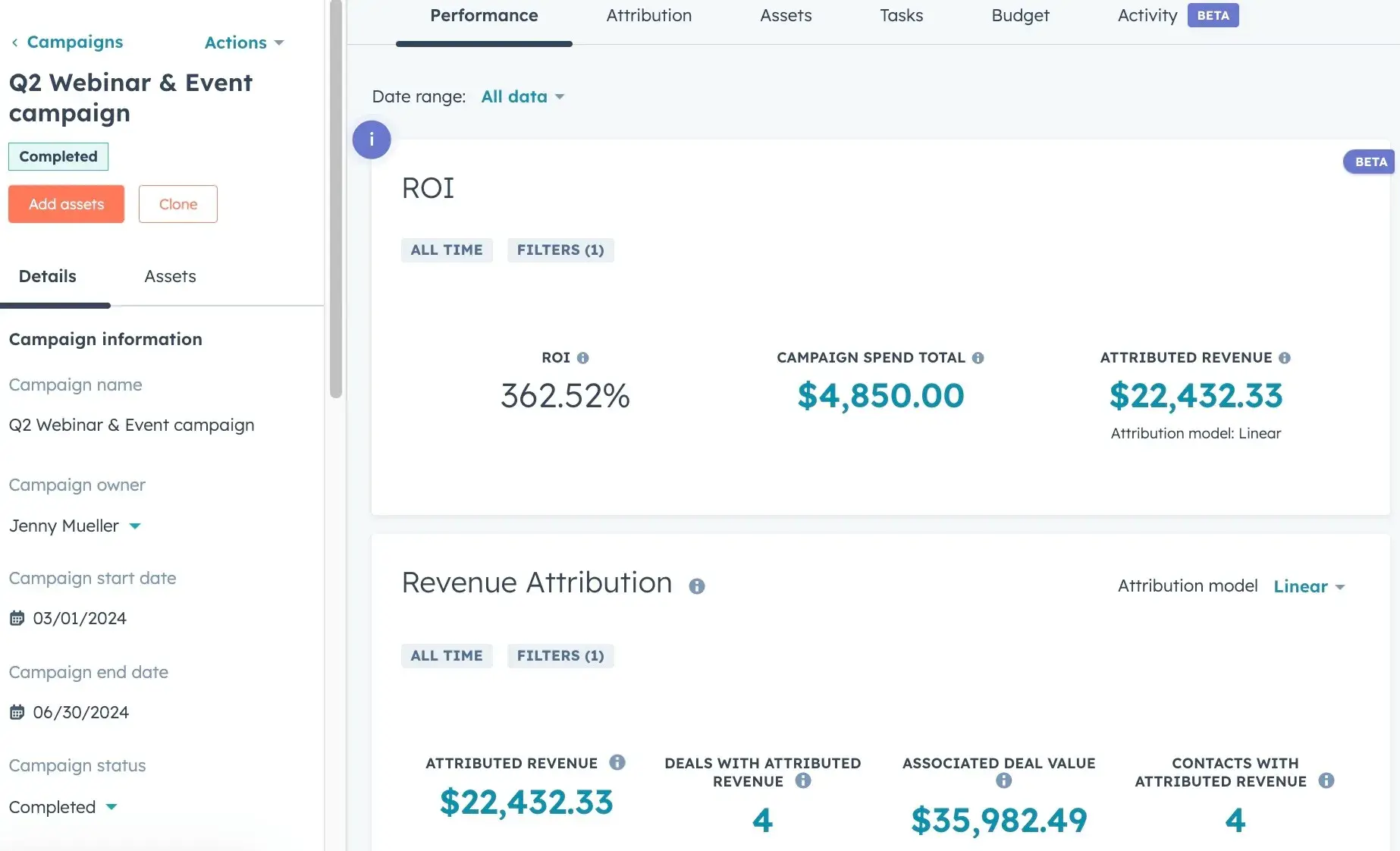
HubSpot’s strengths include its intuitive drag-and-drop interface for building multi-step nurture workflows, triggered by behavior, lifecycle stage, or CRM data. Its campaign management tools provide clear visibility into ROI, campaign spend, and attributed revenue, a significant improvement for those struggling with Pardot’s reporting limitations. User reviews frequently commend HubSpot’s ease of use, effective email marketing, and robust automation features, though some acknowledge a learning curve and occasional feature gaps for highly specialized needs. HubSpot offers a free plan for up to two users, with paid plans starting at a competitive $10 per user per month.
Salesforce Marketing Cloud Next: The Native Salesforce Evolution
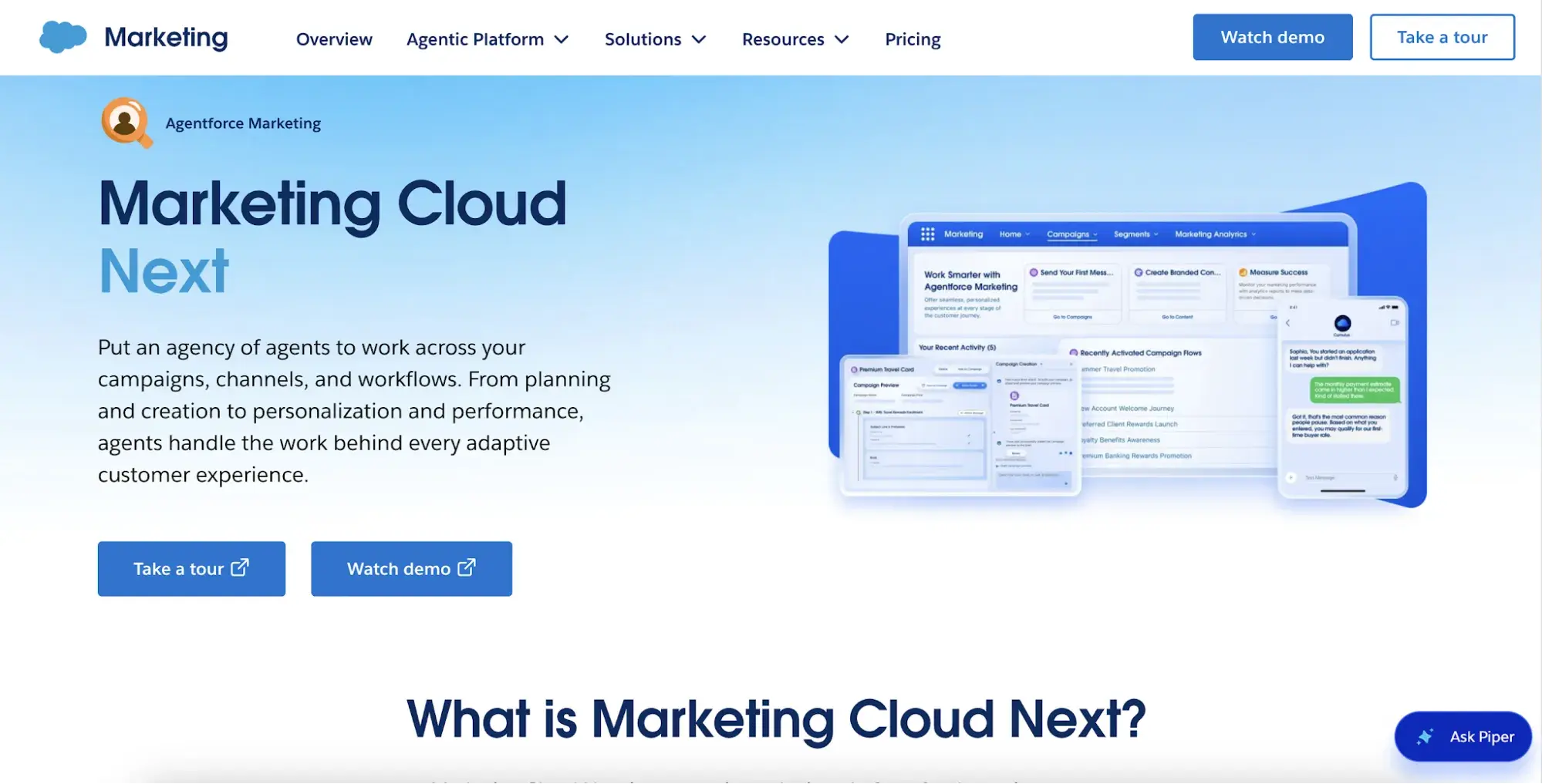
For organizations deeply entrenched within the Salesforce ecosystem, Salesforce Marketing Cloud Next represents the company’s proposed evolutionary path. Built natively on Data Cloud, it aims to eliminate the disconnect inherent in Pardot’s separate system architecture. While this offers a seamless integration for existing Salesforce users, it may not appeal to those actively seeking to reduce their reliance on the Salesforce platform. Marketing Cloud Next is a comprehensive, high-investment solution, best suited for large enterprises committed to the Salesforce universe.
Ryan observes that while Salesforce directs customers towards Marketing Cloud Next, this often triggers a broader technology review. "So it isn’t necessarily that people are blindly going towards Marketing Cloud Next," he explains. "Quite a lot of customers are going. The most common direction is HubSpot." This suggests that even within the Salesforce family, businesses are evaluating their options holistically. Reviews for Agentforce Marketing, which encompasses Marketing Cloud Next, show a divergence of opinion on usability, with some praising its ease of use while others cite complexity and a steep learning curve. Pricing for Marketing Cloud Next begins at $1,500 per organization per month for its Growth Edition.
Adobe Marketo Engage: Enterprise-Grade Sophistication
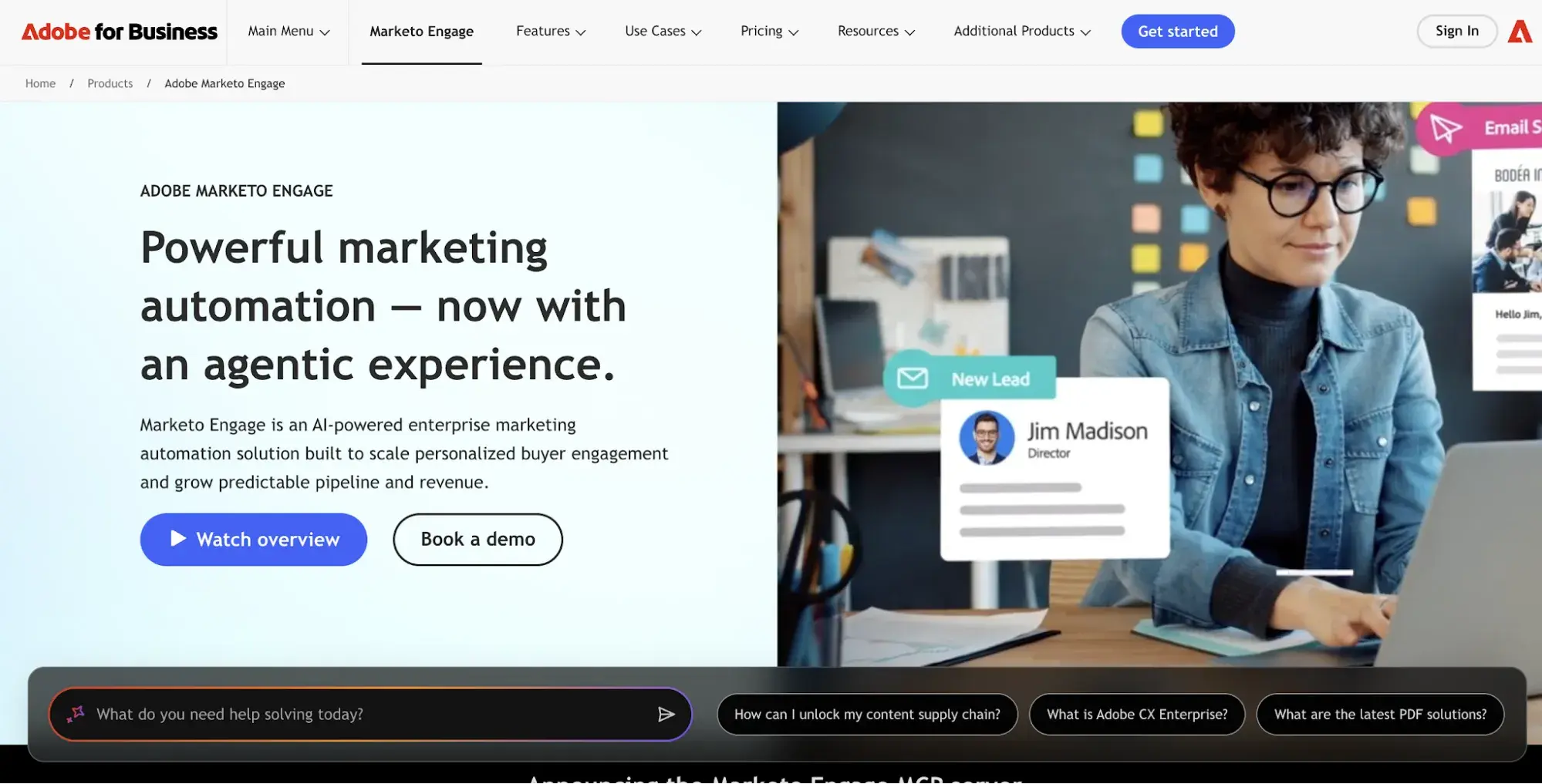
Adobe Marketo Engage is a powerful enterprise marketing automation platform often considered by businesses that have outgrown Pardot’s capabilities. It offers a wealth of features but comes with a higher price tag and a steeper learning curve. Marketo is designed for complex marketing operations, prioritizing feature depth over immediate ease of use. Teams with the resources and technical expertise to invest in its setup and customization may find its advanced functionalities to be a worthwhile trade-off.
Key features of Marketo include its sophisticated lead management, advanced campaign automation, and extensive integration capabilities. Users frequently highlight its automation strengths, though concerns about its learning curve and unintuitive design are also noted. Adobe does not publicly disclose Marketo’s pricing, requiring interested parties to engage in direct consultations to receive a quote. Its AI-powered "conversational interface," which allows for direct code testing within the platform, is a notable advantage for development-focused teams.
ActiveCampaign: AI-Forward Automation with a Lightweight CRM
ActiveCampaign presents itself as an AI-forward marketing automation platform that also incorporates a lightweight CRM. It supports multi-channel automation and offers a native two-way Salesforce sync, making it a compelling option for smaller teams seeking a more streamlined alternative to Pardot’s complexity. A key consideration for scaling businesses is ActiveCampaign’s pricing structure, which can escalate significantly between tiers or due to price increases for existing customers.
The platform’s "active intelligence" feature, enabling users to prompt AI using natural language, is a significant departure from Pardot’s more technical approach. However, user reviews frequently point to reporting as a weakness, with limited features hindering comprehensive analysis. ActiveCampaign’s plans start at $15 per month, with costs rapidly increasing based on contact volume.
Zoho Marketing Automation: Budget-Friendly Integration
Zoho Marketing Automation integrates natively with Zoho’s CRM and across various marketing channels. It leverages customer data for lead scoring, campaign generation, and personalized outreach. As a budget-friendly alternative, Zoho Marketing Automation is particularly attractive to small businesses with straightforward data requirements. While less robust than some of its enterprise-level counterparts, its affordability and integration capabilities make it a viable option for those looking to move away from the Salesforce ecosystem entirely.
Zoho Marketing Automation’s plans start at $19 per month for 1,000 contacts. While users praise its automation solutions, customer service and reporting have been areas of concern in reviews.
Navigating the Migration: A Strategic Approach
The process of migrating from Pardot to a new platform is not merely a technical transfer of data; it’s a strategic undertaking that requires careful planning and execution. Tom Ryan emphasizes that underestimating the "translation factor" is a common pitfall. This involves understanding how core concepts, such as campaign attribution modeling, differ across platforms. A Salesforce campaign, for instance, is a distinct object from a HubSpot campaign, necessitating a thoughtful remapping of these structures.
Ryan outlines a three-tiered priority system for migrations:
- Data and Workflow Translation: This involves mapping existing data fields, translating automation workflows, and ensuring that lead scoring and segmentation models are accurately replicated or improved upon in the new system. The nuances of how campaign hierarchies are structured and managed in Salesforce versus other platforms, for example, must be carefully considered.
- User Training and Adoption: A successful migration hinges on ensuring that the new platform is effectively adopted by the marketing team. Comprehensive training tailored to the specific functionalities of the chosen platform is crucial.
- Phased Rollout and QA: Implementing the new system in stages allows for rigorous quality assurance and minimizes disruption. This approach enables the identification and resolution of any unforeseen issues before a full-scale launch.
With meticulous planning and discovery, Ryan notes that Pardot migrations can be completed in as little as one month, though a typical timeline often extends to two to three months.
Addressing Key Migration Concerns
Several recurring questions arise for businesses contemplating a switch from Pardot:
- Platform Ownership: Pardot is indeed a Salesforce product, rebranded as Marketing Cloud Account Engagement in 2022.
- Migration Timelines: While swift migrations can be accomplished in a month, most typically take two to three months, factoring in comprehensive planning and execution.
- Lead Scoring and ABM Models: Lead scoring and Account-Based Marketing (ABM) models generally cannot be directly ported. Pardot’s out-of-the-box scoring model is unique. However, existing scores and grades can be retained for segmentation purposes, and this transition presents an opportunity to refine and rebuild these models based on accumulated knowledge. Engagement Studio workflows and automations in Pardot also require rebuilding in new systems, making it critical to track prospect journeys to ensure continuity.
- Retaining Salesforce CRM: Businesses can indeed opt to discontinue Pardot while retaining their Salesforce CRM and other Sales Cloud products, as Pardot is billed as a distinct component.
- First-Year Budgeting: When budgeting for a new platform, companies should account for the list price at their current scale, projected growth in users and contacts, and potential onboarding and implementation fees, which can be mandatory for some platforms in the initial year.
The Future of B2B Marketing Automation
The migration from Pardot underscores a broader trend: the imperative for marketing technology to remain agile and responsive to the rapidly evolving marketing landscape. As the industry continues its dynamic trajectory, businesses must prioritize tools that offer not only advanced functionality but also adaptability and a user-centric design. The alternatives to Pardot, each with its distinct strengths and target audience, represent the current vanguard of B2B marketing automation, empowering businesses to navigate the complexities of modern marketing with greater efficiency and efficacy. For organizations seeking to modernize their marketing operations, a thorough evaluation of these platforms, guided by a clear understanding of their strategic objectives, is paramount.
About the Author