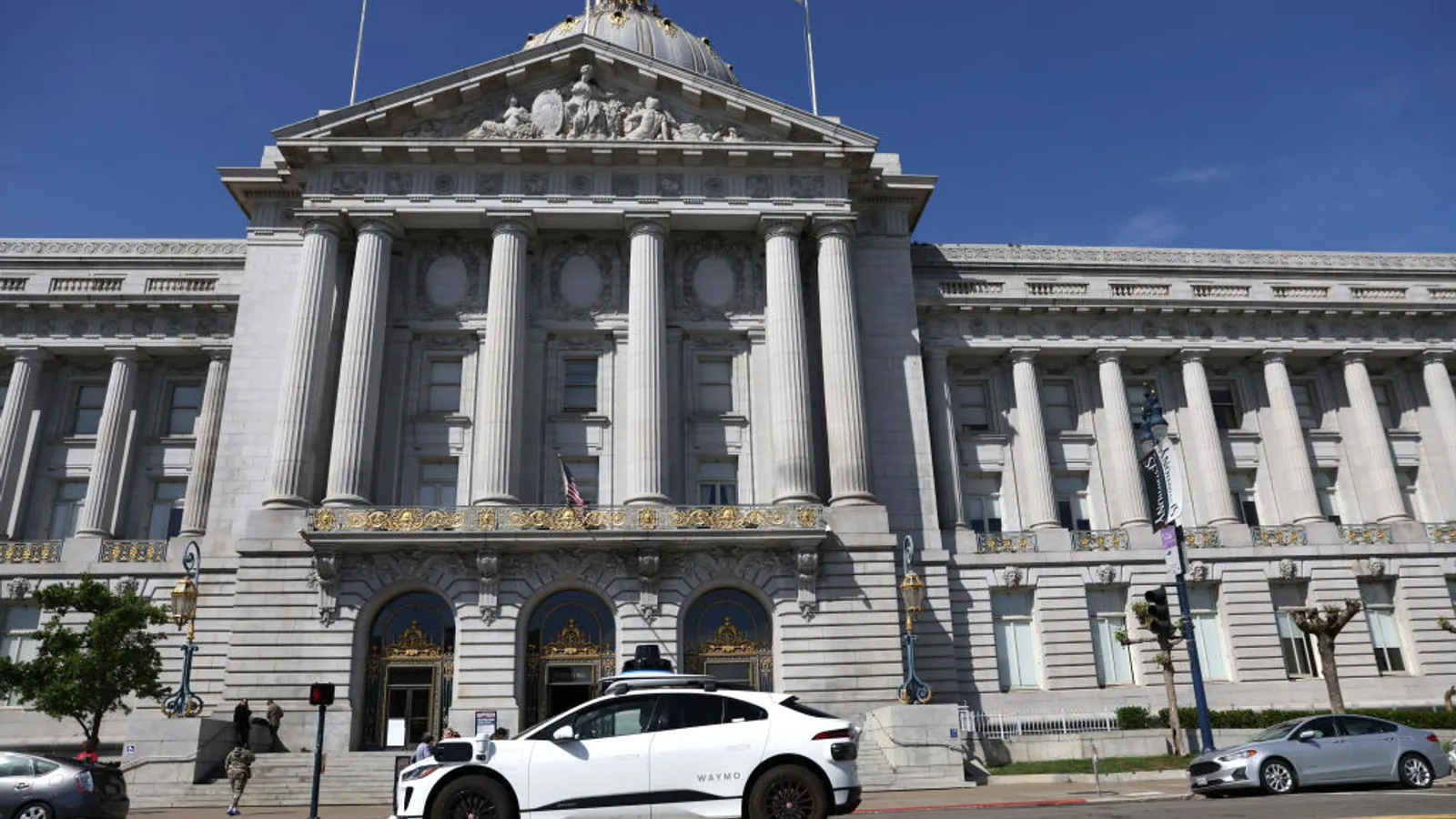
The U.S. Equal Employment Opportunity Commission (EEOC) has initiated a legal action to compel the City and County of San Francisco to comply with an administrative subpoena, stemming from a significant investigation into alleged race and gender discrimination within a mandated diversity, equity, and inclusion (DEI) training program. The agency asserts that city officials have unduly delayed and obstructed its inquiry by failing to produce crucial documents and information, hindering a thorough and timely examination of a former Department of Public Health employee’s complaint.
The Core Allegations: Derogatory Content in DEI Training
The investigation, launched by the EEOC in June 2024, centers on claims made by a former employee of the San Francisco Department of Public Health. This employee alleged being required by her supervisor to attend a series of sixteen four-hour sessions known as "Anti-Racism Fellowship Seminars." These seminars, conducted by an external contractor, are at the heart of the discrimination charge.
According to the EEOC’s petition filed on September 3, 2026, in the U.S. District Court for the Northern District of California, the training instructor allegedly made repeated "derogatory and vitriolic statements" specifically targeting White people and White women. Furthermore, the charging party claimed that the instructor adopted a condescending tone, speaking "down" to her and other female leaders, and suggesting they should adopt a more diminutive speaking style. These allegations form the basis of the discrimination complaint that the EEOC is now attempting to investigate.
A Timeline of Non-Compliance and Escalation
The EEOC’s pursuit of this subpoena enforcement underscores a protracted period of alleged non-compliance by the City and County of San Francisco. The agency’s timeline of interactions with the respondents reveals a pattern of delayed document production and incomplete submissions.
- June 2024: The EEOC initiates its investigation by issuing an initial request for information to the City and County of San Francisco.
- March 2025: Following up on the initial request, the EEOC issues a supplementary request for information, seeking to clarify and expand upon the initial data provided.
- April 2025: Respondents are said to have produced a portion of the requested documents by this deadline. However, the EEOC claims that certain other documents remained withheld.
- April 2025 – August 2026: Despite ongoing communication and reminders from the EEOC, including notifications about deficiencies in the submitted documents, the city allegedly continued to withhold critical information.
- Mid-August 2026: As of this point, the City and County of San Francisco had reportedly still not provided information and documents falling under three key categories outlined by the EEOC:
- All documents pertaining to the instructor’s curriculum and the content of the seminars.
- A searchable electronic database containing the names of all employees who attended or enrolled in the seminars.
- All documents related to any prior investigations or complaints lodged against the instructor.
- September 3, 2026: The EEOC files its petition for enforcement of the administrative subpoena in the U.S. District Court for the Northern District of California. The agency stated that "despite multiple extensions, reminders, and assurances, Respondent has continued to produce documents in fragmented installments that leave substantial gaps in critical categories of information necessary for a timely and thorough investigation."
The EEOC’s Legal Stance and Mandate
The EEOC is a federal agency responsible for enforcing federal laws that make it illegal to discriminate against a job applicant or an employee because of the person’s race, color, religion, sex (including pregnancy, sexual orientation, and gender identity), national origin, age (40 or older), disability, or genetic information. The agency has broad investigative powers, including the authority to issue subpoenas to compel the production of evidence.

When an employer or entity fails to comply with an EEOC subpoena, the agency can seek enforcement in federal court. This particular action highlights the EEOC’s commitment to thoroughly investigating allegations of discrimination, even when faced with resistance in providing necessary information. The enforcement of such subpoenas is critical to ensuring that the EEOC can fulfill its statutory mandate to prevent and remedy unlawful employment discrimination.
San Francisco’s Response and Legal Strategy
Officials representing the City and County of San Francisco have indicated their intention to contest the EEOC’s motion. Jen Kwart, communications director for City Attorney David Chu, stated in an email that San Francisco officials "plan to oppose" the EEOC’s request and "look forward to discussing this matter with the Court." This suggests that the city may argue that its document production has been sufficient, or that the EEOC’s requests are overly broad or burdensome, or that there are other legal grounds to resist enforcement. The court will ultimately decide whether to enforce the subpoena and compel the production of the outstanding documents.
Broader Implications: DEI Training and Legal Scrutiny
This case is part of a growing trend of legal scrutiny surrounding Diversity, Equity, and Inclusion (DEI) initiatives in the workplace. As organizations increasingly implement DEI training programs, allegations of bias, reverse discrimination, or inappropriate content within these programs are becoming more frequent. The EEOC’s involvement in such cases underscores its role in ensuring that these programs, while intended to foster inclusivity, do not themselves become a source of unlawful discrimination.

The EEOC has actively pursued enforcement of administrative subpoenas in several recent investigations where DEI policies have been a central issue. Notably, the agency recently concluded a legal proceeding against Nike after the company provided the requested information in an investigation concerning allegations of anti-White bias within its DEI training. Similarly, in another case involving Northwestern Mutual, a judge ordered the company to comply with the EEOC’s information requests regarding its DEI policies. This followed a charge alleging that the company’s performance metrics led to the unlawful failure to promote a White male employee.
Legal experts have observed that courts are generally inclined to support the EEOC in enforcing subpoenas for information related to DEI probes. Attorneys from Duane Morris, in a virtual presentation in April, indicated that "EEOC is generally likely to succeed in persuading courts to enforce subpoenas for information with respect to its DEI probes." This suggests a legal landscape that often favors the agency’s investigatory powers when confronted with resistance in this area.
The San Francisco case, therefore, carries significant implications not only for the city government and its employees but also for the broader landscape of DEI implementation across the nation. It highlights the potential legal ramifications for mandatory training programs that are perceived to be discriminatory or contain offensive content, and it underscores the EEOC’s vigilant stance in upholding anti-discrimination laws in the context of contemporary workplace initiatives. The outcome of this subpoena enforcement action could further shape how DEI programs are developed, implemented, and scrutinized in public and private sector organizations alike. The city’s defense will likely focus on demonstrating good faith efforts to comply, the reasonableness of the EEOC’s requests, and potentially, the interpretation of the alleged discriminatory statements within the broader context of the training program’s objectives.
About the Author