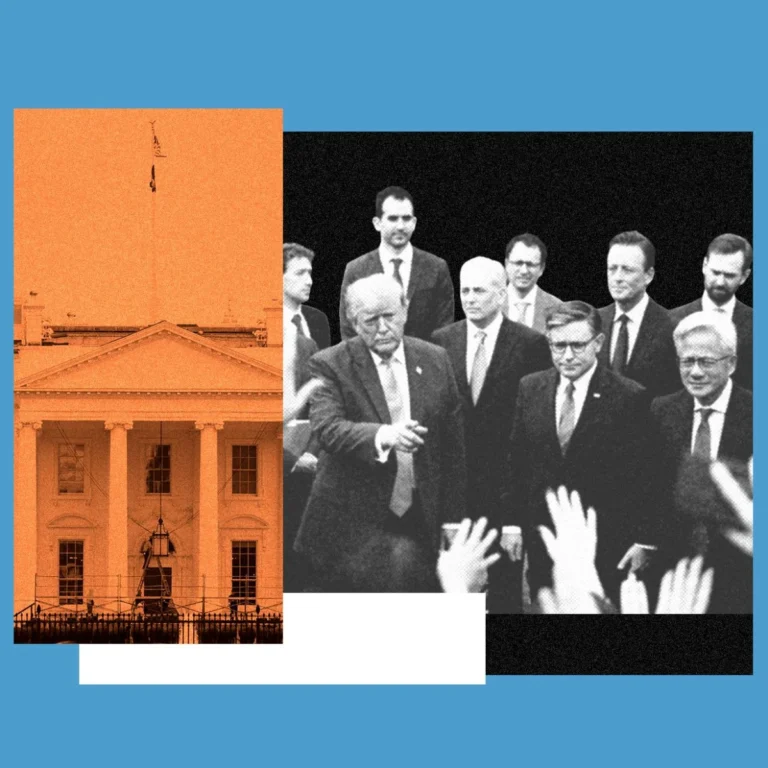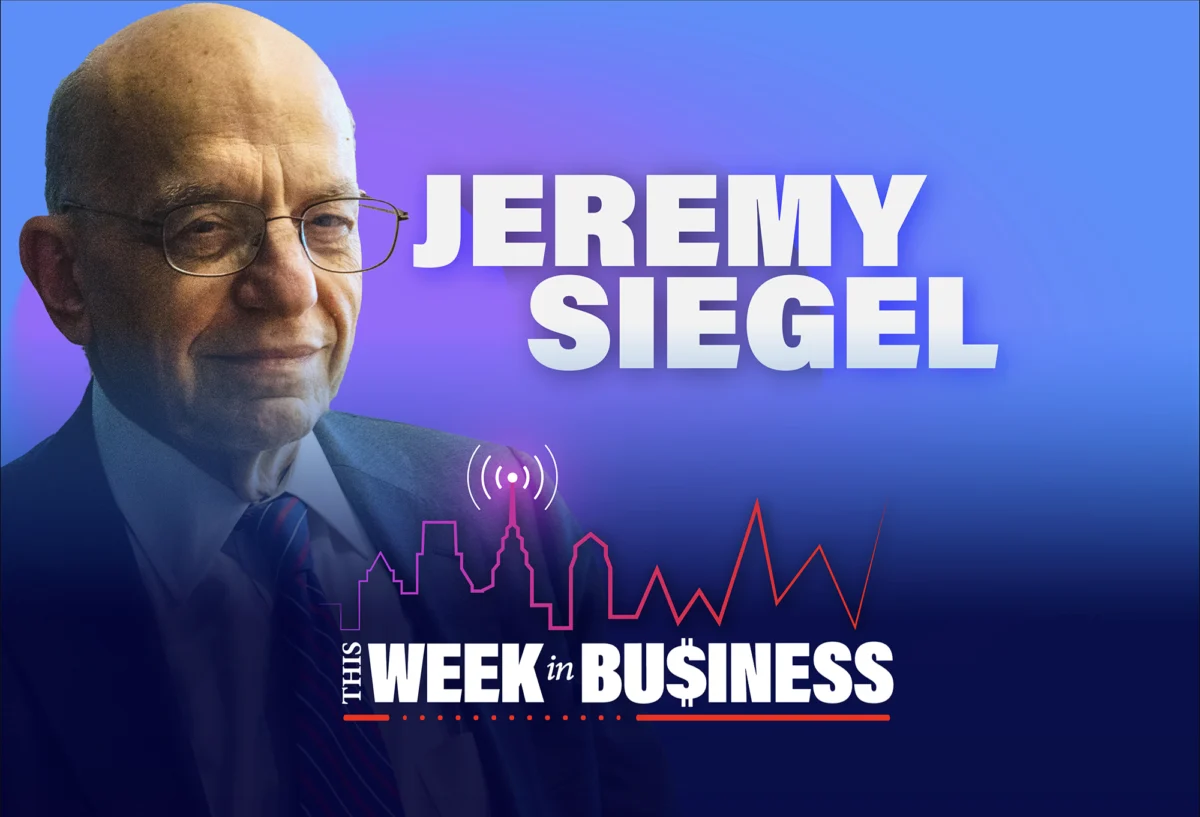
The United States economy and its financial markets are currently navigating a complex landscape shaped by several powerful and often conflicting forces: persistently rising bond yields, the re-emergence of tariff discussions, and an unprecedented surge in artificial intelligence (AI) investment. These developments are not isolated; their interplay creates a dynamic environment that challenges traditional economic models and investor expectations. Understanding their origins, trajectories, and potential implications is crucial for policymakers, businesses, and individuals alike. Jeremy Siegel, the esteemed Wharton emeritus professor of finance and senior economist at WisdomTree, recently weighed in on these critical issues, offering insights into their collective impact on the nation’s economic stability and the future trajectory of equity markets.
The Alarming Ascent of Bond Yields and Fiscal Responsibility
One of the most significant indicators signaling potential concern within the U.S. economy is the sustained increase in Treasury yields. Bond yields, particularly those on longer-dated government securities like the 10-year Treasury note, serve as a critical benchmark for borrowing costs across the entire economy, influencing everything from corporate loans and mortgage rates to the federal government’s own debt servicing expenses. Over the past year, these yields have seen notable volatility, often climbing to multi-year highs. For instance, the 10-year Treasury yield, which had traded below 1% just a few years ago, has frequently approached or exceeded 4.5% in recent periods, reflecting a dramatic repricing of risk and future economic expectations.
Several factors are contributing to this upward pressure on yields. Foremost among them are persistent inflation concerns, which have prompted the Federal Reserve to maintain a restrictive monetary policy stance. While headline inflation has moderated from its peak, core inflation remains sticky, suggesting underlying price pressures. The Fed’s commitment to a "higher for longer" interest rate strategy aims to cool demand and bring inflation back to its 2% target, but it also means borrowing costs will remain elevated. Additionally, the sheer volume of new Treasury issuance required to finance the burgeoning U.S. national debt is a significant supply-side factor. As the government sells more bonds to cover its deficits, it increases the supply in the market, which can depress bond prices and, consequently, push yields higher.
Professor Siegel has underscored that these rising Treasury yields are "signaling concern about U.S. deficits." This assessment is rooted in the alarming trajectory of the nation’s fiscal health. The U.S. national debt has surpassed $34 trillion, and annual budget deficits continue to run in the trillions of dollars. For the fiscal year 2023, the deficit exceeded $1.7 trillion, a substantial increase from the previous year. This persistent imbalance between government spending and revenue raises fundamental questions about long-term fiscal sustainability. Higher interest rates translate directly into greater debt servicing costs for the government, creating a self-reinforcing cycle where deficits grow larger, requiring more borrowing, which in turn can push yields even higher. The Congressional Budget Office (CBO) projects that net interest outlays will be one of the fastest-growing components of the federal budget in the coming years, potentially crowding out other critical spending priorities.
The implications of this fiscal trajectory are profound. For American taxpayers, it means a larger portion of federal revenue is diverted to paying interest rather than investing in infrastructure, education, or defense. For businesses, higher government borrowing can "crowd out" private investment by making capital more expensive and less available. For consumers, the impact is felt through higher mortgage rates, auto loan rates, and credit card interest, dampening purchasing power and economic activity. Siegel’s belief that "Washington may eventually be forced to take action on fiscal policy" reflects a growing consensus among economists that the current path is unsustainable. Potential actions could range from politically challenging spending cuts across various federal programs to politically sensitive tax increases, or a combination of both. The timeline and specifics of such actions, however, remain subject to intense political debate and economic pressures.
The Resurgence of Tariffs and Their Geopolitical Dimensions
Beyond domestic fiscal challenges, the U.S. economy is also grappling with renewed discussions and actions regarding international trade policy, specifically the implementation of new tariffs. While not a novel concept in global commerce, the recent focus on tariffs, particularly those potentially affecting key trading partners like Canada and Mexico, adds another layer of complexity to the economic outlook. Tariffs are essentially taxes on imported goods, intended to protect domestic industries, correct trade imbalances, or exert geopolitical leverage.
The background to recent tariff considerations often traces back to broader shifts in global trade policy, particularly the emphasis on national security and domestic manufacturing resilience. During previous administrations, tariffs were extensively used, notably under Section 232 of the Trade Expansion Act of 1962 (related to national security) and Section 301 of the Trade Act of 1974 (related to unfair trade practices). While specific new tariffs on Canada and Mexico have been subjects of periodic discussion rather than widespread implementation across all sectors, the rhetoric around protecting specific industries, such as steel, aluminum, or automotive components, frequently resurfaces. Such discussions often emerge in response to perceived unfair trade practices, surges in imports, or as leverage in broader economic negotiations.
Professor Siegel specifically addressed "the impact of higher tariffs on Canada and Mexico," highlighting the intricate economic relationship among the North American Free Trade Agreement (NAFTA) successor, the United States-Mexico-Canada Agreement (USMCA). Canada and Mexico are the U.S.’s largest and second-largest trading partners, respectively. In 2023, total trade in goods and services between the U.S. and Canada exceeded $790 billion, while trade with Mexico surpassed $798 billion. These relationships are characterized by deeply integrated supply chains, particularly in the automotive sector, where parts often cross borders multiple times during the manufacturing process before a final product is assembled.
The imposition of new tariffs on these partners could trigger a cascade of economic consequences. For U.S. consumers, tariffs typically translate into higher prices for imported goods, as the cost of the tariff is often passed on. For businesses, they can disrupt established supply chains, increase input costs, and reduce profitability, potentially leading to job losses in import-dependent sectors or those reliant on international components. Furthermore, tariffs risk retaliatory measures from affected countries, leading to trade wars that harm export-oriented U.S. industries. For instance, if the U.S. imposes tariffs on Canadian steel, Canada might retaliate with tariffs on U.S. agricultural products, harming American farmers. Such actions can reduce overall trade volumes, stifle economic growth, and introduce significant uncertainty for businesses engaged in international commerce. Beyond economics, trade disputes can strain diplomatic relations and undermine regional economic cooperation, potentially weakening alliances at a time of geopolitical fluidity.
The AI Revolution and its Market Dominance
In stark contrast to the headwinds posed by rising yields and trade tensions, the U.S. economy is simultaneously experiencing an unprecedented wave of innovation and investment in artificial intelligence. The "soaring AI investment" phenomenon is not merely a tech trend; it is a transformative force reshaping industries, labor markets, and the very structure of the global economy. This surge has been primarily driven by rapid advancements in machine learning, particularly deep learning and generative AI, exemplified by the widespread adoption and capabilities of models like OpenAI’s ChatGPT and similar offerings from tech giants.
The timeline of AI’s accelerated ascent is relatively recent, with significant breakthroughs in the past decade, culminating in a public explosion of interest and investment in late 2022 and 2023. Venture capital funding for AI startups has reached historic levels, with billions of dollars pouring into companies developing everything from foundational models to specialized AI applications. Beyond startups, established technology companies are investing massive amounts in AI research and development, acquiring AI talent, and integrating AI capabilities into their core products and services. Companies like NVIDIA, a dominant player in AI-enabling graphics processing units (GPUs), have seen their market capitalization surge into the trillions, reflecting intense investor confidence in the long-term potential of AI. Other tech titans such as Microsoft, Google, Amazon, and Meta are similarly committing vast resources, driving a new era of technological competition and innovation.
Professor Siegel highlighted the "extraordinary performance of AI-related companies" as a defining characteristic of recent market trends. Indeed, the stock market gains of companies perceived to be at the forefront of AI development have been staggering, often outpacing the broader market indices by significant margins. This performance is fueled by the promise of AI to deliver substantial productivity gains, create entirely new markets, and revolutionize existing industries from healthcare and finance to manufacturing and entertainment. The potential for AI to automate tasks, optimize processes, generate novel content, and accelerate scientific discovery has captivated investors, leading to substantial re-ratings of companies positioned to benefit from this technological paradigm shift.
The broader economic implications of the AI revolution are multi-faceted. On the one hand, AI promises to be a powerful engine for economic growth, boosting productivity, reducing costs, and fostering innovation. This could lead to higher wages, increased corporate profits, and an overall improvement in living standards. On the other hand, there are significant concerns about potential job displacement, as AI automates tasks previously performed by humans, raising questions about workforce retraining and the future of work. Ethical considerations, such as bias in AI algorithms, data privacy, and the responsible deployment of powerful AI systems, are also central to the ongoing discussion. Governments worldwide are beginning to grapple with the need for regulation that fosters innovation while mitigating risks, a complex balancing act that will shape the future trajectory of AI development and its integration into society.
Navigating the Stock Market’s Resilience and Future Outlook
Against this backdrop of fiscal challenges, trade uncertainties, and technological revolution, the U.S. stock market has demonstrated remarkable resilience. Despite persistent inflation, aggressive interest rate hikes by the Federal Reserve, and geopolitical tensions, major indices have often defied expectations, avoiding a deeper or prolonged downturn and, at times, pushing towards new highs. Professor Siegel noted this "resilience of the stock market," attributing it in part to the robust performance of AI-related companies, which have disproportionately driven much of the recent market gains. The concentration of market capitalization and performance in a relatively small number of mega-cap tech companies, often referred to as the "Magnificent Seven," has been a defining feature of this period.
The question of "what could determine whether equities reach new highs in the months ahead" is paramount for investors. Siegel’s analysis points to several critical factors that will shape the market’s trajectory:
- Inflation and Federal Reserve Policy: The persistence of inflation and the Fed’s response remain central. If inflation proves more stubborn than anticipated, the Fed may be compelled to maintain higher interest rates for longer, or even consider further hikes, which would increase the cost of capital and dampen corporate earnings growth. Conversely, a clear and sustained deceleration in inflation could pave the way for interest rate cuts, providing a tailwind for equity valuations.
- Corporate Earnings Growth (Beyond AI): While AI companies have seen extraordinary growth, the broader market’s ability to reach new highs will depend on the performance of a wider range of sectors. Sustained corporate earnings growth across the economy, driven by healthy consumer spending, business investment, and productivity improvements (potentially from AI adoption), is essential. Any significant slowdown in aggregate earnings could cap market upside.
- Fiscal Policy and Government Debt: The market will closely watch how Washington addresses its burgeoning deficits. A credible plan to rein in government spending or increase revenues could instill confidence, potentially stabilizing bond yields and reducing long-term economic uncertainty. Conversely, a perceived lack of fiscal discipline could lead to continued upward pressure on bond yields, higher debt servicing costs, and increased concerns about the nation’s financial stability, creating a drag on equity markets.
- Consumer Spending and Economic Resilience: Consumer spending accounts for a significant portion of U.S. economic activity. The resilience of the American consumer, supported by a strong labor market and relatively healthy balance sheets, has been a key factor preventing a recession. Any weakening in consumer confidence or a significant increase in unemployment could signal an economic slowdown, impacting corporate revenues and earnings.
- Geopolitical Stability and Trade Policy: Escalating trade tensions, particularly if they lead to widespread tariffs and retaliatory measures, could disrupt global supply chains, increase input costs for businesses, and reduce corporate profitability. Broader geopolitical instability also introduces uncertainty, which investors typically abhor, potentially leading to risk aversion and capital flight from equities.
- AI Integration and Productivity Gains: The long-term impact of AI on productivity and economic growth will be crucial. If AI translates into widespread efficiency gains and new economic opportunities across various sectors, it could provide a powerful, sustained boost to corporate earnings and overall economic expansion, justifying higher equity valuations. However, if the benefits are too concentrated, or if regulatory hurdles and ethical concerns impede widespread adoption, the market impact could be more limited or uneven.
In conclusion, the U.S. economy and financial markets are at an inflection point, simultaneously grappling with the profound implications of rising bond yields driven by fiscal concerns, the potential disruption of new trade tariffs, and the transformative power of artificial intelligence. Jeremy Siegel’s insights underscore the interconnectedness of these forces. The market’s ability to not only maintain its current levels but also ascend to new highs will depend on a delicate balance: the Federal Reserve’s navigation of inflation, Washington’s commitment to fiscal prudence, the measured application of trade policy, and the successful integration of AI’s revolutionary potential across the economic spectrum. Investors and policymakers alike must remain vigilant, adapting to a landscape where traditional economic indicators are increasingly influenced by rapid technological advancements and evolving geopolitical realities. The coming months will be critical in determining whether the U.S. economy can harness these powerful currents to achieve sustained prosperity or whether it will be buffeted by their combined force.
About the Author