The formidable challenge of integrating artificial intelligence into everyday business operations, a hurdle faced by nearly every company today, is a familiar one for industrial titan Caterpillar. For decades, the heavy machinery manufacturer has grappled with the complexities of deploying advanced technology within the physical realm, a deep wellspring of experience it is now strategically leveraging to spearhead its artificial intelligence initiatives. This unique foundation in the tangible world of heavy equipment is providing Caterpillar with a distinct advantage as it navigates the burgeoning landscape of AI, from autonomous mining operations to enterprise-wide software development and employee training.
Pioneering Autonomy: From Mining to Dynamic Job Sites
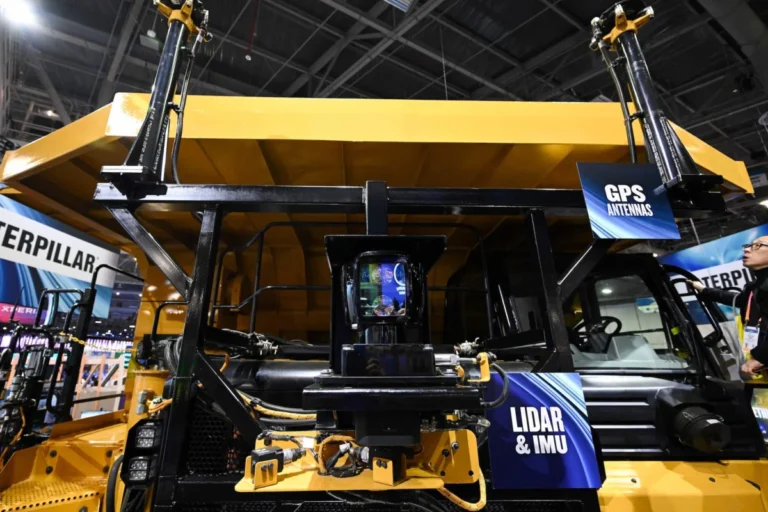
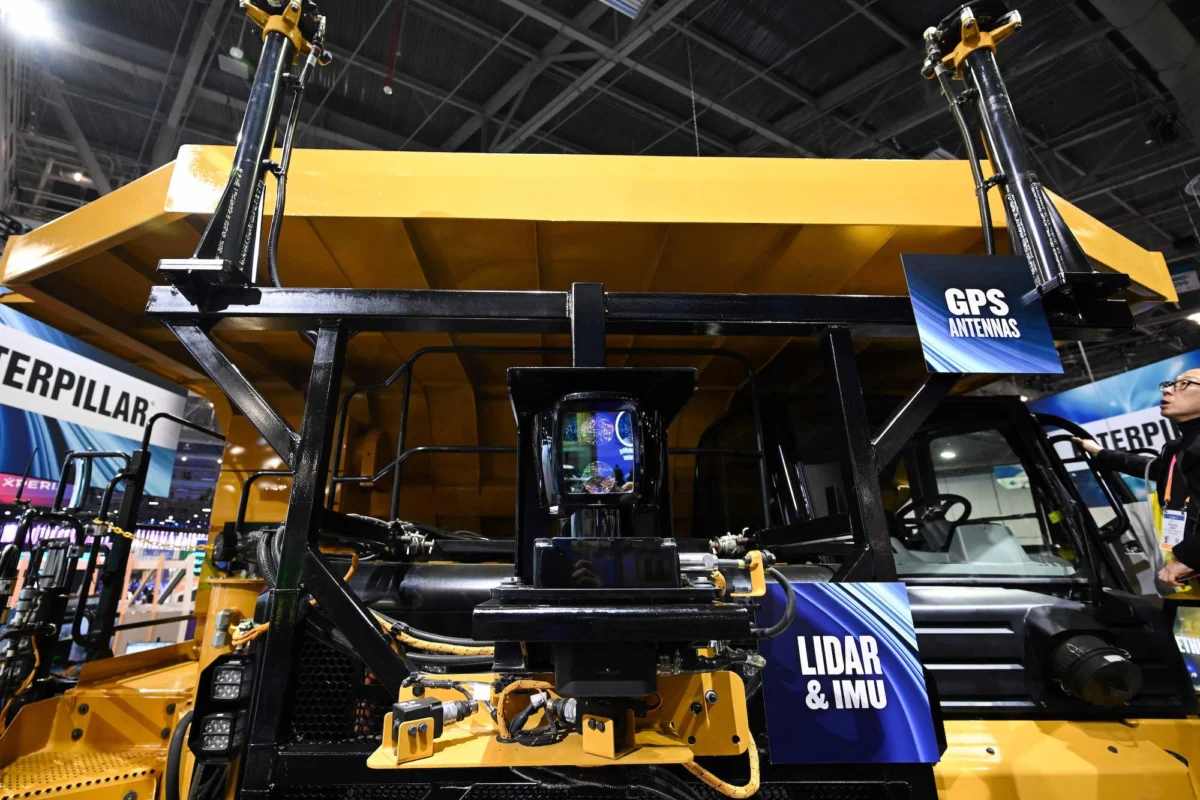
Caterpillar’s journey into the realm of automation began with a clear focus on the mining industry, a sector acutely impacted by labor shortages and inherently hazardous working conditions, making automation a particularly compelling solution. Over the years, the company has established a robust portfolio of automated and remote-controlled equipment. This includes autonomous haul trucks, drilling machinery, underground loaders, and dozers, alongside remote-controlled construction equipment designed to enhance safety and efficiency in demanding environments. Beyond the hardware, Caterpillar has developed a comprehensive autonomous toolkit that encompasses sophisticated software command centers, fleet management systems, and even remote terrain intelligence capabilities, all aimed at optimizing the operation of these advanced machines.
This extensive experience in automating complex physical tasks has laid the groundwork for Caterpillar’s current AI push. Jaime Mineart, Caterpillar’s Chief Technology Officer, articulated this transition during a fireside chat at the Ai4 conference held in Las Vegas earlier this month. "Now we’re in this super exciting time where we can take all of that learning from mining and bring it into much more dynamic environments, jobsites, quarries, and construction sites," Mineart stated, underscoring the company’s ambition to broaden the application of its automation expertise. This marks a significant evolution from the controlled, often predictable environments of large-scale mining operations to the more variable and unpredictable conditions encountered in construction and quarrying.
The Cat AI Assistant: Empowering Technicians with Intelligent Support
Beyond the large-scale automation of heavy machinery, Caterpillar is now applying AI more broadly to empower its own workforce and its customers’ technicians. A prime example of this is the Cat AI Assistant. This innovative tool allows field technicians, standing directly beside a piece of equipment, to utilize voice commands to access critical information. They can instantly pull up repair procedures, diagnose potential problems, and identify necessary parts before commencing any work. Mineart confirmed that the Cat AI Assistant is already in active use by customers, operators, and technicians, signaling a practical and immediate impact of AI on service and maintenance operations.
The intelligence powering the Cat AI Assistant is derived from Caterpillar’s vast repository of proprietary data. This data is generated by its extensive network of connected machines, which are constantly transmitting operational information. Caterpillar boasts an impressive global footprint of approximately 1.6 million connected assets. Cumulatively, these assets generate over 16 petabytes of structured data, a treasure trove of real-world operational insights that is instrumental in training and refining AI models. This data-driven approach ensures that the AI assistant is not only providing generic information but is offering contextually relevant and accurate support based on the actual performance and history of Caterpillar equipment.
AI Across the Enterprise: From Digital Twins to Software Modernization
Caterpillar’s AI integration extends far beyond customer-facing tools. The company is actively employing AI to enhance its manufacturing processes and enterprise operations. This includes the development of software solutions that scan job sites and generate digital twins. These detailed virtual replicas of physical assets and environments are then analyzed using AI to identify inefficiencies, optimize workflows, and predict potential issues within manufacturing operations.
Furthermore, mirroring the AI adoption trends across the corporate world, Caterpillar is integrating AI into its internal software development lifecycle. Mineart highlighted the use of AI agents to modernize legacy code, a critical task for any established industrial company with a long history of software development. These agents are also instrumental in generating and testing new software applications, as well as identifying defects at an earlier stage of development, thereby improving software quality and accelerating delivery. This broad application of AI underscores Caterpillar’s commitment to leveraging the technology across its entire value chain, from the factory floor to the digital realm.
The Human Element: Rethinking Workflows and Investing in the Workforce
While the development and deployment of AI technology are significant achievements, Mineart was quick to emphasize that building the technology is only one piece of the puzzle. The true challenge, she noted, lies in the seamless integration of AI into the customer’s jobsite and existing workflows. "The hard part about autonomy and about physical AI is incorporating that technology into the customer jobsite and into the workflows," Mineart explained. This highlights a crucial understanding within Caterpillar: the successful adoption of AI hinges not just on technological prowess but on a fundamental rethinking of how work is performed.
This transformation requires a deep consideration of how human workers will interact with increasingly autonomous and intelligent machines. It necessitates a re-evaluation of established processes and a willingness to adapt operational strategies. Caterpillar’s approach to this challenge involves a deliberate strategy of leveraging the invaluable expertise of its experienced operators. These individuals, with their decades of hands-on knowledge, are crucial in training and validating AI systems. Their insights help ensure that AI solutions are not only technically sound but also practically applicable and aligned with the realities of on-site operations.
As machines become more autonomous, a paradigm shift is occurring for operators. The traditional role of controlling a single machine is evolving towards overseeing multiple machines simultaneously from the enhanced vantage point of a remote command center. This transition promises increased efficiency and safety but also presents a significant challenge for Caterpillar: the need to equip its vast workforce with the skills required for this new era of intelligent automation.
A Monumental Investment in Future Skills
Recognizing the profound impact of AI and autonomy on its workforce, Caterpillar is making a substantial investment in employee training. Mineart announced that the company plans to allocate $100 million over the next five years to upskill its global workforce. This significant financial commitment is dedicated to providing comprehensive training in artificial intelligence, autonomy, and robotics. The objective is to ensure that Caterpillar’s 118,000 employees are well-prepared to thrive in an increasingly automated industrial landscape, enabling them to adapt to new roles and harness the full potential of these transformative technologies. This proactive investment in human capital is a testament to Caterpillar’s forward-thinking approach to technological integration, acknowledging that the success of AI deployment is intrinsically linked to the capabilities of its people.
Riding the AI Infrastructure Boom: A Boon for Caterpillar’s Bottom Line
Caterpillar’s strategic embrace of AI and automation appears to be well-timed, coinciding with a broader surge in AI infrastructure development. This macro trend is already having a tangible positive impact on the company’s financial performance. In the second quarter, Caterpillar reported an all-time high quarterly revenue of $20.5 billion. A significant contributor to this record-breaking figure was the robust demand for power-generation equipment, particularly for data centers that are the backbone of cloud computing and generative AI infrastructure.
The company’s power-generation division experienced a remarkable surge in sales, with a 72% spike to $3.10 billion. This strong performance directly reflects the insatiable appetite for the computing power required to support the burgeoning AI ecosystem. Caterpillar CEO Joe Creed echoed this sentiment, stating, "no one is slowing down" when it comes to the demand for cloud computing and generative AI infrastructure. This underscores Caterpillar’s dual role: not only is it a provider of the physical infrastructure for these operations (heavy machinery for construction and resource extraction), but it is also a key supplier of the power systems that enable the digital infrastructure powering AI.
Implications for the Industrial Sector and Beyond
Caterpillar’s strategic pivot towards AI integration, underpinned by its extensive experience in physical automation, offers a compelling case study for other industrial giants. The company’s success in leveraging decades of expertise in complex machinery and operations to navigate the AI landscape demonstrates that the challenges of AI deployment are not insurmountable. By focusing on practical applications, such as the Cat AI Assistant, and by making substantial investments in workforce training, Caterpillar is setting a precedent for how established industries can embrace and benefit from artificial intelligence.
The implications of Caterpillar’s AI strategy extend beyond its own operations. As the company refines its autonomous solutions and AI-powered tools, it is contributing to the broader advancement of industrial automation. This has the potential to drive significant gains in productivity, safety, and efficiency across sectors like construction, mining, and infrastructure development. Moreover, Caterpillar’s role as a supplier of critical power generation equipment for data centers highlights the interconnectedness of the physical and digital economies. The growth of AI is fueling demand for both the hardware that powers data centers and the heavy machinery that builds the world around us. Caterpillar, by strategically positioning itself at the intersection of these two powerful trends, is poised for continued growth and influence in the evolving global economy. The company’s journey serves as a powerful reminder that embracing innovation, coupled with a deep understanding of one’s core competencies, can pave the way for sustained success in the face of technological disruption.
About the Author