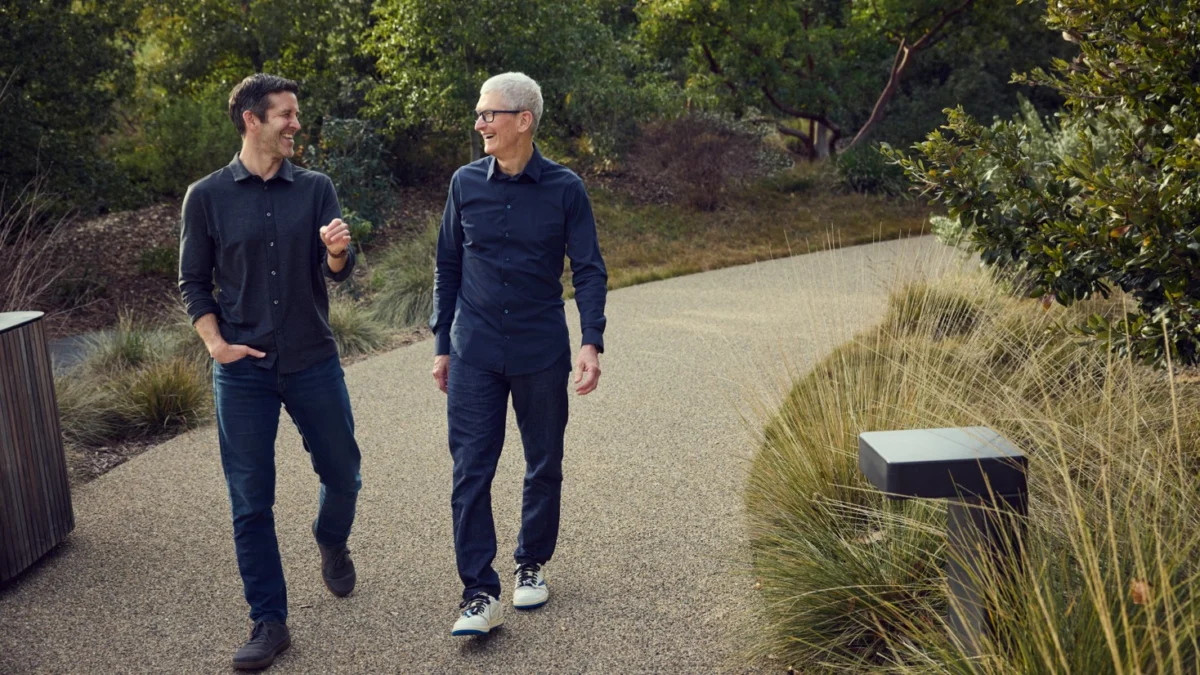
On his final day as Apple CEO, Tim Cook orchestrated a significant leadership transition, officially handing the reins of the technology giant to John Ternus, the company’s Senior Vice President of Hardware Engineering. In a poignant memo to Apple employees, Cook not only reaffirmed his continued commitment to the company in a new capacity but also offered a resounding endorsement of his successor, highlighting Ternus’s profound understanding of product development. "Few people understand what it takes to build products that change the world the way John does," Cook stated, signaling a strategic emphasis on hardware innovation for Apple’s next chapter. Cook will transition to the role of Executive Chairman, a position that will allow him to remain deeply involved in the company’s strategic direction, particularly in areas of government relations and international affairs.
The elevation of John Ternus to the chief executive role is widely interpreted as a strategic move by Apple, suggesting a deliberate pivot towards a renewed focus on hardware excellence and product execution. Ternus, a veteran of Apple’s hardware engineering division, has been instrumental in the development and launch of numerous high-profile products. His tenure has seen the successful introduction of devices such as the ultra-thin iPhone Air, the cost-effective MacBook Neo, and AirPods equipped with advanced hearing health features. He has overseen the hardware engineering efforts across Apple’s entire product spectrum, from iPhones and Macs to iPads and wearables. This deep-seated expertise in physical product creation is seen as a critical asset as Apple navigates the evolving technological landscape.
The timing of this leadership change also underscores the increasing importance of hardware in the burgeoning era of artificial intelligence. Beyond the development of sophisticated chips, the devices through which consumers and enterprises interact with AI are paramount. Apple’s recent product release cadence, including earlier-than-usual introductions of its Mac mini and Mac Studio models in response to surging AI demand, exemplifies this trend. The ability to seamlessly integrate cutting-edge AI capabilities into user-friendly and powerful hardware will be a defining characteristic of future technological advancements, a domain where Ternus’s expertise is expected to shine.
Cook’s internal memo, widely disseminated and reported by various news outlets including Bloomberg, offered a reflective and gratitude-filled farewell to his CEO tenure. While it offered little in the way of explicit future strategies regarding AI, services, regulatory challenges, or geopolitical complexities, it eloquently articulated Cook’s profound appreciation for his time leading Apple and underscored the enduring strength of the company’s unique culture. He emphasized a shared belief within Apple that "what we build matters and that we have both the opportunity and the responsibility to leave the world better than we found it." This sentiment directly echoed the iconic philosophy of Apple co-founder Steve Jobs, who famously spoke of leaving a "dent in the universe." Cook attributed Apple’s ability to achieve this to its core identity, its deeply held beliefs, its values, and its distinct worldview.
A Legacy of Leadership: Tim Cook’s Tenure
Tim Cook’s eleven-year tenure as CEO of Apple, which began in August 2011, has been a period of unprecedented growth and transformation for the company. Taking the helm after the passing of Steve Jobs, Cook was tasked with maintaining and expanding upon the legacy of innovation and market dominance. Under his leadership, Apple’s market capitalization surged from approximately $350 billion to over $2 trillion, making it one of the most valuable companies in the world. This remarkable financial growth was driven by a consistent stream of successful product launches, including the Apple Watch, AirPods, and significant iterations of the iPhone and Mac lineups.
Cook’s operational acumen and supply chain expertise were foundational to Apple’s sustained success. He meticulously managed and optimized Apple’s complex global operations, ensuring the efficient production and distribution of millions of devices worldwide. Beyond operational excellence, Cook also steered Apple into new service-based revenue streams, including Apple Music, Apple TV+, iCloud, and Apple Arcade, diversifying the company’s income and further solidifying its ecosystem. Furthermore, he championed Apple’s commitment to environmental sustainability and social responsibility, initiatives that have become integral to the company’s brand identity.
The Ascent of John Ternus: A Hardware Visionary
John Ternus’s journey to the CEO position has been marked by a steady rise through Apple’s engineering ranks. Before assuming leadership of hardware engineering, Ternus held various key roles within the division, contributing to the design and development of critical components and systems. His deep understanding of the intricate processes involved in bringing physical products to market, from initial concept to mass production, has been a hallmark of his career at Apple.
His recent leadership over the development of devices like the iPhone Air, MacBook Neo, and the latest AirPods demonstrates a forward-looking approach to product innovation. The iPhone Air, lauded for its exceptionally thin profile and advanced display technology, represents a commitment to pushing the boundaries of mobile design. The MacBook Neo, positioned as a more accessible yet powerful laptop, aims to broaden Apple’s reach in the competitive personal computing market. The integration of hearing health features into AirPods showcases a growing emphasis on health and wellness technology, a trend that is increasingly influencing consumer electronics.
Ternus’s appointment is particularly significant in light of the evolving demands of the AI era. The performance and capabilities of AI applications are intrinsically linked to the underlying hardware. Powerful processors, efficient battery life, advanced display technologies, and robust connectivity are all crucial for delivering a seamless AI experience. Ternus’s proven ability to innovate and execute in these hardware domains positions Apple to capitalize on the opportunities presented by AI, ensuring that its devices are not only capable of running AI but also enhancing the user experience through intelligent hardware design.
A Farewell and a Look Ahead: Tim Cook’s Final Memo
Tim Cook’s farewell memo to Apple employees was a deeply personal and emotional reflection on his time as CEO. He expressed immense gratitude for the opportunity to lead such an extraordinary team, acknowledging that his successes were a direct result of the collective efforts of the employees. "You have brought out the best in me," he wrote, highlighting the synergistic relationship between leadership and the workforce.
Cook reiterated his belief in Apple’s unique culture, describing it as the company’s most valuable asset. He emphasized the shared commitment to building products that matter and the responsibility to contribute positively to the world. This sense of purpose, he noted, is intrinsic to the Apple team, predating their arrival at the company and fueling their daily work. He invoked the spirit of innovation and impact championed by Steve Jobs, stating that Apple’s ability to "leave our ‘dent in the universe’" is a testament to its people, their beliefs, their values, and their perspective on the world.
While stepping down from the CEO role, Cook assured employees that he was not leaving Apple. He expressed confidence in John Ternus’s leadership, calling him "brilliant and wonderful and capable." Cook’s decision to transition to Executive Chairman will allow him to continue influencing Apple’s strategic direction, particularly in navigating complex political and governmental landscapes. His experience in managing relationships with key international governments, including the United States and China, will remain invaluable to the company.
On social media platform X (formerly Twitter), Cook shared a public message expressing his affection for the Apple community. "Sending lots of love to the Apple community on my last day as CEO," he posted. "My title changes tomorrow, but the love I have for the Apple community never will. Thank you for being a constant source of inspiration. My gratitude is endless, and I’m excited for the next chapter!"
Broader Implications and Future Outlook
The leadership transition at Apple marks a significant moment for the technology industry. Under Tim Cook’s CEO tenure, Apple solidified its position as a global powerhouse, synonymous with innovation, quality, and a robust ecosystem. The appointment of John Ternus, a hardware engineering leader, signals a strategic continuation of Apple’s commitment to product excellence, particularly in the context of rapidly advancing technologies like artificial intelligence.
The emphasis on hardware is a pragmatic response to the evolving technological landscape. As AI becomes more integrated into everyday life, the physical devices that enable these experiences will play an increasingly crucial role. Apple’s ability to innovate in chip design, device form factors, and user interface integration will be paramount in maintaining its competitive edge. Ternus’s background suggests a deep understanding of these critical hardware aspects, positioning him to lead Apple through this next phase of technological evolution.
Furthermore, Cook’s continued involvement as Executive Chairman provides a crucial element of continuity and strategic oversight. His experience in managing global relationships and navigating complex regulatory environments will be vital for Apple as it continues to operate on a global scale. This dual leadership structure, with Ternus at the operational helm and Cook providing strategic guidance, could offer Apple a unique advantage in managing both day-to-day execution and long-term vision.
The company’s commitment to its core values, as articulated in Cook’s memo, suggests that despite leadership changes, Apple’s fundamental ethos of innovation, quality, and positive societal impact will likely endure. The focus on building products that "change the world" and leave the world "better than we found it" remains a powerful guiding principle. As Apple embarks on this new chapter under John Ternus, the industry will be watching closely to see how its hardware-centric approach, combined with its enduring cultural strengths, will shape the future of technology. The integration of AI into its product lines, the development of new device categories, and its continued influence on global technology trends will be key indicators of its ongoing success.
About the Author