The digital landscape is grappling with an unprecedented crisis of trust, a direct consequence of the rapid proliferation of sophisticated AI-generated text and imagery. This surge in synthetic content is no longer confined to speculative online discussions or niche social media feeds; it has infiltrated critical domains such as job applications, product reviews, and even sensitive insurance claims, leaving individuals, platforms, and institutions struggling to discern authenticity from fabrication. In response to this escalating challenge, a new generation of technology startups is emerging, aiming to establish a crucial "trust layer" for the internet. Among these pioneers, Pangram has distinguished itself, recently securing a substantial $9 million in funding for its advanced AI detection system and forging a significant partnership with content platform Substack, marking a pivotal moment in the ongoing battle for digital veracity.
The Escalating Challenge of Digital Deception: A Crisis of Trust
The advent of highly accessible and powerful generative artificial intelligence models, such as advanced large language models (LLMs) and sophisticated image generation tools, has fundamentally altered the information ecosystem. What began as a technological marvel capable of producing realistic text, images, and even videos has quickly evolved into a double-edged sword. While these tools offer immense potential for creativity, productivity, and accessibility, they also present significant risks, particularly concerning misinformation, fraud, and the erosion of public trust.
Industry analysts estimate that by late 2025, over 30% of online content could contain elements generated or significantly altered by AI, a stark increase from negligible figures just a few years prior. This explosion of synthetic media is not merely an inconvenience; it poses substantial threats across various sectors. In academia, the ease of generating essays and research papers raises alarms about plagiarism and the integrity of educational institutions. For businesses, AI-fabricated product reviews can mislead consumers and damage brand reputation, while deepfakes and manipulated images can be weaponized in smear campaigns or financial fraud. The insurance industry, as highlighted by recent incidents, faces a daunting task in verifying claims when supporting evidence, such as accident photos or personal statements, can be expertly counterfeited by AI. A recent survey indicated that nearly 70% of internet users express growing concern about distinguishing real from AI-generated content, underscoring the widespread anxiety permeating the digital space.
The challenge is further compounded by the constantly evolving sophistication of AI models. As detection technologies improve, so too do the generative models, creating an ongoing "arms race" between creation and verification. This dynamic necessitates continuous innovation from companies striving to build the foundational trust layers required for a healthy digital environment.
Pangram’s Technological Edge: Pioneering the "Trust Layer"
Pangram has rapidly positioned itself at the forefront of this crucial technological arms race. Its recent $9 million funding round, supported by a consortium of leading venture capital firms, underscores investor confidence in the company’s proprietary AI detection capabilities and its strategic vision. This capital injection is earmarked for accelerating research and development, expanding the company’s engineering team, and scaling its infrastructure to meet the burgeoning demand for robust content verification solutions.
At its core, Pangram’s system employs a multi-faceted approach to identify AI-generated content. For text, it analyzes nuanced linguistic patterns, stylistic inconsistencies, statistical anomalies, and contextual clues that often betray machine authorship, even when the output appears human-like. This goes beyond simple keyword analysis, delving into the deeper structural and semantic characteristics of language. Similarly, its newly launched AI image detection tool scrutinizes visual content for tell-tale digital artifacts, inconsistencies in lighting or perspective, and patterns that are characteristic of synthetic generation processes. This capability is particularly vital in an era where deepfake technology can produce highly convincing, yet entirely fabricated, visual narratives.
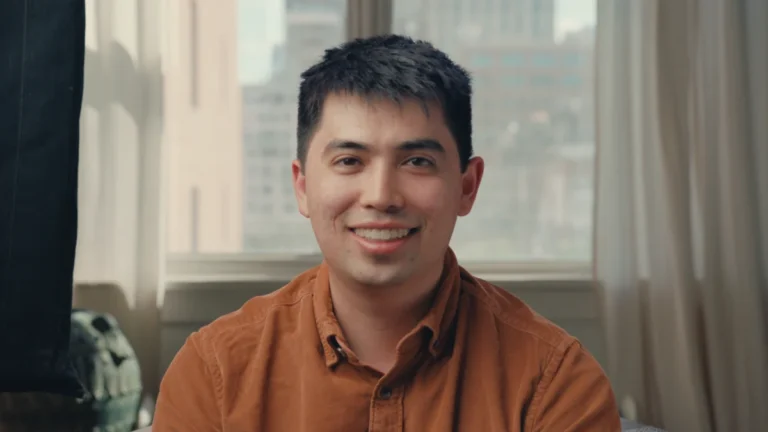
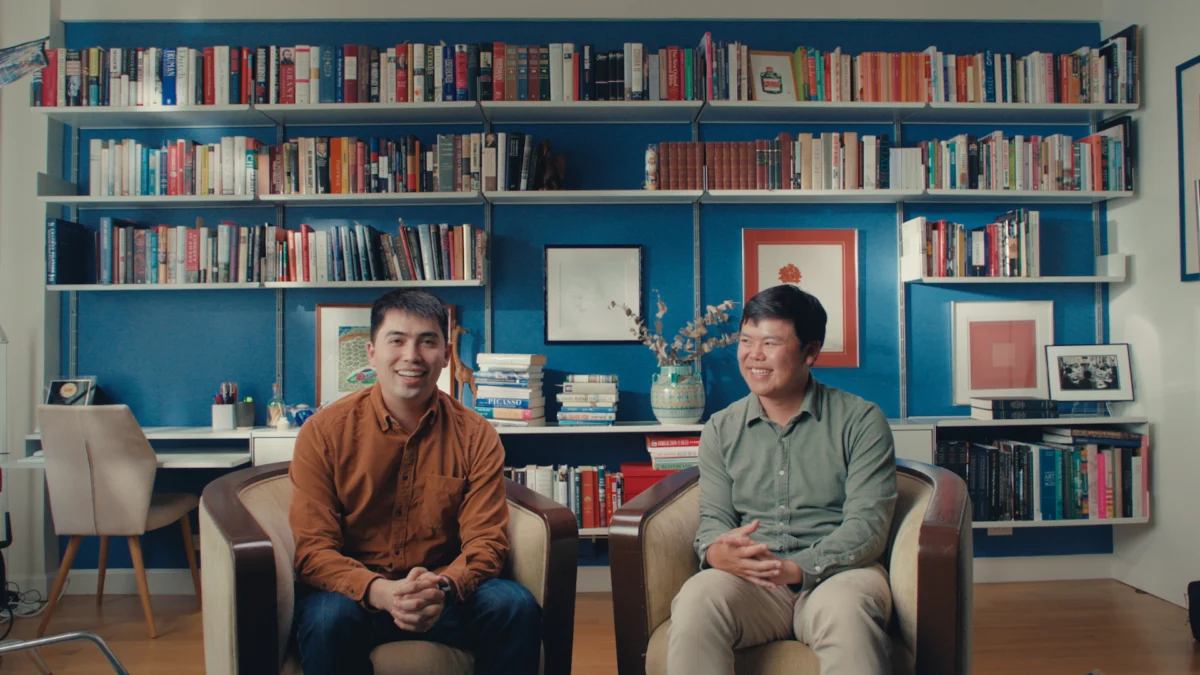
Max Spero, co-founder and CEO of Pangram, articulated the company’s mission during a recent appearance on TechCrunch’s Equity podcast. He emphasized that the goal is not to demonize AI, but rather to establish transparency and accountability. "The internet needs a trust layer," Spero stated, highlighting that without reliable mechanisms to identify the origin and authenticity of digital content, the very fabric of online interaction and commerce risks unraveling. He further elaborated on the critical distinction between AI-assisted and purely AI-generated content, a nuance central to Pangram’s evolving detection algorithms and its partnerships.
Substack Collaboration: A Blueprint for Content Authenticity
One of Pangram’s most significant recent developments is its strategic partnership with Substack, a prominent platform empowering independent writers and creators. This collaboration represents a tangible step towards integrating AI detection directly into content consumption, providing readers with unprecedented transparency. Under the terms of the partnership, Substack is now deploying Pangram’s technology to inform subscribers when their favorite authors have utilized AI in the creation of their newsletters.
This initiative is a crucial case study in how platforms can proactively address the trust deficit. For readers, it offers a new layer of informed consumption, allowing them to understand the provenance of the content they engage with. This transparency is particularly valuable for news, analysis, and opinion pieces, where the author’s unique voice and human perspective are paramount. For content creators on Substack, the integration of Pangram’s tool presents both a challenge and an opportunity. While it places an onus on creators to be transparent about their AI usage, it also provides a framework for responsible AI integration. It encourages a dialogue about where the line is drawn between using AI as a productivity tool (e.g., for brainstorming, grammar checks, or rephrasing) and relying on it for wholesale content generation.
Spero, during his podcast discussion, delved into this very dilemma: "Where do we draw the line between AI-assisted and AI-generated?" This question is at the heart of the Substack partnership. Pangram’s technology aims to identify instances where AI has played a substantial role in generating the core narrative or argument, rather than merely refining human-authored text. This nuanced approach recognizes that AI can be a valuable assistant, but stresses the importance of disclosing when it becomes the primary author. The partnership with Substack is expected to evolve, potentially leading to more granular disclosures or even tools that help creators better manage and declare their AI integration practices. It sets a precedent for other content platforms wrestling with similar issues of authenticity and creator integrity.
Industry Voices and Expert Perspectives
The emergence of companies like Pangram and their innovative partnerships has elicited significant reactions across the tech and media industries. Investors are clearly bullish on the market need for AI detection, viewing it as a foundational technology for the next era of the internet. A spokesperson from one of Pangram’s recent investors, speaking on background, noted, "The demand for verifiable digital content is immense. Pangram isn’t just offering a tool; they’re building a necessary public utility for the digital age, protecting against a wide spectrum of risks from misinformation to fraud."
From Substack’s perspective, the partnership aligns with its commitment to fostering a healthy and transparent ecosystem for creators and readers. A Substack representative commented, "Our mission is to empower independent voices and build direct relationships between writers and their audiences. Introducing Pangram’s AI detection ensures that these relationships are built on a foundation of trust and transparency, giving readers the context they need to fully engage with the content." This move reflects a broader industry trend where platforms are recognizing their responsibility in curating credible information in an increasingly AI-saturated environment.
For content creators, the reaction is likely to be mixed but generally constructive. While some might initially express concern about potential scrutiny or false positives, many understand the long-term benefit of maintaining credibility. As one prominent Substack author shared, "If AI is used ethically and transparently, it can be a powerful amplifier for human creativity. Tools like Pangram’s, when implemented fairly, can help us navigate this new landscape without losing the essential human element that makes our work valuable." The ongoing dialogue sparked by Spero’s appearance on Equity will continue to shape how creators adapt to these new transparency requirements, potentially leading to new best practices for AI integration in creative workflows.
The Broader Implications: Navigating the Future of Digital Content
The rise of AI detection technologies and their adoption by major platforms like Substack carries profound implications for the broader digital ecosystem. The global push for digital content authenticity is gaining momentum, with legislative bodies and international organizations beginning to formulate policies around AI-generated content. The European Union’s comprehensive AI Act, for instance, includes provisions for transparency regarding AI-generated content, and similar discussions are underway in the United States and other jurisdictions. These regulatory efforts, combined with technological solutions from companies like Pangram, are paving the way for a more accountable and verifiable internet.
Beyond content platforms, the impact of reliable AI detection extends to numerous other critical sectors. In journalism, it can help news organizations maintain credibility by verifying source materials and combating deepfake-driven misinformation campaigns. In legal proceedings, the ability to authenticate digital evidence will become increasingly vital. The advertising industry, which faces growing concerns about ad fraud and brand safety in AI-generated environments, could also benefit immensely from robust detection tools. Even in the realm of cybersecurity, identifying AI-generated phishing attempts or social engineering tactics is becoming an urgent priority.
However, the journey towards a fully trusted digital environment is not without its challenges. The "arms race" between generative AI and detection AI will continue, requiring constant innovation and adaptation. There are also ethical considerations to navigate, such as the potential for false positives, the definition of "human-assisted" versus "machine-generated," and the broader implications for creative freedom and expression. The concept of "digital provenance" – a verifiable history of a piece of content’s creation and modification – is gaining traction as a long-term solution, potentially involving blockchain technology or secure metadata embedding at the point of creation.
Conclusion: Towards a More Verifiable Internet
Pangram’s significant funding and its strategic partnership with Substack represent a critical step forward in addressing the pervasive trust problem plaguing the internet. By providing advanced AI detection capabilities and fostering greater transparency, the company is not merely offering a technical solution but is contributing to the fundamental rebuilding of confidence in digital information. As Max Spero articulated, the goal is not to stifle innovation but to ensure that AI serves humanity responsibly, fostering an environment where authenticity can be verified and trust can be restored. The ongoing dialogue, technological advancements, and collaborative efforts showcased by Pangram and Substack are charting a course towards a future where the digital world, despite its complexities, remains a reliable source of information and connection.
About the Author