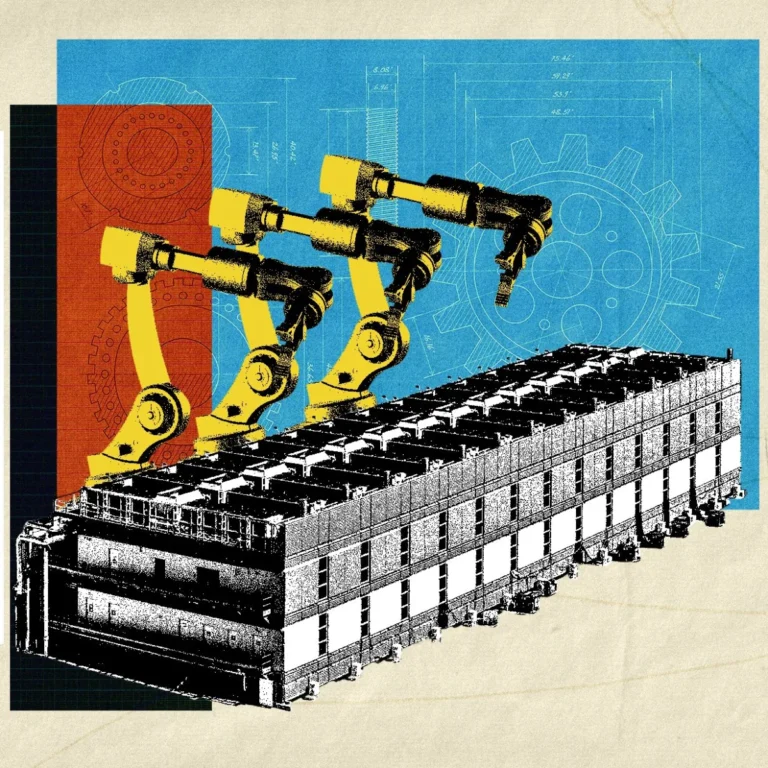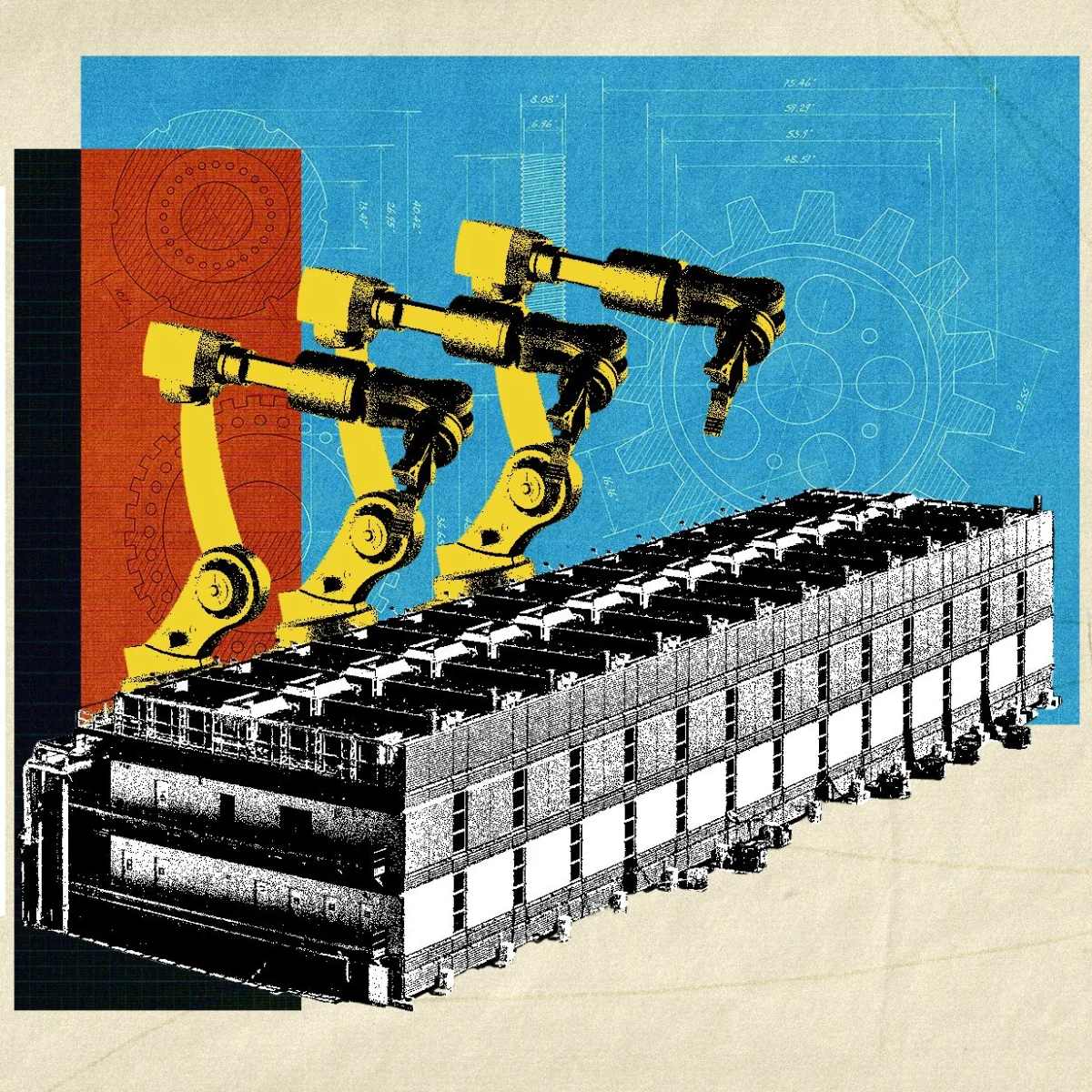
Meta is currently conducting advanced testing of robotic systems designed to perform intricate physical tasks within its global data center network, signaling a shift toward highly automated infrastructure management. According to internal sources and individuals familiar with the initiatives, the technology giant is experimenting with robots capable of plugging in networking cables, resetting servers, and managing power cycles—tasks historically reserved for skilled human technicians. This previously unreported effort arrives as Meta faces mounting pressure to manage the astronomical costs associated with its pivot toward artificial intelligence, where capital expenditure for hardware and specialized facilities has reached record levels.
The transition toward a roboticized workforce represents a significant evolution in how hyperscale data centers operate. For years, the industry relied on "smart hands"—technicians who physically navigate the vast aisles of server racks to troubleshoot hardware failures. Meta’s latest experiments involve a variety of hardware from multiple vendors, including Watney Robotics, Kinova, and ABB. While the company has officially maintained that these technologies are meant to supplement human workers, internal discussions suggest a more transformative long-term goal: reducing the human footprint in facilities that are increasingly expensive to staff and maintain.
The Technical Landscape: From Tugging Robots to Precision Arms
Meta’s foray into robotics is not entirely new, but the complexity of the tasks currently under evaluation marks a departure from earlier, simpler automation. In 2023, the company publicly showcased self-driving "tugger" robots used to transport heavy server racks and wheeled inventory bots designed to scan barcodes. However, the latest phase of testing focuses on "dexterous manipulation," which involves interacting with delicate components that require precision and a light touch.
Among the hardware being tested is the Kinova Gen3, a robotic arm being evaluated for its ability to power cycle servers or cut electricity to specific units during maintenance. Another project involves a specialized robot designed to swap out networking cables—a task that requires identifying specific ports and applying the correct amount of force without damaging neighboring equipment. One Meta data center worker estimated that if the cabling bot is successfully deployed at scale, it could eventually automate up to 80 percent of the workload currently handled by physical maintenance teams.
In some facilities, Meta has already quietly deployed a more rudimentary but effective device: a robotic "finger" or stick. This remotely controlled actuator allows human operators to press physical power buttons on devices like Mac Minis when they fail to respond to software-based restart commands. While simple, such tools eliminate the need for a technician to walk across a massive facility just to flip a switch, illustrating the company’s focus on incremental efficiency gains.
Economic Drivers: The AI Infrastructure Boom
The push for automation is inextricably linked to Meta’s financial strategy. In its most recent earnings reports, Meta highlighted a significant increase in capital expenditures, driven largely by investments in AI servers and the data centers required to house them. As the company builds out its AI infrastructure, the cost of human labor becomes a more prominent variable in the long-term operational budget.
Robots offer several economic advantages over human labor in the data center context. They do not require climate-controlled environments optimized for human comfort, meaning facilities could potentially be run at higher temperatures to save on cooling costs—a concept known as "lights-out" data centers. Furthermore, robots can operate in total darkness and are not subject to the labor shortages that plague rural regions where many data centers are located.
The financial implications extend to local government relations. For years, Meta and other tech giants have secured substantial tax breaks by promising job creation in the communities where they build. In Altoona, Iowa, Meta operates its largest data center campus, which has benefited from tens of millions of dollars in property tax abatements. These agreements are often predicated on the facility providing hundreds of high-quality jobs. If robotics significantly reduces the need for human staff, the political justification for these tax breaks may come under renewed scrutiny by local officials and activists.
Internal Friction and the Evolving Definition of "Skilled Labor"
Within Meta’s data centers, the arrival of robotic prototypes has sparked a mix of curiosity and anxiety. Internal group chats among workers in facilities like the Altoona campus have reportedly taken on a somber tone, with some employees expressing fear that their roles will be obsolete within a few years.
There is also a growing concern regarding the "de-skilling" of the remaining human workforce. Two sources familiar with Meta’s internal strategy suggested that the company is developing AI-driven software to guide human workers through repairs. The goal, they believe, is to transition from hiring highly independent technicians capable of complex troubleshooting to hiring "smart hands"—lower-skilled workers who simply follow step-by-step instructions provided by an AI, thereby allowing Meta to reduce wages.
Meta has countered this narrative by emphasizing its commitment to workforce development. The company recently launched a large-scale training program designed to prepare thousands of workers for roles in electrical, mechanical, and plumbing trades. Meta spokesperson Francis Brennan stated that the U.S. is currently in an infrastructure boom and that the company needs "more workers, not fewer" to meet the demand for new facilities.
Industry-Wide Trends and Competitor Initiatives
Meta is not alone in its pursuit of the automated data center. The entire hyperscale industry—including Microsoft, Google, and Amazon—is exploring similar paths.
- Microsoft: The company is researching robots capable of replacing faulty server racks and has invested in its own research accelerator to explore "economically valuable" robotic tasks.
- Google: At the 2024 OCP Global Summit, Google unveiled investments in robotics aimed at improving the efficiency of its data center operations, focusing on environmental monitoring and preventative maintenance.
- Amazon: AWS has begun using AI-powered robots to assist in the recycling of server components, extending the lifecycle of its hardware and reducing waste.
Paul Golding of Analog Devices noted that customers are increasingly requesting humanoid or specialized robots because they allow for operations in environments inhospitable to humans. This includes running facilities at extreme temperatures or even exploring "exotic" data center locations, such as underwater pods or space-based arrays, where human maintenance is impossible.
Technical Hurdles and the Road Ahead
Despite the promising trials, the total replacement of human technicians remains a distant prospect due to significant technical limitations. Current robotic systems struggle with the "chaos" of a live data center environment. For example, Meta’s inventory bots have historically struggled to navigate over loose cables on the floor and have difficulty distinguishing between red and green indicator lights because their cameras primarily operate in grayscale.
Furthermore, current data center hardware was designed to be serviced by human hands. Standard server racks, tightly packed cables, and delicate pins were not engineered for the grip and torque profiles of existing robotic arms. A former Meta employee noted that "redesigning everything will take time," suggesting that true automation will require a complete overhaul of how server hardware is manufactured.
There is also the issue of maintenance for the robots themselves. Current prototypes at Meta’s Prometheus campus in Ohio require significant downtime for battery recharging and frequent human intervention when they encounter unexpected obstacles. Helen Oleynikova, CEO of Exclaim Robotics, pointed out that while many pilots and demos exist, the industry has yet to produce a "provable working solution" that can handle the full spectrum of data center maintenance autonomously.
Strategic Implications for the Future
As Meta continues to prototype in Altoona and New Albany, the data gathered will likely dictate the next decade of its infrastructure strategy. The company’s "long-term goals," as articulated by senior robotics manager Eric Xu, are clear: robots will eventually handle incident response and preventative maintenance at a scale humans cannot match.
For local governments and labor advocates, the shift poses a complex challenge. If the "jobs for tax breaks" model collapses, communities may demand new forms of compensation from tech companies, such as direct infrastructure investment or higher utility taxes. For the workers, the focus shifts to whether they can adapt to a world where they are no longer the primary problem-solvers, but rather the supervisors of a robotic fleet.
While the "terminator" style total automation of data centers is not yet a reality, the "stick" pressing a power button at a Meta facility serves as a potent symbol of the transition. The era of the human-centric data center is gradually yielding to a hybrid model where silicon and steel manage the very infrastructure that brings the digital world to life.
About the Author