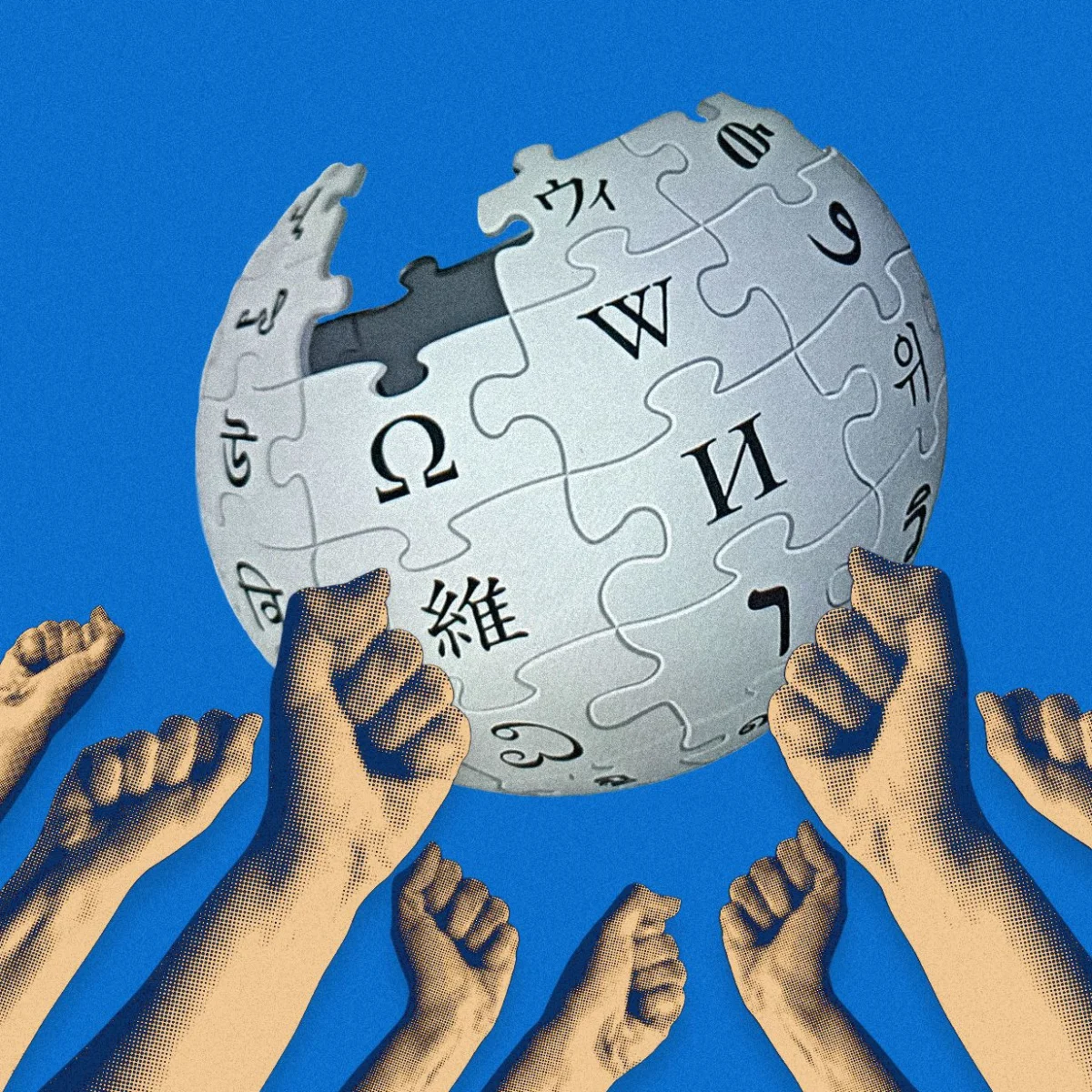
In a decisive move that signals a significant shift in the labor landscape of the nonprofit technology sector, more than 200 employees at the Wikimedia Foundation (WMF) have voted to unionize. The United States National Labor Relations Board (NLRB) confirmed on Thursday that the final tally stood at 158 votes in favor and 14 against, marking a landslide victory for the organizing effort. The staff will now be represented by the Communications Workers of America (CWA), a major labor union that has increasingly expanded its footprint into the tech and nonprofit industries through its CODE-CWA initiative.
The Wikimedia Foundation, the San Francisco-based nonprofit responsible for managing Wikipedia and its sister projects, currently employs nearly 700 people across 39 countries. While the foundation has long operated on a model of global collaboration, the newly formed union consists primarily of U.S.-based staff spanning critical functions such as software engineering, finance, legal affairs, and communications. This development comes at a precarious moment for the 25-year-old organization, which finds itself grappling with the rapid rise of generative artificial intelligence and a fluctuating base of volunteer editors who serve as the lifeblood of the world’s largest encyclopedia.
A Mandate for Transparency and Strategic Input
According to employees involved in the organizing effort, the drive to unionize was less about traditional labor disputes over compensation or benefits and more about securing a permanent "seat at the table." Lauren de Lench, a lead technical program manager who joined the foundation in 2021, noted that a primary motivator was a perceived culture of silence within the organization. De Lench observed that many colleagues were hesitant to voice dissent or propose unconventional ideas during internal meetings, fearing potential retaliation or professional marginalization.
By securing union representation, staff members believe they now have a formal mechanism to challenge management decisions and contribute to the high-level strategy of the organization. "I want us to be loud and debate freely up and down the organizational chart because that’s how we move quickly, address challenges, and come up with the best collective solutions," de Lench stated. This sentiment highlights a desire for a more democratic internal structure, mirroring the open-source and collaborative ethos that Wikipedia promotes to the public.
The Catalyst: Management Decisions and Organizational Growth
The momentum for unionization has been building for nearly a decade, but several key events over the past two years served as the final catalyst. During the COVID-19 pandemic, the Wikimedia Foundation underwent a period of rapid expansion, adding hundreds of new employees to its roster. This growth, while necessary to support a global infrastructure, introduced new layers of bureaucracy that some rank-and-file employees felt distanced them from the organization’s core mission and decision-making processes.
Specific management actions in late 2025 and early 2026 further strained the relationship between leadership and staff. One of the most controversial decisions involved the disbanding of a specialized team dedicated to developing tools for volunteer editors. These tools are essential for the maintenance of Wikipedia and Wikimedia Commons, the project’s massive image and media library. Staff argued that cutting this team undermined the very volunteers the foundation is tasked with supporting.
Additionally, management’s decision to remove France from the list of approved hiring locations for product and technology roles raised concerns about the foundation’s commitment to a truly global and flexible workforce. Nico Aramayo, a senior paralegal who joined during the foundation’s expansion phase, suggested that such decisions often had to be "walked back" after staff pushback, arguing that a union would allow for more proactive collaboration rather than reactive conflict.
The AI Existential Threat and Financial Pressures
The unionization vote occurs against a backdrop of significant external pressure. While the Wikimedia Foundation remains financially robust—boasting an annual budget exceeding $200 million and net assets of approximately $300 million—the rise of AI chatbots like ChatGPT and Claude presents an existential threat to its traditional model.
Artificial intelligence companies frequently scrape Wikipedia’s vast repository of human knowledge to train Large Language Models (LLMs). This practice has a two-fold negative impact on the foundation: first, the massive automated "scraping" of data significantly increases server and infrastructure costs; second, as more users turn to AI chatbots for quick answers, direct traffic to Wikipedia articles has begun to decline.
This decline in human traffic poses a long-term risk to the foundation’s sustainability. Wikipedia relies on a "virtuous cycle" where readers become editors, and editors become donors. If the general public stops visiting the site in favor of AI-generated summaries, the pool of potential volunteers and small-dollar donors could dry up. Union members argue that navigating this transition requires the combined expertise of both management and the technical staff who understand the underlying infrastructure.
Leadership Response and the Road to a Contract
Bernadette Meehan, the CEO of the Wikimedia Foundation and a former U.S. Ambassador to Chile, has expressed a public commitment to working with the new union. In an organization-wide email, Meehan described the vote as the start of a "new chapter" and stated she was optimistic about the future. She acknowledged the concerns raised by staff regarding management practices and organizational planning, promising to work toward meaningful improvements.
However, the foundation’s choice of legal counsel has raised eyebrows among union organizers. The WMF has retained Littler Mendelson, a law firm widely known for its work in representing corporations in labor disputes and union-avoidance strategies. Aly Marino, an attorney at the foundation and a union member, suggested that dropping the firm would be a significant gesture of good faith. Despite this, Meehan has maintained that management will bargain in "good faith" to reach a timely collective bargaining agreement.
Chronology of the Wikimedia Unionization Movement
The path to the successful NLRB vote was marked by several critical milestones:
- 2014–2023: Intermittent discussions regarding unionization occur among staff, primarily focused on remote work policies and job security, but fail to reach a formal filing.
- 2024 (Post-Pandemic): Rapid hiring increases the workforce to nearly 700. Internal friction grows over new bureaucratic layers and a perceived lack of transparency in executive decision-making.
- January 2025: Bernadette Meehan assumes the role of CEO, succeeding a period of leadership transition.
- Late 2025: Management disbands the editor-tools development team and restricts hiring in certain European jurisdictions, sparking widespread internal dissent.
- March 2026: Organizing efforts accelerate. Pro-union staff reach the threshold of 70% of eligible employees signing union cards.
- July 2026: The foundation declines voluntary recognition of the union, citing a preference for a formal NLRB-supervised election to ensure a democratic process.
- August 2026: Volunteer Wikipedia editors launch a "WikiProject Organized Labour" campaign to improve labor-related entries in a show of solidarity with foundation staff.
- September 3, 2026: The NLRB counts the ballots, confirming a 158-14 victory for the union.
Global Implications and the Future of Tech Labor
The successful unionization of Wikimedia Foundation staff in the U.S. is likely to have international repercussions. Wikimedia workers in the United Kingdom are already in the process of organizing, and there are discussions about forming a global alliance to ensure consistent labor standards across the foundation’s international jurisdictions. Given that many of these employees work on the same technical projects and report to the same leadership, a cross-border labor strategy appears increasingly probable.
The upcoming negotiations for a collective bargaining agreement are expected to focus on "just cause" protections, which would prevent the foundation from firing employees without a documented and valid reason. Other proposals on the table include more radical shifts in workplace culture, such as the exploration of a four-day work week—a concept that has gained traction in other tech-adjacent nonprofits.
As the Wikimedia Foundation navigates the dual challenges of internal labor restructuring and the external threat of AI-driven obsolescence, the world will be watching. The ability of a nonprofit dedicated to the "sum of all human knowledge" to successfully integrate a unionized workforce could serve as a blueprint for other mission-driven organizations in the digital age. For now, the 158-14 vote stands as a clear demand from the people who build and maintain Wikipedia: they want a documented, legal voice in the future of the internet’s most important resource.
About the Author