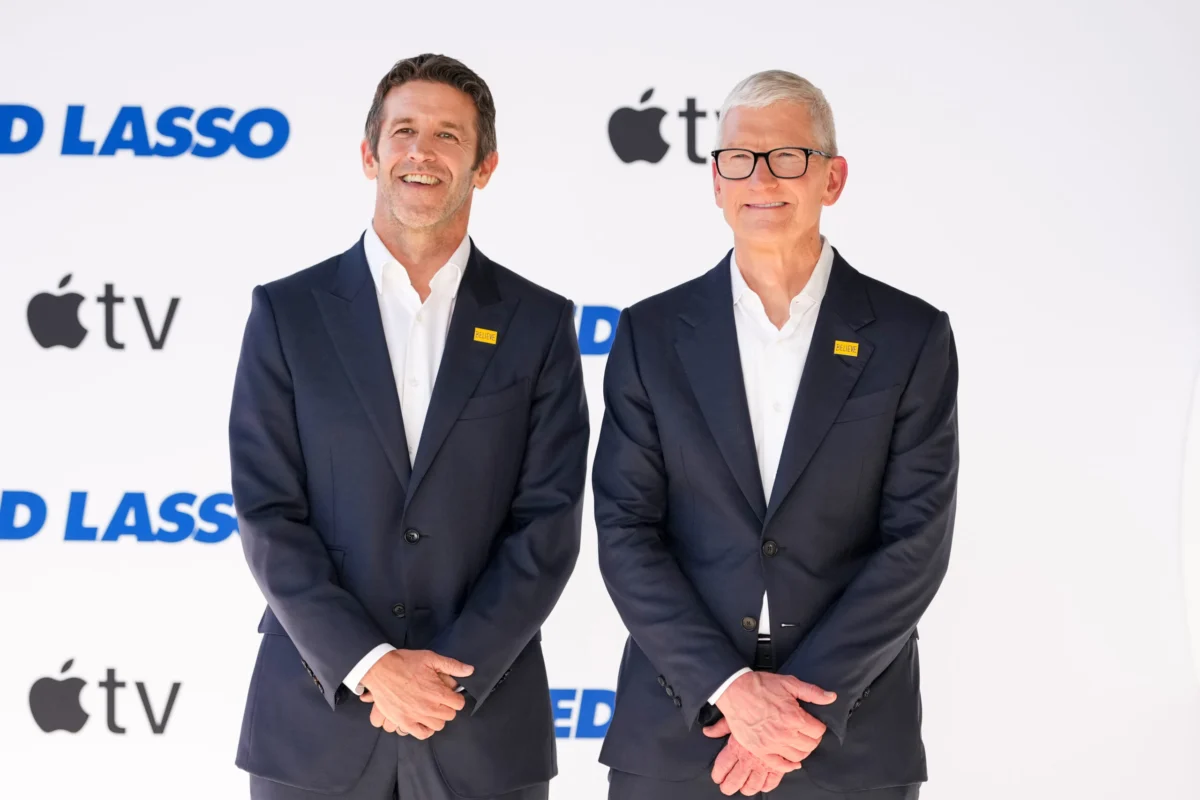
The technological landscape is abuzz with the formal commencement of the John Ternus era at Apple, a pivotal moment following Tim Cook’s departure as Chief Executive Officer this past week. Ternus, formerly the head of Apple’s hardware engineering division, now inherits the immense responsibility of leading one of the world’s most influential technology companies. His initial communication to employees, a memo that boldly heralded a "huge launch next week," immediately places the company’s next major product unveiling, likely an iPhone event, squarely on his shoulders within his nascent tenure. This strategic timing underscores the immediate demands and expectations placed upon the new CEO.
While Cook is stepping down from the operational helm, his influence at Apple is far from over. He will remain with the company in the capacity of Executive Chairman, a role that is expected to focus on high-level policy engagements and strategic relationships. This is a critical function, particularly given recent events where even seemingly minor issues, such as a map label dispute that elevated Mapquest’s app to the number one navigation spot, have escalated into public relations challenges. Cook’s continued involvement in this domain suggests a deliberate strategy to leverage his extensive experience in navigating complex regulatory and geopolitical landscapes, ensuring a degree of continuity and stability during this leadership transition.
The question on the minds of many industry observers, shareholders, and consumers alike is what the "Ternus era" will entail. What will be the defining characteristics of his leadership, and how much latitude will the company’s stakeholders provide him as he navigates the intricate future of Apple? This transition is not merely a change in personnel but a potential shift in strategic direction, particularly as the technology sector grapples with the transformative potential of artificial intelligence and the evolving demands of the global market.
A Legacy of Hardware Expertise Meets a New Technological Frontier
John Ternus’s ascent to the CEO position is rooted in his deep and extensive experience within Apple’s hardware division. For years, he was instrumental in the design, development, and manufacturing of iconic Apple products, from iPhones and iPads to Macs and Apple Watches. This hands-on, product-centric background has long been seen as a core strength of Apple’s operational philosophy. However, the current technological paradigm is increasingly defined by the integration of advanced software, sophisticated artificial intelligence, and seamless ecosystem connectivity.
This raises a pertinent question: is Ternus, with his hardware pedigree, as well-equipped to drive innovation in the software and AI domains as he is in the physical product realm? The prevailing sentiment among some analysts is that his deep understanding of how hardware and software intersect provides a unique advantage. By intimately understanding the capabilities and limitations of Apple’s physical devices, Ternus may be uniquely positioned to guide the development of software and AI features that are not only cutting-edge but also deeply integrated and optimized for the Apple ecosystem.
The Immediate Pressure of a "Huge Launch"
The immediate challenge facing Ternus is the impending product launch, as highlighted in his first internal memo. This rapid succession of events suggests a well-planned transition, with the new CEO being thrust into the spotlight just as Apple is poised to unveil its latest offerings. Historically, Apple’s product launches, particularly those involving the iPhone, are meticulously orchestrated events that command global attention. For Ternus, this initial launch serves as his public debut as CEO, setting the tone for his leadership and offering an early indication of his strategic priorities.
The success or failure of this launch will inevitably be scrutinized and will provide valuable insights into Ternus’s vision and execution capabilities. Investors will be watching closely to see if the new products align with market expectations and demonstrate Apple’s continued capacity for innovation. The competitive landscape is fiercer than ever, with rivals aggressively pursuing advancements in AI, foldable devices, and immersive technologies.
Tim Cook’s Evolving Role: A Strategic Hand on the Tiller
Tim Cook’s transition to Executive Chairman signifies a strategic move to retain his invaluable experience and influence within the company, albeit in a different capacity. His tenure as CEO, spanning over a decade, was marked by significant growth, a doubling down on Apple’s core values, and a remarkable expansion into new product categories and services. He successfully navigated the company through the post-Steve Jobs era, solidifying its position as a global technology giant.
Cook’s continued focus on policy and governmental relations is particularly noteworthy. In recent years, the technology industry has faced increasing scrutiny from regulators worldwide regarding issues such as data privacy, antitrust concerns, and content moderation. Apple, with its vast global reach and influence, is often at the center of these debates. Cook’s experience in lobbying, engaging with policymakers, and shaping public discourse on these critical issues will remain a significant asset to Apple. His ability to manage these complex external relationships can provide a stable foundation for Ternus to focus on internal operations and product development.
Analyzing the Implications: What Lies Ahead for Apple?
The leadership transition at Apple is occurring at a critical juncture in the company’s history. The broader technological landscape is undergoing rapid evolution, driven by advancements in artificial intelligence, the metaverse, and the increasing demand for personalized and integrated digital experiences.
H3: The AI Imperative
Artificial intelligence is no longer a futuristic concept but a present-day reality that is reshaping industries. Apple has historically been perceived as somewhat cautious in its AI integration compared to some of its competitors, often opting for a more gradual and privacy-focused approach. Under Ternus, there will be considerable pressure to accelerate Apple’s AI strategy. The company needs to demonstrate tangible advancements in on-device AI, natural language processing, and intelligent automation to maintain its competitive edge.
Analysts suggest that Ternus’s hardware background could be an advantage here. By understanding the processing power and capabilities of Apple’s silicon, he can push for AI features that are not only powerful but also energy-efficient and seamlessly integrated into the user experience. This could involve leveraging Apple’s custom silicon to enable more sophisticated on-device AI processing, thereby enhancing privacy and reducing reliance on cloud-based solutions.
H3: Ecosystem Strength and Services Growth
Apple’s success has been built on its tightly integrated ecosystem of hardware, software, and services. This ecosystem provides a significant competitive advantage, fostering customer loyalty and creating recurring revenue streams. Under Ternus, maintaining and strengthening this ecosystem will be paramount. This involves ensuring that new hardware releases are complemented by compelling software updates and innovative services.
The services division, which includes Apple Music, Apple TV+, iCloud, and the App Store, has become a major contributor to Apple’s revenue and profitability. Ternus will need to continue to nurture and expand this segment, potentially through new service offerings or enhanced features for existing ones. The interplay between hardware and services will be a key determinant of Apple’s future growth trajectory.
H3: Navigating Global Markets and Regulatory Hurdles
Apple operates in a complex global environment, subject to varying regulations, economic conditions, and geopolitical tensions. Tim Cook’s experience in navigating these challenges will be invaluable in his new role as Executive Chairman. However, Ternus will also need to develop his own understanding and strategy for managing these external factors.
The company’s reliance on manufacturing in China, for instance, continues to be a point of discussion, with geopolitical tensions and supply chain vulnerabilities posing ongoing risks. Ternus will likely need to oversee efforts to diversify Apple’s manufacturing base and mitigate these risks. Furthermore, as governments worldwide grapple with regulating Big Tech, Apple will need to be adept at responding to evolving legal frameworks and public expectations.
H3: Shareholder Expectations and Investor Confidence
Shareholders will be closely observing Ternus’s leadership for signs of continued innovation, sustained revenue growth, and healthy profit margins. Apple’s stock performance is a significant indicator of investor confidence, and any perceived missteps could have a material impact on its valuation.
The "rope" that shareholders are willing to give Ternus will likely be tied to his ability to deliver on key product roadmaps, maintain Apple’s brand prestige, and navigate the complex challenges of the global technology market. His hardware expertise is a known quantity, but his strategic vision for the future, particularly in the rapidly evolving AI landscape, will be under intense scrutiny.
The Podcast Perspective: Deeper Dive into the Transition
The nuances and implications of this significant leadership change have been a central focus of discussion on TechCrunch’s "Equity" podcast. Hosts Kirsten Korosec and Sean O’Kane have been dissecting what John Ternus is inheriting, exploring the potential for his hardware-centric background to foster progress in software, especially within the burgeoning AI era. Their discussions delve into the broader context of the week’s tech news, providing listeners with informed analysis and expert insights into the strategic moves and challenges facing major technology players like Apple. The podcast serves as a valuable resource for those seeking to understand the deeper currents shaping the industry during this pivotal moment.
Conclusion: A New Chapter Begins
The transition from Tim Cook to John Ternus marks the beginning of a new and potentially transformative chapter for Apple. While Cook’s legacy as CEO is one of unparalleled success, the future of the company rests on Ternus’s ability to build upon that foundation and steer Apple through an increasingly complex and dynamic technological landscape. His deep understanding of hardware, coupled with the strategic guidance of Cook in his new role, provides a compelling, albeit challenging, path forward. The coming months and years will reveal the true impact of the Ternus era, as Apple seeks to maintain its position at the forefront of innovation and redefine the future of personal technology.
About the Author