Bluecore Energy, a pioneering startup dedicated to revolutionizing clean energy provision through portable small modular reactors (SMRs) on floating barges, announced Tuesday the successful closure of an oversubscribed $50 million seed funding round. This significant capital infusion comes mere months after the company emerged from stealth and secured a $10 million pre-seed investment, underscoring robust investor confidence in its innovative approach to advanced nuclear technology. The rapid succession of funding rounds highlights the urgent demand for scalable, decarbonized energy solutions and the perceived potential of Bluecore Energy’s unique deployment strategy.
Pioneering Portable Nuclear Energy for a Decarbonized Future
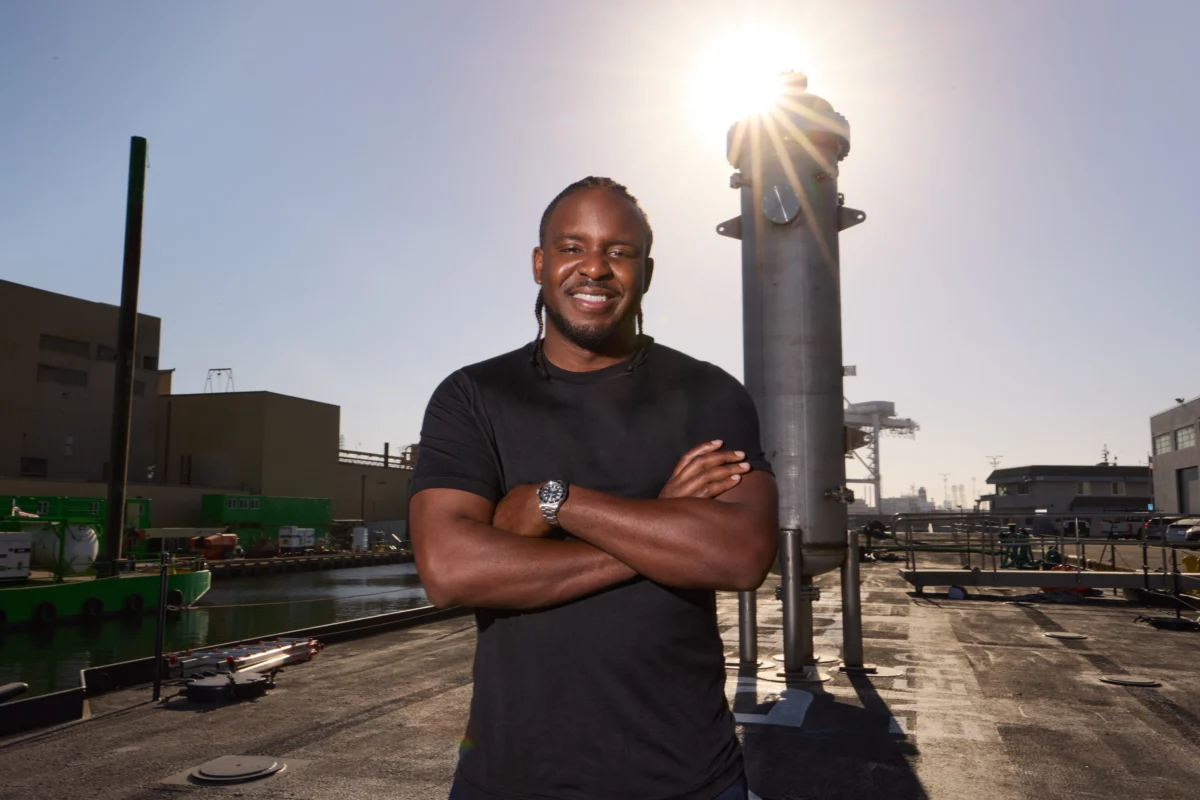
Founded earlier this year by Kofi Asante, Bluecore Energy is carving a distinct niche in the burgeoning advanced nuclear sector. Rather than constructing traditional, fixed-site nuclear power plants, the company is developing compact SMRs designed to operate aboard floating barges. This maritime-based deployment strategy offers unparalleled flexibility and mobility, enabling the transport of clean energy to diverse locations where it is most critically needed, particularly ports, nearby industrial infrastructure, and potentially remote communities or disaster zones. This innovative concept directly addresses the logistical and environmental challenges associated with large-scale, land-based power generation, offering a decentralized and adaptable energy solution.
The global energy landscape is currently grappling with the dual imperatives of decarbonization and ensuring energy security. Traditional fossil fuel-based power generation contributes significantly to greenhouse gas emissions, while the intermittency of many renewable sources like solar and wind necessitates reliable baseload power. SMRs, with their smaller footprint, simplified design, and enhanced safety features compared to conventional large-scale reactors, are increasingly viewed as a crucial component of a diversified clean energy portfolio. Bluecore Energy’s floating SMRs take this potential a step further, decoupling energy generation from fixed geographical constraints and offering a modular, rapidly deployable power source.
Asante articulated the core philosophy driving Bluecore Energy’s mission, stating in a recent interview, "My philosophy is that access to clean energy and also clean water should be a human right." This ethos underpins the company’s ambition to democratize access to reliable, sustainable power, particularly for regions or industries that have historically struggled with energy access or face significant hurdles in transitioning to cleaner alternatives. The ability to transport these power plants directly to demand centers – whether a bustling port needing shore power for its vessels or an isolated community requiring electricity and potable water (through integrated desalination capabilities) – represents a paradigm shift in energy distribution.
A Proven Concept with Modern Adaptation: The Naval Precedent
A cornerstone of Bluecore Energy’s confidence in its floating nuclear technology lies in the long-standing precedent set by naval nuclear propulsion. For over seven decades, the U.S. Navy and other maritime forces have safely operated nuclear reactors aboard submarines and aircraft carriers, demonstrating the viability and safety of mobile nuclear power. "The Navy is doing this as we speak, for the last 70 years, and has never had an accident," Asante highlighted, drawing a direct parallel between established naval engineering and Bluecore’s commercial application. "We just made it smaller, so you can actually move things around in a way that doesn’t take years — or a new set of infrastructure — but days."
This historical context is vital for addressing public concerns often associated with nuclear energy. The rigorous safety protocols, containment systems, and operational excellence demonstrated by naval reactors provide a robust foundation for Bluecore’s design principles. By scaling down the technology and adapting it for commercial use on barges, Bluecore aims to achieve similar levels of safety and reliability, but with the added benefit of commercial applicability. The inherent mobility of these units also facilitates controlled maintenance and refueling operations in dedicated facilities, potentially simplifying logistical complexities associated with fixed-site plants.
Rapid Investor Confidence and Strategic Capital Inflow
The speed and scale of Bluecore Energy’s fundraising efforts are indicative of strong market validation and investor enthusiasm for its innovative model. Despite not initially planning to raise additional capital this year, the company experienced an overwhelming influx of inbound interest following its pre-seed launch. This led to an oversubscribed seed round that closed in a remarkably swift eight weeks, a testament to both the compelling nature of Bluecore’s technology and the perceived market opportunity.
The $50 million seed round saw significant participation from existing investors who chose to double down on their initial commitments. These included prominent venture capital firms like Slauson & Co. and Harlem Capital, known for their strategic investments in transformative technologies and diverse founding teams. Chris Larsen, co-founder of Ripple, a leading enterprise blockchain and crypto solutions company, also increased his investment, underscoring a belief in Bluecore’s potential to disrupt traditional energy markets. The continued support from these early backers signals deep conviction in Bluecore’s leadership, technological roadmap, and ability to execute.
The new capital infusion also attracted a diverse array of new investors, further broadening Bluecore Energy’s strategic network and financial backing. Collab Capital, a fund focused on investing in Black-led ventures, joined the round, aligning with the company’s mission to bring equitable access to clean energy. Notably, Kevin Hart’s HartBeat Ventures also participated, signaling the growing mainstream appeal and potential for broad societal impact of Bluecore’s solutions. Furthermore, a contingent of influential angel investors from tech giants such as Tesla, Uber, Amazon, and Google contributed to the round. The involvement of individuals with deep experience in disruptive technology, large-scale infrastructure, and rapid market scaling brings invaluable expertise and networks to Bluecore Energy. Silverton Partners, a leading venture capital firm, took the helm as the lead investor for this seed round, lending significant credibility and strategic guidance to the company’s growth trajectory.
Kofi Asante reflected on the unexpected pace of fundraising, acknowledging, "I just kept having to figure out a way to make more room" on the cap table. He expressed gratitude, stating, "I wasn’t anticipating us raising that level of capital in that period of time, but really fortunate that we have so many investors and partners who are excited." This enthusiasm is not merely financial; it reflects a shared belief in the transformative potential of portable nuclear energy to address critical global challenges.
Operational Milestones and Crucial Regulatory Pathways
Since its public debut from stealth in July, Bluecore Energy has achieved several significant operational and strategic milestones. The company established its headquarters at the Port of Long Beach, one of the busiest container ports in the United States. This strategic location is not merely symbolic; it positions Bluecore at the heart of the maritime industry, which is under immense pressure to decarbonize its operations and reduce emissions from shipping. The presence at a major port provides immediate proximity to potential customers and allows for real-world testing and demonstration of its floating SMR technology.
In a tangible display of progress, Bluecore Energy has already launched two floating barges. While details on their specific functions were not fully elaborated in the announcement, their deployment signifies a critical step in the physical manifestation of Bluecore’s innovative concept, moving from conceptual design to tangible assets. These barges likely serve as prototypes or platforms for initial system integration and testing, paving the way for the eventual deployment of full-scale reactors.
Crucially, Bluecore Energy has forged strategic partnerships with key governmental and regulatory bodies, recognizing that successful deployment of nuclear technology is inextricably linked to stringent oversight and robust regulatory approval. The company is actively collaborating with the Department of Transportation Maritime Division, the U.S. Nuclear Regulatory Commission (NRC), and the U.S. Coast Guard. These partnerships are not merely endorsements but signify the formal engagement required to navigate the complex regulatory landscape of nuclear power and maritime operations.
The U.S. Nuclear Regulatory Commission (NRC) is the independent agency responsible for ensuring the safe use of nuclear materials and protecting public health and the environment. Its review process for reactor design and certification is notoriously rigorous and can span many years. Similarly, the U.S. Coast Guard plays a vital role in ensuring the safety and security of vessels and maritime infrastructure. Bluecore Energy is currently undergoing a comprehensive review with both the NRC and the Coast Guard concerning its product design. This process, if successful, will culminate in the certification of its floating nuclear power plant, a pivotal achievement that would de-risk the technology significantly and pave the way for commercial deployment. Asante confirmed the proactive approach to regulatory engagement, noting, "We have been talking to them both since the inception of the company and design, but officially started the formal engagement in August." This early and continuous dialogue is a prudent strategy for a company operating in a highly regulated industry.
Strategic Allocation of Capital and Future Challenges
The fresh capital from the $50 million seed round will be strategically deployed across several critical areas to accelerate Bluecore Energy’s development and market entry. Primary uses include continued product development, which encompasses refining the SMR design, optimizing its integration onto floating platforms, and enhancing safety features. A substantial portion will also be allocated to ongoing regulatory work, funding the extensive studies, documentation, and expert consultations required for NRC and Coast Guard certification. The procurement of nuclear fuel, a highly specialized and regulated commodity, is another key expenditure, with plans already underway to order fuel for a partner national nuclear lab. Lastly, the funding will support aggressive hiring initiatives to expand Bluecore’s team of engineers, scientists, and regulatory experts.
One of the anticipated significant challenges, according to Asante, will be navigating the supply chain to secure the specialized hardware necessary to construct portable electricity infrastructure at a pace that can meet projected consumer demand. The advanced nuclear industry, particularly for SMRs, relies on a highly specialized manufacturing base for components like reactor vessels, heat exchangers, and control systems. Scaling up production and ensuring the timely delivery of these critical parts requires sophisticated supply chain management.
However, Bluecore Energy believes it is well-equipped to tackle these challenges. Asante emphasized the caliber of his team, stating, "Our team comes from SpaceX, Rivian, and Toyota, so we are applying similar strategies to be able to secure critical parts." This collective experience in fast-paced, complex manufacturing environments, particularly in automotive and aerospace industries known for their demanding supply chains and innovative production methods, provides a distinct advantage. The company has already made tangible progress, confirming, "We already have barges and a reactor and are now about to order nuclear fuel to go to our partner at a national nuclear lab." This demonstrates a strong foundation and a clear pathway for hardware acquisition and fuel cycle management.
Addressing a Growing Market Need: Ports, Data Centers, and Communities
Bluecore Energy has already seen significant inbound interest from a diverse range of potential customers, underscoring the broad applicability and urgent need for its portable, clean energy solutions.
- Ports: Major ports worldwide are facing increasing pressure to reduce their carbon footprint and comply with stricter environmental regulations. Bluecore’s floating SMRs can provide shore power for docked vessels, eliminating the need for ships to run their diesel engines, thereby drastically reducing local air pollution and greenhouse gas emissions. They can also power port operations, electrify cargo handling equipment, and enhance grid stability for the surrounding industrial complexes.
- AI Data Centers: The proliferation of artificial intelligence and digital infrastructure is driving an unprecedented surge in electricity demand. AI data centers require massive, reliable, and increasingly clean power sources. Bluecore’s SMRs offer a compact, continuous, and carbon-free baseload power solution that can be deployed rapidly to locations with strained grids or where renewable energy alone cannot meet the constant, high-density power requirements.
- Communities: Remote communities, islands, or regions prone to natural disasters often struggle with energy access and resilience. Portable SMRs could offer energy independence, reducing reliance on expensive and polluting diesel generators. Furthermore, the excess heat generated by nuclear reactors can be efficiently utilized for district heating or, crucially, for large-scale desalination, providing a reliable source of clean water – a critical resource in many underserved areas, aligning with Asante’s vision of clean water as a human right.
Broader Impact and Implications
Bluecore Energy’s advancements have significant implications for the global energy transition, national energy security, and technological innovation.
- Decarbonization Accelerator: By providing a scalable, carbon-free, and dispatchable power source, Bluecore’s floating SMRs can significantly accelerate the decarbonization efforts of heavy industries, maritime transport, and energy-intensive data centers, sectors that are particularly challenging to electrify with intermittent renewables alone.
- Energy Security and Resilience: The ability to deploy power generation units to specific locations enhances energy security, reduces reliance on vulnerable, centralized grids, and offers critical resilience during emergencies or natural disasters when traditional infrastructure may fail.
- Economic Development: The growth of Bluecore Energy and the broader SMR industry is poised to create high-skilled jobs in engineering, manufacturing, operations, and regulatory compliance. It can also stimulate local economies by providing reliable and affordable energy, attracting new industries, and fostering innovation.
- Technological Leadership: Successful deployment and certification of floating SMRs would solidify the U.S. as a leader in advanced nuclear technology, setting a precedent for global innovation in clean energy solutions.
- Regulatory Modernization: Bluecore’s engagement with the NRC and Coast Guard will likely contribute to the evolution of regulatory frameworks for advanced and mobile nuclear technologies, paving the way for future innovations in the sector.
While the path to commercialization for any advanced nuclear technology is long and complex, fraught with regulatory hurdles, public perception challenges, and capital-intensive development, Bluecore Energy’s rapid fundraising, strategic partnerships, and innovative approach position it as a formidable player in the quest for a clean, secure, and equitable energy future. The company’s core mission to "democratize access to clean energy" resonates deeply with global imperatives, promising a future where reliable, sustainable power is accessible to all who need it, delivered directly to their shores.
About the Author