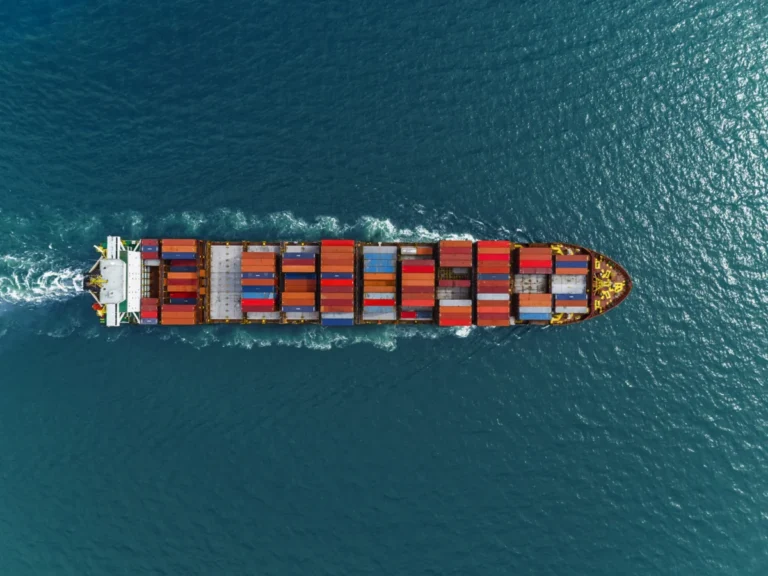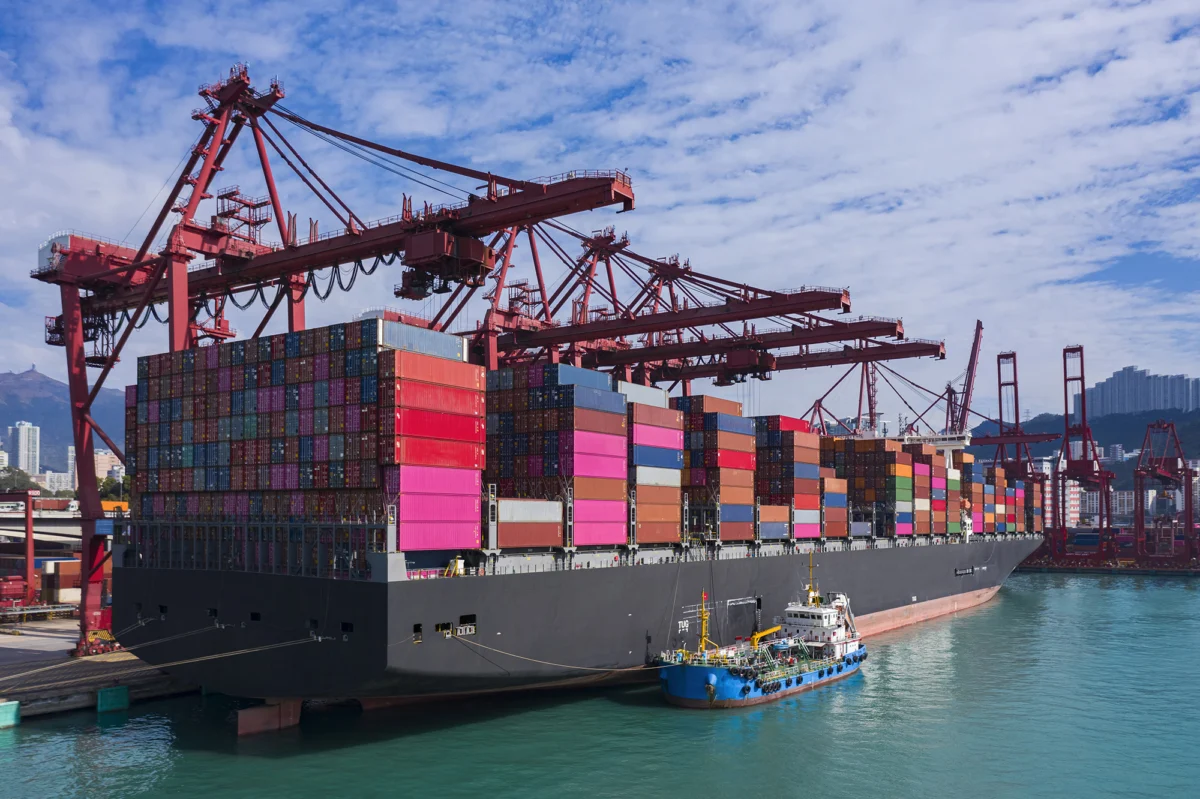
The global maritime industry, responsible for transporting over 80% of international trade by volume, has become a primary frontier in the battle against financial crime, money laundering, and sanctions evasion. As geopolitical tensions rise and international sanctions regimes against nations such as Russia, Iran, and North Korea become increasingly intricate, financial institutions find themselves under unprecedented pressure to monitor the vast and often opaque world of ocean-borne commerce. A new comprehensive guide has been released to address these challenges, outlining the sophisticated deceptive shipping practices (DSPs) currently in use and providing a framework for banks and other financial entities to strengthen their compliance protocols. This initiative arrives at a critical juncture where the traditional "Know Your Customer" (KYC) requirements are being augmented by a mandatory shift toward "Know Your Vessel" (KYV) and "Know Your Cargo" (KYC2) strategies.
The Complexity of Modern Maritime Financial Crime
The identification of financial crime within the shipping sector is a resource-intensive endeavor that requires more than just a cursory review of paperwork. Financial institutions (FIs) operate at the intersection of capital and logistics, often acting as the gatekeepers for the trade finance that keeps global supply chains moving. However, the sheer scale of the industry—comprising tens of thousands of active merchant vessels and millions of containers—creates an environment where illicit activity can be easily hidden.
In recent years, the sophistication of deceptive practices has outpaced the traditional monitoring capabilities of many banks. Entities seeking to bypass sanctions or launder money have moved beyond simple document forgery. They now employ a suite of tactical maneuvers designed to sever the link between a vessel’s physical location and its recorded identity. These include the manipulation of Automatic Identification Systems (AIS), the use of "dark fleets" or "shadow fleets" that operate outside conventional regulatory oversight, and the frequent changing of vessel names and flags, often referred to as "flag hopping."
Chronology of Regulatory Evolution in Maritime Compliance
The current regulatory landscape is the result of a decade-long evolution in how international bodies perceive the risk of maritime trade. Understanding this timeline is essential for financial institutions to grasp the trajectory of their compliance obligations.
In 2018, the United Nations Security Council and the U.S. Department of the Treasury’s Office of Foreign Assets Control (OFAC) issued specific advisories regarding North Korea’s use of deceptive shipping to procure petroleum and export coal. This marked the first significant push for financial institutions to look beyond the immediate parties in a transaction and investigate the physical movement of goods.
By May 2020, OFAC, in collaboration with the U.S. State Department and the U.S. Coast Guard, released a landmark global advisory on deceptive shipping practices. This document set a new standard for the private sector, explicitly listing AIS manipulation and ship-to-ship (STS) transfers as red flags that financial institutions were expected to monitor.
The landscape shifted again in 2022 following the invasion of Ukraine. The subsequent imposition of price caps on Russian oil and the expansion of sanctions against Russian maritime entities necessitated a massive scaling of compliance efforts. Financial institutions were suddenly required to verify the price of cargo and the legitimacy of the entire voyage to ensure compliance with G7 and EU regulations. This period saw the birth of the "shadow fleet," a collection of aging tankers with opaque ownership structures specifically designed to transport sanctioned oil.
Supporting Data: The Scale of the Maritime Risk
The data surrounding maritime trade illustrates why this sector is so attractive to illicit actors and so difficult for banks to police. According to industry estimates, the "shadow fleet" involved in transporting sanctioned oil grew to encompass over 600 vessels by 2024, representing approximately 10% to 15% of the global tanker fleet. These vessels often operate with substandard insurance and minimal regulatory oversight, posing not only a financial crime risk but an environmental one as well.
Furthermore, AIS "spoofing"—the practice of broadcasting a false location—has seen a dramatic increase. Data from maritime intelligence firms suggests that incidents of sophisticated AIS manipulation, where a vessel appears to be in one location while physically being hundreds of miles away, have risen by over 300% since 2021. For a bank processing a Letter of Credit, these discrepancies are often invisible without the use of specialized geospatial tracking software.
The cost of compliance is also rising. Large global banks now spend upwards of $1 billion annually on financial crime compliance, with an increasing portion of that budget dedicated to trade finance and maritime screening. Despite this, the success rate for detecting illicit maritime activity remains low, as many FIs still rely on manual checks of static documents rather than real-time data integration.
Identifying and Mitigating Deceptive Shipping Practices
The new guidelines categorize the primary risks that financial institutions must address into several "red flag" behaviors. Understanding these tactics is the first step in building a robust defense.
AIS Manipulation and "Going Dark"
AIS is a tracking system used for collision avoidance and navigation. Illicit actors frequently disable these transponders (going dark) or use sophisticated software to broadcast false coordinates (spoofing). Financial institutions are now expected to monitor for unexplained gaps in AIS transmissions, particularly when a vessel is near a sanctioned jurisdiction or a known STS transfer hub.
Ship-to-Ship (STS) Transfers
While STS transfers are a standard practice in the shipping industry for legitimate logistics, they are also used to disguise the origin of cargo. By transferring oil or minerals between three or four different vessels in international waters, illicit actors can "clean" the trail of a sanctioned commodity. The guidelines recommend that FIs exercise extreme caution when financing cargo that has undergone multiple STS transfers, especially in high-risk zones like the Malacca Strait or the Mediterranean.
Complex Ownership and Flag Hopping
To evade detection, sanctioned entities often create layers of shell companies to own and manage vessels. A single ship might be owned by a company in the Marshall Islands, managed by a firm in Dubai, and fly the flag of Panama. "Flag hopping"—the frequent changing of a vessel’s registry—is a major indicator of potential sanctions exposure. The guide emphasizes that FIs should investigate the "Ultimate Beneficial Owner" (UBO) of any vessel involved in high-value trade transactions.
Recommendations for Financial Institutions
To combat these evolving threats, the report provides a series of actionable recommendations designed to move the industry toward a more proactive and collaborative stance.
-
Adoption of a Risk-Based Approach: Not all trade carries the same level of risk. The guide suggests that FIs should implement a tiered screening system. High-risk commodities, such as crude oil, refined petroleum, coal, and precious metals, should trigger enhanced due diligence (EDD). Conversely, lower-risk consumer goods can be processed with standard controls, allowing resources to be focused where they are most needed.
-
Integration of Real-Time Maritime Intelligence: Banks can no longer rely solely on the information provided in bills of lading or invoices. The guidelines recommend integrating third-party maritime data providers that offer real-time tracking, historical AIS analysis, and vessel ownership databases. This allows compliance officers to verify the physical journey of a vessel against the documented itinerary.
-
Enhanced Training and Internal Expertise: Detecting maritime fraud requires specialized knowledge of shipping documentation and maritime law. The report encourages FIs to invest in training for trade finance teams, enabling them to recognize subtle discrepancies in documents like "Certificates of Origin" or "Tanker Bills of Lading" that might indicate a sanctions breach.
-
Strengthening Public-Private Partnerships: One of the most significant hurdles in maritime compliance is the "information silo" effect. The guide calls for increased collaboration between banks, shipping registries, port authorities, and law enforcement. By sharing information on known illicit vessels or new deceptive techniques, the entire ecosystem becomes more resilient.
-
Standardization of Shipping Data: The current lack of uniformity in shipping data makes automated screening difficult. The guide advocates for the adoption of global standards for digital shipping documents. Moving away from paper-based trade toward blockchain or other secure digital ledgers would significantly reduce the opportunity for document forgery.
Official Responses and Industry Reactions
While official statements from major banking associations have been supportive, there is an underlying concern regarding the "de-risking" of certain regions. Representative bodies for the banking sector have noted that as compliance requirements become more stringent, some institutions may choose to withdraw from trade finance in emerging markets altogether to avoid the risk of heavy fines.
Regulators, however, remain firm. Spokespersons from various national treasury departments have emphasized that the responsibility for compliance is shared. They argue that while banks are not expected to be "policemen of the sea," they must demonstrate that they have taken all "reasonable steps" to ensure they are not facilitating prohibited trade. The consensus among enforcement agencies is that the financial sector’s visibility into the flow of money is the most effective tool available to disrupt the logistics of sanctioned states and criminal organizations.
Broader Impact and Future Implications
The implications of these guidelines extend far beyond the compliance departments of global banks. As financial institutions tighten their controls, the "cost of doing business" for illicit actors will rise. However, this also places a burden on legitimate shipping companies, who may face delays in financing or increased administrative hurdles.
In the long term, the industry is likely to see a shift toward total transparency. The integration of satellite imagery, AI-driven behavioral analysis of vessel movements, and digital "twins" of cargo will eventually make it nearly impossible to hide illicit trade in the global commons. For financial institutions, the transition from a document-centric approach to a data-centric approach is no longer optional—it is a prerequisite for survival in an era of heightened geopolitical risk.
The release of this guide serves as a definitive roadmap for that transition. It acknowledges that while no system is foolproof, a combination of better technology, smarter risk assessment, and unprecedented industry-wide collaboration can significantly close the loopholes that financial criminals currently exploit. As the maritime world continues to navigate these turbulent waters, the role of financial institutions will remain central to maintaining the integrity of global trade.
About the Author