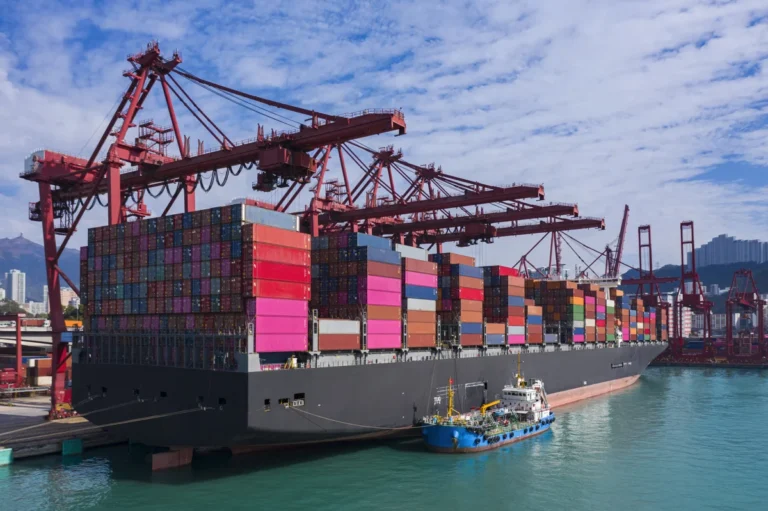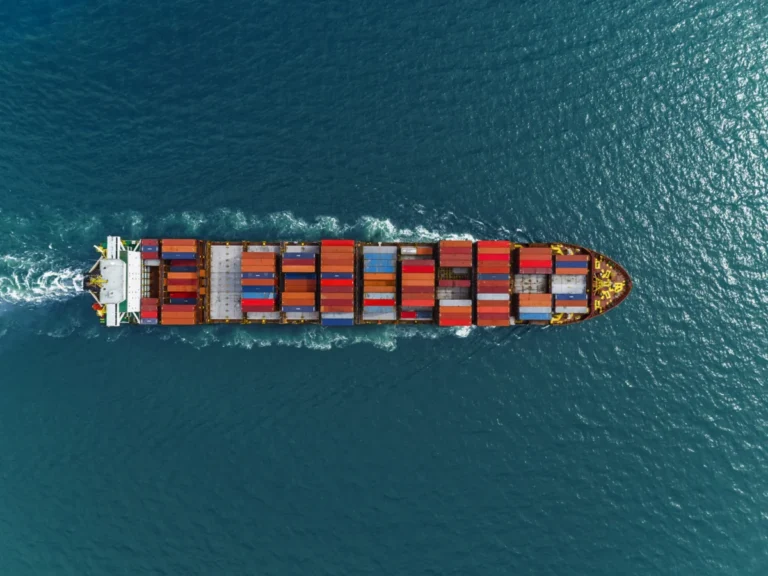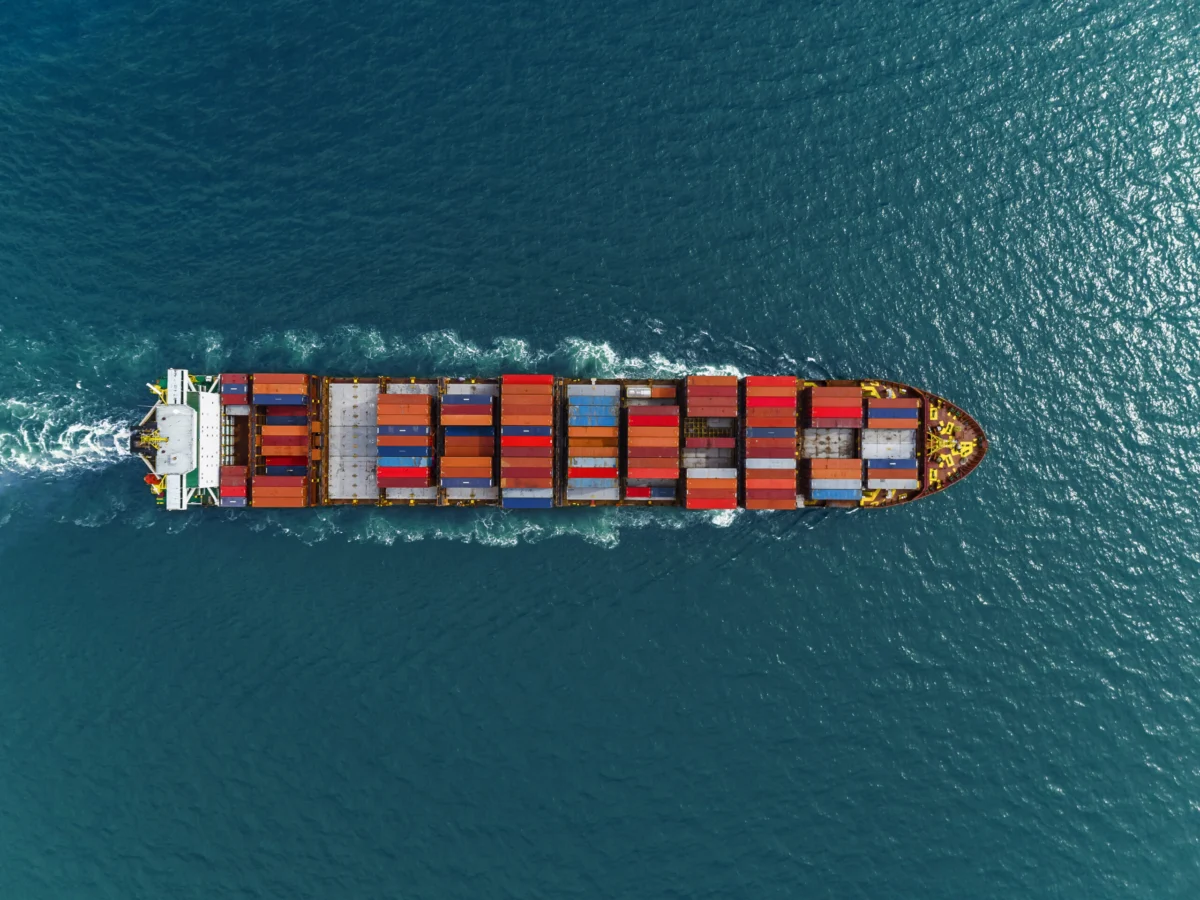
The United Nations Office for Project Services (UNOPS), in collaboration with the International Chamber of Commerce (ICC), the United Nations Trade and Development (UNCTAD), and the International Maritime Organization (IMO), has announced a comprehensive proposal for a new operational mechanism designed to restore the safe passage of commercial vessels through the Strait of Hormuz. This initiative arrives at a critical juncture for global commerce, as maritime traffic through this vital chokepoint has reportedly plummeted by more than 95% compared to pre-conflict levels. The proposed framework aims to establish a structured, transparent, and predictable environment for the registration, deconfliction, and monitoring of shipping, with an immediate strategic focus on the transport of fertilizers and related raw materials.
The Strait of Hormuz, a narrow waterway separating the Persian Gulf from the Gulf of Oman, is widely considered the world’s most important energy corridor and a primary artery for global trade. The recent and dramatic decline in vessel movements has sent shockwaves through international markets, prompting the UN Strait of Hormuz Task Force to seek a practical solution that balances security concerns with the urgent need to maintain the flow of essential goods. According to Jorge Moreira da Silva, Executive Director of UNOPS and coordinator of the Task Force, the mechanism is intended to build trust among stakeholders and mitigate the growing risks to global food security and economic stability.
A Practical Framework for Deconfliction and Facilitation
The proposed mechanism is built upon a multi-layered logistical and administrative structure. At its core, the framework provides a practical system for the registration of vessels intending to transit the Strait. This registration process is designed to enhance transparency, allowing for the systematic tracking and identification of commercial ships. Beyond mere registration, the mechanism introduces a "deconfliction" protocol—a military and diplomatic term for ensuring that humanitarian and commercial assets are not inadvertently targeted or caught in the crossfire of regional hostilities.
By prioritizing the movement of fertilizers and raw materials, the UN Task Force is addressing the foundational layer of the global food supply chain. Fertilizers are essential for agricultural productivity across the globe; a shortage or a significant spike in price can lead to reduced crop yields and, subsequently, higher food prices for consumers. The mechanism includes provisions for the prioritization of these goods, ensuring that they receive expedited processing and enhanced monitoring throughout their transit.
Furthermore, the framework establishes clear guidelines for the verification and reporting of vessel movements. This ensures that all participating parties are held to a high standard of accountability, reducing the likelihood of the mechanism being exploited for non-commercial or military purposes. Importantly, the UN has emphasized that this initiative is time-bound, exceptional, and limited in scope. It is not intended to be a permanent administrative body, nor does it transfer any sovereign authority from the littoral states to the United Nations or any other participating international entity. Instead, it functions within the existing boundaries of international law, including the United Nations Convention on the Law of the Sea (UNCLOS).
The Economic Impact: A 95% Collapse in Maritime Traffic
The urgency behind this proposal is underscored by the staggering data regarding current traffic through the Strait. Historically, the Strait of Hormuz has seen the passage of approximately 20% of the world’s total oil consumption and a significant portion of global liquefied natural gas (LNG). However, the UNOPS statement reveals that commercial traffic has effectively ground to a halt, with a reduction of over 95% since the escalation of regional tensions.
This collapse in shipping volume has triggered a cascade of economic consequences. Shipping companies, faced with exorbitant insurance premiums and the high risk of vessel seizure or attack, have largely rerouted their fleets or suspended operations in the region. For the global economy, this has meant increased transport costs, which are inevitably passed on to the end consumer.
The agricultural sector has been particularly hard-hit. As fertilizer exports from the region are delayed or blocked, farmers in the Global South and beyond are facing rising input costs. This pressure on the agricultural supply chain coincides with a period of high inflation in many parts of the world, further straining the purchasing power of vulnerable populations. The UN World Food Programme (WFP) has warned that if the disruption persists, nearly 45 million people could fall into acute food insecurity—a humanitarian catastrophe that the proposed mechanism seeks to avert.
Chronology of Disruption and the Path to the Task Force
The development of the Strait of Hormuz Task Force is the result of a deteriorating security environment that has evolved over several years, reaching a crisis point in recent months.
- Early 2023: Increasing reports of vessel harassment and temporary seizures in the Persian Gulf and the Gulf of Oman led to heightened insurance rates for commercial shipping.
- October 2023: The onset of major regional conflict significantly heightened the risk profile of the Middle East’s maritime corridors.
- Late 2023 – Early 2024: Commercial traffic through the Strait of Hormuz began to decline sharply as major shipping lines sought alternative, albeit longer and more expensive, routes around the Cape of Good Hope.
- Mid-2024: UNCTAD and the IMO reported that the disruption to the Strait, combined with ongoing issues in the Red Sea and the Panama Canal, created a "perfect storm" for global logistics.
- September 2024: UNOPS, under the leadership of Jorge Moreira da Silva, formalizes the Strait of Hormuz Task Force, drawing on the expertise of the ICC and other UN agencies.
- Present: The proposal for the operational mechanism is officially presented to international stakeholders as a non-military, diplomatic-logistical solution to the crisis.
Lessons from the Black Sea Grain Initiative
The inclusion of the International Chamber of Commerce (ICC) in the Task Force is a strategic move designed to leverage the private sector’s influence and logistical expertise. John Denton, the Secretary General of the ICC, brings a wealth of experience to the table, having played a pivotal role in the 2022 Black Sea Grain Agreement. That agreement, brokered by the UN and Turkey, successfully facilitated the export of millions of tonnes of grain from Ukrainian ports during the height of the Russia-Ukraine conflict.
The Black Sea initiative proved that even in the midst of active hostilities, a "humanitarian corridor" or a "safe passage mechanism" could be established if there was sufficient international will and a robust framework for verification. The Hormuz proposal seeks to replicate this success, adapted to the specific geographic and geopolitical realities of the Persian Gulf.
Speaking on the initiative, Mr. Denton highlighted the indispensable role of the private sector: "ICC’s engagement in the Task Force reflects the critical role of the private sector in working with partners to deliver practical solutions to issues impacting global trade flows. Continued disruption to shipping through the Strait is putting enormous pressure on global food security and economic stability. We must act to protect the lives and livelihoods of people everywhere who depend on these trade routes."
Global Reactions and Strategic Implications
While the proposal is led by UN agencies, its success depends heavily on the cooperation of regional powers and the international community. Diplomats and maritime analysts have begun to weigh in on the potential impact of the mechanism.
Maritime Industry Perspective:
Industry leaders have generally welcomed the proposal, noting that "predictability" is the most valuable commodity in global logistics. A spokesperson for a major global shipping alliance, speaking on the condition of anonymity, stated: "The current situation in the Strait is untenable. If the UN can provide a verified, deconflicted path, it would drastically reduce the risk assessment for our vessels, potentially lowering insurance premiums and allowing us to resume regular schedules."
Humanitarian and NGO Response:
Food security advocates have echoed the UN’s warnings. Organizations like Oxfam and the Food and Agriculture Organization (FAO) have emphasized that the focus on fertilizers is essential. "The world cannot afford another shock to the food system," an FAO representative noted. "By securing the movement of fertilizers today, we are preventing a famine tomorrow."
Geopolitical Analysis:
Analysts suggest that the mechanism could serve as a "de-escalation tool." By focusing on the technical and humanitarian aspects of trade, the UN is providing a neutral platform where conflicting parties can potentially find common ground without making major political concessions. However, some skeptics point out that the mechanism’s success is contingent on the restraint of non-state actors and the willingness of regional states to respect the UN-led process.
The Road Ahead: Trust as a Prerequisite for Trade
The primary challenge facing the Task Force is the deficit of trust in the region. Jorge Moreira da Silva acknowledged this in his official statement, noting that the immediate priority must be to "reduce risks, protect civilians and civilian infrastructure, and build trust and confidence."
The mechanism is designed to be an "operational bridge"—a temporary measure intended to stabilize the situation until a more permanent diplomatic resolution can be reached. By creating a transparent system where every vessel movement is registered and verified, the UN hopes to remove the "fog of war" that often leads to accidental escalations or targeted attacks on commercial shipping.
As the global economy continues to grapple with the effects of post-pandemic inflation and multiple regional conflicts, the stability of the Strait of Hormuz remains a non-negotiable requirement for international prosperity. The proposed UN-ICC mechanism represents perhaps the most significant non-military attempt to date to secure this vital waterway. If successful, it could not only restore the flow of fertilizers and food but also provide a blueprint for managing trade in an increasingly volatile and multipolar world.
The international community now looks to the littoral states and the major global powers to endorse and facilitate this framework. As the UN statement concludes, "There is no peaceful path through further escalation." The only viable way forward is through the restoration of safe, predictable, and protected maritime movement.
About the Author