Thatch, a pioneering platform dedicated to streamlining healthcare benefits for startups and their employees, has successfully closed a $108 million funding round, propelling its valuation to an impressive $1 billion. This latest capital infusion comes from a consortium of its existing high-profile investors, including The General Partnership, Index Ventures, General Catalyst, and Andreessen Horowitz, underscoring strong confidence in the company’s innovative approach to an often-complex industry. This significant milestone establishes Thatch as a newly minted unicorn, a remarkable achievement for a company that, at its core, does not primarily identify as an AI startup.
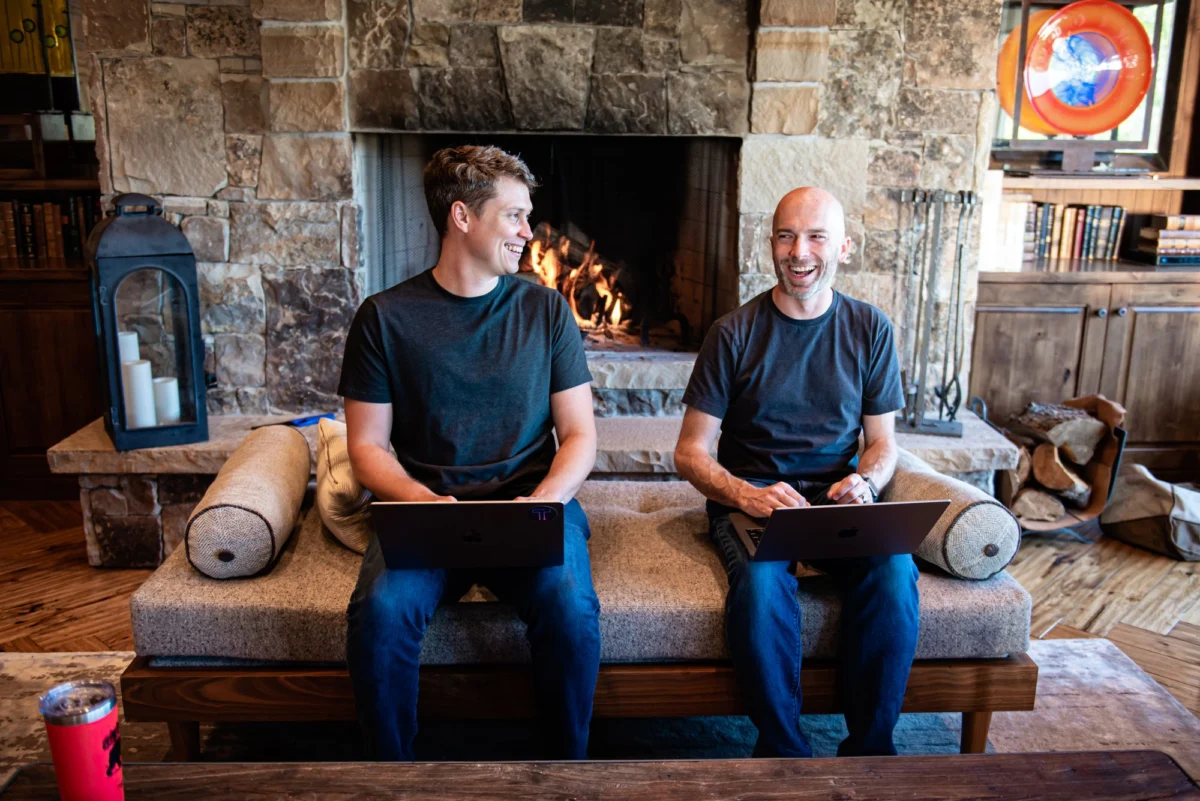
The recent funding round represents a substantial leap in valuation for Thatch, occurring merely 17 months after its previous $40 million Series B round, which valued the company at $410 million, according to data from PitchBook. This rapid appreciation reflects the acute market demand for solutions that address fundamental inefficiencies in employer-sponsored healthcare. Chris Ellis, co-founder and CEO of Thatch, revealed to TechCrunch that the company has witnessed its annual recurring revenue (ARR) grow approximately sevenfold, a testament to its market fit and operational execution. Ellis co-founded Thatch in 2021 alongside Adam Stevenson, a former engineering executive at Stripe, bringing a potent combination of entrepreneurial vision and technical expertise to the healthcare benefits space.
Addressing the Healthcare Cost Crisis and Evolving Employee Needs
Thatch’s accelerated growth is primarily fueled by two powerful, converging market forces. First and foremost is the relentless surge in employer healthcare costs, a pervasive challenge for businesses of all sizes, but particularly burdensome for nascent startups operating with tight budgets. Projections indicate that employer healthcare expenses are set to jump over 8% in 2027, according to Mercer, marking the largest increase since 2003. This escalating financial burden compels companies to seek more efficient and sustainable models for providing essential employee benefits. The traditional group health insurance model often involves opaque pricing, limited customization, and arduous annual negotiation processes, leading to significant administrative overhead and unpredictable cost increases.
Simultaneously, employee expectations regarding healthcare benefits are evolving rapidly. There’s a burgeoning desire for access to cutting-edge treatments and personalized care options, exemplified by the rising demand for GLP-1 drugs—medications like Ozempic and Wegovy, primarily used for weight management and diabetes treatment. These newer, often expensive therapies are frequently excluded or minimally covered by conventional health plans, leaving employees with unmet needs and forcing them to bear substantial out-of-pocket costs. This gap between traditional plan offerings and modern medical advancements creates a pressing need for more flexible and comprehensive benefit structures that empower employees to make choices tailored to their individual health journeys.
Thatch’s Innovative Solution: The ICHRA Model Transformed into CHOICE
Thatch tackles these dual challenges by leveraging and refining the Individual Coverage Health Reimbursement Arrangement (ICHRA) model, which it has rebranded as CHOICE. The ICHRA framework, established by federal regulation in 2020, represents a paradigm shift from the conventional employer-sponsored group health insurance model. Instead of enrolling all employees in a single, company-wide plan, ICHRAs allow companies to provide employees with a fixed, tax-free allowance, which employees then use to purchase individual health insurance plans that best suit their needs from the open market. This mechanism effectively separates the employer’s financial contribution from the employee’s specific insurance choice, offering unprecedented flexibility.
Under the CHOICE model, employers are liberated from the complex and often contentious annual negotiations with large insurance carriers such as Anthem or United Healthcare. This administrative simplification translates into significant time and resource savings. Companies can instead set a defined health budget for each worker, creating predictability in their benefits expenditures. Employees, in turn, gain access to Thatch’s curated marketplace, where they can explore and select from dozens of health, dental, and vision plans. This personalized approach is further enhanced by Thatch’s use of artificial intelligence, which intelligently recommends optimal health plans based on each employee’s unique health profile, preferences, and financial situation. For those requiring extensive medical care, the system allows them to supplement their employer-provided allowance with out-of-pocket funds to secure more comprehensive coverage. Conversely, healthier employees can opt for lower-cost plans and utilize any leftover funds via a Thatch debit card for other eligible health expenses, including crucial GLP-1 medications or wellness devices like an Oura Ring.
Chris Ellis characterizes this arrangement as a mutually beneficial "win-win" for both employers and their workforce. "If [employees] don’t like their insurance, they can switch to another one," Ellis stated, highlighting the newfound autonomy. "It creates pressure on insurers to compete for better service, denying fewer claims because they want to keep you as a customer." This competitive dynamic is a stark contrast to the traditional model, where employees often feel locked into a single, employer-dictated plan. For employers, the primary benefit lies in shedding the burden of annual carrier renegotiations while still being able to provide a robust level of coverage, frequently at a slightly reduced cost. This cost efficiency, combined with enhanced employee satisfaction, presents a compelling value proposition.
The Regulatory Landscape and Emergence of Personalized Benefits
The genesis of the ICHRA model dates back to 2017 when the Trump administration proposed new rules to expand access to health insurance options, culminating in the final regulations issued in 2019 and effective January 1, 2020. These regulations provided a legal and operational framework for employers of all sizes to offer ICHRAs, fundamentally altering the landscape of employer-sponsored health benefits. The intent was to give employers more flexibility and employees more choice, especially in light of the complexities introduced by the Affordable Care Act (ACA). Prior to ICHRAs, employers offering a health reimbursement arrangement (HRA) generally had to integrate it with a group health plan, limiting its utility for individual coverage. The ICHRA rule specifically allows employers to offer an HRA that can be used to purchase individual health insurance, marking a significant policy shift.
This regulatory change has paved the way for companies like Thatch to innovate within the healthcare benefits sector. Thatch is not alone in capitalizing on this six-year-old regulation to offer employers an alternative to the entrenched traditional model. A growing ecosystem of startups is emerging to support ICHRA adoption, with competitors such as Take Command, Remodel Health, and Zorro also vying for market share. These players collectively signal a broader industry trend towards more individualized, employee-centric, and cost-efficient benefit structures. As Ellis aptly puts it, "People are waking up to this because of costs, but then they’re realizing this is a better, more efficient way to do it."
Broader Impact and Future Implications
The substantial investment in Thatch, culminating in its unicorn valuation, carries significant implications across several dimensions of the healthcare and startup ecosystems.
For Startups and Small to Medium-sized Businesses (SMBs): The Thatch model offers a lifeline. Historically, offering competitive health benefits has been a major hurdle for startups trying to attract and retain top talent, often struggling to match the comprehensive packages of larger corporations. By providing a flexible, cost-controlled, and highly customizable benefits platform, Thatch enables these companies to level the playing field, making them more attractive employers without incurring unsustainable costs. This could significantly democratize access to quality benefits, fostering growth and innovation in the startup sector.
For Employees: The shift towards individual plans through platforms like Thatch represents a fundamental empowerment. Employees gain unprecedented autonomy over their healthcare decisions, moving away from a one-size-fits-all approach. This personalization is critical in an era where healthcare needs are increasingly diverse, from managing chronic conditions to seeking specialized treatments and prioritizing wellness. The ability to use pre-tax funds for a wider array of eligible health expenses, including innovative medications or wellness tech, aligns benefits with modern lifestyles and health goals.
For the Insurance Industry: The rise of ICHRA-based platforms like Thatch introduces a new competitive dynamic. Insurers, traditionally focused on large group contracts, will face increasing pressure to develop more competitive individual plans that appeal directly to consumers. This could spur innovation in plan design, pricing, and customer service within the individual market, ultimately benefiting consumers through greater choice and potentially lower costs. It also suggests a potential decentralization of insurance purchasing, moving power from corporate benefits departments to individual employees.
Venture Capital and Health Tech Investment: Thatch’s rapid ascent and unicorn status validate the venture capital market’s appetite for solutions addressing systemic inefficiencies in healthcare and HR technology. Even without a primary AI focus, the application of technology to simplify complex processes and unlock value in traditional sectors remains highly attractive to investors. This funding round could catalyze further investment in companies leveraging regulatory frameworks and innovative platforms to disrupt established industries. The fact that established investors like Andreessen Horowitz and General Catalyst are doubling down on Thatch signals confidence not just in the company’s execution, but in the long-term viability and growth potential of the ICHRA model.
Looking ahead, Thatch’s newly acquired capital is likely to fuel ambitious expansion plans. This could include investing heavily in product development to enhance its AI-driven recommendation engine, expanding its marketplace to include an even broader array of health and wellness services, and aggressively penetrating new markets. The company may also focus on educational initiatives to help both employers and employees navigate the nuances of the ICHRA model and maximize its benefits. As healthcare costs continue their upward trajectory and the demand for personalized benefits intensifies, Thatch is strategically positioned to redefine how businesses approach employee health coverage, ushering in an era of greater choice, transparency, and efficiency.
About the Author