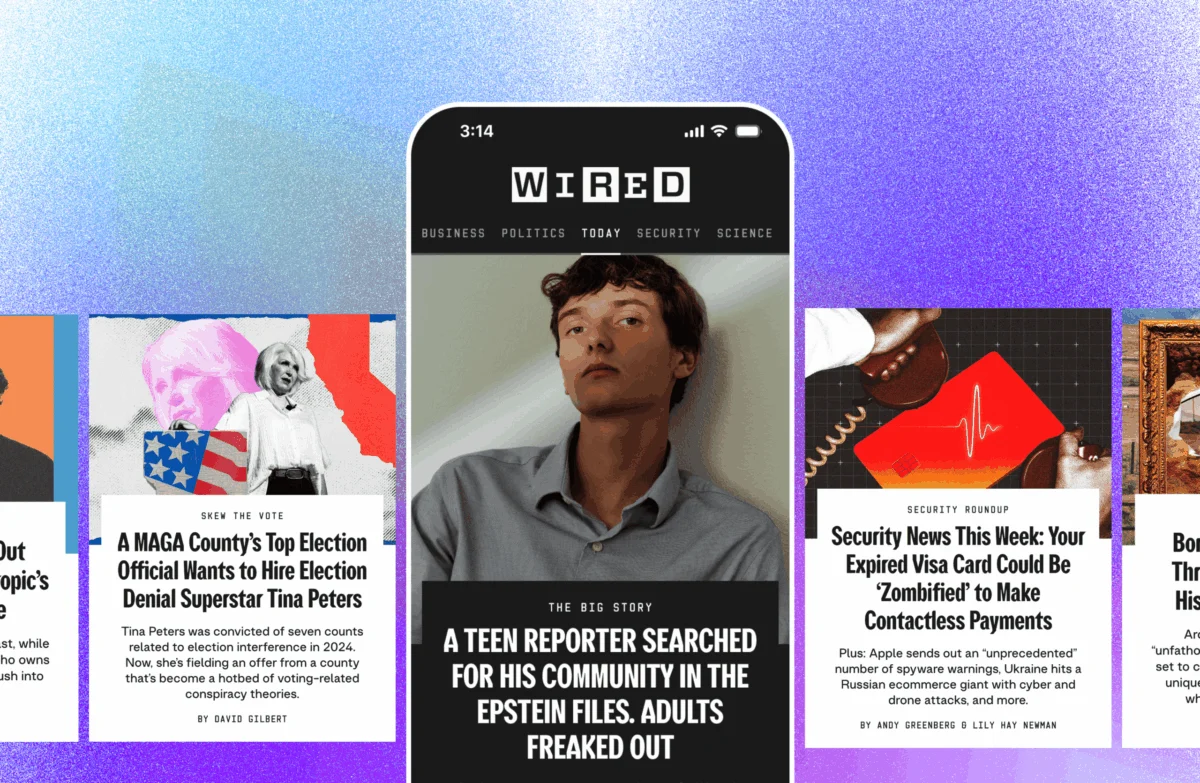
The digital media landscape has undergone a significant transformation with the official release of the new WIRED mobile application, now available for download on both the Apple App Store and Google Play Store. This launch represents a strategic overhaul of how one of the world’s most influential technology publications delivers its signature "future-looking journalism" to a global audience that is increasingly mobile-centric. By integrating text, video, and audio into a unified interface, the new application aims to provide a more cohesive and immersive experience for readers who seek deep-dive analysis on the intersections of technology, science, business, and culture. The app is offered as a free download, with tiered access for subscribers, ensuring that WIRED’s award-winning reportage is accessible across the most widely used mobile operating systems in the world.
A Strategic Pivot in Digital Consumption
The release of the new WIRED app comes at a critical juncture for the publishing industry. As social media platforms become less reliable as primary drivers of news traffic, legacy media brands are shifting their focus toward "owned" platforms—specifically mobile applications—to build direct relationships with their audiences. For WIRED, a publication that has chronicled the digital revolution since its inception in 1993, the new app is more than a simple content delivery tool; it is a statement of intent regarding the future of high-bandwidth journalism.
The application has been engineered to address the specific needs of the modern information consumer. Users now have multiple avenues to engage with WIRED’s content: they can read long-form investigative pieces, watch high-production-value documentaries and interviews, listen to narrated articles and podcasts, and connect with the broader WIRED community through integrated social features. This "multi-modal" approach is designed to cater to different environments, whether a user is commuting, working, or seeking long-form weekend reading.
Key Features and User Experience Enhancements
The redesigned interface prioritizes speed, clarity, and ease of navigation. According to early technical reviews and product descriptions, the app features a streamlined layout that reduces visual clutter, allowing the journalism to remain the focal point.
Multimedia Integration: Read, Watch, and Listen
One of the most significant updates is the seamless integration of WIRED’s expanding video and audio library. The "Watch" section provides direct access to WIRED’s popular YouTube series, including the "Autocomplete Interview" and technical deep dives, which have garnered billions of views globally. By housing these within the app, the publication ensures that video content is not just an adjunct to the text but a core component of the storytelling experience.
The "Listen" functionality responds to the explosive growth of the audio market. The app includes native support for WIRED’s suite of podcasts, such as Gadget Lab, WIRED Business, and The Get WIRED Podcast. Furthermore, the inclusion of automated and human-narrated audio versions of top stories allows users to consume complex reporting in a hands-free format, an essential feature for the modern professional.
Personalization and Offline Access
To combat "information overload," the new app introduces enhanced personalization algorithms. Users can follow specific topics—such as Artificial Intelligence, Cybersecurity, or Climate Change—to create a bespoke news feed. Additionally, a robust offline reading mode has been implemented, allowing subscribers to download long-form features for consumption in areas without cellular service, such as during air travel or in remote locations.
A Chronology of WIRED’s Digital Evolution
The launch of the 2024 mobile application is the latest milestone in a three-decade history of digital innovation. To understand the significance of this release, one must look at the publication’s timeline of technological adoption:
- 1993: WIRED Magazine is founded by Louis Rossetto and Jane Metcalfe, quickly becoming the "bible" of the burgeoning internet age.
- 1994: The launch of HotWired, the magazine’s website, which is credited with introducing the first-ever web banner advertisements, fundamentally changing the economics of the internet.
- 2006: Condé Nast acquires WIRED, providing the institutional backing of a global media powerhouse.
- 2010: WIRED becomes one of the first major publications to launch a dedicated iPad app, experimenting with interactive digital layouts that pushed the boundaries of the medium.
- 2018: The publication implements a digital paywall, signaling a shift toward a reader-supported revenue model focused on high-quality, exclusive content.
- 2024: The current app overhaul is launched, unifying the brand’s diverse digital assets into a single, high-performance mobile environment for iPhone and Android.
Supporting Data: The Rise of Mobile Journalism
The decision to invest heavily in a dedicated mobile application is supported by broader industry data regarding news consumption habits. According to a 2023 report by the Pew Research Center, approximately 86% of Americans say they get their news from a smartphone, computer, or tablet "often" or "sometimes." Specifically, the preference for mobile devices has eclipsed desktop usage, with mobile accounting for over 60% of digital news time.
Furthermore, data from the Reuters Institute for the Study of Journalism indicates that "app users" are significantly more loyal than "browser users." App users are twice as likely to return to a news source daily and are three times more likely to convert into paying subscribers. For a brand like WIRED, which relies on a mix of advertising and subscription revenue, the app serves as a critical tool for reducing churn and increasing the lifetime value of a subscriber.
Market Context and Industry Reactions
While official statements from Condé Nast leadership emphasize the user-centric nature of the app, industry analysts view the move as a defensive and offensive maneuver in an era of platform volatility. As Google’s search algorithms change and social media platforms like X (formerly Twitter) and Facebook deprioritize news links, publishers must own their distribution channels.
"The new WIRED app is a reflection of the ‘platform-less’ strategy that many top-tier publishers are adopting," says media analyst Marcus Thorne. "By creating a high-utility app, they are effectively building a walled garden where they control the data, the advertising environment, and the user experience without interference from third-party tech giants."
While internal reactions from the WIRED editorial team have focused on the creative possibilities of the new platform, the broader journalistic community sees this as a benchmark for tech reporting. The ability to present complex data visualizations and high-definition video alongside investigative prose sets a high bar for competitors like The Verge, TechCrunch, and CNET.
Implications for the Future of Tech Journalism
The implications of this launch extend beyond a simple software update. It signals a broader trend toward the "premiumization" of digital news. As AI-generated content begins to saturate the open web, established brands like WIRED are positioning their dedicated apps as "trusted environments" where content is vetted, curated, and high-quality.
Combatting Misinformation
By directing users to a controlled app environment, WIRED can ensure that its reporting is shielded from the algorithmic manipulation found on social media. This is particularly vital for the publication’s coverage of sensitive topics like election security, biotechnology, and global surveillance.
The Subscription Economy
The app is also a central pillar of WIRED’s subscription strategy. While the download is free, the app serves as a funnel to encourage casual readers to become full members. This shift toward a subscription-first model is seen as the most viable path forward for investigative journalism, which requires significant financial resources to produce.
Technical Specifications and Accessibility
From a technical standpoint, the app has been optimized for the latest hardware, including the high-refresh-rate displays of modern iPhones and the diverse screen sizes of the Android ecosystem. Accessibility features, such as adjustable text sizes, high-contrast modes, and screen-reader compatibility, have been integrated to ensure that the "future of journalism" is inclusive of all users.
Conclusion
The new WIRED app for iPhone and Android represents a sophisticated fusion of legacy editorial standards and modern technological capability. By providing a dedicated space for its exclusive, future-looking journalism, WIRED is not only adapting to the current habits of its audience but is also attempting to shape the future of how we consume information. In an era defined by rapid technological shifts and an overwhelming volume of content, the launch of this application suggests that the most valuable commodity in the digital age remains deep, insightful, and accessible journalism. As the publication continues to chronicle the innovations that change our world, its own digital evolution remains a testament to the enduring power of the written word—and the many ways we now choose to engage with it.
About the Author