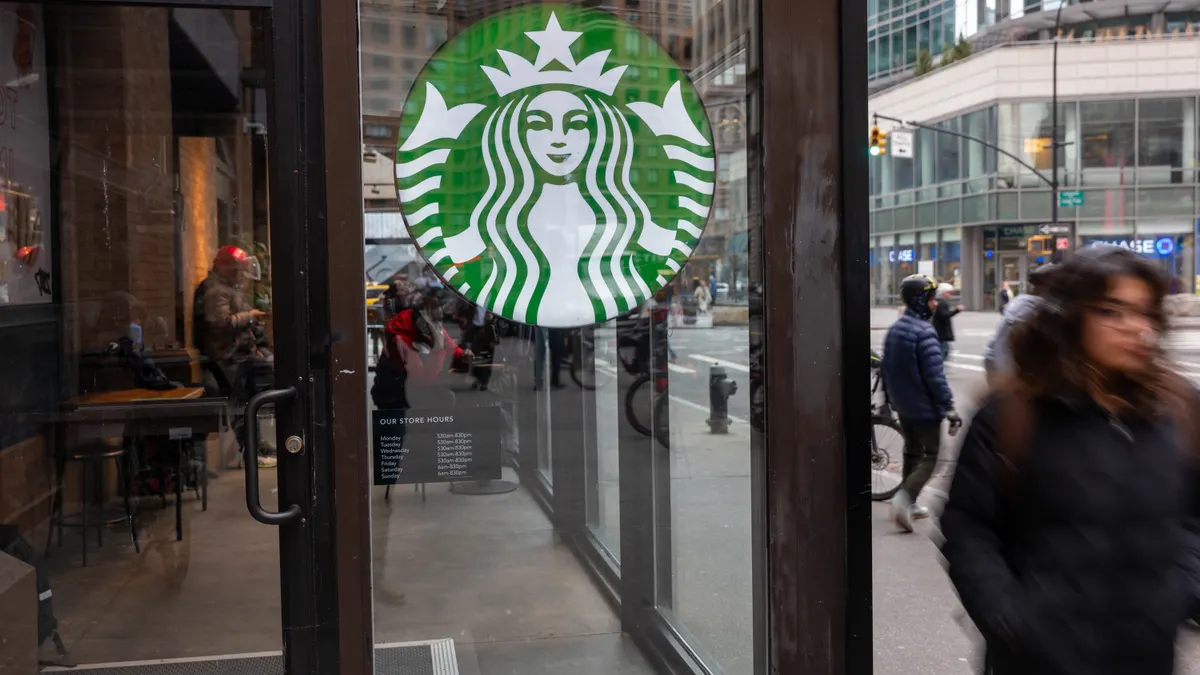
Starbucks has agreed to pay $1 million to voluntarily resolve a lawsuit filed by Florida Attorney General James Uthmeier, who alleged that the coffee chain implemented illegal race-based hiring and advancement policies that disfavored nonminority candidates. The settlement, announced by the Attorney General’s office, marks a significant development in the ongoing legal and regulatory scrutiny of Diversity, Equity, and Inclusion (DEI) initiatives within corporations across the United States.
Background of the Lawsuit and Allegations
The lawsuit, initiated by Florida in late 2025, centered on claims that Starbucks engaged in employment practices and programs that systematically excluded or disadvantaged individuals based on their race. Attorney General Uthmeier’s office detailed several specific allegations, including the maintenance of racial quotas for hiring, the establishment of differential wage scales contingent on an employee’s race, and the tying of executive compensation to participation in race-specific mentorship programs. Furthermore, the suit contended that individuals belonging to "disfavored races" were allegedly excluded from crucial networking and mentorship opportunities.
Florida’s legal action pointed to publicly available documents as evidence. Among these were a 2020 report where Starbucks stated its intention to hire individuals of color for 40% of its retail and distribution center positions and 30% of its corporate roles. The state also highlighted a 2024 regulatory filing indicating that 7.5% of an executive’s annual pay would be contingent on their service as a mentor to individuals who identified as Black, Indigenous, or People of Color (BIPOC). These specific examples formed the crux of the state’s argument that Starbucks’ DEI policies had crossed the line from promoting diversity to engaging in discriminatory practices.
Chronology of Events Leading to the Settlement
The legal proceedings against Starbucks did not occur in a vacuum. This enforcement action by Florida mirrors a broader trend of increased scrutiny of DEI programs at both state and federal levels.
- Late 2025: The Florida Attorney General’s office files a lawsuit against Starbucks, alleging discriminatory hiring and advancement practices based on race.
- Early 2026: Investigations and public discourse surrounding DEI initiatives intensify across various sectors. Similar lawsuits and regulatory actions begin to surface.
- September 18, 2026: Starbucks and the Florida Attorney General’s office announce a voluntary resolution to the lawsuit, with Starbucks agreeing to pay $1 million. The company also commits to adhering to Florida’s Civil Rights Act and provides assurances regarding its DEI programs.
The agreement stipulates that Starbucks will comply with Florida’s Civil Rights Act, which prohibits the alleged discriminatory conduct. Additionally, the company has pledged not to participate in organizations that mandate increased racial diversity on its board. Over a four-year period, Starbucks’ Chief Legal Officer will be required to submit annual certifications affirming the company’s continued compliance with these terms.
Official Statements and Corporate Response
Attorney General James Uthmeier articulated his office’s stance during the announcement. "This resolution ensures that Starbucks will comply with Florida’s laws prohibiting racial discrimination in employment," Uthmeier stated. "We are committed to protecting the rights of all Floridians and ensuring a fair and equitable marketplace for everyone." The Attorney General emphasized that the company’s commitment to compliance would be monitored through regular certifications.
In response to the settlement, Pilar Ramos, Executive Vice President and Chief Legal Officer at Starbucks, issued a statement accompanying the Attorney General’s announcement. Crucially, Ramos noted that Starbucks did not admit any wrongdoing as part of the resolution. "We will continue to focus on offering great jobs and career opportunities to our partners who wear the green apron, while making a positive impact on the communities we serve in Florida and around the world," Ramos said. This statement underscores Starbucks’ commitment to its existing workforce and its community engagement efforts, while also signaling a defensive posture regarding the allegations.

Broader Context: Federal Enforcement and Industry Trends
The Florida Attorney General’s action against Starbucks is emblematic of a nationwide trend of increased legal and governmental pressure on corporate DEI initiatives. This trend has been particularly pronounced under the Trump administration, which initiated a multi-year campaign to challenge what it characterized as potentially discriminatory DEI practices.
Agencies such as the U.S. Equal Employment Opportunity Commission (EEOC) and the U.S. Department of Justice (DOJ) have actively issued guidance clarifying how DEI programs might inadvertently lead to discrimination. This guidance has served to inform employers and shape enforcement strategies.
High-Value Settlements in DEI Litigation
The financial implications of these enforcement actions have been substantial. Recent high-dollar payouts highlight the risks associated with DEI programs perceived as discriminatory:
- Accenture Settlement: In the week prior to the Starbucks announcement, the DOJ revealed a $25 million settlement with Accenture. The agency had alleged that Accenture considered race and sex in its hiring and promotion decisions, thereby favoring candidates who advanced its demographic objectives.
- Deloitte Agreement: In August 2026, Deloitte agreed to a $21.5 million settlement with the DOJ over allegations of discrimination in hiring, promotion, and staffing decisions, reportedly stemming from its DEI programs.
These settlements indicate a pattern where companies are opting for significant financial resolutions to avoid protracted legal battles and potential further reputational damage.

EEOC’s Investigative Powers and Court Rulings
The EEOC has also been at the forefront of investigating employers facing allegations of DEI-based discrimination. Attorneys have previously informed HR Dive that the EEOC is likely to succeed in compelling employers to cooperate with its investigations, including compliance with subpoenas for information related to DEI programs. This prediction has been consistently borne out in court rulings.
- Northwestern Mutual Case: In July 2026, a federal judge ordered Northwestern Mutual to comply with an EEOC probe into its DEI policies, reinforcing the commission’s authority in this area.
Such rulings empower the EEOC to gather critical data on how companies design and implement their DEI strategies, providing a clearer picture of potential compliance issues. The agency’s assertive stance, coupled with the DOJ’s enforcement actions and state-level initiatives like Florida’s lawsuit, signals a challenging landscape for corporations navigating DEI.
Analysis of Implications and Future Outlook
The Starbucks settlement, while a voluntary resolution, carries significant implications for corporate DEI strategies nationwide. It underscores the heightened legal scrutiny these programs face and the potential for substantial financial penalties and reputational damage.
- Re-evaluation of DEI Metrics: Companies may need to critically re-evaluate how they set and measure diversity goals. Metrics that appear to set quotas or explicitly favor certain racial groups could be viewed as legally vulnerable. The focus may shift towards ensuring equal opportunity and fostering an inclusive environment without resorting to race-conscious decision-making that could be challenged under anti-discrimination laws.
- Increased Legal Counsel Engagement: The trend suggests that businesses will need to engage legal counsel more proactively and comprehensively when designing and implementing DEI initiatives. Ensuring that programs are compliant with federal and state civil rights laws will be paramount.
- Impact on Corporate Culture: The ongoing legal challenges and settlements could lead to a more cautious approach to DEI, potentially slowing down progress in some areas. However, it could also spur innovation in developing DEI strategies that are demonstrably equitable and legally sound.
- State-Level Variations: The involvement of a state Attorney General highlights the potential for varied enforcement approaches across different jurisdictions. Companies operating nationally must remain cognizant of and compliant with the specific legal frameworks in each state.
The $1 million settlement paid by Starbucks, while a fraction of the sums paid by Accenture and Deloitte, represents a clear signal from Florida’s top legal officer. It demonstrates a willingness to litigate and seek resolutions that address perceived discriminatory practices within DEI frameworks. As this legal and regulatory environment continues to evolve, corporations will need to adapt their strategies to ensure both their commitment to diversity and their adherence to the law. The coming years will likely see further refinement of DEI practices as businesses strive to balance inclusivity with legal compliance in an increasingly scrutinized corporate landscape.
About the Author