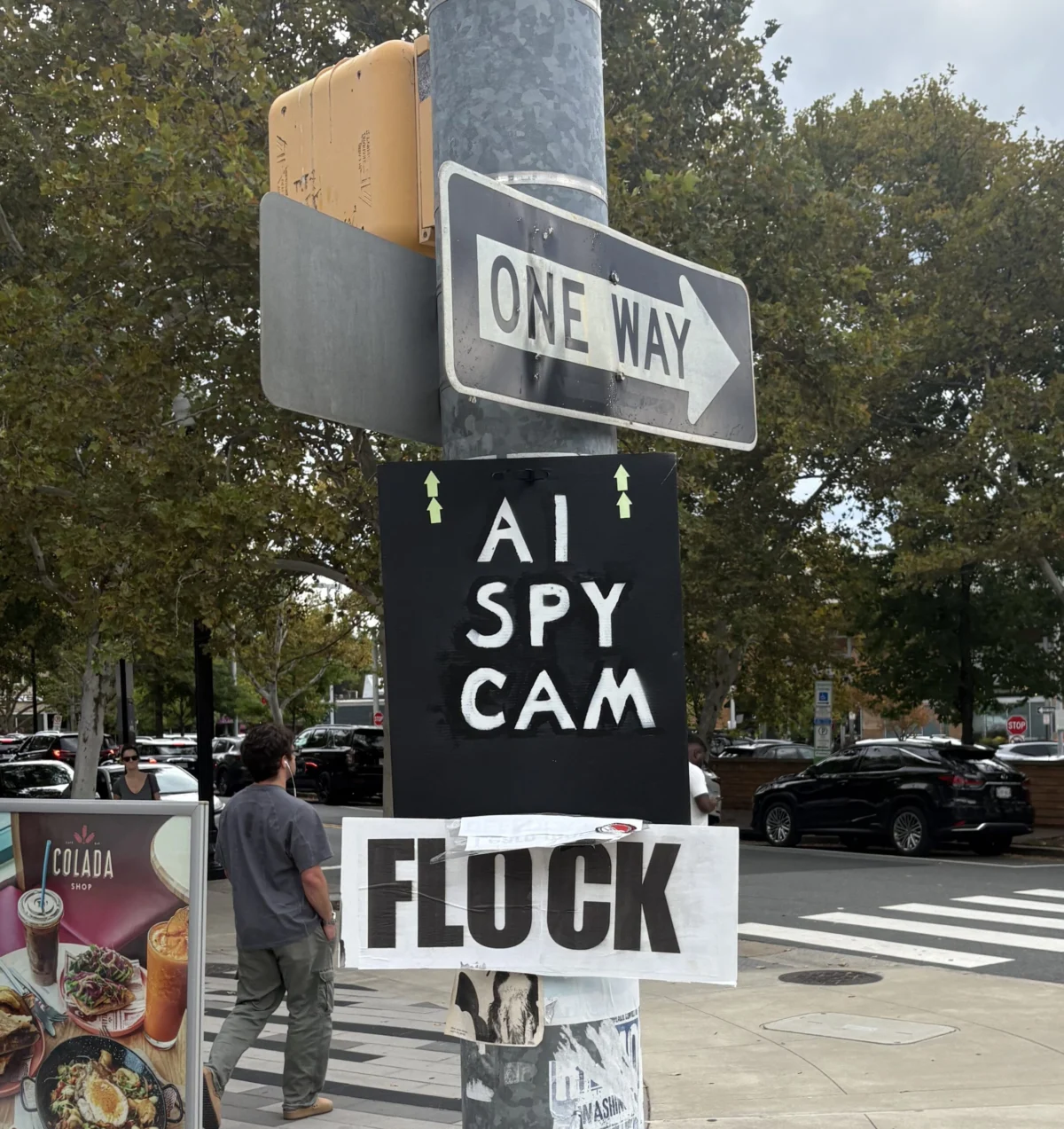
Arlington, VA – September 19, 2026 – Surveillance technology firm Flock Safety has initiated a voluntary employee departure program, offering what the company internally describes as its "most generous" severance packages to date. The move comes as the company faces intensifying scrutiny and public backlash over the misuse of its license plate recognition (LPR) technology by law enforcement agencies, leading to a significant erosion of trust and a wave of contract terminations.
The program, announced internally on Friday, aims to allow employees to leave the company on favorable terms, a move that analysts suggest is a strategic response to mounting internal morale issues and the growing external pressure. Flock, which employs approximately 1,500 individuals, reportedly anticipates a substantial number of its workforce to express interest in these buyouts. The company has indicated that it will approve the majority of these voluntary departures. This proactive approach to workforce reduction, through voluntary means, allows Flock to manage its staffing while potentially mitigating the negative perception associated with involuntary layoffs.
The timing of this initiative is particularly noteworthy, occurring just weeks after a damning report by The Washington Post detailed numerous instances of law enforcement officers allegedly misusing Flock’s LPR technology. The report, published in early August 2026, identified at least 46 cases where police officers were accused of using the surveillance system for personal vendettas, including stalking former partners. This revelation has significantly amplified existing privacy concerns surrounding the widespread deployment of Flock’s camera network.
A Growing Storm of Criticism and Contract Terminations
The allegations of misuse have triggered a swift and severe reaction from state and local governments. In the wake of The Washington Post’s exposé, both Florida and Texas announced their intentions to cease utilizing Flock’s technology. This governmental pushback has been mirrored at the municipal level, with an anti-surveillance advocacy group reporting a dramatic surge in cities terminating their contracts with Flock. In August alone, approximately 90 cities reportedly dropped Flock, a fourfold increase compared to the preceding month. This rapid attrition signifies a growing consensus among municipalities to distance themselves from the controversial technology due to privacy and accountability concerns.
Internal Repercussions and Strategic Workforce Management
The external controversy has inevitably seeped into Flock’s internal operations, impacting employee morale. Garrett Langley, Flock Safety’s CEO, acknowledged this in a recent appearance on the "All-In" podcast, stating that the "biggest damage" stemming from the backlash has been to "internal morale." The voluntary buyout program can be interpreted as an attempt to address this demoralization proactively. By offering attractive exit packages, Flock can potentially reduce the number of disaffected employees, thereby improving the working environment for those who remain. Furthermore, this strategy avoids the public relations fallout that often accompanies forced layoffs, which could further tarnish the company’s already strained reputation.

The company’s LPR technology, deployed across thousands of locations, captures images of vehicle license plates and stores them in a searchable database. While Flock markets its technology as a tool to enhance public safety by helping law enforcement solve crimes, critics argue that its widespread use creates a pervasive surveillance infrastructure that can be easily abused. The recent reports have lent significant weight to these criticisms, providing concrete examples of how the technology has been weaponized for personal purposes.
A Chronology of Escalating Challenges
The current crisis for Flock Safety did not emerge overnight. The company, founded in 2017, has experienced rapid growth by selling its LPR cameras and data services to law enforcement agencies and private communities across the United States. However, concerns about data privacy and potential misuse have been a persistent undercurrent.
- Early 2026: Reports begin to surface regarding the broad scope of Flock’s data collection and its potential for surveillance beyond immediate crime-solving.
- Mid-2026: Advocacy groups and privacy advocates intensify their calls for greater transparency and stricter regulations on LPR technology, citing Flock as a primary example.
- August 2, 2026: The Washington Post publishes its in-depth investigation, "How police officers used vast network of cameras to spy on their exes," detailing specific instances of Flock technology misuse. This report acts as a significant catalyst for public and governmental reaction.
- August 2026: Following the Washington Post report, states like Florida and Texas announce their intention to halt the use of Flock cameras. Simultaneously, the rate of cities terminating Flock contracts experiences a sharp increase.
- Early September 2026: Flock CEO Garrett Langley addresses the internal impact of the backlash, acknowledging the damage to employee morale.
- September 19, 2026: Flock Safety announces its voluntary employee departure program, offering severance packages to its workforce.
The Broader Implications of the Flock Controversy
The escalating situation surrounding Flock Safety has significant implications not only for the company but also for the broader landscape of public safety technology and data privacy in the United States.
- Regulatory Scrutiny: The widespread misuse allegations are likely to accelerate calls for federal and state-level legislation to govern the use of LPR technology. This could include mandates for data retention limits, access controls, and independent oversight mechanisms.
- Erosion of Public Trust: The incidents of personal vendettas carried out using Flock’s technology have severely damaged public trust in both law enforcement and the companies that provide them with surveillance tools. Rebuilding this trust will require a concerted effort from all parties involved.
- Impact on the Surveillance Technology Market: Flock’s predicament serves as a cautionary tale for other companies operating in the burgeoning surveillance technology sector. The market may see increased pressure from investors and the public to adopt more ethical and transparent practices. Companies that prioritize privacy-by-design and robust accountability measures may gain a competitive advantage.
- Law Enforcement Accountability: The controversy highlights the critical need for robust internal policies and accountability measures within law enforcement agencies to prevent the misuse of advanced surveillance tools. Training, auditing, and clear disciplinary protocols are essential to ensure that technology serves its intended purpose without infringing on civil liberties.
While Flock Safety’s voluntary buyout program offers a potential path to navigate its current challenges by managing its workforce and addressing internal morale, the company’s long-term viability will likely depend on its ability to regain public trust and adapt to a rapidly evolving regulatory and societal landscape. The ongoing scrutiny of its LPR technology and the growing movement by municipalities to sever ties suggest that Flock faces a formidable uphill battle in the coming months and years. The company’s ability to implement meaningful changes in its technology’s governance and to demonstrate a genuine commitment to privacy will be paramount in determining its future.
TechCrunch has reached out to Flock Safety for further comment on the voluntary departure program and the company’s future strategies in light of the ongoing controversies. As of this report, no further details beyond the initial internal announcement have been provided by the company. The situation remains fluid, with significant implications for the intersection of technology, public safety, and civil liberties.
About the Author