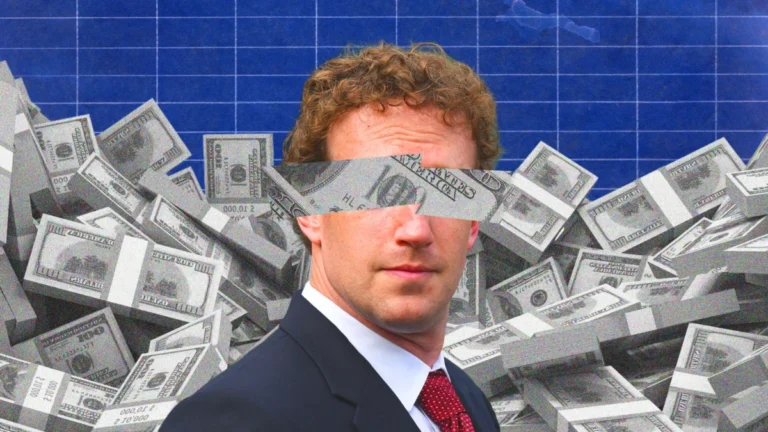
California Governor Gavin Newsom has signed into law a significant piece of legislation, AB 1130, that dramatically strengthens disclosure requirements for online influencers paid to promote political content. This new bill imbues existing regulations with real enforcement power, imposing substantial fines and the potential for criminal charges for non-compliance. Previously, while disclosure was mandated for influencers engaging in paid political endorsements at the state and local levels, the absence of penalties rendered the requirement largely symbolic. The move by California follows similar legislative efforts in states like Texas and signals a growing national concern over the opaque nature of digital political advertising and its potential to sway public opinion without transparency.
The impetus for AB 1130 appears to stem from a confluence of factors, including increasing reliance on digital platforms for political campaigning and a recognized gap in regulatory oversight. The New York Times reported that the legislation was prompted, in part, by observations during earlier political campaigns. Specifically, the publication highlighted the activities of billionaire Tom Steyer, who, during his unsuccessful bid for the Democratic nomination for California governor earlier in 2026, reportedly engaged numerous online influencers to promote his campaign. A significant number of these influencers, according to reports, failed to adequately disclose their paid associations, raising questions about the authenticity of their endorsements and the electorate’s right to know who is funding political messaging.
Governor Newsom’s office framed the signing of AB 1130 as part of a larger legislative initiative aimed at bolstering election integrity and safeguarding California’s democratic processes against potential interference. The administration explicitly linked this package of bills to concerns about potential election interference from President Donald Trump. This broader context underscores a heightened awareness among policymakers regarding the evolving landscape of political communication and the vulnerabilities inherent in the digital sphere.
A Closer Look at AB 1130 and its Enforcement Mechanisms
Assemblyman Marc Berman, a Democrat and the sponsor of AB 1130, articulated the legislative intent behind the bill, stating that he introduced it upon recognizing "a bit of ambiguity about the [existing] law and how it’s enforced." This acknowledgment points to a critical deficiency in prior legislation, where the lack of tangible consequences for non-disclosure created an environment where compliance was optional rather than mandatory.
Under the new statutory framework, AB 1130 empowers regulatory bodies to levy fines of up to $5,000 for each instance of non-disclosure. This significant financial penalty is designed to serve as a strong deterrent. Furthermore, the bill introduces the possibility of referring offenders to law enforcement for potential misdemeanor charges, signaling a more serious stance on violations and elevating the stakes for influencers and their affiliated campaigns. This dual approach—civil penalties and the threat of criminal prosecution—represents a substantial escalation in the enforcement of political advertising transparency.
Historical Context and the Rise of Influencer Marketing in Politics
The emergence of AB 1130 is deeply intertwined with the rapid evolution of digital marketing and the subsequent integration of influencer strategies into political campaigns. For years, brands have leveraged the perceived authenticity and reach of social media personalities to connect with target demographics. This model has, in recent years, been increasingly adopted by political actors seeking to bypass traditional media gatekeepers and engage directly with voters, particularly younger demographics who may be less responsive to conventional advertising.
Prior to AB 1130, California’s disclosure laws, while present, lacked the robust enforcement mechanisms necessary to ensure widespread compliance. This created an uneven playing field where campaigns that adhered to disclosure rules were at a disadvantage compared to those that did not, and where consumers were often unaware of the financial motivations behind certain political endorsements. The legal landscape surrounding online political advertising has been a developing area, with different states adopting varying approaches. Texas, for instance, also mandates disclosure for paid political content disseminated online, indicating a broader trend towards regulating this burgeoning sector.
The timeline leading to AB 1130’s passage can be traced back to ongoing discussions and concerns within political and regulatory circles about the efficacy of existing disclosure requirements. The perceived loophole in enforcement, highlighted by the activities of figures like Tom Steyer during the 2026 election cycle, provided a concrete example and likely accelerated legislative action. Governor Newsom’s signature on September 20, 2026, marked the culmination of these efforts, ushering in a new era of accountability for digital political endorsements in the Golden State.

Supporting Data and the Scale of the Influencer Economy
The influencer marketing industry has seen explosive growth, with global spending projected to reach tens of billions of dollars annually. While precise figures for political influencer marketing are harder to isolate, the trend is undeniable. A significant portion of this spending is directed towards platforms like Instagram, TikTok, YouTube, and X (formerly Twitter), where influencers cultivate large and engaged followings.
The effectiveness of influencer marketing lies in its ability to foster a sense of trust and relatability. Influencers often present themselves as peers or trusted advisors, making their recommendations appear more organic than traditional advertisements. This perceived authenticity, however, can be easily undermined when endorsements are financially motivated and not clearly disclosed. Research from organizations like the Pew Research Center has consistently shown that a significant portion of the public expresses concern about the authenticity of online information and the potential for undisclosed advertising to mislead consumers.
For instance, studies have indicated that audiences are more likely to trust recommendations from influencers they perceive as genuine. When these endorsements are paid political messages, the absence of disclosure can lead to a misinformed electorate, where support for a candidate or policy is based on undisclosed commercial interests rather than genuine conviction. The fines imposed by AB 1130 are calibrated to reflect the potential financial gains from such undisclosed endorsements and the significant impact they can have on public discourse.
Official Responses and Broader Implications
Governor Newsom’s administration has consistently emphasized the importance of transparency in political advertising. The signing of AB 1130 aligns with this broader commitment to safeguarding democratic processes. The legislative package of which AB 1130 is a part aims to create a more robust defense against various forms of election interference, acknowledging that the digital domain presents unique challenges and opportunities for manipulation.
The sponsor of the bill, Assemblyman Marc Berman, has been a vocal advocate for campaign finance reform and transparency. His statement regarding the "ambiguity" of existing laws underscores the proactive nature of this legislative intervention, aiming to close loopholes before they can be further exploited.
The implications of AB 1130 extend beyond California’s borders. As a populous and influential state, California’s legislative actions often serve as a bellwether for other states and potentially for federal policy. The law’s stringent penalties could prompt a reevaluation of disclosure requirements nationwide, encouraging a more uniform approach to regulating digital political advertising.
For online influencers, the new law necessitates a significant shift in operational practices. Failure to comply could result in substantial financial penalties and damage to their professional reputation. Campaigns and political organizations that engage influencers will also face increased scrutiny and responsibility for ensuring their partners adhere to disclosure mandates. This heightened accountability is expected to foster a more transparent and trustworthy environment for political discourse online.
The Future of Political Transparency in the Digital Age
AB 1130 represents a critical step forward in the ongoing effort to ensure transparency in political communication within the rapidly evolving digital landscape. By attaching meaningful consequences to non-disclosure, California is signaling its intent to hold both influencers and the campaigns that employ them accountable for their role in shaping public opinion.
The success of this legislation will likely be measured by its impact on compliance rates and the extent to which it restores public trust in online political endorsements. As technology continues to advance and new forms of digital communication emerge, the need for adaptive and robust regulatory frameworks will only grow. AB 1130 serves as a crucial precedent, demonstrating that proactive legislative action can effectively address the challenges posed by the digital age to democratic integrity. The coming years will reveal the full extent of its influence and its potential to shape the future of political advertising transparency across the nation.
About the Author