Few phenomena within the creator economy have moved as fast as AI’s embrace. What was once treated with anxious suspicion is now more widely viewed as a necessary strategy. Last year, according to Kameron Buckner, founder of Social Docket, which helps creators navigate the legal implications of their work, the conversation around AI was defined by dread. This year, she says, the tone has shifted from fear to leverage – less “this thing is going to take over” and more “how do we actually use it?”
Buckner’s observations align with the prevailing sentiment among professionals in the burgeoning creator economy. A recent survey by [Insert hypothetical survey name, e.g., "Creator Insights Global"] found that over 70% of surveyed creators reported integrating AI tools into their workflow within the past year, a significant jump from just 20% the previous year. This rapid adoption signals a fundamental shift in how creators perceive and utilize artificial intelligence, moving from apprehension to a proactive engagement.
The Cannes Lions International Festival of Creativity, a prominent global gathering for the advertising and creative industries, underscored this evolution. Attendees reported that artificial intelligence was a central theme throughout discussions, panels, and workshops. While the technology’s potential implications remain a subject of ongoing debate, the pervasive presence of AI at such a high-profile event suggests its entrenchment within the creative landscape. Experts attending the festival noted a palpable absence of outright fear, replaced instead by a pragmatic exploration of AI’s utility and potential.
Across various sectors of the creator economy, from top creators and consultants to founders and social media strategists, the consensus is clear: AI is no longer a distant threat but an active participant in their professional lives. This integration has, however, introduced a new set of complex questions to an industry fundamentally built on principles of enhanced productivity, innovative monetization strategies, and the critical protection of intellectual property. The core challenge now lies in discerning how to wield these powerful tools effectively, distinguishing between those who will leverage AI to stay ahead of the curve and those who risk being overshadowed by its accelerating capabilities.
The Accelerator Versus the Author: Redefining Creative Input
DonYé Taylor, a seasoned strategist known for her impactful campaigns for brands such as LVRN, Amazon, Nike, and Essence, now operates Nuclei, a brand blending functional philosophy with interior design, alongside her popular newsletter, "Mentally I’m Here." Taylor views AI not as a replacement for human ingenuity but as a sophisticated tool. "AI is like a calculator," she states. "Just because I have a TI-89 doesn’t mean I’m going to get the right answer. I still need to put the right inputs into the calculator." This analogy highlights the critical role of human direction and critical thinking in harnessing AI’s potential.
Alicia Richardson, Head of Community and Brand Partnerships at FiveTwoNine and founder of Black Create Connect, echoes this sentiment. "It can enhance your creativity," she explains. "It doesn’t create your creativity." Richardson believes that for creator-led work, AI will not supplant human talent because audiences forge connections with individuals, not merely the outputs they produce. This distinction is crucial, emphasizing the enduring value of authentic human connection and original thought in a technologically advanced landscape.
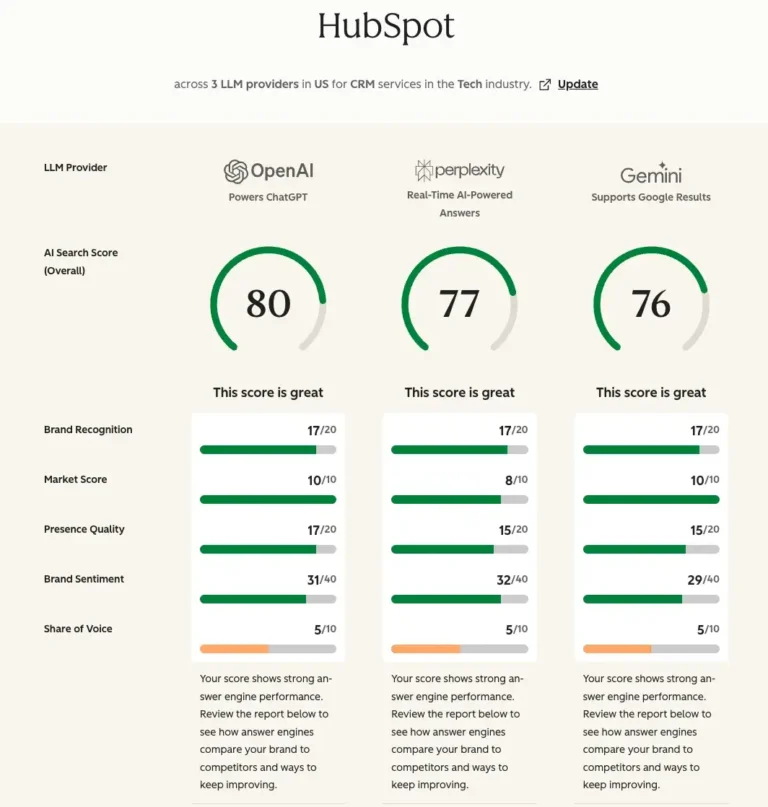
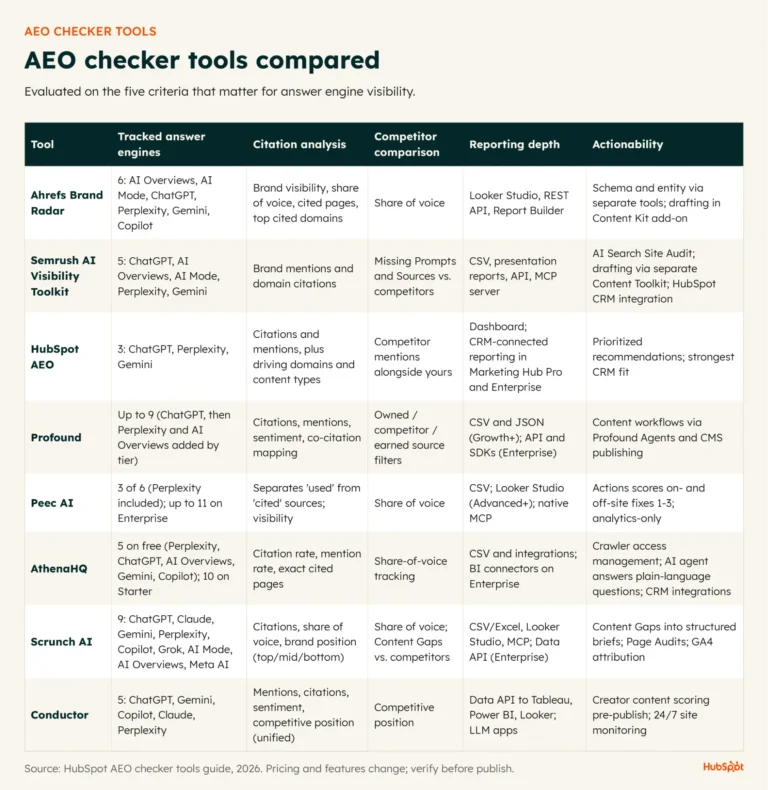
Kameron Buckner advises her clients to conceptualize AI as a powerful starting point rather than a final product. "Why start from a blank sheet of paper when you can start from an outline?" she poses. For Buckner, the meticulous process of crafting effective AI prompts has paradoxically sharpened her own management skills. It compels her to articulate her objectives with greater precision before delegating tasks, a practice she applies to her own professional visibility. Using tools like HubSpot’s AEO (All-In-One Optimization) tool, she monitors Social Docket’s presence in search results for creator contract solutions, demonstrating a strategic integration of AI into business development.
Gigi Robinson, a prominent content creator and founder of the social media consulting business Hosts of Influence, employs AI by feeding extensive raw footage into video editing tools to generate a preliminary cut before human editors refine it. The AI excels at identifying key moments, but the ultimate creative decisions rest with human editors. This hybrid approach has yielded significant results for Robinson, who estimates that AI saves her team over 10 hours weekly and has contributed to a more than 20% increase in her income. This case illustrates AI’s capacity to streamline workflows and boost profitability when guided by human creative oversight.
Lindsey Gamble, Vice President of Creator Strategy & Innovation at IZEA, points to a broader trend of enhanced productivity. Creators are actively building personalized, searchable content repositories by feeding years of newsletters and past captions into AI tools. This process unearths thematic connections and forgotten insights that would otherwise remain obscured, demonstrating AI’s utility in content strategy and archival retrieval.
Despite the growing efficiency gains, Buckner stresses that AI tools do not diminish the intrinsic value of human expertise. "I don’t think any of these tools are going to substantially replace depth of knowledge and expertise," she asserts. This perspective underscores that while AI can augment processes, it cannot replicate the nuanced understanding and specialized skills that define a valuable professional.
The Legal Landscape: A Race to Keep Pace
While AI continues to evolve at an unprecedented pace, the legal frameworks governing its use are struggling to catch up. "Law is so far behind, it’s never going to be able to catch up to the speed of technology," Buckner observes. "We’re still citing cases from like 1963." This significant lag creates a vacuum where established legal precedents are often insufficient to address the novel challenges posed by AI-generated content and its implications.
In this evolving environment, brands are beginning to push the boundaries of what they expect from creators. Buckner reports an emerging trend of contract clauses requiring creators to grant brands access to their AI prompts and processes. Her response is firm: "Immediately, no. That’s unnecessary access." She argues that the act of prompting is where a creator’s genuine intellectual engagement resides, offering brands insights into their thought processes that extend beyond the deliverable itself. Buckner advocates for creators to establish clear boundaries, even if formal legal recognition is still pending.
Conversely, Gamble has encountered contracts that outright ban AI usage. One recent clause stipulated that creators could not employ any AI software, tools, or technologies without explicit prior written consent from the brand. He anticipates a future where creators will proactively incorporate their own AI usage clauses into agreements, safeguarding their content and unique voice from being repurposed by brands leveraging AI.
Annie-Mai Hodge, founder of Girl Power Marketing and a HubSpot partner, highlights a significant paradox within social media platforms. While these platforms are integrating AI tools directly into creators’ dashboards, they simultaneously penalize content generated by these same tools. "We are stuck in this incredibly frustrating paradox where platforms demand AI adoption but punish the output," Hodge states. This creates a chilling effect, leading creators to either hesitate in experimenting with AI or feel compelled to conceal their use of it.
Robinson has witnessed the consequences of creators relying on AI without fully comprehending contract stipulations. She recounts a situation where a creator, after partnering with one brand, posted content for a direct competitor shortly thereafter. This action technically fell within the typical exclusivity window of most brand deals, a detail Robinson, with her own experience in brand partnerships, knows is critical. She questions whether the creator’s lapse was due to delegating contract review to AI, potentially missing crucial details.
Furthermore, Robinson points out that submitting confidential contracts to public AI tools like ChatGPT can, in itself, constitute a breach of agreement, depending on the strictness of the brand’s legal team. This underscores the need for extreme caution when using AI with sensitive proprietary information.
Buckner’s advocacy for creators stems precisely from these complexities. While AI can explain the definition of a term like "perpetuity," it cannot adequately contextualize its real-world ramifications for a creator’s specific situation. Bridging the gap between definition and consequence, Buckner maintains, remains an intrinsically human task.
Bridging the Divide: Does AI Level the Playing Field or Widen the Gap?
In many respects, AI has emerged as a significant equalizer within the creator economy. Gamble observes this phenomenon regularly in his work. Tools that once required substantial financial investment are now accessible to anyone with a laptop and a subscription service. "It gives them the tools that bigger creators have with teams and dedicated staff and more funds," he remarks about emerging creators. The ability to generate scripts, captions, rough cuts, and carousels, tasks that previously necessitated professional assistance, can now be accomplished in minutes.
However, the same tools that lower the barrier to entry can also lead to a homogenization of content. "If everyone’s using the same thing and doing the same thing, a lot of the content feels the same," Gamble notes. This effect arises when numerous creators utilize the same AI tools in similar ways, resulting in predictable patterns and a lack of distinctiveness.
Data from Lean In, cited by Hodge, reveals a concerning disparity: women are 22% less likely than men to be regular AI users at work and 32% more likely to worry about being perceived as "cheating" if they employ AI. Hodge reflects, "While it’s my choice to keep AI out of my core workflow, we need to look at why women are conditioned to feel guilty for plugging it into their daily operations." This highlights an underlying societal conditioning that may impede women’s adoption of AI tools, potentially exacerbating existing inequalities.
On a more optimistic note, Hodge observes AI playing a role in closing another kind of gap: pay equity in negotiations. Rate transparency has historically been a significant taboo in the creator economy. AI chatbots, however, have facilitated access to industry benchmarks, empowering creators with greater confidence and leverage during negotiations, even if it doesn’t always result in immediate rate increases. This accessibility democratizes information previously held by a select few, fostering a more equitable negotiation environment.
The Unshakeable Consensus: Humans Remain Irreplaceable
At the Cannes Lions International Festival of Creativity this year, the word "human" was reportedly heard more frequently than "AI" or "creators" themselves. Gigi Robinson interprets this as a clear signal that, even within a leading marketing event, there remains a profound desire to ensure human oversight and creativity are at the helm of any work.
DonYé Taylor succinctly articulates this sentiment: "AI does not have feelings, it does not have emotion. You can’t replace human connection." This intrinsic human capacity for empathy and emotional resonance is something AI cannot replicate, forming the bedrock of genuine connection with audiences.
Lindsey Gamble witnesses the consequences of bypassing human input, particularly on platforms like LinkedIn, where "everyone’s writing sounds the same. No one really has a voice, because everyone’s using the same thing." He likens creativity to a muscle that atrophies when not actively used, much like a physical body that ceases to train. His advice to creators is to actively protect this creative muscle by periodically engaging in writing, filming, or ideation without any AI tools, mirroring their pre-AI workflows. Gamble also emphasizes the importance of disclosure, noting that undisclosed AI-generated content often elicits an immediate negative reaction from audiences.
Alicia Richardson concurs, drawing a similar conclusion from the brand perspective. While AI-generated animation may have its place, she firmly believes that for creator-led content, AI will not dominate. "People connect with human beings, and that won’t ever change," she asserts. This fundamental truth about human connection is what underpins the enduring value of human-driven creativity.
Annie-Mai Hodge continues to manually review and summarize social media updates each week, rather than automating the process. "Some people might think I’m mad for doing it that way," she admits, "but respectfully, ChatGPT and Claude can’t do it like I can." Her counsel to fellow creators is not to avoid AI tools but to be precise about their application. "If you are going to use it," she advises, "make it work harder for you." Ultimately, she emphasizes, AI can never truly be you. This perspective champions a strategic integration of AI that augments human capabilities without sacrificing authenticity or unique creative expression.
About the Author