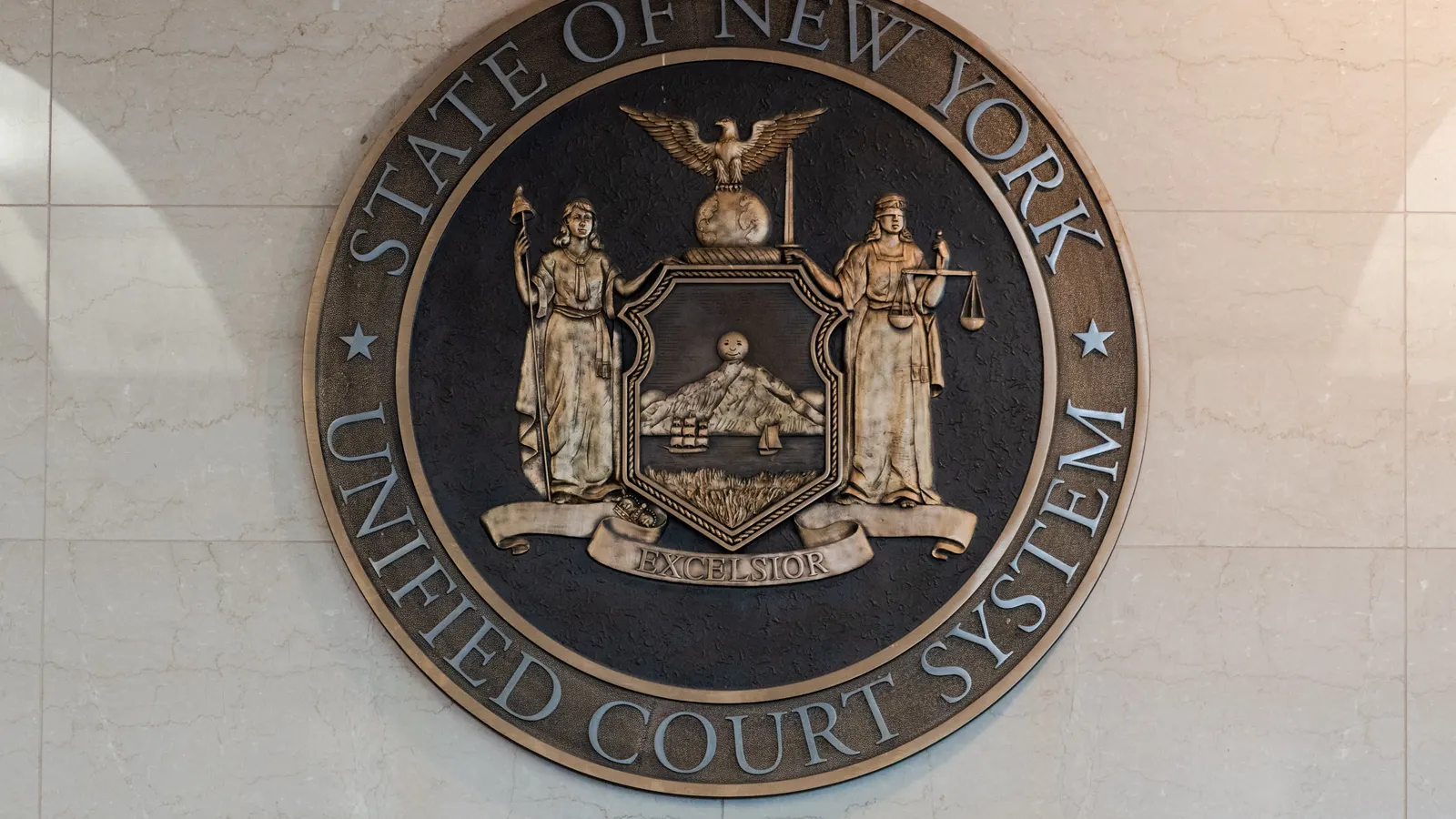
In recent months, federal courts have grappled with the intricate question of what constitutes adequate disclosure of an employee’s religious beliefs, a challenge that has been particularly amplified in the context of COVID-19 vaccination mandates. A pivotal decision by the 2nd U.S. Circuit Court of Appeals on September 15, 2026, has significantly altered the legal landscape for plaintiffs alleging religious discrimination under Title VII of the 1964 Civil Rights Act. The court ruled that plaintiffs must now demonstrate that an employer’s adverse action was "motivated by a desire to avoid granting an accommodation," rather than relying solely on proof of the employer’s mere knowledge of the employee’s need for accommodation. This ruling, in the case of Bergin v. New York State Unified Court System, vacates a previous district court judgment and remands the case, signaling a higher bar for religious discrimination claims in the Second Circuit.
Background: The Bergin Case and the Shifting Legal Standard
The Bergin case originated with a former court officer employed by the New York State Unified Court System (UCS). The officer requested an exemption from the UCS’s COVID-19 vaccination mandate, citing a conflict with her religious beliefs. In response, the UCS initiated a follow-up process, requesting the officer to complete a detailed questionnaire to substantiate her claim. However, the officer failed to submit the questionnaire in a timely manner. Subsequently, she was terminated for non-compliance with the vaccination mandate.
Following her dismissal, the former officer filed a lawsuit against the UCS, alleging a failure to accommodate her religious beliefs under Title VII. A district court initially granted partial summary judgment in favor of the plaintiff. This decision was based on the prevailing precedent within the Second Circuit at the time, which required plaintiffs to establish a prima facie case of religious discrimination by merely demonstrating that their employer was aware of a conflict between their religious beliefs and an employment requirement.
The UCS appealed this decision, arguing that the district court had not applied the updated legal standard articulated by the U.S. Supreme Court in its 2015 ruling in EEOC v. Abercrombie & Fitch. In Abercrombie & Fitch, the Supreme Court clarified that for a Title VII religious discrimination claim to succeed, a plaintiff must not only demonstrate that they actually require an accommodation for their religious practice but also prove that their employer’s decision was driven by a "desire to avoid granting the accommodation."
The Second Circuit’s Decision: Embracing the Abercrombie Standard
The 2nd U.S. Circuit Court of Appeals found merit in the UCS’s argument. It concluded that the Supreme Court’s decision in Abercrombie & Fitch had indeed superseded prior Second Circuit precedent. Consequently, the appellate court vacated the district court’s grant of summary judgment to the plaintiff. The case was remanded with instructions for the district court to re-evaluate the claim under the Abercrombie & Fitch standard.
Furthermore, the Second Circuit explicitly disagreed with the district court’s finding that the UCS had made a judicial admission regarding the plaintiff’s adequate communication of her conflicting religious belief. This aspect of the ruling suggests a closer examination of the factual basis for such admissions in future cases.
In a crucial footnote, the Second Circuit sought to clarify its intent, stating that its decision was not intended to impose a "new, heightened discriminatory motive requirement" on plaintiffs seeking to demonstrate a failure to accommodate. Instead, the court emphasized that plaintiffs must still show that the denial of an accommodation stemmed from the employee’s religion, and not from other factors. The example provided was an employee’s failure to provide necessary information in a timely fashion, which could serve as a legitimate, non-discriminatory reason for an employer’s action.
Broader Implications for Employers and Employees
This ruling carries significant implications for both employers and employees navigating religious accommodation requests. For employers, it offers a clearer framework for assessing and responding to such requests. The emphasis on proving discriminatory motive means that employers who meticulously document their decision-making processes, particularly concerning the reasons for denying an accommodation, may be better positioned to defend against Title VII claims. This includes maintaining thorough records of communication with employees, the information provided by employees, and the specific justifications for any adverse employment actions.
For employees, the decision necessitates a more proactive and comprehensive approach to articulating and substantiating religious accommodation needs. Merely informing an employer about a conflict between religious beliefs and job requirements may no longer be sufficient. Employees will likely need to provide detailed information about their religious practices and explain how these practices necessitate an accommodation. Furthermore, they will need to be prepared to demonstrate that the employer’s actions were motivated by a desire to avoid granting the requested accommodation, rather than by other legitimate business concerns.

The Evolving Landscape of Religious Accommodation Litigation
The Bergin decision is part of a broader trend of increased litigation surrounding religious accommodations, particularly in the wake of the COVID-19 pandemic and the widespread implementation of vaccination mandates. These mandates presented unique challenges for individuals whose religious beliefs prevented them from complying, leading to numerous legal disputes.
Timeline of Key Developments:
- 2015: The U.S. Supreme Court’s decision in EEOC v. Abercrombie & Fitch established a precedent requiring proof of employer motive to avoid granting a religious accommodation.
- Early 2020s: Widespread implementation of COVID-19 vaccination mandates by employers across various sectors.
- Ongoing: Numerous lawsuits filed by employees seeking religious exemptions from vaccination mandates.
- September 15, 2026: The 2nd U.S. Circuit Court of Appeals issues its decision in Bergin v. New York State Unified Court System, clarifying the standard for religious discrimination claims in its circuit.
Data and Analysis: The Frequency of Religious Accommodation Claims
While specific nationwide data on religious accommodation claims directly tied to vaccine mandates is still emerging and may not be fully compiled until years after the initial surge, general trends indicate a significant increase in such requests. According to the Equal Employment Opportunity Commission (EEOC), charges of religious discrimination have seen fluctuations over the years, but the pandemic undoubtedly created a new wave of such claims. Employers reported a substantial uptick in requests for religious exemptions from vaccine policies, often citing deeply held religious beliefs.
The legal analysis of these cases often hinges on several key factors:
- Sincerity of Belief: Employers and courts must assess whether the employee’s claimed religious belief is sincerely held. This does not require an examination of the validity or orthodoxy of the religion itself, but rather the genuineness of the individual’s belief.
- Conflict with Employment Requirements: The employee must demonstrate a clear conflict between their religious practice and an employer’s policy or requirement.
- Employer’s Knowledge: The employer must have been aware of the religious conflict.
- Reasonable Accommodation: The employer has a legal duty to provide a reasonable accommodation unless doing so would impose an undue hardship on the employer’s business operations.
- Undue Hardship: This is a critical defense for employers. An undue hardship is defined as an accommodation that would require more than a de minimis cost or burden on the employer. The definition of "de minimis" has been a subject of considerable legal debate and varies by jurisdiction.
Expert Commentary and Future Outlook
Attorneys Emily Tortora and Hayley Klein of Venable LLP, in an analysis of the Bergin decision, noted that it "reinforces the importance of a thoughtful, consistent, and well-documented approach to spotting, assessing, and responding to potential religious accommodation issues." This underscores the need for robust internal HR policies and training for managers to handle these sensitive situations effectively.

The decision in Bergin is likely to influence how other federal circuits interpret Title VII religious discrimination claims. As more cases make their way through the appellate system, a clearer national consensus on the requirements for proving employer motive in religious accommodation disputes may emerge.
The Ninth Circuit’s Divergent Approach
It is worth noting that other circuits have taken slightly different approaches to similar issues. For instance, the 9th U.S. Circuit Court of Appeals has issued several notable decisions concerning religious vaccine exemption claims. In one case, the 9th Circuit ruled in favor of a former consultant who identified as a Christian Jew and cited biblical passages in her initial request for an exemption. Although the employer requested further information, which the consultant only partially provided, the court held that she had given sufficient notice of her beliefs. This was partly because the employer had initially approved her request before later revoking it. This case highlights that the specific actions and communications of the employer can be critical in the assessment of religious accommodation claims.
The Bergin decision by the Second Circuit, however, appears to set a higher threshold for plaintiffs by demanding a clearer demonstration of the employer’s intent to avoid granting an accommodation, moving beyond mere knowledge of the religious conflict. This shift, driven by the Supreme Court’s Abercrombie & Fitch ruling, signals a continued evolution in the legal interpretation of religious discrimination protections under Title VII, particularly as employers and employees continue to navigate complex workplace policies in a diverse and evolving society. The implications of this ruling will likely be felt across industries and will shape the legal strategies employed by both plaintiffs and defendants in future religious accommodation disputes.
About the Author