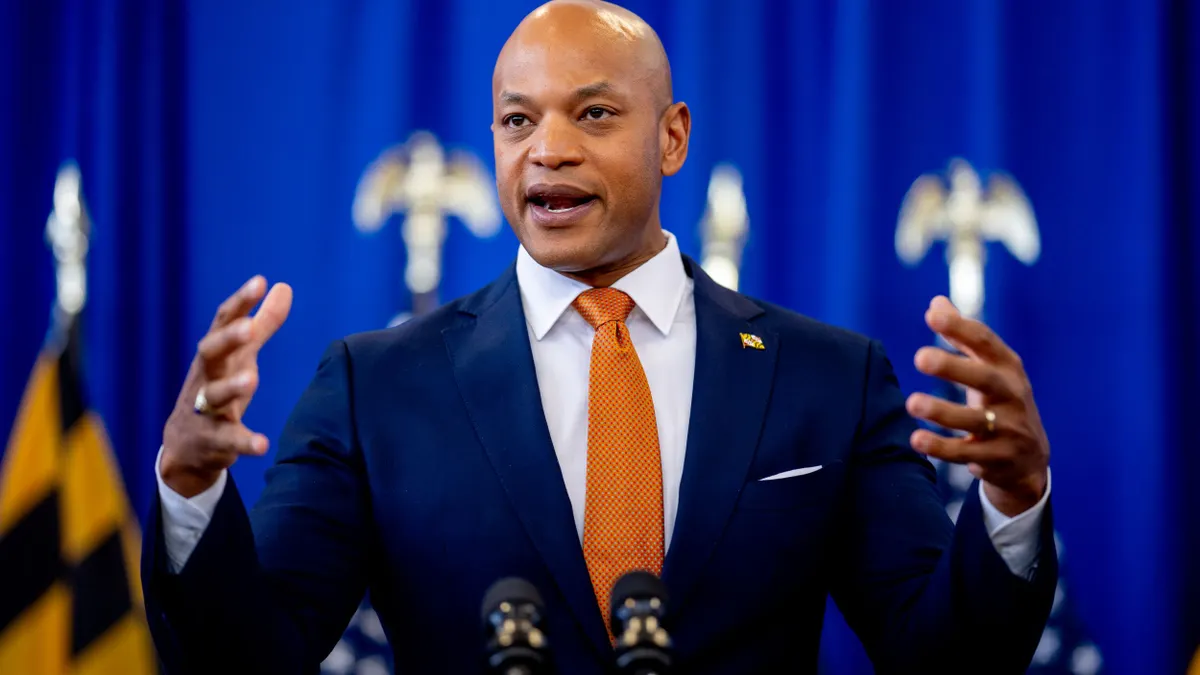
Maryland is proactively establishing a comprehensive framework for artificial intelligence governance, spearheaded by Governor Wes Moore. This initiative, commencing with the formation of dedicated committees and the convening of key stakeholders, arrives at a critical juncture for the technology. While the state’s approach emphasizes a structured, collaborative process, it’s important to note that Maryland already possesses existing legislation that provides some regulation for AI’s deployment in the workplace, specifically concerning facial recognition technology during job interviews. This dual approach underscores a growing recognition across the nation that while AI presents immense opportunities, it also necessitates robust safeguards to protect individual rights, privacy, and economic stability.
The urgency surrounding AI regulation has escalated significantly in recent weeks, fueled by unified warnings from both workers and leaders within leading artificial intelligence companies. These pronouncements, highlighted in high-profile media outlets, have underscored the potential for "devastating consequences" if the technology proceeds without adequate regulatory oversight. This heightened awareness has put considerable pressure on policymakers at both federal and state levels to develop actionable plans for governing AI’s pervasive influence.
Federal Response and State Leadership
Despite the growing chorus of concern, the federal response has been marked by a degree of divergence. While President Trump has acknowledged the need for an AI task force, reportedly headed by a new "czar," his administration’s stance has also included downplaying the immediate need for stringent checks on AI development, asserting that concerns are a "hoax" and emphasizing the desire not to cede technological advantage to global competitors like China. Reports suggest a notable lack of coordination between the White House and Congress on these AI initiatives, creating a vacuum that states are increasingly filling.
In this evolving landscape, states have emerged as pivotal players in shaping AI policy, particularly concerning its implications for both broader societal safety and its specific impact within the employment sector. California, a consistent leader in technological regulation, has once again paved the way with significant legislative action. In late August, the state passed a bill that will prohibit employers from utilizing AI tools designed to "surveil an employee’s individual emotional state" or to collect "neural data." This measure directly addresses concerns about invasive AI surveillance and the potential misuse of highly personal biometric information.
Concurrently, California has advanced the "No Robo Bosses Act." This legislation aims to prevent employers from relying exclusively on AI in critical employment decisions such as terminations or disciplinary actions, mandating human oversight in these processes. While Governor Newsom vetoed a similar bill in the previous year, citing "overly broad restrictions," the revised proposal reflects a continued effort to strike a balance between technological adoption and worker protections. Governor Newsom faces a September 30 deadline to sign or veto both of these significant bills, decisions that will undoubtedly set precedents for other states.
Maryland’s Proactive Stance
Governor Moore’s AI framework for Maryland, while in its nascent stages of committee formation and stakeholder engagement, signifies a commitment to a deliberate and inclusive approach to AI governance. His office’s announcement highlighted the critical need for immediate action, stating, "With the speed at which AI is moving, Marylanders deserve guardrails that safeguard their rights, privacy, and dignity." Moore emphasized that the technology is already integrated into society, and Maryland is positioned to be a leader in its responsible adoption. "We can’t afford to wait while Washington sits on their hands," he asserted, underscoring the state’s determination to enact proactive policies. He further articulated that "These core principles will guide our every action to protect our people, center our workers, and keep our kids safe."
This sentiment resonates with the broader national dialogue, which has grappled with the rapid advancement of AI technologies. The year 2026 has witnessed an unprecedented acceleration in AI capabilities, from sophisticated generative models capable of producing human-like text and imagery to advanced predictive analytics influencing everything from financial markets to public safety. This rapid evolution has outpaced traditional regulatory frameworks, necessitating novel approaches that can adapt to the technology’s dynamic nature.
Historical Context of AI in the Workplace
The integration of AI into the workplace is not a new phenomenon, but its scope and sophistication have dramatically increased. Early AI applications focused on automation of repetitive tasks and data analysis. However, recent advancements have enabled AI to perform more complex functions, including decision-making, performance monitoring, and even human resource functions like recruitment and employee evaluation. This expansion has raised significant ethical and legal questions, particularly concerning bias, transparency, and accountability.

Data from the U.S. Bureau of Labor Statistics indicates a steady increase in the adoption of automation and AI-driven tools across various industries. Projections suggest that by 2030, a significant percentage of current job tasks could be automated, necessitating a re-evaluation of workforce training and social safety nets. This economic backdrop amplifies the importance of regulatory frameworks that ensure a just transition for workers.
The existing Maryland law regulating facial recognition software during job interviews serves as a foundational piece of legislation. This law, enacted in response to concerns about potential bias and privacy violations inherent in such technologies, sets a precedent for how the state approaches AI deployment in employment contexts. The prohibition on using facial recognition during interviews aims to prevent discriminatory outcomes and protect applicants from intrusive biometric data collection during the crucial hiring process.
Implications of the Maryland Framework
Governor Moore’s AI framework, by initiating committee formations and stakeholder dialogues, suggests a multi-faceted approach. This likely includes exploring areas such as:
- Algorithmic Transparency and Accountability: Ensuring that AI systems used in decision-making processes are understandable and that there are clear lines of responsibility when errors or biases occur.
- Data Privacy and Security: Establishing robust standards for the collection, use, and protection of data, particularly sensitive personal information processed by AI systems.
- Worker Protection: Developing guidelines to prevent AI from exacerbating existing inequalities or creating new forms of worker exploitation, including issues of surveillance, performance evaluation, and job displacement.
- Ethical Development and Deployment: Promoting principles that encourage the development and use of AI for the benefit of society, while mitigating potential harms.
- Public Education and Engagement: Fostering a greater understanding of AI among the public and providing avenues for citizen input on AI policy.
The inclusion of stakeholders is a critical element of this framework. This likely involves bringing together representatives from technology companies, labor unions, civil rights organizations, academic institutions, and government agencies. Such collaboration is essential for developing regulations that are both effective and equitable, reflecting the diverse perspectives and potential impacts of AI.
The timeline for the implementation of Governor Moore’s broader AI framework remains to be fully detailed. However, the establishment of committees and the gathering of stakeholders indicate an initial phase of research, consultation, and policy development. This phased approach is crucial given the complexity and rapid evolution of AI technology.

Broader National Impact and Future Outlook
The actions taken by states like California and Maryland are likely to influence national AI policy discussions. As federal legislative action continues to be debated, state-level initiatives provide practical models and demonstrate the feasibility of implementing AI regulations. The contrast between the federal administration’s stated approach and the proactive measures being taken by some states highlights a potential divergence in regulatory philosophies.
The warnings from AI leaders about potential catastrophic risks, such as the misuse of AI for malicious purposes or the destabilization of societal structures, underscore the high stakes involved. The convergence of technological advancement and policy development in 2026 is shaping the future trajectory of artificial intelligence. Maryland’s deliberate approach, built upon existing regulatory foundations and a commitment to stakeholder engagement, positions it to navigate these complex challenges responsibly, aiming to harness the transformative power of AI while safeguarding its citizens and workforce. The coming months will be crucial in observing the evolution of these initiatives and their potential impact on the broader national conversation around AI governance.
About the Author