Waymo, the autonomous vehicle pioneer spun out of Google and still majority-owned by Alphabet, is aggressively expanding its commercial robotaxi operations across the United States. While the company boasts a significant increase in geographic reach and a surge in ridership, a closer examination of its fleet reveals a strategic concentration of its resources and operational capacity primarily within two states: California and Texas. This dual-state focus, particularly the recent and rapid growth in Texas, is being fueled by the introduction of a new Chinese-manufactured minivan, branded by Waymo as the "Ojai," a move designed to accelerate scaling despite the complexities of import tariffs.
In September 2024, Waymo’s commercial operations were limited to a modest presence in three cities: Phoenix, Los Angeles, and San Francisco. Fast forward to the present, and the company now offers its driverless ride-hailing service in an impressive 15 U.S. cities. The majority of these commercial launches have occurred within the last year, signaling a period of accelerated growth and market penetration. This expansion has been mirrored by a dramatic increase in customer demand, with Waymo now facilitating approximately 500,000 paid robotaxi rides weekly. This substantial ridership figure underscores the growing public acceptance and adoption of autonomous transportation.
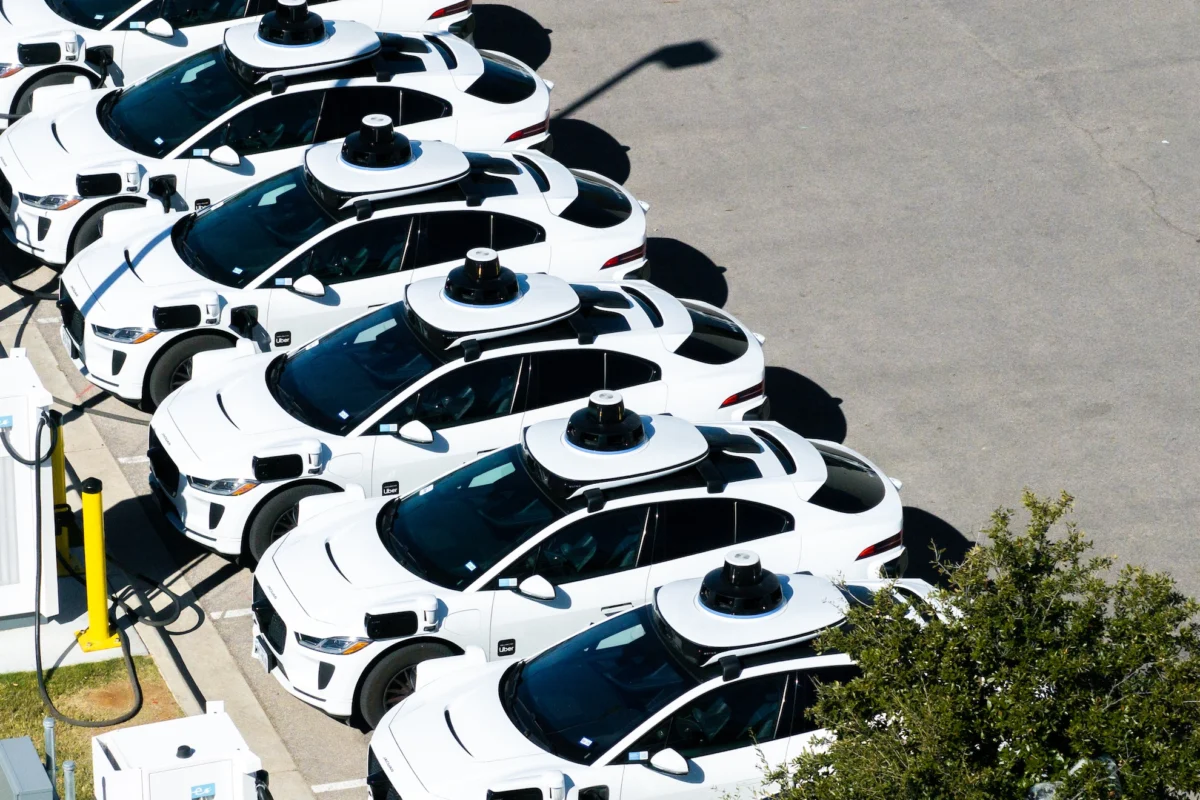
However, the seemingly widespread geographic footprint belies a significant concentration of Waymo’s physical assets. Approximately 80% of Waymo’s total fleet, estimated at around 4,000 robotaxis, is currently deployed in California and Texas. California, being Waymo’s home state and the nexus of much of its early research and development, naturally accounts for a substantial portion of its vehicles. Its headquarters in Silicon Valley and the region’s tech-forward demographic have historically provided a fertile ground for testing and early adoption of its services.
The recent and rapid expansion in Texas, however, presents a more compelling narrative of Waymo’s current strategic priorities. Data from the Texas Autonomous Vehicle Fleet Tracker, a crucial resource for monitoring the state’s AV landscape, indicates a remarkable surge in Waymo’s fleet within the Lone Star State. As of September 24, 2024, Waymo had registered 1,102 autonomous vehicles in Texas. This figure represents a nearly 50% increase in the past three weeks alone, a pace of growth that suggests a deliberate and accelerated deployment strategy.
The Texas Offensive: A Strategic Pivot and Fleet Transformation
Waymo’s commercial foray into Texas began in March 2025 with a partnership with Uber in Austin, allowing riders to access Waymo’s robotaxis through the familiar Uber application. Since this initial launch, Waymo has systematically expanded its service areas to include Dallas, Houston, and San Antonio, establishing a significant operational presence across the state’s major urban centers.
The initial growth of Waymo’s Texas fleet throughout the summer months was more measured, with numbers gradually increasing from approximately 600 vehicles in June to just over 700 by the end of August. This period of steady growth was followed by a dramatic acceleration in September. This surge was directly attributable to the influx of a new vehicle model: the "Ojai" minivan. These new additions now constitute roughly one-third of Waymo’s entire Texas fleet, a proportion that is expected to continue growing as more vehicles are delivered and integrated into service.
The Ojai is not merely a cosmetic upgrade; it represents a fundamental shift in Waymo’s approach to scaling its operations. Equipped with Waymo’s sixth-generation self-driving system, the Ojai is engineered for mass deployment. Its interior is designed for durability and heavy commercial use, incorporating an upgraded rider interface and leveraging Google’s Gemini AI as an in-car virtual assistant. This AI integration aims to enhance the passenger experience by providing real-time information, personalized service, and a more intuitive interaction with the vehicle’s capabilities.
The Ojai: A Chinese Foundation for American Autonomy
Beneath the Waymo branding and advanced autonomous technology lies a vehicle with distinct origins. The Ojai is fundamentally a minivan manufactured by Zeekr, a brand under the umbrella of China’s Geely Holding Group, which also owns Volvo. The Ojai is built upon Zeekr’s SEA-M platform, a versatile modular architecture specifically designed for applications such as robotaxis and delivery vehicles.
The manufacturing process involves a strategic international collaboration. Base Zeekr vehicles are shipped to the United States without their integrated Chinese connected-car technology. Upon arrival, these vehicles are then transported to Waymo’s dedicated facility in Arizona. It is here that Waymo’s proprietary self-driving hardware and software systems are meticulously integrated, transforming them into fully autonomous robotaxis ready for commercial deployment.
Navigating Tariffs and Scaling Ambitions
The primary objective behind Waymo’s adoption of the Zeekr-based Ojai is to drive down operational costs and, ultimately, achieve profitability. The modular design and mass-production capabilities of the SEA-M platform are intended to facilitate economies of scale. However, this ambitious scaling strategy is currently facing headwinds from U.S. trade policy.
Under existing U.S. trade regulations, vehicles manufactured in China are subject to significant import tariffs. These tariffs directly increase the per-vehicle cost for Waymo, offsetting some of the anticipated savings from its new manufacturing and sourcing strategy. Despite these added costs, Waymo appears committed to absorbing them, demonstrating a strong conviction in the long-term viability and necessity of the Ojai for its growth trajectory.
Evidence of this commitment comes from research firms tracking global shipping and trade. MoffettNathanson, a New York-based research firm specializing in the technology sector, has been monitoring Ojai imports through detailed shipping records. Their September report indicated that Waymo is on pace to import approximately 5,100 Ojai vehicles into the U.S. by the end of 2024. This substantial volume suggests a significant investment and a clear intent to rapidly expand its fleet across key operational areas.
Future Deployment and Broader Implications
While Texas is undoubtedly a primary recipient of these new Ojai vehicles, Waymo’s expansion plans are not confined to a single state. Florida, where Waymo currently operates in three cities, is also poised to receive a substantial number of these new minivans. Furthermore, emerging markets such as Las Vegas are also anticipated to see an influx of the Ojai fleet, indicating a broader strategy of leveraging this cost-effective scaling solution across multiple high-potential regions.
The increasing reliance on vehicles manufactured in China, particularly in the context of geopolitical trade tensions and evolving U.S. industrial policy, raises several questions about the long-term sustainability and strategic implications of Waymo’s approach. While the immediate benefits of cost reduction and rapid scaling are evident, the company will need to continuously navigate the complexities of international trade agreements and potential policy shifts.
The concentration of Waymo’s fleet in California and Texas, coupled with the significant investment in Chinese-manufactured vehicles, highlights a pragmatic approach to achieving ambitious growth targets in the nascent autonomous vehicle industry. The success of this strategy will depend not only on the technological prowess of Waymo’s self-driving system but also on its ability to manage supply chain dynamics, regulatory landscapes, and the ever-evolving economics of autonomous mobility. As Waymo continues to push the boundaries of driverless transportation, its fleet deployment and manufacturing strategies will remain critical indicators of its progress and its vision for the future of urban mobility. The substantial investment in the Ojai signals a clear intent to move beyond incremental growth and towards a significant expansion of its autonomous ride-hailing services across the nation.
About the Author