The Trump Administration has officially unveiled the "Great American Recovery Initiative," a comprehensive, multi-faceted effort aimed at bolstering addiction treatment and recovery services across the nation, with a particular emphasis on safeguarding the American workforce. A key component of this initiative, as detailed in recent guidance and fact sheets, is to equip employers and employees with the knowledge and resources necessary to recognize and respond to drug overdoses, especially in light of the escalating opioid crisis fueled by fentanyl. This proactive strategy underscores a commitment to public health and safety within the workplace.
Addressing the Fentanyl Threat: A Critical Public Health Imperative
The urgency behind this initiative is amplified by the pervasive presence of fentanyl in the illicit drug supply. Fentanyl, a synthetic opioid significantly more potent than heroin or morphine, has become a primary driver of overdose deaths. Its insidious infiltration into various illicit drug markets, often unbeknownst to users, poses an extreme and immediate danger. White House Drug Czar Sara Carter articulated the gravity of the situation, stating, "Because fentanyl has infiltrated the illicit drug landscape and acts as a chemical weapon against our people, it is critically important that the American workforce is familiar with drug overdose recognition and reversal." This statement highlights the administration’s framing of the opioid crisis as a national security and public health emergency that demands immediate and widespread intervention.
New Guidance Empowers Employers and Employees with Life-Saving Tools
Central to the Great American Recovery Initiative is the dissemination of practical preparedness strategies. OSHA, in collaboration with other federal agencies, has developed guidance that encourages employers to take tangible steps to mitigate the risks associated with drug use and potential overdoses in the workplace. These recommendations include:
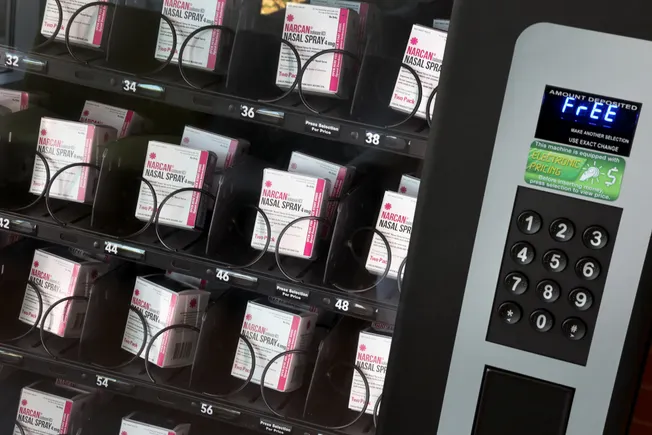
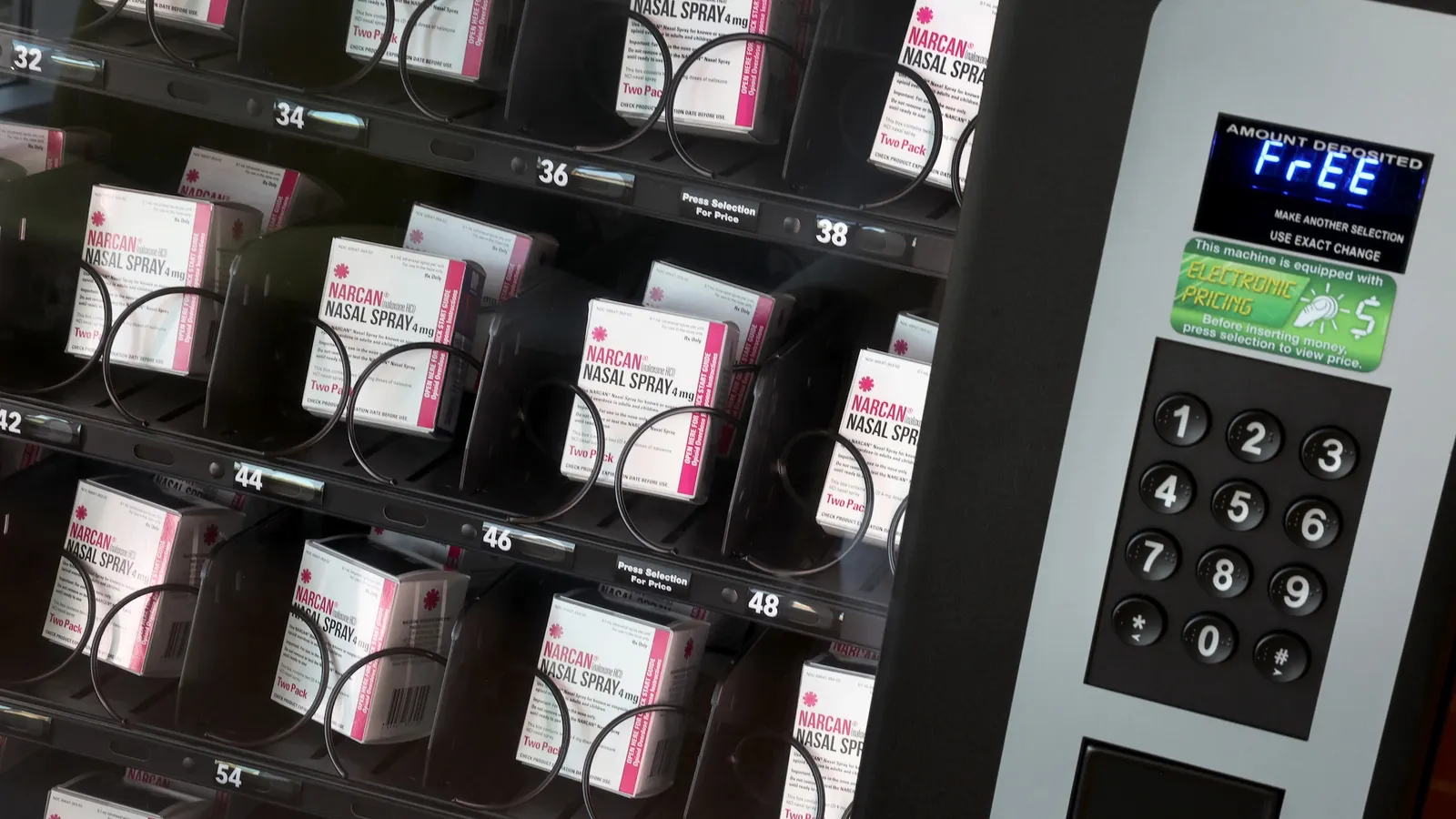
- Maintaining Availability of Reversal Medications: Employers are advised to keep overdose reversal medications, such as naloxone (commonly known by the brand name Narcan) and nalmefene, readily accessible. These medications are designed to rapidly reverse the effects of an opioid overdose, providing a critical window for emergency medical services to arrive.
- Treating Overdose Kits as Essential First Aid: The guidance advocates for treating overdose kits with the same importance as traditional first aid supplies. This means storing them in visible, easily accessible locations within the workplace, ensuring that they can be retrieved quickly in an emergency.
- Educating the Workforce on Overdose Recognition: A fundamental aspect of the initiative involves educating employees on how to identify the signs and symptoms of an opioid overdose. This includes recognizing respiratory depression, unresponsiveness, pinpoint pupils, and other indicators that may signal a life-threatening event.
- Training on Safe Medication Administration: Comprehensive training is recommended to equip designated personnel with the skills to administer overdose reversal medications safely and effectively. This ensures that when an overdose occurs, trained individuals can act decisively.
The administration expressed gratitude for the Department of Labor’s role in disseminating this vital information. "I am grateful to the Department of Labor for informing employers and workers about life-saving overdose reversal treatments like naloxone," stated Drug Czar Carter. This collaborative effort underscores the interagency approach being taken to tackle the complex issue of addiction and its impact on society.
The Scope of the Problem: Alarming Workforce Drug Use Statistics
The need for such initiatives is underscored by sobering statistics regarding drug use among the American workforce. A July 2025 report from clinical laboratory Quest Diagnostics revealed that nearly one in five workers tested positive for drug use based on hair analysis. This data, derived from a comprehensive analysis of U.S. workforce data encompassing hair and urine tests for marijuana, cocaine, opiates, amphetamines, and methamphetamine, paints a stark picture of the challenges employers face.
Notably, the Quest Diagnostics report highlighted that opiate use was particularly prevalent among healthcare workers. This finding is especially concerning given the nature of healthcare professions, which often involve direct patient care and access to controlled substances. The implications for workplace safety, patient care, and employee well-being are significant.
Legal and Ethical Considerations: Navigating Addiction in the Workplace
Beyond immediate overdose response, the Great American Recovery Initiative also implicitly addresses the broader legal and ethical landscape surrounding addiction in the workplace. Past legal precedents serve as important reminders for employers regarding their obligations to employees struggling with substance use disorders.

A significant case involved a software company that paid $80,000 to settle a disability discrimination lawsuit filed by the U.S. Equal Employment Opportunity Commission (EEOC). The company was accused of firing an employee who had taken leave to undergo inpatient treatment for substance abuse. The employee had a documented history of opiate addiction and was engaged in a doctor-supervised, medication-assisted treatment program. The EEOC contended that the worker was fired because he was perceived as disabled, thereby violating the Americans with Disabilities Act (ADA). This settlement underscores the legal imperative for employers to provide reasonable accommodations for employees with addiction-related conditions and to avoid discriminatory practices.
Background and Chronology of the Great American Recovery Initiative
While the recent guidance represents a significant step, the "Great American Recovery Initiative" has been a developing focus for the Trump Administration. The initiative was formally announced earlier in 2026, with an initial presidential action detailing its broad objectives. The timeline of its development reflects a growing awareness and a concerted effort to address the multifaceted nature of addiction.
- Early 2026: The Trump Administration begins conceptualizing and planning for a comprehensive national strategy to combat addiction, building upon existing efforts and identifying critical gaps.
- January 2026: The "Great American Recovery Initiative" is officially announced via a presidential action. This announcement outlines the administration’s commitment to expanding access to treatment, supporting recovery services, and implementing preventative measures.
- Throughout 2026: Various federal agencies, including the Department of Labor and OSHA, begin developing specific guidance and resources aligned with the initiative’s goals. This period involves extensive research, stakeholder consultations, and the drafting of policy documents.
- September 25, 2026: HR Dive reports on new guidance issued as part of the initiative, focusing on workforce preparedness for drug overdose recognition and reversal, directly linking to the broader recovery effort. This report highlights the practical implementation of the initiative’s objectives within the workplace.
- Ongoing: The administration plans for continued implementation and evaluation of the Great American Recovery Initiative, with potential for further policy developments and resource allocations.
Analysis of Implications: A Proactive Approach to a Growing Crisis
The Great American Recovery Initiative, particularly its focus on workplace preparedness, represents a significant shift towards a more proactive and preventative approach to the addiction crisis. By equipping employers and employees with the tools to respond to overdoses, the administration aims to reduce preventable deaths and mitigate the immediate harms associated with substance use.
The emphasis on naloxone availability and training has the potential to save lives directly. In emergency situations, rapid intervention can be the difference between life and death. Furthermore, by normalizing conversations around addiction and overdose response, the initiative may help reduce the stigma associated with seeking help. This, in turn, could encourage individuals struggling with addiction to come forward and access treatment without fear of reprisal.

The initiative’s integration with broader economic recovery efforts, such as the "Great American Recovery Initiative" name suggests, also highlights an understanding that addressing addiction is crucial for a robust and healthy workforce. A workforce free from the debilitating effects of addiction is more productive, safer, and contributes more effectively to the national economy.
However, the long-term success of the initiative will depend on sustained funding, effective implementation across diverse industries, and ongoing collaboration between government agencies, employers, healthcare providers, and community organizations. Addressing the root causes of addiction, including mental health disparities and socioeconomic factors, will also be critical for achieving lasting recovery and reducing the prevalence of substance use disorders. The administration’s commitment to these preparedness strategies, while vital, is one piece of a larger, complex puzzle. The ongoing challenge will be to ensure that these efforts are comprehensive, equitable, and sustainably integrated into the fabric of American society and its workplaces.
About the Author