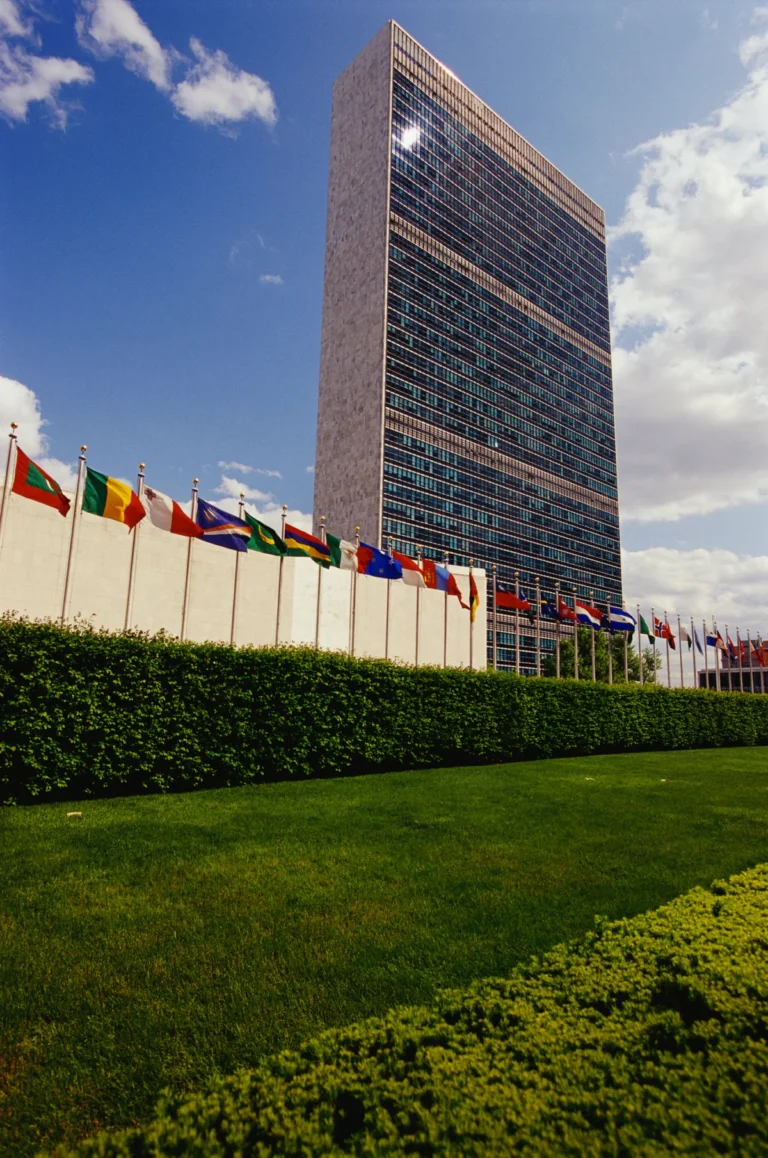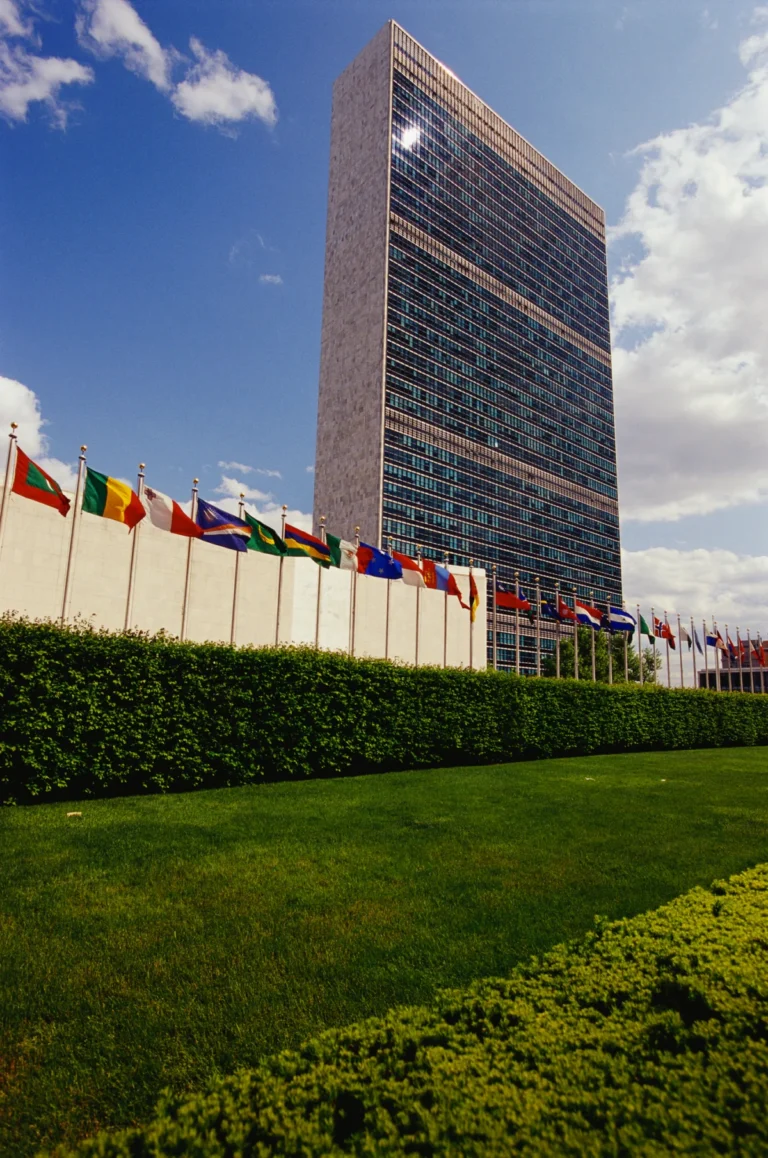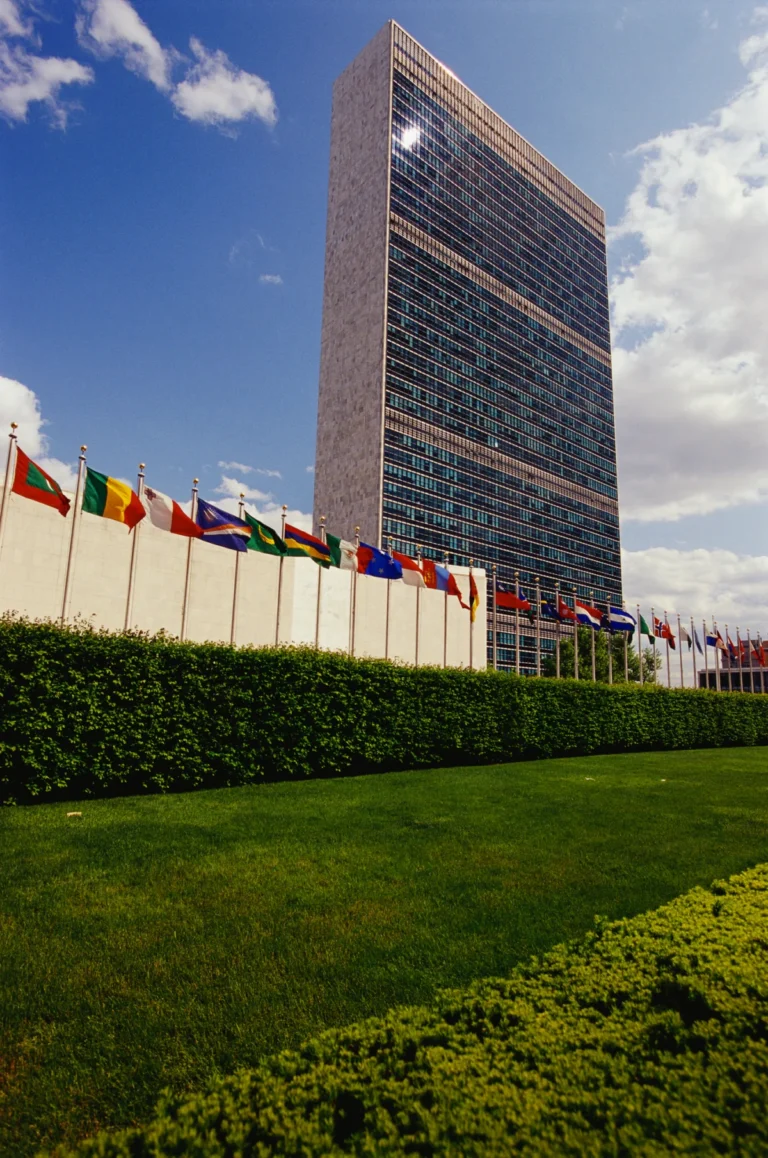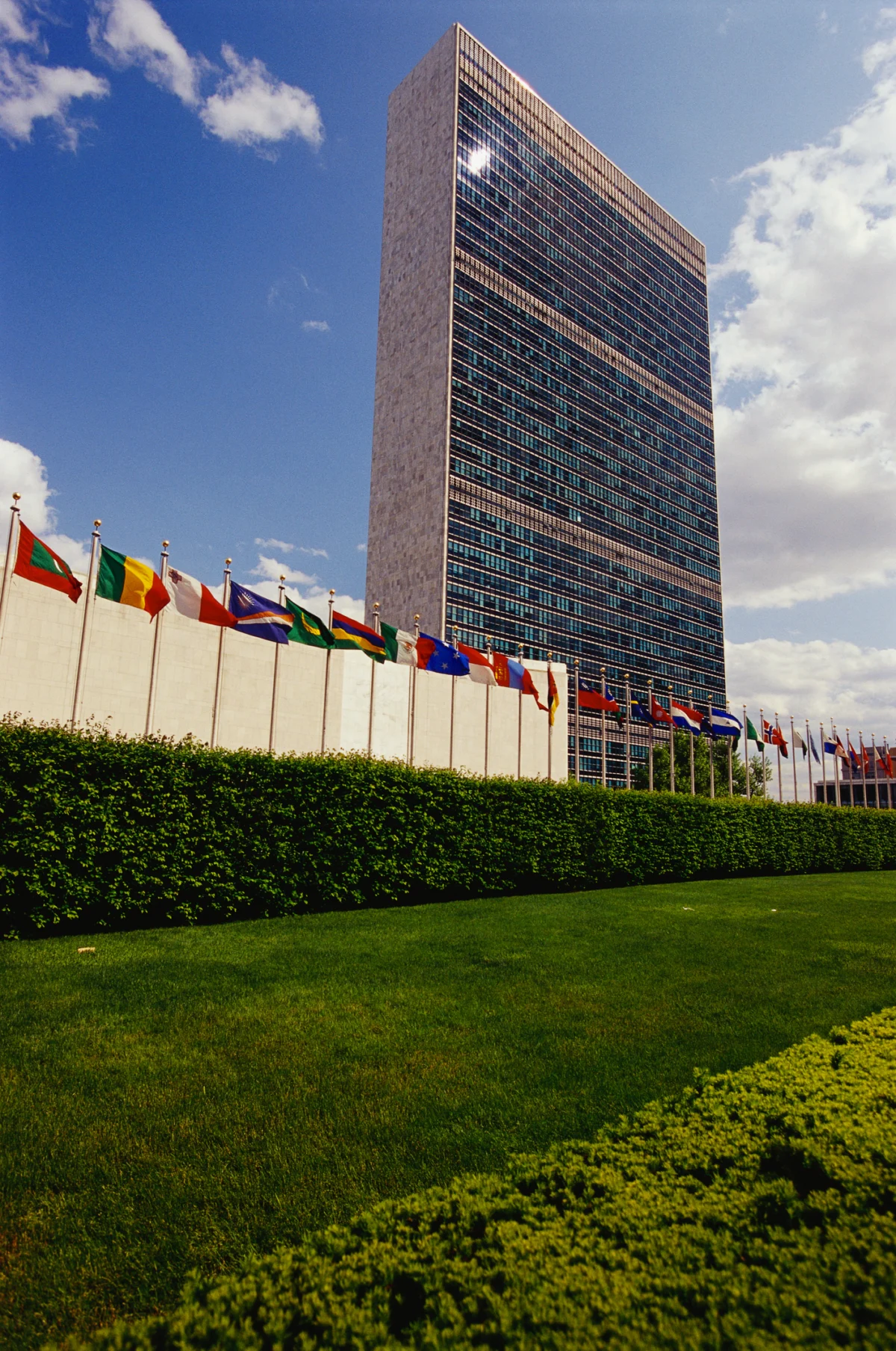
Addressing a high-level side event of the United Nations General Assembly, John Denton, the Secretary General of the International Chamber of Commerce (ICC), delivered a stark warning to the international community regarding the fragile state of global food security. Speaking before an audience of senior world leaders—including the European Union’s High Representative for Foreign Affairs and Security Policy, Josep Borrell, and foreign ministers from more than 25 nations—Mr. Denton characterized international trade not merely as an economic engine, but as a vital humanitarian tool. His address emphasized that the disruption of critical maritime corridors in the Black Sea is creating a ripple effect that threatens the stability of food systems from East Africa to Southeast Asia.
The event, which brought together UN humanitarian leaders and top-tier diplomats, focused on the escalating risks following the expiration of the Black Sea Grain Initiative (BSGI). Mr. Denton’s remarks underscored the ICC’s historical role in supporting the 2022 agreement, which successfully facilitated the export of nearly 33 million tonnes of grain and food products to global markets. He warned that the world is currently facing a "convergence of risks" that could lead to a severe humanitarian catastrophe if preventive action is not taken within the next six weeks.
The Urgency of the Six-Week Window
A central theme of Mr. Denton’s address was the immediate logistical pressure facing Ukrainian agricultural producers. According to data provided by the ICC’s network in Ukraine, the country is rapidly approaching its maximum storage capacity for grain. With the harvest season progressing, the inability to export existing stocks means that there will be no physical space to house the incoming yields.
"There is an urgent need to get grain moving again before storage capacity is reached in the coming six weeks," Mr. Denton stated. He noted that delays in reopening these routes would have immediate consequences for the affordability and availability of food worldwide. If the storage capacity is reached, farmers may be forced to leave crops to rot in the fields, leading to a massive reduction in the global supply of staples such as wheat, corn, and sunflower oil. This supply shock would likely result in a dramatic spike in prices on international commodity markets, disproportionately affecting developing nations that rely on these imports.
A Chronology of the Black Sea Trade Crisis
The current crisis is the latest chapter in a volatile period for global maritime trade that began in early 2022. To understand the gravity of Mr. Denton’s appeal, it is necessary to look at the timeline of events that have shaped the current landscape:
- February 2022: The onset of the conflict in Ukraine led to an immediate blockade of major Black Sea ports, including Odesa, Chornomorsk, and Pivdennyi. Global food prices reached record highs almost overnight as Ukraine, often called the "breadbasket of Europe," was cut off from the world.
- July 2022: Under the mediation of the United Nations and the Republic of Türkiye, the Black Sea Grain Initiative was signed. This landmark agreement established a safe humanitarian maritime corridor for the export of grain, other foodstuffs, and fertilizer.
- August 2022 – July 2023: During its year of operation, the BSGI enabled the movement of over 1,000 ships. It allowed for the export of 32.9 million tonnes of agricultural products. Crucially, it provided the World Food Programme (WFP) with a steady supply of wheat for humanitarian operations in Afghanistan, Ethiopia, Kenya, Somalia, and Yemen.
- July 2023: Following Russia’s decision not to renew the agreement, the corridor was effectively closed. Since then, tensions in the region have escalated, with increased military activity targeting port infrastructure and alternative export routes along the Danube River.
- Present Day: The international community is now searching for a "commercially workable" and "operationally practical" successor to the BSGI to prevent a total collapse of the Ukrainian export economy and a subsequent global food shortage.
Supporting Data: The Impact of Trade Disruption
The ICC’s call for action is backed by significant economic and humanitarian data. During the period when the Black Sea Grain Initiative was active, the FAO Food Price Index—a measure of the monthly change in international prices of a basket of food commodities—showed a consistent decline from its peak in March 2022. The initiative was instrumental in lowering the cost of wheat by nearly 14% globally in the months following its implementation.
Furthermore, the initiative was not only about grain. It also addressed the global fertilizer shortage. Ukraine and the surrounding region are major exporters of ammonia and potash, essential components for global crop production. Mr. Denton highlighted that the disruption of these supplies is felt by "a farmer in East Africa waiting for fertilizer." Without adequate fertilizer, future harvests in the Global South are projected to be significantly smaller, creating a long-term cycle of food insecurity.
The ICC also pointed to the role of the Strait of Hormuz and the potential return of El Niño weather patterns as compounding factors. El Niño is historically associated with droughts in key agricultural regions of Southeast Asia and South America. When combined with the Black Sea blockade, these environmental factors could create a "perfect storm" of scarcity.
The Convergence of Global Risks
Mr. Denton’s address was not limited to the Black Sea; he contextualized the crisis within a broader framework of global trade stability. He noted that industry leaders are deeply concerned by the "convergence of food security risks."
Beyond the conflict in Europe, the potential for disruption in the Strait of Hormuz remains a high-level concern for the ICC. As a primary artery for global energy supplies, any instability in the Strait would lead to higher fuel and natural gas prices. Because natural gas is a primary feedstock for nitrogen-based fertilizers, energy price spikes directly translate into higher food production costs.
"The full effects may not be visible today," Mr. Denton warned. "In fact, they are likely to emerge only in the coming months through reduced harvests, tighter supplies, and higher prices." This lag between trade disruption and market impact is why the ICC is advocating for "early, coordinated preventive action now," rather than waiting for a full-scale famine to materialize.
Official Responses and the Diplomatic Landscape
The side event at the UN General Assembly served as a platform for various stakeholders to voice their support for renewed maritime cooperation. EU High Representative Josep Borrell has previously emphasized the importance of "Solidarity Lanes"—land-based routes through Europe—but acknowledged that these cannot fully replace the volume and cost-efficiency of maritime transport.
UN humanitarian leaders at the event echoed Mr. Denton’s sentiments, noting that the WFP has had to reduce rations in several conflict zones due to rising costs and limited supplies. The consensus among the 25 participating countries was that while alternative routes (such as rail and road through Poland and Romania) are helpful, they are currently operating at near-maximum capacity and are significantly more expensive than shipping via the Black Sea.
The ICC’s position is unique because it represents the "practical perspective of businesses operating across agricultural supply chains, shipping networks, and commodity markets." Mr. Denton emphasized that any new solution must be "commercially workable." This refers to the necessity of affordable maritime insurance and the willingness of private shipping companies to enter a high-risk zone. Without a formal, internationally recognized agreement, insurance premiums remain prohibitively high, making trade impossible for many private actors.
Broader Impact and the Path Forward
The core of the ICC’s message is that trade is an indispensable component of humanitarian aid. By stabilizing markets and ensuring the flow of goods, trade prevents the need for massive, reactive humanitarian interventions after a crisis has already occurred.
"The lesson from the Black Sea experience is clear: preventing a food crisis is far easier than responding to one," Mr. Denton concluded.
The ICC has committed to working with international partners to design a framework that restores confidence in the region’s shipping lanes. This involves not only diplomatic negotiation but also the creation of technical mechanisms to ensure the safety of civilian vessels and the integrity of the cargo.
The implications of inaction are far-reaching. Beyond the immediate threat of hunger, food insecurity is a known driver of political instability and mass migration. By securing the Black Sea trade routes, the international community is not only feeding the vulnerable but also investing in global geopolitical stability.
As the UN General Assembly continues, the focus remains on whether a new consensus can be reached to reopen the "humanitarian maritime corridor." With the six-week deadline looming and Ukrainian silos reaching their limits, the pressure on global leaders to move from rhetoric to "operationally practical" solutions has never been higher. The ICC remains a vocal advocate for the private sector’s role in this process, maintaining that the tools for preventing a crisis are already at hand—provided there is the political will to use them.
About the Author