The digital marketing landscape is undergoing a fundamental transformation as artificial intelligence models begin to displace traditional search engines as the primary gateway for online discovery. For over two decades, search engine optimization (SEO) has been the cornerstone of digital visibility, centered on the mechanics of Google’s indexing algorithms. However, a new paradigm known as AI Optimization (AIO) has emerged, prioritizing how Large Language Models (LLMs) such as ChatGPT, Claude, and Perplexity synthesize and cite information. This shift represents a transition from a "link-based" discovery economy to a "synthesis-based" information environment, where appearing as a direct recommendation in an AI-generated response is becoming more valuable than a top-tier ranking on a traditional search results page.
The Emergence of the AI Search Paradigm
The catalyst for this shift was the unprecedented adoption of generative AI tools. Since its public release in late 2022, ChatGPT reached 100 million monthly active users within just two months, making it the fastest-growing consumer application in history. By early 2025, the platform has evolved from a creative writing assistant into a sophisticated search tool, processing over 10 million web-browsing queries daily. Unlike traditional search engines that present a list of "ten blue links," AI search tools analyze vast amounts of data to provide a single, comprehensive answer, citing sources as authoritative evidence.
This behavioral change is most evident in how users approach complex queries. While a Google user might search for "best SaaS WordPress courses" and click through several articles to compare options, a ChatGPT or Perplexity user asks for a specific recommendation based on quality and value. When an AI model identifies a specific resource as the primary answer, it bypasses the traditional funnel of search result pages, delivering "ready-to-convert" traffic directly to the source.
A Chronology of the Search Revolution
The transition from traditional SEO to AI-centric discovery has followed a rapid timeline of technological milestones:
- November 2022: OpenAI releases ChatGPT, introducing the public to conversational AI.
- January 2023: The platform surpasses 100 million users, signaling a massive shift in how information is consumed.
- Late 2023: Perplexity AI gains traction as a "search-first" AI, emphasizing real-time web citations.
- May 2024: Google announces the widespread rollout of Search Generative Experience (SGE), later branded as "AI Mode," integrating AI-generated summaries at the top of traditional search results.
- Q1 2025: Google reports a 10% increase in search revenue, totaling $50.7 billion, attributed largely to the integration of AI features which increased user engagement and ad performance.
This timeline illustrates that AI search is no longer a niche experiment but a core component of the global information infrastructure.
Supporting Data and Market Performance
Market data from 2024 and early 2025 suggests that AI search is cannibalizing traditional search traffic in specific high-intent categories, such as software reviews, educational resources, and technical troubleshooting. According to industry analysis, Google’s AI Mode is now available in over 180 countries, providing synthesized answers that occupy the "prime real estate" of the mobile and desktop viewport.
Furthermore, the growth of Perplexity AI, which serves millions of daily users, highlights a preference for "answer engines" over "search engines." Data indicates that users who switch to AI search tools are 40% less likely to return to traditional search for informational queries. For content creators, this means that visibility within the training data and real-time retrieval windows of these models is now a critical survival factor.
Official Responses and Industry Reactions
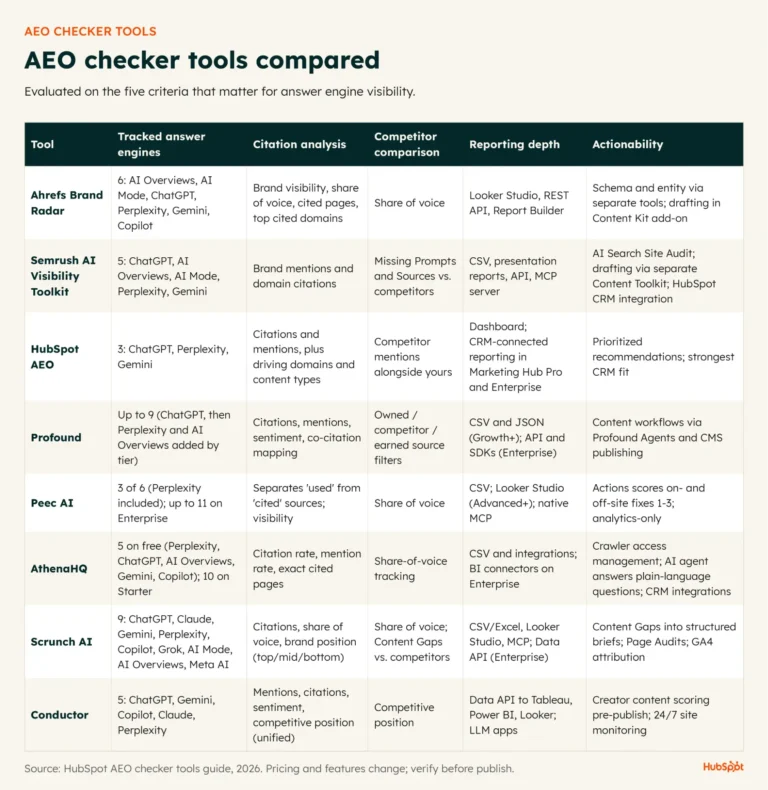
The SEO industry has reacted to these developments with a mix of urgency and strategic pivoting. Major SEO tool providers have accelerated the release of AIO-specific features. Ahrefs and SE Ranking have introduced modules designed to track "AI Visibility," with subscription costs ranging from $95 to $129 per month. These tools attempt to simulate how AI models view specific websites, though the proprietary nature of LLMs makes precise tracking more difficult than traditional keyword ranking.
Google executives have maintained that AI-generated answers are intended to complement, not replace, the open web. However, the financial success of AI-integrated search suggests that the platform will continue to prioritize synthesized answers. Alphabet’s Q1 2025 earnings call highlighted that AI Mode has become a primary driver of "search satisfaction," leading to longer session times and higher interaction rates with cited sources.
Technical Framework for AI Optimization
AIO differs from traditional SEO by focusing on semantic clarity and factual density rather than keyword frequency and backlink volume. While Google’s PageRank algorithm heavily weights the quantity and quality of external links, LLMs prioritize how well a piece of content answers a specific prompt. Analysts have identified several core pillars that define successful AIO:
Factual Density and Verifiable Data
AI models exhibit a measurable preference for content grounded in specific statistics and verifiable proof. During their training and retrieval phases, models are programmed to identify high-signal data. Content that uses precise figures—such as "a 15% increase in conversion over six months"—is consistently cited more often than content using vague descriptors like "significant growth."
Community and Semantic Authority
LLMs are trained on massive datasets that include community discussions from platforms like Reddit and Quora. When a brand or resource is frequently mentioned in a positive, helpful context within these communities, it builds "semantic authority." AI models interpret these mentions as a signal of real-world trust and expertise, making them more likely to recommend that source in a conversational response.
Natural Language and Query Alignment
Traditional SEO often relies on "keyword stuffing," which can lead to unnatural phrasing. AIO, conversely, requires content to be structured around natural language questions. By formatting subheadings as questions and providing direct, concise answers in the following paragraphs, creators align their content with the way users interact with AI assistants.
Structural Clarity and Machine Readability
AI models excel at parsing structured information. The use of comparison tables, numbered lists, and JSON-LD structured data markup provides a roadmap for the AI to extract information. Technical optimization through Schema.org vocabulary helps these models categorize content types (e.g., HowTo, FAQ, or Product) with higher accuracy, increasing the likelihood of a citation.
Tracking Performance in a "Cookieless" AI Environment
One of the primary challenges of AIO is the lack of transparent analytics. Unlike Google Search Console, which provides granular data on impressions and clicks, AI platforms like ChatGPT and Claude do not currently offer a dashboard for website owners. This has led to the rise of "Dark Traffic"—visitors who arrive at a site via an AI recommendation but appear in standard analytics as "Direct" or "Referral" traffic without a clear source.
To combat this, sophisticated marketers are building custom monitoring systems using automation platforms like Make.com. These systems programmatically query AI models with specific prompts and record whether a site is mentioned. This allows for the tracking of "Share of Model," a new metric that measures how often a brand appears in AI responses compared to its competitors.
Broader Impact and Future Implications
The long-term implications of AI search extend into the realms of copyright, monetization, and digital equity. As AI models synthesize content, there is an ongoing legal and ethical debate regarding fair compensation for the creators whose data powers these answers. Some platforms have begun experimenting with affiliate link integration and sponsored citations, suggesting a future where AI responses are heavily commercialized.
Furthermore, the rise of personalization in AI search means that two users asking the same question might receive different recommendations based on their past interactions. This "filter bubble" effect presents a challenge for AIO, as creators must not only be authoritative but also distinct in their positioning to appeal to specific user segments.
Conclusion and Strategic Outlook
The shift toward AI Optimization represents the most significant change in digital discovery since the invention of the search engine. While traditional SEO remains a necessary component of a digital strategy, it is no longer sufficient. The data suggests that as AI models become more integrated into daily life, the "discovery phase" of the consumer journey will increasingly happen within a chat interface rather than a search results page.
For organizations and content creators, the window of opportunity to establish early authority in AI models is narrowing. By prioritizing factual accuracy, community engagement, and structured data, early adopters can secure their positions in the responses of the world’s most powerful language models. As the digital ecosystem continues to evolve, the ability to be "AI-visible" will likely be the defining factor in determining which brands thrive in the next decade of the internet.
About the Author