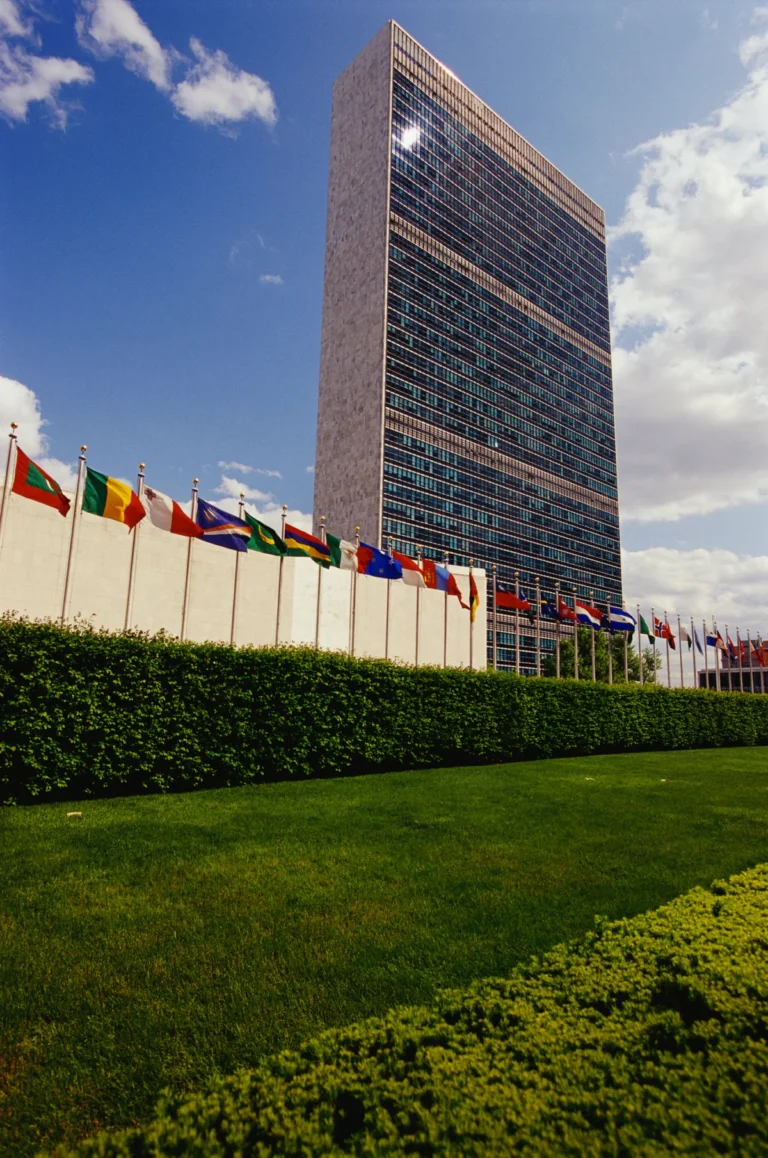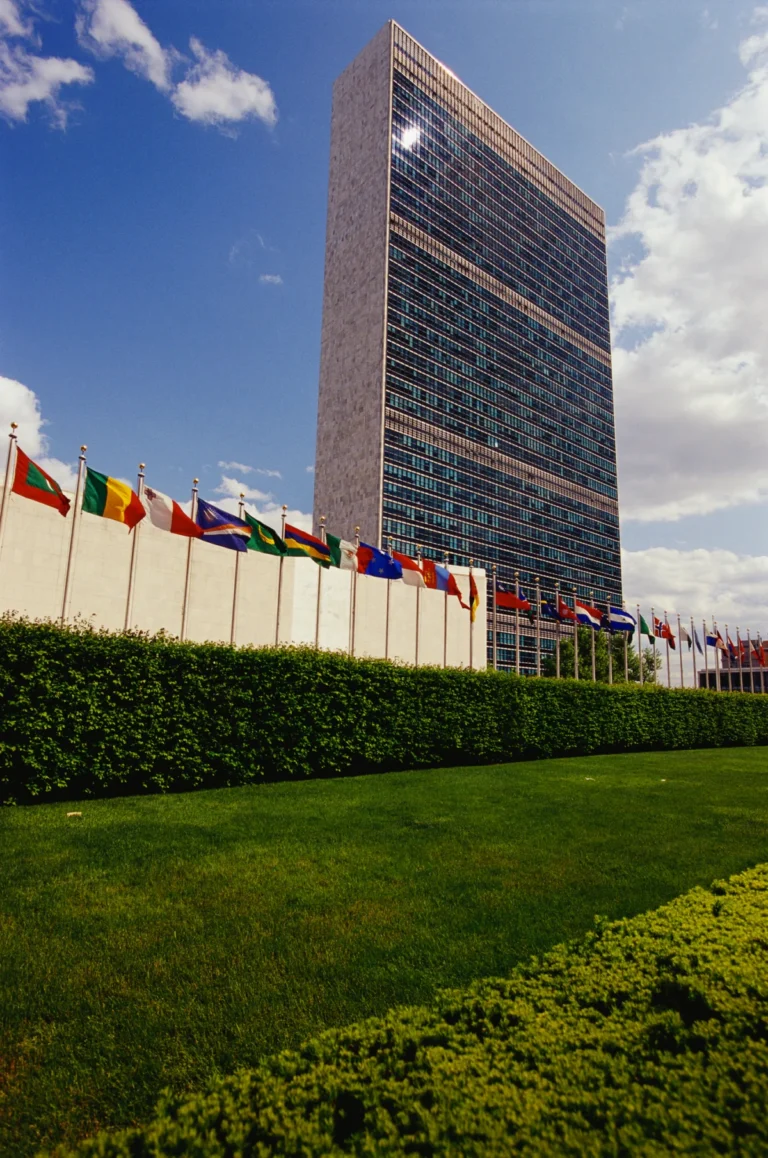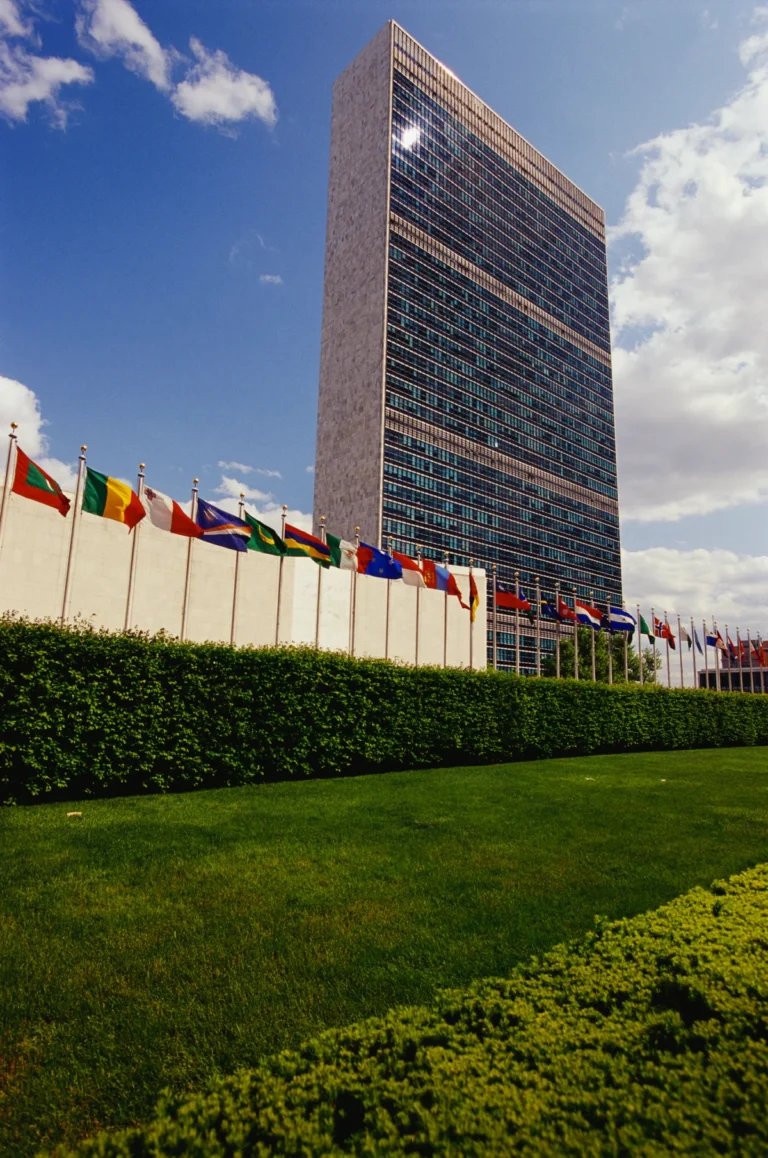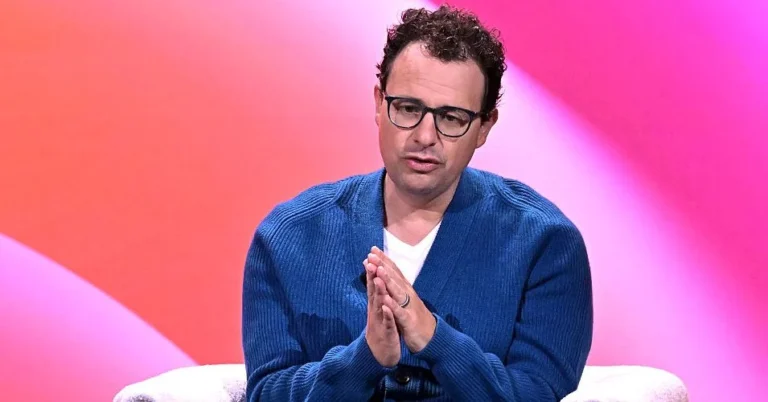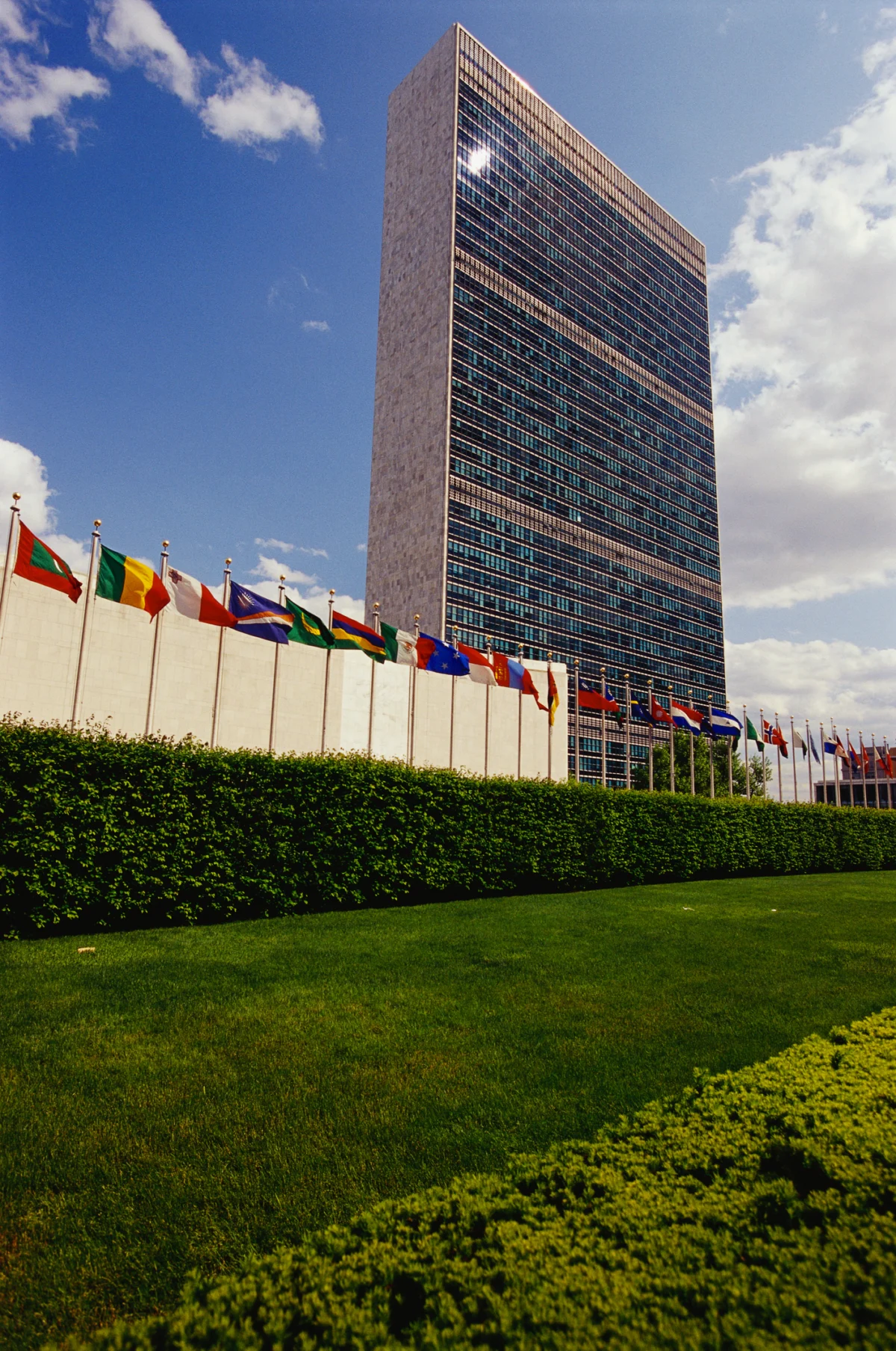
Addressing participants of a high-level side event at the United Nations General Assembly—including the EU High Representative for Foreign Affairs and Security Policy, foreign ministers, and senior officials from more than 25 countries, alongside United Nations humanitarian leaders—John Denton, the Secretary General of the International Chamber of Commerce (ICC), underscored the power of trade as a humanitarian tool when backed by international cooperation. Pointing to the ICC’s pivotal role in supporting the 2022 Black Sea Grain Initiative, which enabled nearly 33 million tonnes of grain and food products to reach global markets, Mr. Denton warned that the current disruption of these routes poses an existential threat to global food security.
The assembly, held against the backdrop of escalating geopolitical tensions and climate-induced agricultural volatility, served as a platform for Mr. Denton to articulate the private sector’s deep concerns regarding the convergence of multiple food security risks. He emphasized that the consequences of trade route disruptions are not localized but are felt acutely by farmers in East Africa awaiting fertilizers, families facing inflationary pressures on basic staples, and humanitarian agencies struggling to maintain supply chains for the world’s most vulnerable populations.
The Strategic Importance of the Black Sea Grain Initiative
The Black Sea Grain Initiative (BSGI), brokered in July 2022 by the United Nations and Türkiye, was a landmark agreement designed to facilitate the safe navigation of commercial ships carrying grain and foodstuffs from three key Ukrainian ports: Odessa, Chornomorsk, and Yuzhny. At the time of its inception, the world was reeling from the initial shock of the conflict in Ukraine, which had sent the FAO Food Price Index to an all-time high of 159.7 points in March 2022.
Mr. Denton reminded the delegates that the ICC, as a member of the UN Global Crisis Response Group, provided the practical perspective of businesses operating across agricultural supply chains and shipping networks. The initiative’s success was quantifiable: by the time of its suspension in July 2023, it had facilitated the export of 32.9 million metric tonnes of agricultural products. This included over 15 million tonnes of corn and nearly 9 million tonnes of wheat. Critically, the World Food Programme (WFP) shipped over 725,000 tonnes of wheat from Ukrainian ports to support humanitarian operations in Afghanistan, Ethiopia, Kenya, Somalia, Sudan, and Yemen.
Beyond the volume of cargo, Mr. Denton argued that the initiative’s most significant achievement was the restoration of market confidence. By establishing a humanitarian maritime corridor, the agreement demonstrated that political cooperation could de-risk commercial shipping in a conflict zone, thereby stabilizing global commodity markets and reducing the cost of food for millions.
A Convergence of Global Food Security Risks
The Secretary General’s address highlighted a "perfect storm" of factors currently threatening the global food system. The primary concern remains the blockade of key Black Sea ports, which has effectively cut off one of the world’s most significant "breadbaskets" from international markets. However, the ICC noted that this is not an isolated issue.
The continued disruptions affecting the Strait of Hormuz—a vital artery for global energy supplies—further complicate the situation. High energy costs translate directly into higher costs for agricultural production, particularly in the manufacturing of nitrogen-based fertilizers. Furthermore, the potential return of El Niño conditions threatens to disrupt weather patterns across major growing regions in Asia and the Americas, potentially leading to droughts or floods that could further tighten global supplies.
Mr. Denton cautioned that the full effects of these disruptions might not be visible today. "They are likely to emerge only in the coming months through reduced harvests, tighter supplies, and higher prices," he stated. This lag between trade disruption and market impact often leads to a delay in political response, a gap the ICC is urging leaders to close through "early, coordinated preventive action."
The Imminent Storage Crisis in Ukraine
A specific and urgent concern raised during the UNGA side event was the looming storage capacity crisis in Ukraine. According to reports from the ICC’s network on the ground, Ukraine is facing a critical window of approximately six weeks before storage facilities reach their maximum capacity.
As the current harvest season progresses, the inability to export grain through deep-sea ports means that silos are filling up with no outlet for the product. If grain cannot be moved, farmers will have nowhere to store new crops, leading to significant post-harvest losses and a lack of incentive—or financial means—to plant for the next season. This "bottleneck effect" has the potential to turn a seasonal logistical challenge into a multi-year global supply deficit.
The ICC’s Ukrainian network has signaled that delays in reopening trade routes will have immediate consequences for global food availability and affordability. Without the scale of exports that only maritime routes can provide, land-based "Solidarity Lanes" through Europe, while helpful, remain insufficient to handle the total volume of Ukrainian agricultural output.
Chronology of the Black Sea Trade Crisis
To understand the urgency of Mr. Denton’s plea, it is necessary to examine the timeline of the Black Sea trade corridor’s evolution and eventual collapse:
- February 2022: The conflict begins, leading to an immediate blockade of Ukrainian ports and a spike in global grain prices.
- July 2022: The Black Sea Grain Initiative is signed in Istanbul. The ICC joins the UN Global Crisis Response Group to provide private sector expertise.
- August 2022: The first ship, the Razoni, departs from Odessa carrying 26,000 tonnes of corn.
- November 2022: The initiative is extended for 120 days despite initial uncertainty.
- March – May 2023: Further short-term extensions are negotiated, but tensions rise over the memorandum of understanding regarding Russian fertilizer and food exports.
- July 2023: Russia formally withdraws from the initiative, citing unfulfilled conditions regarding its own agricultural exports and the reconnection of its agricultural bank to the SWIFT system.
- August 2023 – Present: Ukraine attempts to establish a unilateral "humanitarian corridor" hugging the coastlines of Romania and Bulgaria, but volumes remain a fraction of what was achieved under the BSGI.
International Reactions and Diplomatic Stalemate
The high-level side event saw various international stakeholders echoing the ICC’s concerns, though solutions remain elusive. EU High Representative Josep Borrell has consistently criticized the weaponization of food, stating that the termination of the grain deal is creating "hunger in the world." The EU has focused on strengthening land-based routes, but officials acknowledge the high logistical costs associated with rail and truck transport compared to Panamax-sized bulk carriers.
UN humanitarian leaders at the event emphasized that the WFP’s operational costs increase by millions of dollars for every percentage point rise in global food prices. When trade routes are closed, the WFP is forced to buy grain from more distant markets at higher prices, meaning less aid reaches those in need.
Conversely, the diplomatic challenge remains reconciling the demands of all parties. While the ICC maintains a neutral, commerce-focused stance, it acknowledges that any viable solution must be "commercially workable and operationally practical." This implies a need for insurance guarantees for shipping companies and a clear framework that allows for the inspection of vessels to satisfy security concerns.
Trade as a Humanitarian Tool: An Analysis
The ICC’s core message at the UNGA was that trade should not be viewed merely as a commercial activity but as a fundamental humanitarian tool. In a globalized economy, the "just-in-time" nature of food supply chains means that even brief interruptions can lead to catastrophic failures in food-insecure regions.
The concept of "commercial workability" is central to the ICC’s proposal. For a trade corridor to function, it requires more than just a political signature. It requires the participation of private insurers, who must be willing to provide hull and machinery insurance at reasonable rates. It requires shipping companies to be willing to send their crews and assets into high-risk zones. And it requires banks to facilitate the payments for these commodities without fear of violating complex international sanctions regimes.
Mr. Denton’s address suggested that the ICC stands ready to bridge the gap between high-level diplomacy and ground-level operations. By bringing the "practical perspective of businesses," the ICC aims to ensure that future agreements are not just political gestures but functional mechanisms capable of supporting the scale of exports required to stabilize global markets.
Conclusion: The Cost of Inaction
The Secretary General concluded his address with a stark reminder: "The lesson from the Black Sea experience is clear: preventing a food crisis is far easier than responding to one."
The data supports this assertion. The cost of emergency food aid is exponentially higher than the cost of maintaining open trade routes. Furthermore, the social and political instability caused by food price spikes—as seen during the Arab Spring and more recently in various parts of the Global South—presents a secondary tier of risk that the international community can ill afford.
As the UN General Assembly continues, the ICC’s call for early, coordinated action serves as a blueprint for a pragmatic approach to global crises. The organization maintains that the time to act is before the impacts of the storage crisis and the El Niño weather patterns are fully felt. For the millions of people in East Africa and beyond who rely on the stability of global grain markets, the reopening of the Black Sea is not just a matter of trade policy, but a matter of survival.
About the Author