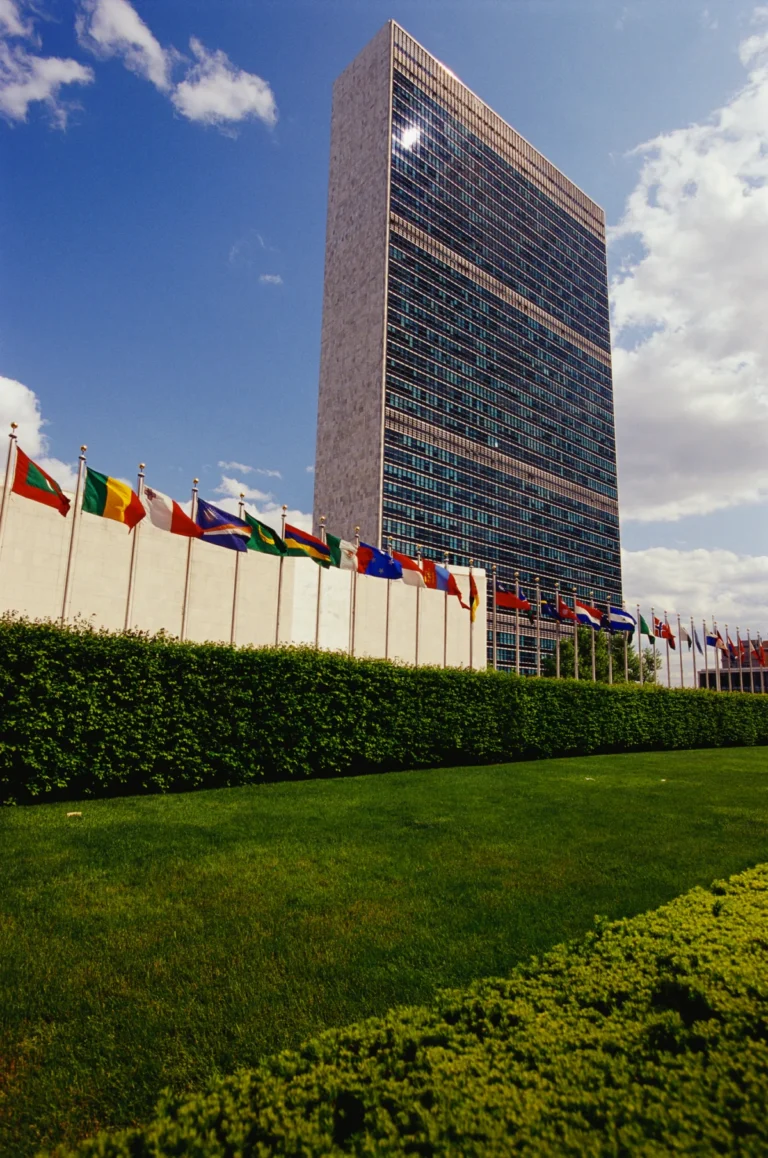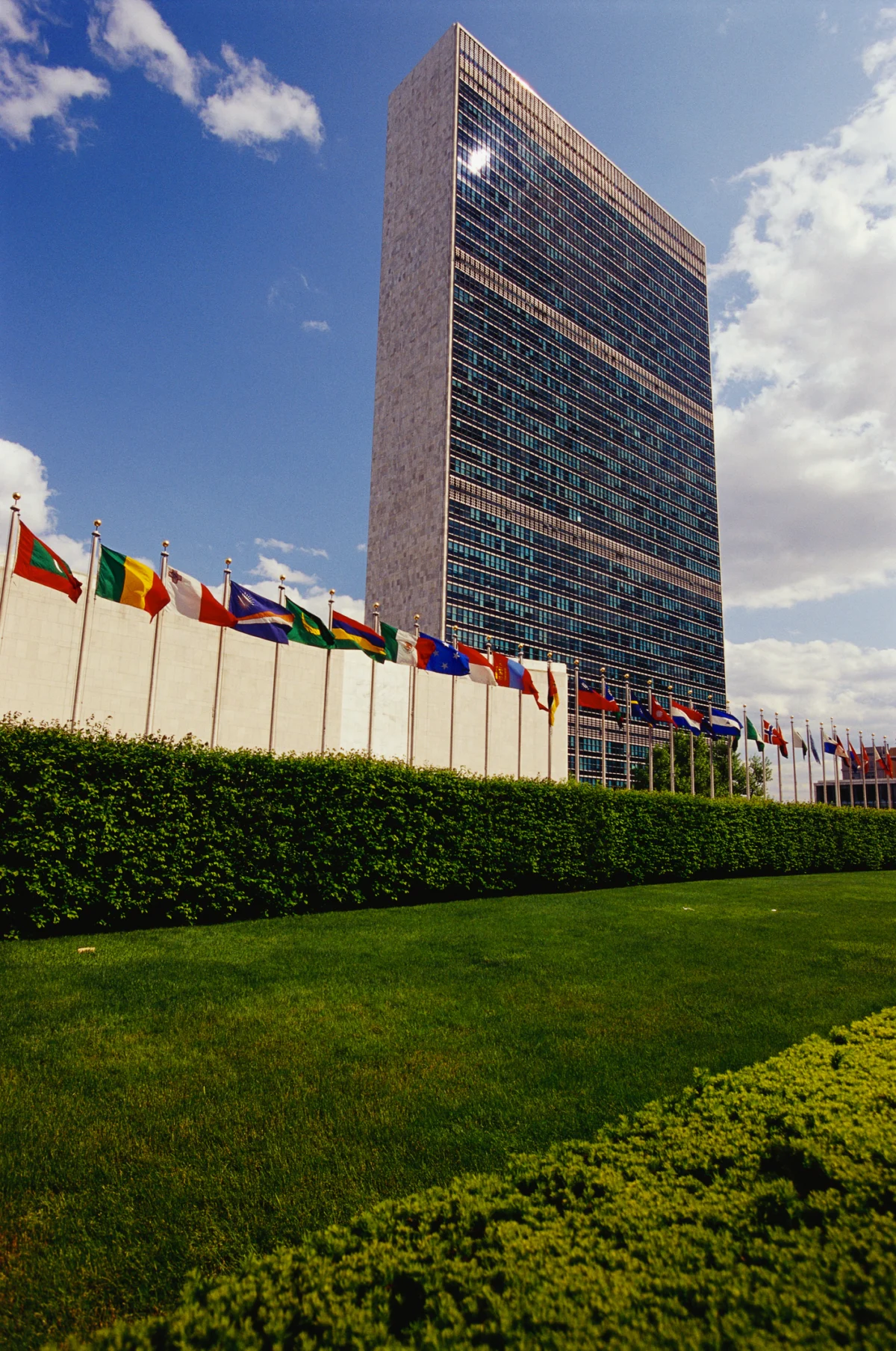
The Secretary General of the International Chamber of Commerce (ICC), John Denton, has issued a stark warning to the international community regarding the precarious state of global food security, emphasizing that trade must be prioritized as a fundamental humanitarian tool. Addressing a high-level side event at the United Nations General Assembly in New York, Mr. Denton spoke before a distinguished assembly including the European Union High Representative for Foreign Affairs and Security Policy, foreign ministers from more than 25 nations, and senior leaders from various United Nations humanitarian agencies. The address underscored the urgent necessity of reopening the Black Sea trade routes, which have become a focal point of geopolitical tension and economic instability following the expiration of the Black Sea Grain Initiative.
Mr. Denton’s remarks highlighted the interconnectedness of modern supply chains and the devastating ripple effects that occur when critical maritime corridors are obstructed. He pointed to the successful implementation of the 2022 Black Sea Grain Initiative as a primary example of how international cooperation can stabilize markets. Under that agreement, nearly 33 million tonnes of grain and essential food products reached global markets, providing a lifeline to nations struggling with inflation and scarcity. However, with those routes currently compromised, the ICC Secretary General warned that the window for preventive action is rapidly closing, particularly as Ukrainian storage facilities approach maximum capacity.
The Strategic Importance of the Black Sea Grain Initiative
The Black Sea Grain Initiative, brokered by the United Nations and Turkey in July 2022, was designed to facilitate the safe navigation of commercial shipping from three key Ukrainian ports: Odesa, Chornomorsk, and Yuzhny/Pivdennyi. For nearly a year, the initiative served as a stabilizing force in a volatile global economy. According to data from the United Nations, the initiative allowed for the export of approximately 32.9 million metric tonnes of agricultural products. This included roughly 16.9 million tonnes of corn and 8.9 million tonnes of wheat, alongside significant quantities of sunflower oil and meal.
The impact of these exports was most visible in the Food and Agriculture Organization (FAO) Food Price Index, which saw a gradual decline from the record highs recorded in the immediate aftermath of the invasion of Ukraine in February 2022. Mr. Denton noted that the most critical achievement of the initiative was not merely the volume of goods moved, but the restoration of market confidence. By providing a "humanitarian maritime corridor," the agreement allowed insurers and shipping companies to operate in a high-risk zone, thereby lowering the "war risk" premiums that had previously made exports prohibitively expensive.
Current Risks and the Convergence of Global Threats
The ICC’s current assessment points to a dangerous convergence of risks that threaten to undo the progress made over the last year. Mr. Denton identified three primary "stressors" currently weighing on the global food system: the continued blockade of Black Sea ports, disruptions in the Strait of Hormuz, and the looming impact of El Niño weather patterns.
The Strait of Hormuz remains a vital artery for global energy supplies and, by extension, the production of nitrogen-based fertilizers. Any disruption in this region leads to a spike in energy costs, which translates directly into higher input costs for farmers worldwide. Simultaneously, the return of El Niño conditions threatens to disrupt traditional rainfall patterns in major agricultural hubs in Southeast Asia, Australia, and South America, potentially reducing the yields of rice, sugar, and wheat.
"The full effects may not be visible today," Mr. Denton cautioned. "In fact, they are likely to emerge only in the coming months through reduced harvests, tighter supplies, and higher prices." He argued that the current period of relative calm in some markets is deceptive and that waiting for the crisis to become fully manifest before acting would be a catastrophic policy failure.
The Critical Six-Week Window for Ukrainian Storage
One of the most pressing concerns raised by the ICC is the logistical bottleneck currently forming within Ukraine. As the summer harvest concludes and the autumn harvest begins, Ukrainian farmers are facing a severe shortage of storage capacity. The ICC’s network within Ukraine has reported that without the ability to move grain through high-volume maritime routes, storage facilities will reach their limit within approximately six weeks.
When storage capacity is exhausted, farmers are often forced to leave crops in the fields to rot or store them in sub-optimal conditions where they are susceptible to pests and moisture damage. This not only represents a total loss of income for the producers but also a permanent reduction in the global food supply. Furthermore, the inability to sell current stock leaves farmers without the necessary capital to purchase seeds, fuel, and fertilizer for the next planting season, creating a multi-year cycle of reduced productivity.
Chronology of the Black Sea Trade Conflict
The current crisis is the result of a complex series of diplomatic and military developments:
- February 2022: The invasion of Ukraine leads to an immediate naval blockade of Ukrainian ports, halting all maritime exports and causing global wheat prices to surge by over 20% in a single month.
- July 2022: The Black Sea Grain Initiative (BSGI) is signed in Istanbul, establishing a joint coordination center and inspection protocols.
- August 2022 – June 2023: The BSGI facilitates the export of nearly 33 million tonnes of food. The World Food Programme (WFP) uses the corridor to transport over 725,000 tonnes of wheat to support humanitarian operations in Ethiopia, Yemen, and Afghanistan.
- July 2023: Russia declines to renew the agreement, citing grievances regarding the export of its own fertilizers and the continued exclusion of its agricultural bank from the SWIFT payment system.
- August 2023 – Present: Ukraine attempts to establish an alternative "humanitarian corridor" hugging the coastlines of NATO members Romania and Bulgaria. While some ships have successfully utilized this route, it lacks the scale and insurance backing required to replace the original BSGI.
Official Responses and International Reactions
The ICC’s call for action aligns with the sentiments expressed by several high-ranking officials at the UNGA side event. EU High Representative Josep Borrell has consistently advocated for the "Solidarity Lanes"—land-based rail and road routes through Europe—but acknowledged that these cannot match the efficiency or volume of maritime trade. Borrell emphasized that the "weaponization of food" is a global issue that requires a global response, echoing Denton’s sentiment that the consequences of the blockade are felt far beyond the borders of Europe.
UN Secretary-General António Guterres has also remained deeply engaged, reportedly sending proposals to Moscow to facilitate the return to the agreement. These proposals involve a dedicated subsidiary of the Russian Agricultural Bank being connected to SWIFT and the unblocking of frozen assets for Russian fertilizer companies. However, a breakthrough remains elusive, leaving the private sector—represented by the ICC—to navigate a landscape of extreme uncertainty.
Humanitarian agencies, including the WFP, have expressed grave concern. The cost of their operations increases significantly when they must source grain from more distant markets at higher prices. For every 1% increase in global food prices, millions more people are pushed into food insecurity.
Analysis of Implications: Trade as a Humanitarian Tool
The ICC’s stance represents a shift in how the private sector views its role in global crises. By framing trade as a "humanitarian tool," Mr. Denton is advocating for a "business-back" approach to diplomacy. This perspective posits that for any diplomatic agreement to be sustainable, it must be "commercially workable and operationally practical."
From a technical standpoint, this means addressing the intricacies of maritime insurance. Currently, many commercial vessels are hesitant to enter the Black Sea without the formal guarantees that were part of the UN-backed initiative. The ICC is working to bridge the gap between political negotiations and the practical needs of shipping companies, insurers, and commodity traders.
The broader implication is that the global food system is no longer resilient enough to absorb sustained disruptions in major trade hubs. The "just-in-time" nature of modern logistics means that even a few weeks of closure can lead to months of price volatility. For developing nations, particularly in East Africa and the Middle East, which rely heavily on Ukrainian and Russian imports, the stakes are existential.
Conclusion: The Case for Preventive Action
The message from the International Chamber of Commerce is clear: the cost of inaction far outweighs the difficulty of reaching a diplomatic compromise. Mr. Denton’s address served as a reminder that the global community possesses the tools to prevent a food crisis, provided there is sufficient political will and international cooperation.
As the UN General Assembly continues, the ICC remains a vocal advocate for the private sector’s role in these negotiations. The organization stands ready to provide the technical expertise necessary to ensure that any new or restored trade agreement can support the scale of exports required to feed a growing global population. The lesson of the 2022 Black Sea Grain Initiative is that when trade routes are open, markets stabilize, prices fall, and the most vulnerable are protected. The challenge now is to replicate that success before the current window of opportunity closes and the hidden costs of the blockade become a visible, global tragedy.
About the Author