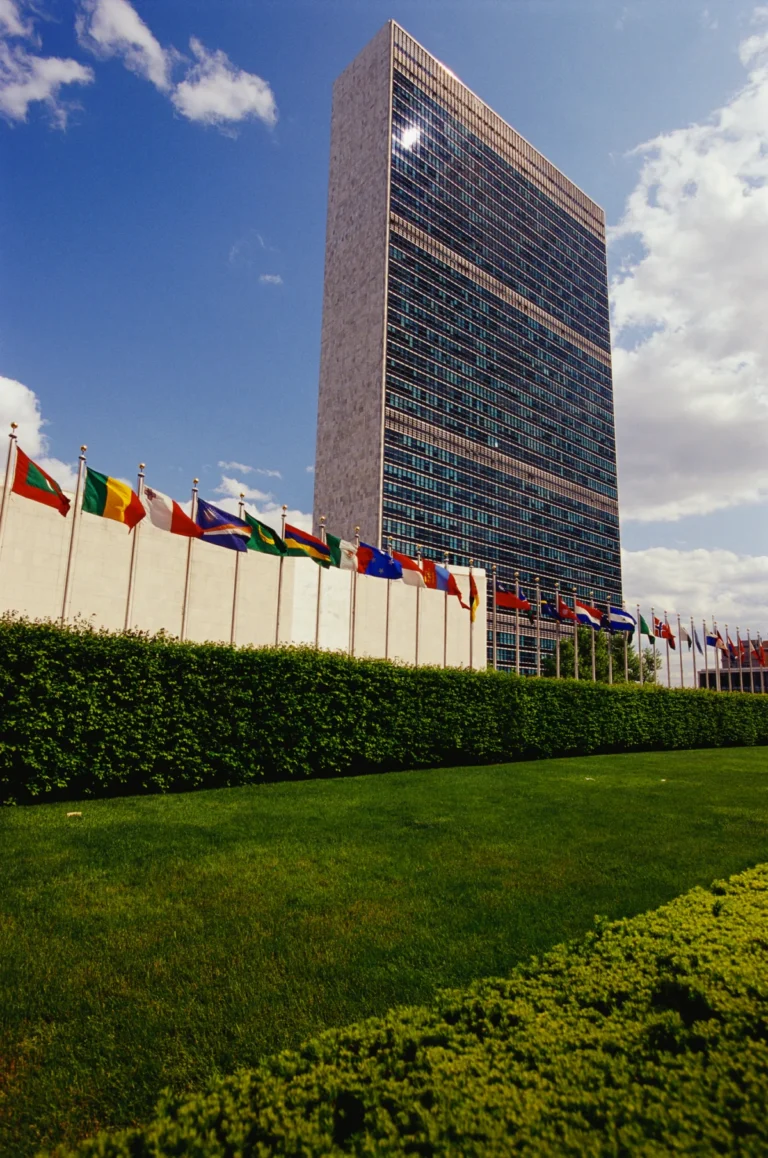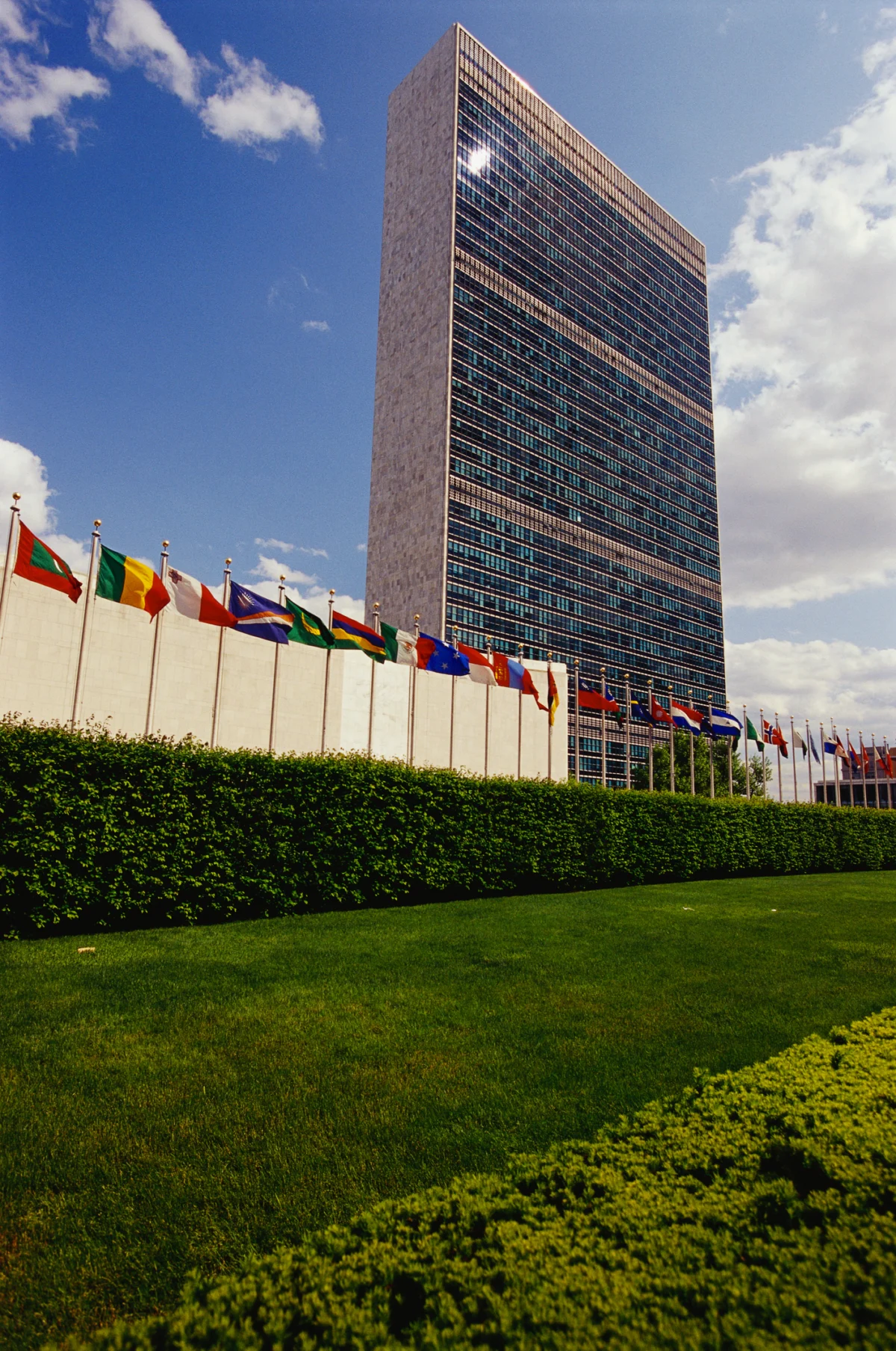
The International Chamber of Commerce (ICC) concluded its high-level engagement at this year’s United Nations General Assembly (UNGA) by reinforcing a central message: the evolution of international cooperation is no longer a luxury but a necessity for global stability. Operating under the official UNGA theme, “Restoring trust, managing transformation: a United Nations that delivers for all,” the ICC delegation, led by Secretary General John W.H. Denton AO, emphasized that the private sector must transition from a consultative role to one of shared responsibility and accountability. Throughout a series of ministerial meetings, roundtables, and policy forums, the ICC articulated a vision where business expertise, capital, and logistical networks are integrated directly into the global response to food insecurity, climate change, and the rapid advancement of artificial intelligence.
The Evolution of Private Sector Diplomacy at the United Nations
The ICC’s presence at the 79th session of the UN General Assembly carries significant historical weight, occurring as the organization approaches the 10th anniversary of its historic Observer Status. Granted by the General Assembly in late 2016 and taking effect on January 1, 2017, this status provided the private sector with a direct seat at the table in UN deliberations—a first for a business organization. This milestone reflects a broader shift in global governance, acknowledging that the challenges of the 21st century, from plastic pollution to international taxation, cannot be solved by governments in isolation.
ICC Chair Harsh Pati Singhania noted during the proceedings that the ICC’s role across the UN, WTO, G20, and BRICS provides a unique vantage point to shape resilience frameworks. He argued that while international institutions often struggle to manage the granular complexities of the global economy, the private sector possesses the operational visibility required to maintain stability during periods of volatility.
Addressing the Global Food Crisis and Trade Disruption
One of the most urgent priorities addressed by the ICC during UNGA was the escalating threat to global food security. Speaking to an audience of nearly 20 foreign ministers and high-ranking officials at a side event, Secretary General John W.H. Denton AO issued a stark warning regarding the fragility of current food systems. He pointed out that the disruption of critical trade routes is placing unprecedented strain on the movement of essential commodities.
Central to this discussion was the legacy of the 2022 Black Sea Grain Initiative. The ICC played a pivotal role in supporting this mechanism, which successfully facilitated the export of nearly 33 million tonnes of grain and food products to global markets during a period of intense geopolitical conflict. Mr. Denton used this success as a case study for why early, coordinated action is essential. He called for the restoration of grain flows through the Black Sea before regional storage capacities are exhausted, noting that delays in policy action would inevitably lead to decreased food availability and increased prices for the world’s most vulnerable populations.
Beyond the Black Sea, the ICC is actively engaged in developing mechanisms for other sensitive corridors, such as the Strait of Hormuz. The organization’s strategy focuses on the practicalities of trade: ensuring that agricultural inputs continue to move and that businesses have access to the insurance, financing, and legal frameworks necessary to operate in high-risk or disrupted markets.
A New Model for Humanitarian Action and Development
The ICC’s engagement at UNGA also targeted the systemic inefficiencies within the global aid and development sectors. In collaboration with the United Nations Foundation, the UN Office for the Coordination of Humanitarian Affairs (OCHA), and ServiceNow, the ICC hosted "The Humanitarian Reset." This initiative sought to bridge the gap between public sector aid delivery and private sector efficiency.
The discussion focused on debunking the persistent myth that the goals of humanitarian organizations and private corporations are fundamentally at odds. ICC First Vice-Chair Rebecca Enonchong highlighted that the humanitarian community’s desire for "impact at scale and speed" aligns perfectly with the private sector’s focus on "resource mobilization and efficient results."
This "Humanitarian Reset" comes at a critical juncture, coinciding with the 40th anniversary of the Declaration on the Right to Development and ongoing UN meetings regarding pandemic prevention and preparedness. The ICC’s goal is to move away from ad hoc, reactive aid toward a system that is "resilient by design." This involves creating pre-negotiated partnerships that can be activated instantly when a crisis hits, rather than spending valuable time during an emergency trying to navigate different organizational languages and processes.
Redefining Multilateralism for the 21st Century
A significant portion of the ICC’s UNGA agenda was dedicated to the future of global governance. At a high-level roundtable co-convened with the UN Foundation, the ICC introduced a landmark report titled "Rethinking Multilateralism: A New Role for the Private Sector." Produced in partnership with IE University, the report argues that the current multilateral system is under-equipped to handle the scale and complexity of modern challenges.
Mr. Denton argued that the traditional model of "consulting" with business must be replaced by a model of "collaboration and shared delivery." This involves creating formal mechanisms that allow private capital and innovation to be deployed at the scale required by the Sustainable Development Goals (SDGs). The ICC’s position is that the future of international cooperation depends on moving beyond dialogue toward tangible accountability.
Harnessing Artificial Intelligence as an Economic Equalizer
As digital transformation accelerates, the ICC used the UNGA platform to advocate for a balanced approach to Artificial Intelligence (AI). In a roundtable hosted by The Economist Group and TikTok, the ICC emphasized that the economic benefits of AI will not be distributed equitably unless specific conditions are met.
The ICC’s primary concern is ensuring that Small and Medium-sized Enterprises (SMEs), which form the backbone of the global economy, are not left behind. Mr. Denton called for a policy environment that supports SME skills development, infrastructure investment, and access to capital. Furthermore, the ICC identified three pillars essential for widespread AI adoption:
- Trust: Establishing practical safeguards for privacy, data protection, and cybersecurity.
- Responsibility: Promoting the ethical use of AI technologies.
- Interoperability: Preventing market fragmentation by ensuring that digital standards are compatible across international borders.
In discussions at the Digital Ambassadors Forum on Tech Diplomacy, the ICC urged policymakers to involve the private sector in the earliest stages of digital regulation. This involvement is seen as vital to ensuring that rules regarding cross-border data flows support innovation rather than creating barriers for smaller companies.
From Climate Ambition to Practical Implementation
Climate change remained a dominant theme throughout the week. At the COP31 Business Forum New York Dialogue—co-hosted by Bloomberg and the Union of Chambers and Commodity Exchanges of Türkiye (TOBB)—the ICC positioned itself as the "voice of the real economy" in climate negotiations.
The ICC’s message to the international community was clear: the world does not need more declarations; it needs the removal of obstacles to action. Ahead of COP31 in Antalya, the ICC is pushing for:
- Stable Policy Frameworks: Giving businesses the certainty needed to make long-term green investments.
- Open Markets: Ensuring that green technologies and services can move freely across borders.
- Interoperable Standards: Creating a common language for carbon reporting and sustainability metrics.
- Access to Finance: Bridging the gap between climate commitments and bankable projects.
Mr. Denton summarized the ICC’s climate philosophy by stating that while governments provide policy certainty and finance helps price risk, it is the business community that ultimately brings the technology and implementation capacity required to move projects from the pilot phase to global scale.
Broader Implications and the Path Forward
The ICC’s extensive engagement at UNGA 79 signals a definitive shift in how global crises are managed. The reliance on purely governmental solutions is fading, replaced by a recognition that the private sector’s logistical and financial capabilities are indispensable. By focusing on food security, humanitarian reform, multilateralism, AI, and climate action, the ICC is attempting to build a framework where the global economy remains functional even under the pressure of geopolitical and environmental shocks.
As the ICC approaches its 10th year as a UN Observer, the organization’s influence continues to expand. The success of initiatives like the Black Sea Grain Initiative serves as a template for future interventions. The takeaway from this year’s UNGA is that the "United Nations that delivers for all" must be one that fully integrates the ingenuity and resources of the global business community. The path forward involves a more systemic, action-oriented collaboration that moves beyond the ad hoc responses of the past toward a resilient, proactive global architecture.
About the Author