The creator economy, a landscape known for its rapid evolution, has witnessed an unprecedented acceleration in the adoption of Artificial Intelligence. What was once a source of apprehension and skepticism has, within a remarkably short period, transformed into a widely recognized and increasingly indispensable strategic imperative for creators. This seismic shift was a dominant theme at recent industry gatherings, including the prestigious Cannes Lions International Festival of Creativity, where AI was a focal point of discussions among leading figures in the creator ecosystem.
Kameron Buckner, founder of Social Docket, a firm specializing in guiding creators through the legal complexities of their work, observes a stark contrast between the prevailing sentiment surrounding AI last year and the present. "Last year, the conversation around AI was defined by dread," Buckner stated. "This year, the tone has shifted from fear to leverage—less ‘this thing is going to take over’ and more, ‘how do we actually use it?’" This sentiment is echoed by numerous creators, consultants, and social media strategists with whom Buckner and industry observers have engaged. The overarching consensus is that fear has largely subsided, replaced by a pragmatic exploration of AI’s potential to enhance productivity, monetize creativity, and navigate intellectual property challenges. The critical differentiator, it appears, is not whether to use AI, but how wisely it is integrated into a creator’s workflow.
The Accelerator vs. The Author: Redefining Creative Partnership
A key theme emerging from industry discussions is the conceptualization of AI not as a replacement for human creativity, but as a powerful accelerator. DonYé Taylor, a strategist behind campaigns for brands like Nike and Amazon, and now the founder of the functional-philosophy brand Nuclei, likens AI to a sophisticated calculator. "AI is like a calculator," Taylor explained. "Just because I have a TI-89 doesn’t mean I’m going to get the right answer. I still need to put the right inputs into the calculator." This analogy underscores the enduring importance of human insight, ideation, and strategic direction in harnessing AI’s capabilities.
Alicia Richardson, Head of Community and Brand Partnerships at FiveTwoNine and founder of Black Create Connect, concurs, emphasizing that AI can augment, but not replicate, intrinsic creativity. "It can enhance your creativity; it doesn’t create your creativity," Richardson asserted. "When it comes to raw, creator-led work specifically, she doesn’t think AI is ever going to take over, because audiences connect to people, not outputs." This perspective highlights the fundamental human connection that lies at the heart of successful creator-audience relationships.
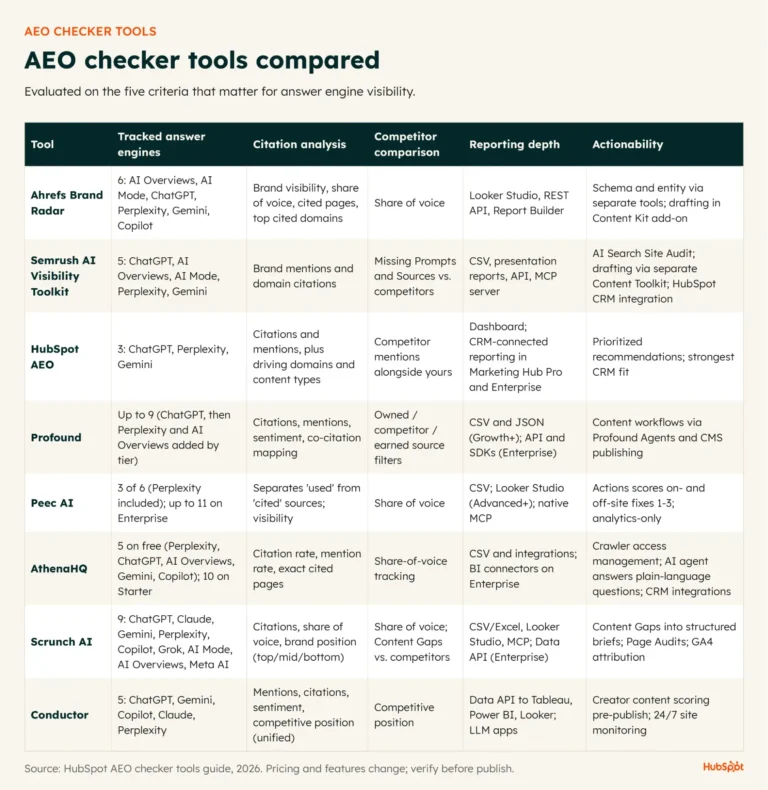
Kameron Buckner advises her clients to view AI as a "running start" rather than a finished product. "Why start from a blank sheet of paper when you can start from an outline?" she poses. Buckner herself has found that refining her AI prompting skills has sharpened her ability to articulate her needs precisely, making her a more effective manager of human collaborators. She also utilizes tools like HubSpot’s AEO to monitor Social Docket’s online visibility, demonstrating a strategic integration of AI for business development.
Gigi Robinson, a content creator and founder of Hosts of Influence, a social media consulting business, has implemented a workflow where AI tools generate rough cuts from extensive raw footage, saving her team valuable time before human editors refine the content. This process, Robinson estimates, saves her over 10 hours weekly and has contributed to a more than 20% increase in her income. Similarly, Lindsey Gamble, Vice President of Creator Strategy & Innovation at IZEA, notes a growing trend of creators building internal content hubs by feeding years of newsletters and past captions into AI tools. This allows them to identify recurring themes and insights that might otherwise be lost, fostering a deeper understanding of their own content evolution. Despite these efficiency gains, Buckner maintains that AI cannot replace the depth of knowledge and expertise that truly defines a creator’s value. "I don’t think any of these tools are going to substantially replace depth of knowledge and expertise," she stated.
Legal Landscape in Flux: Navigating Uncharted AI Territory
While the creator economy has embraced AI with increasing enthusiasm, the legal framework governing its use lags significantly behind technological advancements. "Law is so far behind, it’s never going to be able to catch up to the speed of technology," Buckner observed. "We’re still citing cases from like 1963." This legal lag has created a vacuum, prompting brands to push the boundaries of contractual agreements.
Buckner reports a rise in clauses requiring creators to share access to their AI prompts and processes. She strongly advises against this, labeling it "unnecessary access" that infringes upon the creator’s intellectual capital. She argues that the prompting process itself represents the creator’s genuine thought process, and divulging it offers brands insights unrelated to the agreed-upon deliverables. Buckner advocates for creators to establish and enforce their own boundaries, even in the absence of formal legal recognition.
Conversely, Gamble has encountered contracts that outright ban AI usage, with one requiring creators to obtain prior written consent for any AI tool. He anticipates a future where creators will proactively incorporate AI-use clauses into their agreements, safeguarding their content and voice from unauthorized AI-driven repurposing by brands.
Annie-Mai Hodge, founder of Girl Power Marketing and a HubSpot partner, points to a paradox on social media platforms. While platforms are integrating AI tools directly into creator dashboards, they simultaneously penalize AI-generated content. "We are stuck in this incredibly frustrating paradox where platforms demand AI adoption but punish the output," Hodge stated. This creates an environment of anxiety, deterring creators from experimenting with or admitting to their use of these integrated tools.
Gigi Robinson highlights instances where creators have faced repercussions due to a lack of comprehension regarding AI-assisted contract negotiation. She cited an example of a creator who inadvertently breached exclusivity clauses by posting for a competitor shortly after a brand deal, potentially due to over-reliance on AI for negotiation. Furthermore, Robinson cautions that feeding confidential contracts into public AI tools like ChatGPT can, in itself, constitute a breach of contract depending on the brand’s legal stipulations. Buckner reiterates the importance of human legal counsel, noting that while AI can define terms like "perpetuity," it cannot fully assess their real-world implications in specific contractual contexts. Connecting legal definitions to tangible consequences remains a distinctly human responsibility.
The Double-Edged Sword: AI’s Impact on the Playing Field
AI is increasingly being recognized as a democratizing force within the creator economy, providing emerging creators with tools previously accessible only to those with substantial budgets and dedicated teams. Lindsey Gamble observes that AI can equip independent creators with capabilities like scriptwriting, caption generation, and rapid content assembly, leveling the playing field against larger entities.
However, this widespread adoption also presents a challenge: homogenization of content. "If everyone’s using the same thing and doing the same thing, a lot of the content feels the same," Gamble notes, attributing this to creators employing similar prompting strategies across popular AI tools.
Data from Lean In, cited by Hodge, reveals a disparity in AI adoption, with women being less likely to be regular AI users at work and more prone to worry about being perceived as "cheating." Hodge calls for an examination of the societal conditioning that leads to such anxieties.
On a more positive note, Hodge sees AI contributing to greater pay equity by enhancing rate transparency. AI chatbots can assist creators in researching industry benchmarks, empowering them with greater confidence and leverage during negotiations, even if it doesn’t always result in higher direct payments.
The Enduring Value of Human Ingenuity
Across the spectrum of industry experts, a strong consensus emerges: human creativity, emotional intelligence, and authentic connection remain irreplaceable. Gigi Robinson noted that at Cannes Lions, the word "human" was more prevalent than even "AI" or "creators," signaling a continued demand for authentic human oversight in creative endeavors.
DonYé Taylor emphasizes the absence of emotion and feeling in AI, stating, "AI does not have feelings, it does not have emotion. You can’t replace human connection." Lindsey Gamble observes that over-reliance on AI can lead to a homogenization of voice, particularly on platforms like LinkedIn, where content begins to sound indistinguishable. He likens creativity to a muscle that atrophies without use, urging creators to periodically engage in creative activities without AI assistance to maintain their innate skills. Gamble also highlights the importance of disclosure, noting that undisclosed AI-generated content often faces immediate audience rejection.
Alicia Richardson echoes this sentiment, asserting that while AI-generated animation has its place, creator-led content will always resonate more deeply due to its human origin. "People connect with human beings, and that won’t ever change." Annie-Mai Hodge continues to personally summarize social media updates, believing her unique human interpretation surpasses automated outputs. Her advice to fellow creators is not to shun AI, but to be precise about its application, ensuring it amplifies their unique abilities rather than replacing them. Ultimately, as Hodge suggests, AI can never truly be the creator.
About the Author