In a significant move aimed at simplifying and promoting flexible health benefit options for small businesses, the Centers for Medicare & Medicaid Services (CMS) and the U.S. Small Business Administration (SBA) have officially rebranded Individual Coverage Health Reimbursement Arrangements (ICHRAs) as CHOICE Arrangements. This strategic rebranding, announced at a press conference held in Indiana, seeks to demystify a valuable but often misunderstood health benefit model, fostering greater awareness and adoption among employers and employees nationwide.
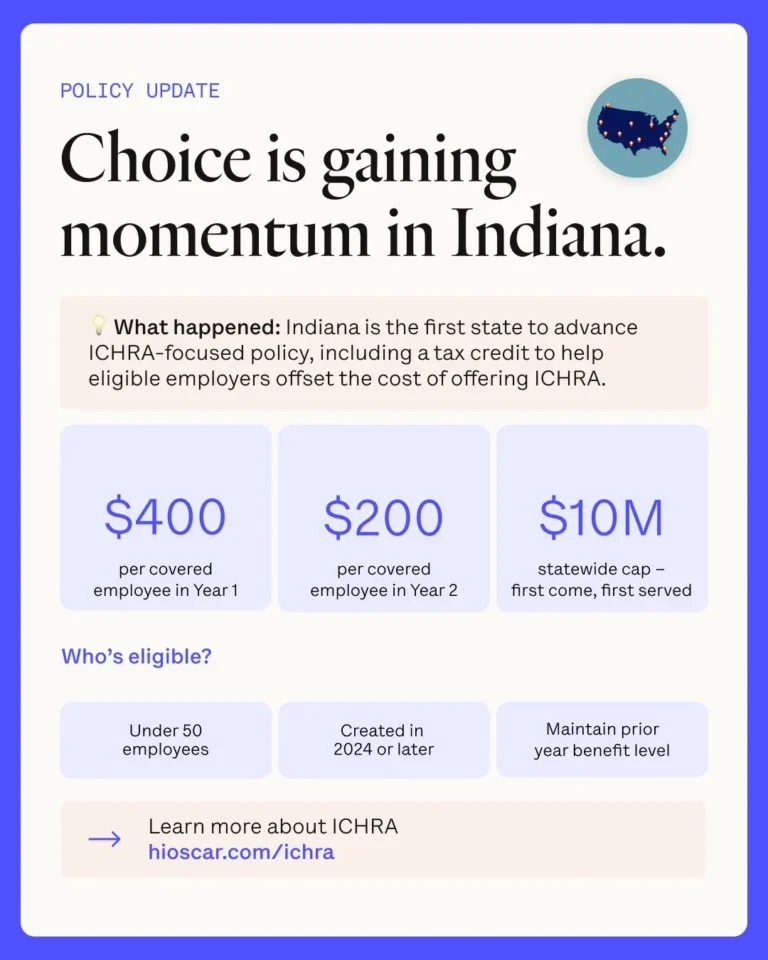
The choice of Indiana as the host state for this pivotal announcement was deliberate, highlighting the state’s pioneering efforts in incentivizing the adoption of ICHRAs. Indiana’s 2024 legislation established the nation’s first tax credit specifically for small businesses offering these arrangements. This initiative serves as a powerful case study, designed to inspire other states to consider similar legislative and executive actions that can bolster the accessibility and affordability of quality health coverage for their own small business communities. The bipartisan momentum behind this policy shift underscores a growing recognition across the political spectrum of the need for innovative solutions to address the escalating costs and complexities of employer-sponsored health insurance.
A New Identity for Enhanced Flexibility: The Rationale Behind CHOICE Arrangements
The rebranding from ICHRA to CHOICE Arrangements is more than just a semantic shift; it’s a strategic rebranding designed to resonate more clearly with its core benefit: empowering employees with greater autonomy in selecting their health insurance. As Cathy Grason, Oscar Health’s Vice President and Head of Government Affairs, articulated, "Rising healthcare costs have made the traditional one-size-fits-all approach increasingly difficult for employers and employees alike. CHOICE Arrangements offer a more flexible path: employers can continue investing in benefits while employees have greater ability to select coverage that works for their families, providers, prescriptions, and local market. State interest in CHOICE legislation is an important proof point. CMS and states are showing what is possible when policy and market innovation move in the same direction."
This emphasis on "choice" is central to the new messaging. Unlike traditional group health plans where employers select a single plan for all employees, CHOICE Arrangements allow employers to set a fixed monthly allowance, which employees then use to purchase individual health insurance plans from the Health Insurance Marketplace. This model offers a dual benefit: employers gain predictability in their healthcare spending, and employees gain the flexibility to choose a plan that best suits their individual needs, considering factors like preferred doctors, prescription drug coverage, and specific network preferences within their local area.
Indiana’s Leadership and the Growing State-Level Momentum
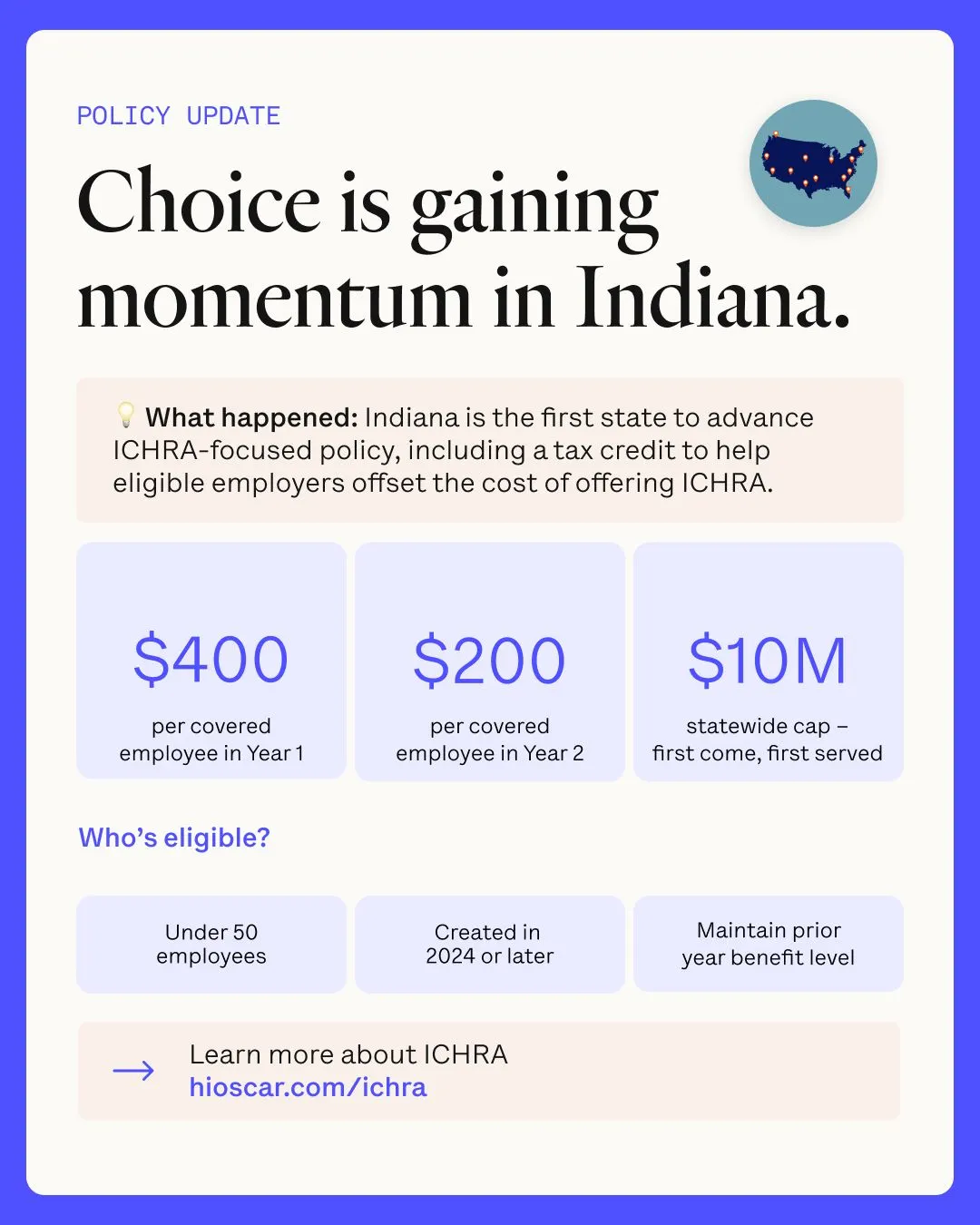
The press conference in Indiana served as a platform to showcase the tangible benefits of the state’s innovative approach. Qualifying Indiana employers with fewer than 50 employees can now access a tax credit designed to offset the cost of offering ICHRAs. This credit provides up to $400 per covered employee in the first year and $200 per covered employee in the second year. Such incentives are crucial for small businesses, where even modest increases in benefit costs can significantly impact the bottom line. By reducing the financial burden, Indiana’s law aims to make offering health benefits a more attainable goal for a larger segment of its small business landscape.
The success and legislative action in Indiana are not isolated incidents. Similar tax credit initiatives have recently been enacted in states like Mississippi and Connecticut. Furthermore, the trend is expanding, with thirteen states having considered comparable legislation or executive actions concerning ICHRAs since the beginning of 2025. This widespread legislative interest, spanning across diverse political ideologies, signals a growing consensus on the efficacy of CHOICE Arrangements as a viable and beneficial health benefit strategy for small businesses.
Official Endorsements and New Resource Rollout
The high-level attendance at the Indiana press conference underscored the federal government’s commitment to promoting CHOICE Arrangements. Key figures present included CMS Administrator Dr. Mehmet Oz, SBA Administrator Kelly Loeffler, and Peter Nelson, Director of the Center for Consumer Information and Insurance Oversight (CCIIO). Representatives from Oscar Health, a prominent player in the ICHRA market, including Andrew Reeves (VP of ICHRA), Cathy Grason (VP of Government Affairs), and Eric Lail (Director of Public Affairs), were also in attendance, underscoring the collaborative effort to advance this benefit model.

In conjunction with the rebranding announcement, CMS and SBA jointly released comprehensive new resources designed to educate employers on how to implement CHOICE Arrangements. These resources detail the process of providing tax-free employer contributions for employees to purchase individual health insurance. The materials emphasize the key advantages of this model, including:
- Predictable Employer Contributions: Employers can set a defined budget, making healthcare spending more manageable and predictable.
- Enhanced Employee Plan Choice: Employees can select plans from the Health Insurance Marketplace that best align with their personal healthcare needs, preferences, and budget.
- Portability: Individual health insurance plans are generally portable, meaning employees can retain their coverage even if they change jobs within the same state.
- Flexibility: The model offers flexibility for employers in terms of design and contribution levels, adapting to different business needs and workforce demographics.
The SBA specifically highlights CHOICE Arrangements as an attractive solution for small businesses grappling with the escalating costs of traditional group health insurance premiums or those looking to establish health benefits for the first time. The agency’s updated guidance aims to demystify the process and encourage exploration of this alternative. CMS has also indicated that further regulatory actions are anticipated to streamline the adoption of CHOICE Arrangements for employers, signaling an ongoing commitment to fostering their growth.
The Significance of Rebranding: Addressing Awareness Gaps
A significant hurdle to the broader adoption of ICHRAs has historically been limited awareness and understanding among both employers and employees. Many small businesses remain unaware of the existence or the potential benefits of this flexible health benefit model. Oscar Health, in particular, has been actively engaged in advocating for increased awareness and education, working with federal and state policymakers to address these barriers.
The rebranding to CHOICE Arrangements is a strategic response to this challenge. By using a more intuitive and benefit-oriented name, the intention is to make the concept more accessible and appealing. The new resources provided by CMS and SBA are crucial tools in this educational effort, offering clear, fact-based information that empowers businesses to make informed decisions about their health benefit strategies.
Andrew Reeves, Oscar Health’s VP of ICHRA, noted in a LinkedIn post, "CHOICE Arrangements are becoming a more serious benefits strategy for employers navigating rising health care costs and increasingly diverse workforces. They can be a great choice for employers and when designed thoughtfully, they can create greater predictability for employers and more choice for employees. That thoughtful implementation matters. Contribution strategy, workforce segmentation, local market dynamics, broker guidance and employee decision all shape whether the model works in practice. CMS’s new resources should help employers and advisors evaluate those decisions more clearly." This statement emphasizes that while the model itself is beneficial, successful implementation requires careful planning and consideration of various factors unique to each business.
Implications for the Future of Small Business Health Benefits
The shift towards CHOICE Arrangements, coupled with growing state-level support and federal guidance, represents a significant evolution in how small businesses can approach health benefits. For years, small employers have faced a difficult choice: absorb the escalating costs of traditional group plans, opt out of offering benefits altogether, or struggle to find affordable coverage. CHOICE Arrangements offer a compelling alternative that can help mitigate these challenges.
The ability for employers to control their spending while providing employees with a meaningful benefit that allows for personalized coverage is a powerful combination. This approach can lead to increased employee satisfaction and retention, as workers feel more valued and empowered in managing their healthcare. Furthermore, by aligning with the Health Insurance Marketplace, CHOICE Arrangements contribute to a more robust and competitive individual insurance market, potentially leading to better plan options and more competitive pricing for everyone.
The growing bipartisan support for this model is a testament to its potential to address a widespread problem. As more states consider similar incentives, the landscape of small business health benefits is poised for a transformation. This concerted effort by federal agencies, state governments, and private sector innovators like Oscar Health is paving the way for a future where affordable, high-quality, and flexible health benefits are not a luxury, but an accessible reality for a greater number of American workers and their families. The rebranding to CHOICE Arrangements is a critical step in ensuring that this innovative solution reaches its full potential.
About the Author