The wine industry stands at a critical environmental crossroads, where the traditional glass bottle—a vessel that has remained largely unchanged for nearly four centuries—is being scrutinized for its significant carbon footprint. While glass is often praised for its infinite recyclability and inert properties that preserve the integrity of premium vintages, its lifecycle from manufacturing to disposal presents a complex challenge for a sector increasingly focused on sustainability. In the Pacific Northwest, a collaborative effort between Willamette Valley Vineyards and the specialized packaging firm Revino is attempting to dismantle the single-use paradigm by introducing a circular economy model centered on refillable glass bottles. This initiative represents a shift from a linear "extract-use-dispose" model to a regenerative system that could potentially lower the carbon emissions associated with wine packaging by as much as 85 percent.
The Historical Evolution of the Wine Vessel
To understand the magnitude of this shift, one must consider the historical context of wine containment. For millennia, wine was transported and stored in a variety of materials, ranging from ceramic amphorae used by the Greeks and Romans to wax-lined wooden barrels and even animal skins. These methods were largely dictated by the available technology and the need for portability over long distances. It was not until the 17th century, during the early stages of the Industrial Revolution, that glass bottles became a commercially viable option. Initially a luxury reserved for the elite, the advent of coal-fired furnaces allowed for more consistent production of durable glass, eventually establishing the 750ml bottle as the global standard.
However, the dominance of the glass bottle came with an environmental price tag that has only recently been fully quantified. The production of glass requires furnaces to reach temperatures exceeding 2,700 degrees Fahrenheit, typically powered by natural gas. Furthermore, the weight of glass—often accounting for 30 to 50 percent of the total weight of a filled bottle—significantly inflates the fuel consumption required for transport. Despite the theoretical recyclability of glass, the reality in the United States is stark: according to the Environmental Protection Agency (EPA), only about 25 to 33 percent of glass containers are actually recycled. The remainder is diverted to landfills, where it occupies space indefinitely without decomposing.
The Revino Model: Moving Beyond Recycling to Reuse
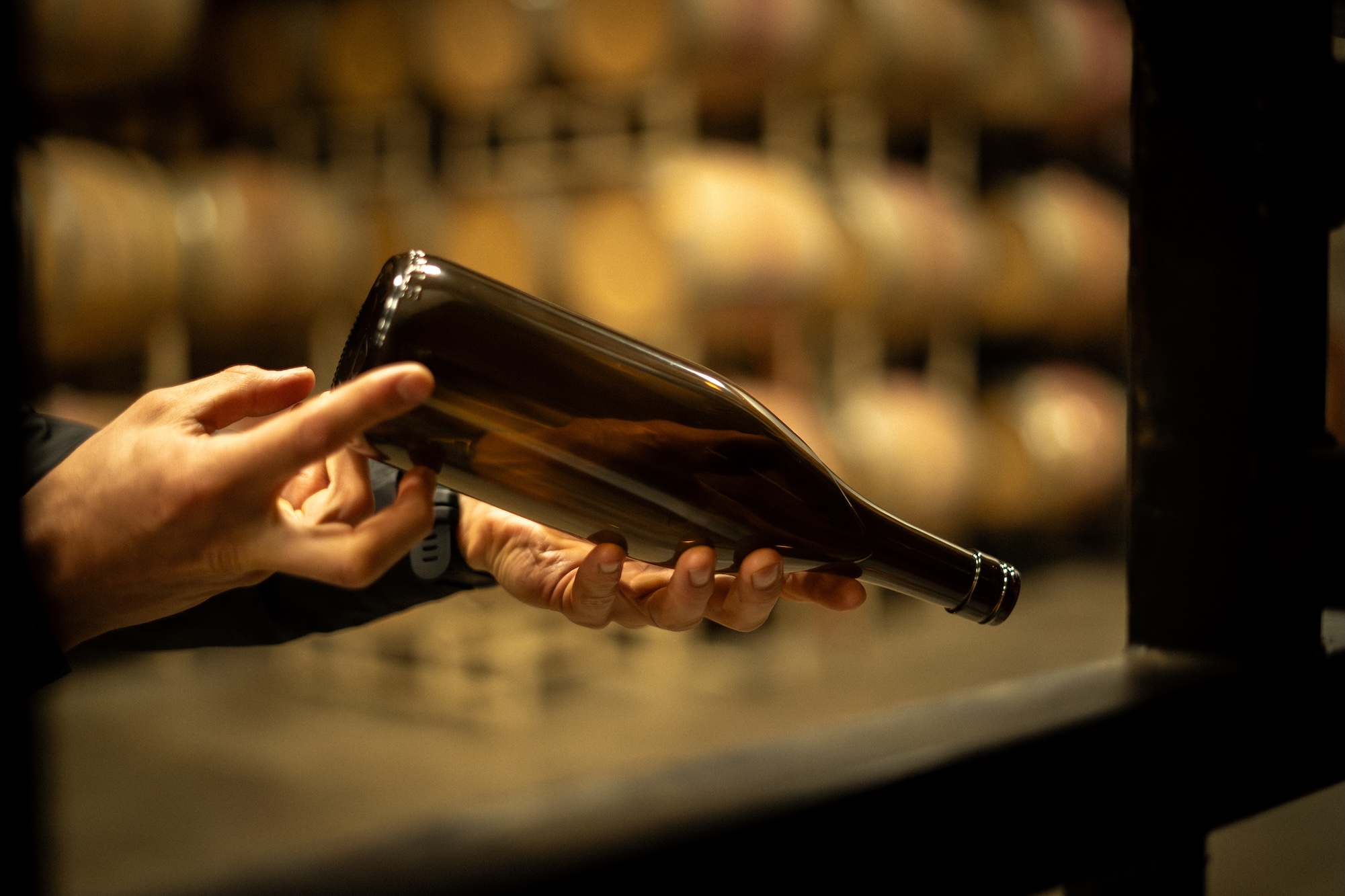
In response to these systemic inefficiencies, Oregon-based Revino has pioneered a system that prioritizes reuse over recycling. The concept is deceptively simple but logistically complex: collect used wine bottles, clean them to rigorous sanitary standards, and return them to wineries for refilling. Unlike standard single-use bottles, which are often thin-walled to save on initial production costs, Revino’s refillable bottles are engineered for durability. These "heavy-duty" vessels are designed to withstand up to 50 cycles of use, washing, and refilling.
Terry Culton, the director of winemaking and vineyards for Willamette Valley Vineyards, emphasizes that the primary advantage of this system is the avoidance of the energy-intensive manufacturing process required for new glass. "You don’t have to recreate a bottle every time," Culton noted. By extending the life of a single bottle, the cumulative carbon footprint of the packaging is slashed. Internal data from Revino suggests that after only a few rotations, the greenhouse gas emissions associated with a refillable bottle drop significantly compared to the constant production of new glass, even when factoring in the energy used for industrial washing and local transport.
However, the model currently faces geographic limitations. The infrastructure for bottle collection—consisting of drop-off sites at tasting rooms, restaurants, and retail partners—is currently concentrated on the West Coast. Because the refillable bottles are heavier than their single-use counterparts, shipping them over long distances can negate the carbon savings due to increased fuel consumption. Consequently, Willamette Valley Vineyards strategically limits the distribution of these refillable bottles to the Oregon market, ensuring that the logistics remain localized and efficient.
Strategic Packaging: The Role of Lightweight Glass
For markets outside the reach of Revino’s collection network, such as the East Coast or international destinations, Willamette Valley Vineyards employs a different tactical approach: lightweighting. Recognizing that the "true sustainable approach" changes based on distance, the winery uses glass bottles that are 27 percent lighter than traditional versions for long-haul shipping.
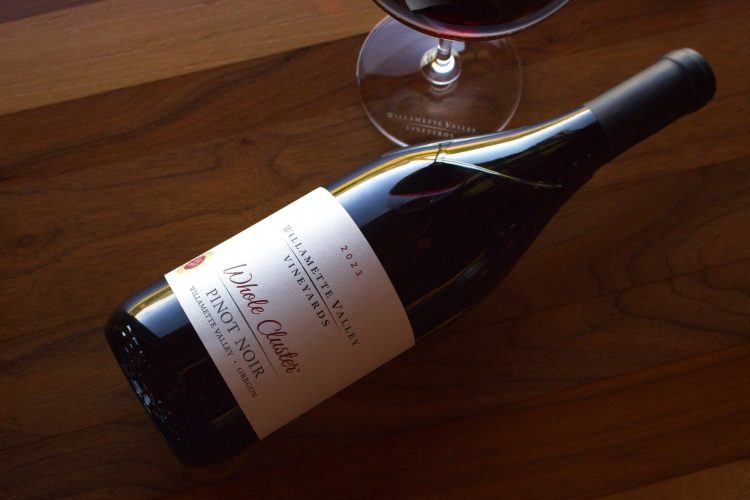
This reduction in mass has a direct impact on the carbon math of logistics. By reducing the weight of each case of wine, the winery can lower the total fuel required for trucking and shipping. Willamette Valley Vineyards estimates that this transition to lighter glass has reduced their carbon footprint by approximately 10 metric tons. This dual-track strategy—reuse for local markets and lightweighting for distant ones—illustrates a nuanced understanding of environmental impact that goes beyond a "one-size-fits-all" solution.
The Ecological Significance of the Cork Closures
The sustainability efforts of Oregon’s wine leaders extend beyond the glass to the very top of the bottle. While the industry has seen a rise in screw caps and synthetic stoppers, Willamette Valley Vineyards has remained a staunch advocate for natural cork, specifically those certified by the Forest Stewardship Council (FSC). In 2009, the winery became the first in the world to achieve FSC certification for its corks, ensuring that the materials can be traced back to sustainably managed forests in Portugal.
The ecological value of cork forests, known as montados in Portugal and dehesas in Spain, cannot be overstated. These landscapes are recognized as global biodiversity hotspots, providing a habitat for endangered species such as the Iberian lynx and the Spanish imperial eagle. Unlike timber harvesting, which involves felling trees, cork production is inherently regenerative. Harvesters carefully strip the bark from the cork oak (Quercus suber) every nine to ten years. The tree remains alive and continues to absorb carbon dioxide as it regrows its protective layer.
To complete the lifecycle of the closure, the winery founded the Cork Forest Conservation Alliance in 2008. This initiative focuses on public outreach and the collection of used corks, which are then upcycled into high-value products such as flooring, insulation, footwear, and jewelry. By diverting corks from the waste stream, the program reinforces the message that every component of the wine receptacle has a potential second life.
Industry Challenges and the Path to Scaling
Despite the clear environmental benefits, the transition to a circular packaging model is fraught with operational hurdles. "We had to get a whole system figured out because it didn’t exist before," Culton remarked regarding the Revino partnership. For a winery to adopt refillable glass, it must often modify its bottling lines to accommodate different bottle dimensions and weights. Furthermore, the success of the program relies heavily on consumer participation. Without a robust "return-to-site" culture among wine drinkers, the loop remains open.
Economic factors also play a role. While reuse can eventually lead to cost savings by reducing the need to purchase new glass, the initial investment in durable bottles and the logistics of collection and cleaning require significant capital and coordination. For small to mid-sized wineries, the "pain of being first" involves navigating a lack of existing infrastructure and standardized protocols.
However, market trends suggest that the effort is aligned with shifting consumer values. Data from the Wine Market Council indicates that more than one-third of American wine consumers now factor sustainability into their purchasing decisions. This is particularly true among younger demographics, who are increasingly wary of single-use plastics and high-carbon packaging.
Broader Implications for the Global Wine Trade
The pioneering work of Willamette Valley Vineyards and Revino serves as a localized case study for a broader global movement. In Europe, several regions are reintroducing "deposit-return" schemes that were common in the mid-20th century. The success of these programs suggests that if the infrastructure is scaled, refillable wine bottles could become a standard feature of the global beverage industry once again.

The shift toward circularity also reflects a broader recognition within viticulture that climate change poses an existential threat to the industry. As vineyards face unpredictable weather patterns, droughts, and heatwaves, the push to reduce the sector’s carbon footprint has moved from a marketing "nice-to-have" to a strategic necessity. By addressing the most carbon-intensive part of the product—the packaging—wineries like Willamette Valley are attempting to ensure the long-term viability of their craft.
As the Revino network expands and more wineries join the collective, the potential for a regional "closed-loop" system grows. The ultimate goal is to create a standardized bottle shape and a seamless collection grid that makes returning a wine bottle as intuitive as recycling a soda can. For now, the efforts in Oregon provide a roadmap for how tradition and innovation can coexist, proving that the most sustainable way to enjoy a glass of wine may involve using the same bottle that someone else enjoyed just a few months prior.
About the Author