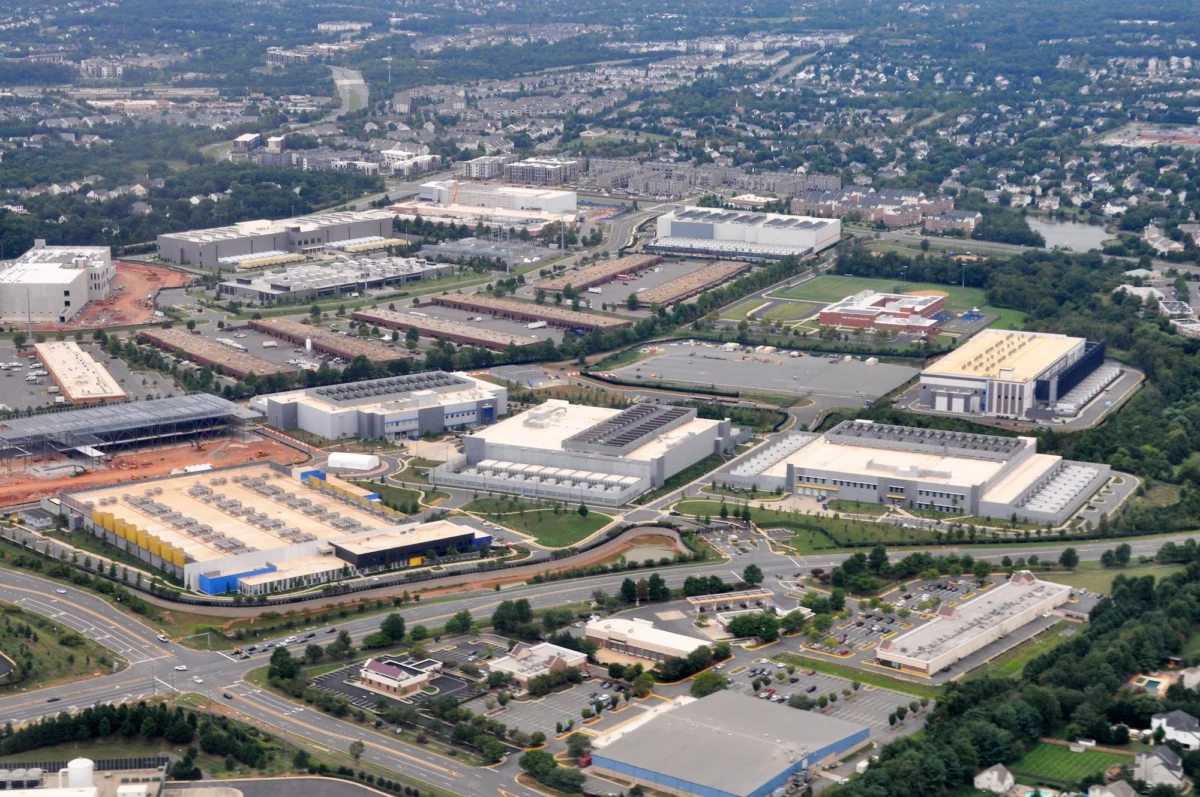
The rapid proliferation of artificial intelligence (AI) has sparked a domestic infrastructure race unlike any seen in the technology sector for decades. As tech giants and specialized developers move to build massive data centers to fuel the generative AI boom, they are increasingly meeting a formidable and organized wall of resistance from local communities. While these corporations wield significant political and financial influence, a growing movement of residents, environmental advocates, and local lawmakers is successfully challenging the unchecked expansion of these facilities, citing concerns ranging from skyrocketing utility costs to irreversible environmental degradation.
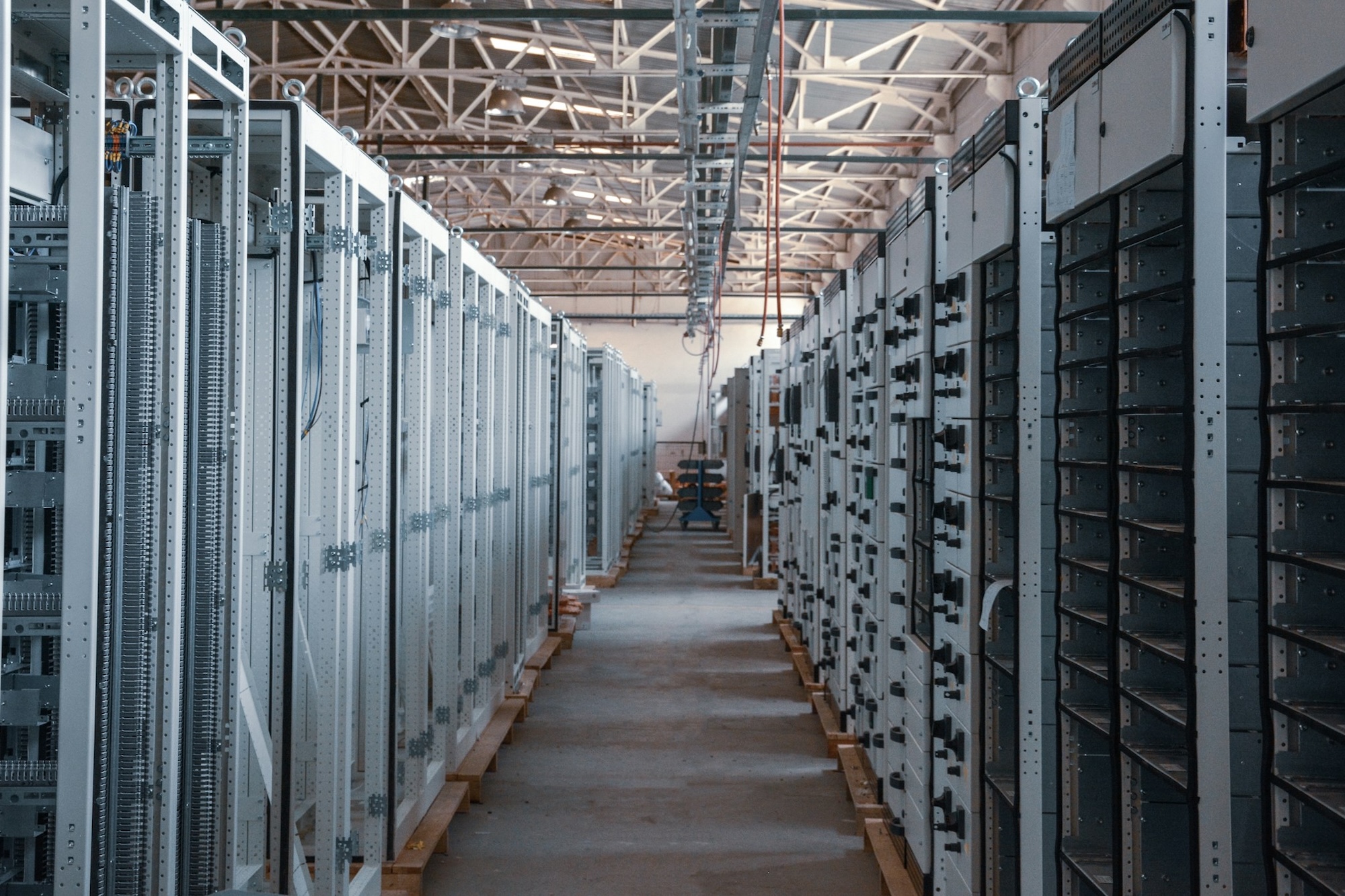
Currently, more than 4,000 data centers are operational or under active development across the United States. While the earliest iterations of these facilities in the 1940s were modest server rooms, the modern era of computing requires "hyperscale" data centers—vast industrial complexes that house thousands of servers and consume immense amounts of resources. The scale of this expansion is unprecedented; the International Energy Agency reports that electricity consumption by U.S. data centers has more than doubled since the public launch of OpenAI’s ChatGPT in late 2022. Projections suggest this demand will triple between 2021 and 2030, reaching a staggering 426 terawatt-hours (TWh) by the end of the decade—a figure that dwarfs the current annual energy usage of New York City by more than three times.
The Environmental and Economic Burden on Local Ratepayers
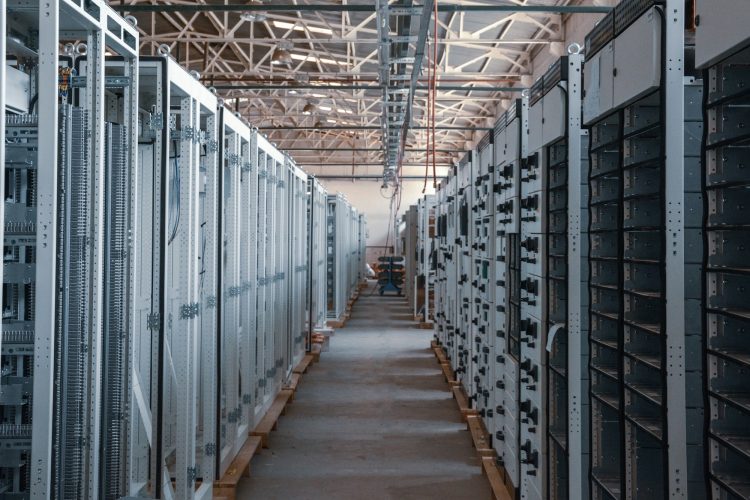
The primary driver of community opposition is the direct impact these facilities have on local infrastructure and the cost of living. Because data centers require massive, consistent power loads, they often necessitate the construction of new substations and transmission lines. A recent analysis indicates that wholesale electricity costs in regions with high data center density have surged by as much as 267 percent over the past five years. These costs are frequently passed on to residential ratepayers, effectively forcing ordinary households to subsidize the infrastructure of multi-billion-dollar tech firms.
Beyond electricity, the environmental footprint of a single data center is substantial. On average, a hyperscale facility consumes approximately 300,000 gallons of water per day for cooling purposes, placing an immense strain on local aquifers and municipal water systems. This is particularly contentious in drought-prone regions and rural areas where water is a vital resource for agriculture. Furthermore, the heat generated by these facilities contributes to a "heat island" effect in surrounding neighborhoods, potentially raising local temperatures by one to two degrees Fahrenheit and further driving up air conditioning costs for residents.
The sensory impact of data centers has also become a focal point for activists. Residents living near these facilities frequently report a "relentless roar" or a "high-pitched whine" emanating from cooling fans. More concerning to public health officials is the issue of infrasound—low-frequency noise that is inaudible to the human ear but has been linked in medical studies to heart health issues and sleep disturbances.
A Chronology of the Data Center Boom and Public Resistance
The trajectory of data center development has shifted significantly over the last decade, moving from urban industrial zones into the heart of residential and rural communities.
- 1940s–1990s: The era of centralized computing. Server rooms were largely confined to corporate headquarters and university campuses.
- 2000s–2010s: The rise of the "Cloud." Large-scale facilities began to cluster in specific hubs like Northern Virginia due to proximity to internet backbones and tax incentives.
- 2022: The launch of ChatGPT marks the beginning of the AI-driven "Hyperscale" era, requiring significantly more processing power and energy than traditional cloud storage.
- 2023–2024: Tech companies begin aggressive expansion into rural territories. Pew Research indicates that 67 percent of the 1,500 new data centers in the pipeline are slated for rural areas, often on former farmland.
- 2025–2026: Widespread community pushback emerges. Legislative bodies in over a dozen states begin considering moratoriums on new construction as the political climate shifts.
Grassroots Victories and the Power of the Ballot Box
Despite the financial disparity between local organizers and tech conglomerates, communities are securing significant victories. In Monterey Park, California, a proposed data center project was halted after the San Gabriel Valley Progressive Action group launched a multi-lingual awareness campaign. The group utilized door-to-door canvassing and a petition drive to highlight potential impacts on public health and utility rates. The resulting public outcry led the city council to implement a temporary ban, prompting the developer to withdraw its application in March 2026.
Similar sentiments are being echoed at the ballot box. In Festus City, Missouri, voters recently ousted four incumbent council members who had supported a new data center venture, replacing them with a slate of candidates who campaigned specifically on a platform of opposition to the facility. This trend is mirrored at the state level, where lawmakers in diverse jurisdictions—including Michigan, Georgia, Virginia, and Pennsylvania—are debating temporary bans or stricter environmental guardrails.

"The political system is starting to acknowledge the obvious," noted the watchdog organization Good Jobs First. "Hyperscale data centers are moving faster than the regulations intended to govern them, and states lack the basic economic and environmental protections needed to safeguard residents."
Legal Challenges and Environmental Litigation
The conflict has also moved into the courtroom. In Mississippi, the NAACP has filed a lawsuit against Elon Musk’s AI venture, xAI, and its subsidiary, MZX Tech. The filing alleges the "unlawful operation of dozens of unpermitted methane gas turbines" at the firm’s Colossus 2 data center in Southhaven. The lawsuit contends that the facility’s power plant, situated near residential areas and schools, violates the Clean Air Act and poses significant health risks to the local population.
In Oregon, a landmark case involving Amazon resulted in a $20.4 million settlement. The tech giant was accused of contributing to nitrate pollution in Morrow County through its data center operations. While Amazon denied wrongdoing, the settlement funds are earmarked for remediating private wells and improving the public water system, signaling that even the largest tech firms are not immune to environmental accountability.

Broader Implications and the Future of Big Tech
The rising tide of opposition is fueled by a broader public unease regarding artificial intelligence and the concentration of wealth within the tech sector. Polling from Cornell University and NBC News suggests that a majority of Americans are more concerned than excited about AI’s role in daily life, with many fearing job displacement and the erosion of privacy.
In response to this friction, companies like Microsoft, Amazon, Meta, and Alphabet have significantly ramped up their lobbying efforts. Reports indicate that Big Tech firms have spent over $1.1 billion on political influence to combat state-level AI regulations. Some firms have even lobbied for legislation that would limit their liability for "societal harms," including financial crises or mass casualties resulting from AI failures.
Furthermore, the involvement of tech billionaires in political campaigns—particularly the 2026 midterm elections—has added a partisan layer to the debate. Figures like Peter Thiel and Elon Musk have provided substantial financial backing to candidates who favor deregulation, further alienating communities that feel their local interests are being sacrificed for a "tech-centered ideology."

As the U.S. approaches the 2026 midterms, the data center debate is expected to intensify. The clash between the infrastructure requirements of the AI boom and the rights of local communities has created a "power grab" that is forcing a national reckoning. Whether through legislative moratoriums, environmental lawsuits, or local elections, the message from U.S. communities is becoming clear: the path to AI dominance will no longer be paved without significant local oversight and corporate accountability.
About the Author