The landscape of African energy has undergone a seismic shift over the last two decades, characterized by an unprecedented expansion of electrical grids and a surge in generation capacity. According to data from the International Energy Agency (IEA), total electricity production across the continent has increased by more than 100 percent since the early 2000s. However, a stark paradox has emerged: while millions of households and businesses are technically "connected" to the power grid, the anticipated surge in economic productivity and industrial growth has remained largely elusive. Experts and policymakers are increasingly identifying a critical "missing piece" in the energy equation: the lack of access to affordable, high-efficiency appliances that allow consumers to translate raw electricity into economic value.
The challenge facing the continent is no longer just a matter of "lighting up Africa," but rather "powering productivity." For years, the primary metric of success for governments and international donors was the number of new connections established. This supply-side focus led to massive investments in transmission lines and power plants. Yet, as these grids reached rural and peri-urban areas, utilities began to encounter a financial crisis. Consumption levels in newly connected regions often failed to meet projections, leaving utilities with massive debts and infrastructure that remains underutilized. This disconnect stems from a fundamental reality: electricity alone does not create wealth; it is the tools powered by electricity—refrigerators, water pumps, mills, and cooling systems—that drive income generation.
A Two-Decade Chronology: From Infrastructure to Impact
The journey toward universal energy access in Africa can be viewed through three distinct phases. The first phase, spanning the late 1990s to 2010, focused heavily on centralized grid expansion and large-scale hydroelectric projects. During this period, the goal was to stabilize urban power supplies and begin the long process of rural electrification. The second phase, from 2010 to 2020, saw the rise of decentralized solutions, including solar home systems and mini-grids, which proved that power could reach the most remote corners of the continent without waiting for the national grid.
We have now entered the third phase, which focuses on the "Productive Use of Energy" (PUE). In this current era, the focus has shifted from the mere presence of electrons to the utility of the service. Organizations like CLASP, an international NGO specializing in appliance efficiency, have spent 25 years tracking this evolution across 90 countries. Their research indicates that the current energy access gap is as much a demand-side problem as a supply-side one. Without a concerted effort to populate these new grids with efficient tools, the multi-billion dollar investments in infrastructure risk becoming "stranded assets" that provide light but do not lift communities out of poverty.
The Economic Stakes: A $50 Billion Market Potential
The financial implications of the appliance gap are profound. A landmark report published by CLASP highlights that prioritizing appliance access could revolutionize the fiscal health of African utilities. The research suggests that increasing the penetration of high-quality appliances could generate approximately 342 terawatt-hours (TWh) of new electricity demand annually across the continent. This surge in demand represents a potential market value of $50 billion—a figure that provides a powerful incentive for further private and public investment in power stability.
To achieve this, the report argues for a strategic redirection of capital. Currently, the vast majority of energy-sector funding is earmarked for generation and transmission. CLASP suggests that redirecting just 15 percent of this investment toward improving appliance affordability and distribution could bridge the current gap. This shift would move the needle from "energy access" to "energy service," ensuring that the $50 billion market becomes a reality rather than a theoretical projection. Furthermore, efficient appliances reduce the overall load on the grid, allowing existing infrastructure to serve more people without requiring immediate, expensive upgrades to generation capacity.
Case Studies in Transformation: Nigeria, Kenya, and Ethiopia
The theoretical benefits of efficient appliances are already being proven on the ground through various pilot programs and initiatives. In Nigeria, the introduction of portable, solar-powered grain mills has transformed the agricultural value chain. Traditionally, farmers—many of whom are women—had to travel long distances to diesel-powered mills, losing a significant portion of their harvest to spoilage or transportation costs. The availability of local, efficient milling equipment has allowed these communities to process crops on-site, drastically reducing post-harvest losses and increasing profit margins.
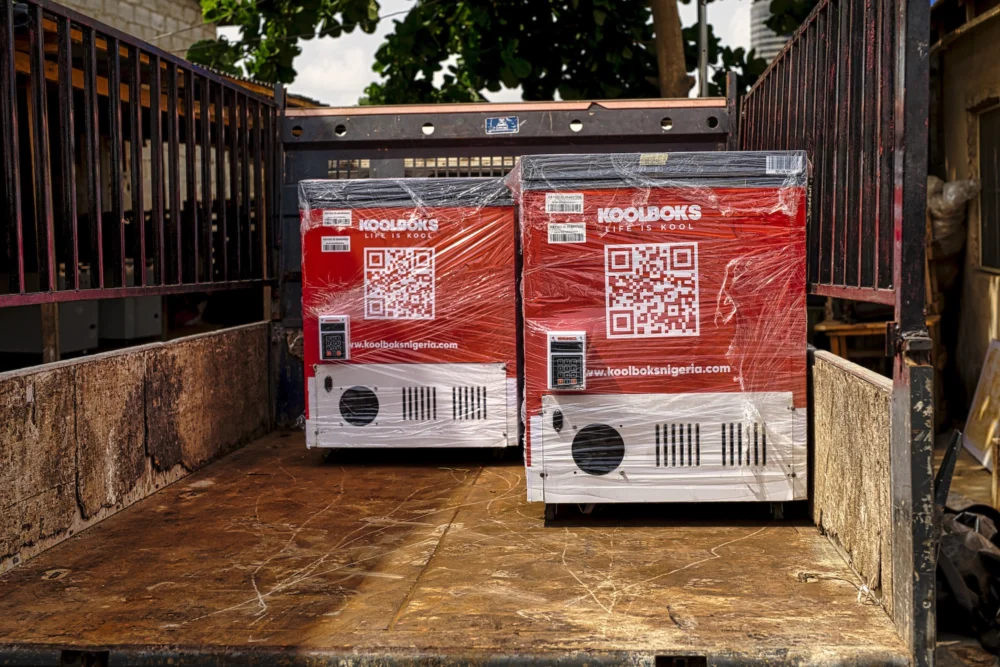
In Kenya, the focus has shifted toward the cold chain. Solar-powered refrigerators are being deployed in rural clinics and small-scale retail shops. For clinics, these units are vital for the storage of vaccines and temperature-sensitive medicines, providing a reliable alternative to intermittent grid power. For shopkeepers, refrigeration allows for the sale of perishable goods like meat, fish, and dairy, which were previously impossible to stock. This diversification of inventory leads to higher household incomes and better food security for the surrounding community.
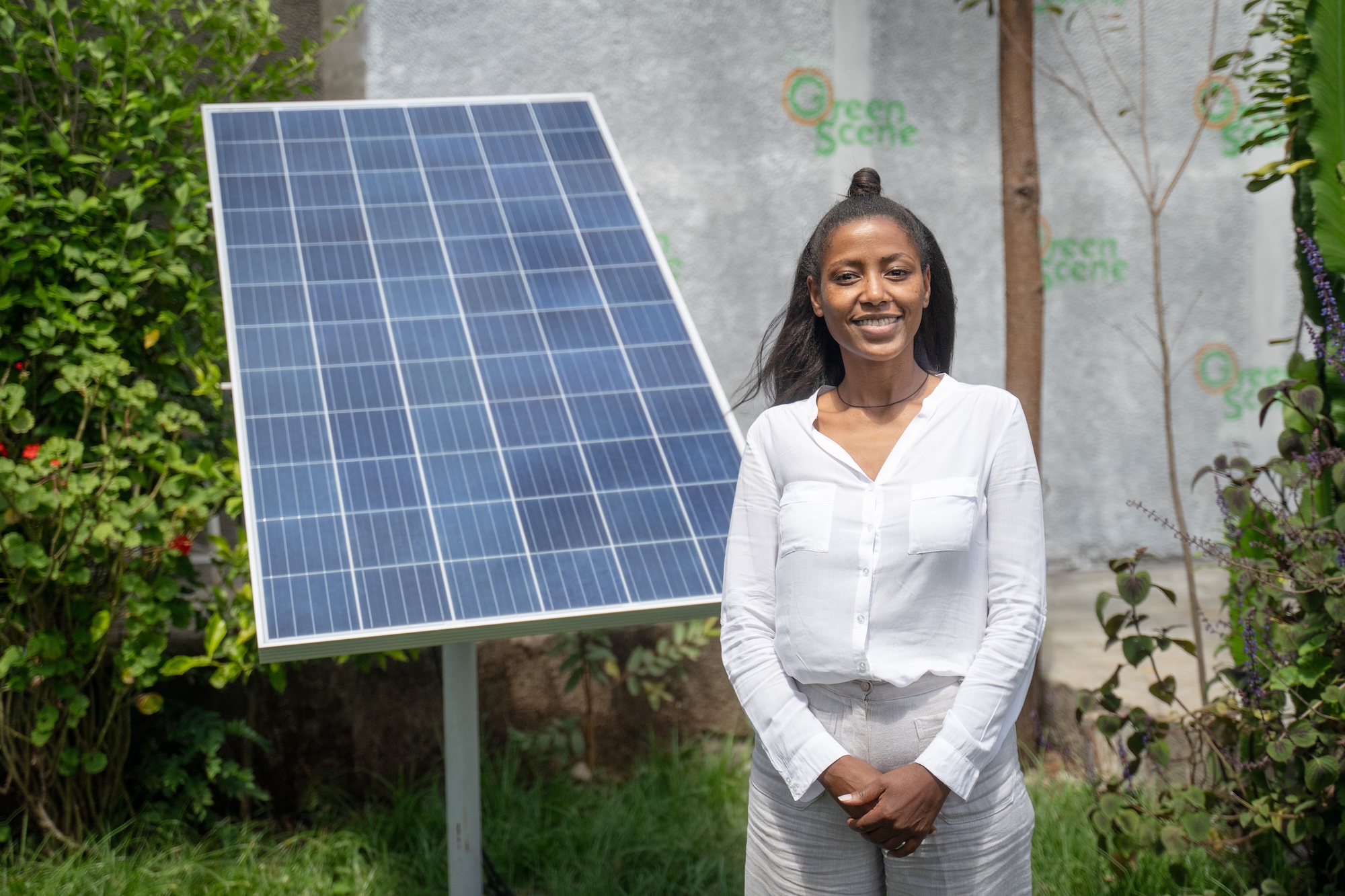
Ethiopia provides a compelling example of the intersection between energy and agriculture. Rekik Bekele, the founder of Green Scene Energy, has pioneered the distribution of solar water pumps. These devices provide smallholder farmers with a more affordable and sustainable way to irrigate their fields compared to traditional diesel pumps. By reducing the cost of inputs and allowing for year-round cultivation, these appliances are directly responsible for stabilizing food prices and increasing the resilience of rural economies against climate-induced droughts.
Policy Frameworks and National Standards
Individual success stories, however, are not enough to move the needle at a continental scale. This requires decisive government action and the implementation of rigorous standards. In 2023, Ghana took a leading role by adopting mandatory energy performance standards (MEPS) and compulsory energy labeling. These policies are designed to prevent the "dumping" of inefficient, low-quality appliances into the Ghanaian market—a common problem where older, energy-hungry technologies from developed nations are sold cheaply in Africa, ultimately costing the consumer more in electricity bills and straining the national grid.
Similar initiatives in South Africa and Kenya have demonstrated that standards and labeling programs are essential strategic levers. By ensuring that only high-efficiency products enter the market, governments can lower the "cost of living" for their citizens and delay the need for massive capital expenditures on new power plants. As His Excellency Adam Farah, Ethiopia’s Deputy Prime Minister, noted at the Africa Energy Forum in December 2025, the goal for modern African states is not just to generate more electricity, but to use it "smarter" and reinvest the resulting savings into other national priorities such as health and education.
Addressing the Barrier of Affordability
Despite the clear economic advantages, the primary obstacle remains the upfront cost. High-efficiency appliances often carry a price premium that is out of reach for the average rural household or small business owner. To combat this, the Productive Use Financing Facility, supported by the Global Energy Alliance for People and Planet (GEAPP), has been instrumental in providing grants and subsidies. These financial instruments serve two purposes: they lower the risk for suppliers entering new, unproven markets, and they reduce the end-user price to a level that is competitive with less efficient alternatives.
Data from these financing initiatives show that when the price barrier is lowered, adoption is rapid. The immediate economic impact is most visible in the jump in household earnings. In communities where women gained access to productive-use tools through these facilities, average incomes increased by a staggering 94 percent. This "income leap" proves that efficient appliances are not a luxury but a fundamental tool for poverty Alleviation.
Equity by Design: Empowering the African Workforce
The social implications of the appliance gap are heavily gendered. In many African societies, women bear the brunt of "time poverty," spending hours each day on manual labor that could be mechanized, such as fetching water or hand-grinding grain. When efficient water pumps and mills are made accessible, women are the primary beneficiaries of the time saved. This "time dividend" is almost invariably reinvested into education, childcare, or the expansion of small businesses.
Furthermore, the rise of an appliance-centric energy economy creates a new ecosystem of jobs. From technicians who install solar pumps to distributors who manage supply chains for energy-efficient refrigerators, the sector offers significant employment opportunities for the continent’s youth. By focusing on the tools of productivity, African nations can ensure that their energy transition is not just green, but also inclusive and equitable.
The Path to 2030 and Beyond
As the world looks toward the 2030 goals for energy efficiency and climate action, the role of appliances has moved to center stage. Research from CLASP indicates that smart appliance policies and investments could deliver 20 percent of the energy savings required to double the global rate of energy efficiency improvements by the end of the decade. For Africa, this represents a unique opportunity to "leapfrog" the inefficient development patterns of the past.
The conclusion for policymakers, donors, and investors is clear: electricity is merely the beginning of the journey. The true measure of energy access is the degree to which it empowers individuals to improve their lives. Grids that look impressive on a map but fail to power industry or improve livelihoods are an incomplete success. By treating efficient appliances with the same strategic importance as power plants and transmission lines, Africa can bridge the gap between access and opportunity, ensuring that every kilowatt-hour generated contributes to a more prosperous and resilient continent. The transition from "access" to "impact" is no longer an optional strategy; it is the essential next step in Africa’s economic evolution.
About the Author