The traditional healthcare model, centered on clinical interventions within the confines of a hospital or doctor’s office, is increasingly being recognized as insufficient for addressing the complex needs of underserved urban populations. In Camden, New Jersey, a pioneering initiative known as the Healthy Neighbor program is redefining patient care by integrating social determinants of health—such as housing stability, food security, and emotional well-being—directly into the medical treatment plan. Led by Virtua Health in collaboration with Medtronic and Medtronic Labs, the program demonstrates that clinical outcomes for chronic conditions like type 2 diabetes and hypertension are inextricably linked to the environment in which a patient lives.
The program’s philosophy is rooted in the understanding that a patient’s health is shaped more by their zip code and daily challenges than by their occasional visits to a primary care physician. By deploying community health workers (CHWs) to engage with patients in their own homes over an extended period, the Healthy Neighbor program seeks to build trust, identify hidden barriers to care, and provide the resources necessary for long-term health stabilization.
A Personalized Approach to Complex Health Crises
For many residents of Camden, chronic illness is compounded by personal tragedy and systemic instability. The experience of a resident named Charmaine illustrates the multifaceted nature of the challenges the program addresses. Facing the simultaneous burden of type 2 diabetes, chronic obstructive pulmonary disease (COPD), and the profound grief of losing two sons, Charmaine’s health was in a state of precipitous decline. Her entry into the Healthy Neighbor program occurred following a hospital stay—a moment that served as a catalyst for a comprehensive lifestyle intervention.
Under the guidance of Fanny Ochoa, a community health worker, Charmaine’s treatment plan expanded beyond prescriptions. Ochoa conducted home visits to assess not only Charmaine’s clinical vitals but also her living conditions and mental health. The intervention included the deployment of continuous glucose monitoring technology and assistance in securing a placement at Oliver Station, an affordable housing development in Camden that includes on-site primary care. This holistic approach resulted in stabilized blood sugar levels, managed COPD, and a significant improvement in her overall quality of life.
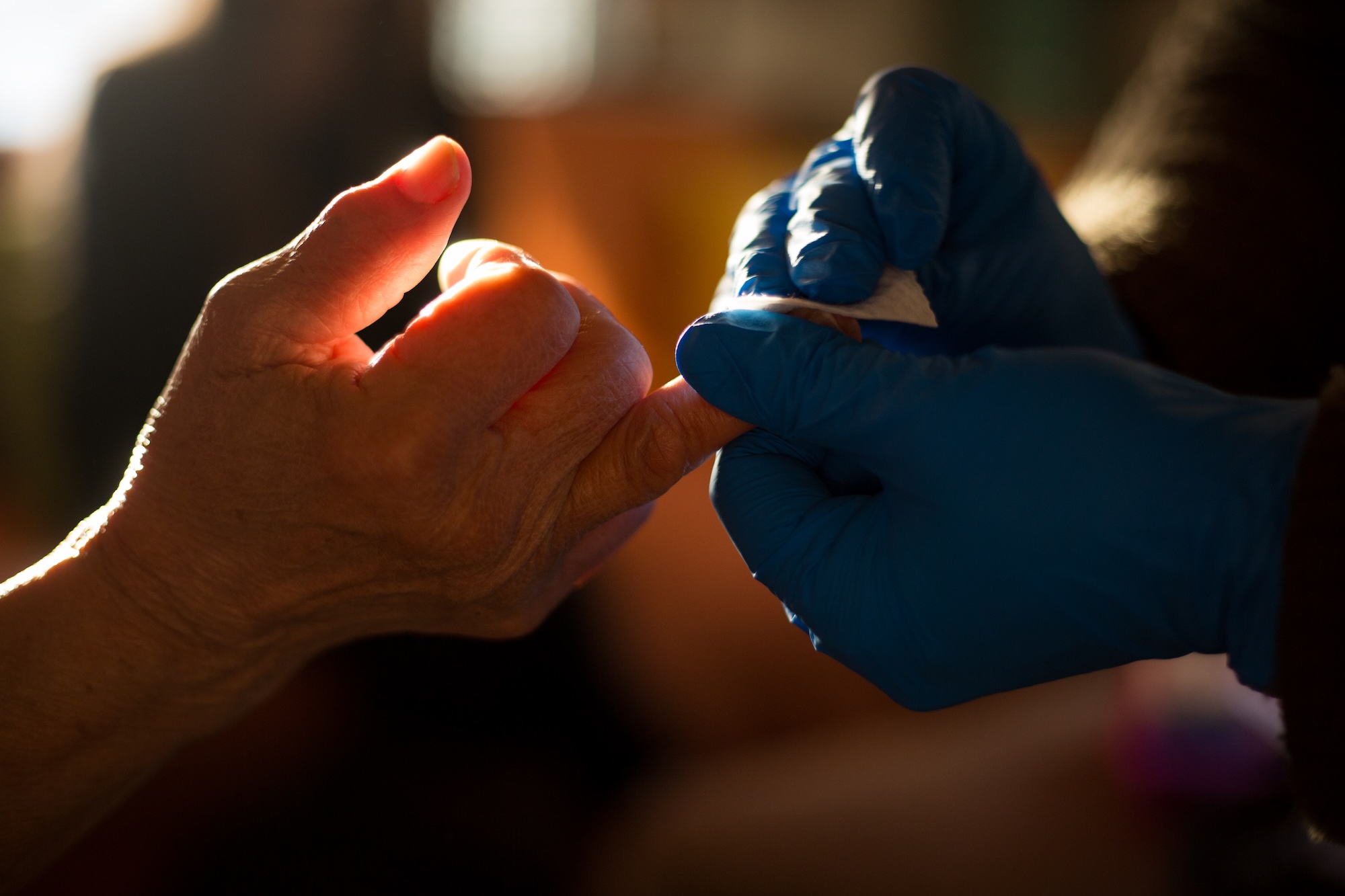
A similar success story is found in the case of Denise, another program participant who was previously living in a condemned building while struggling with uncontrolled hypertension and diabetes. Her community health worker, La Shawn Dutton-Spruill, identified that Denise’s failure to attend appointments or take medications was a symptom of her housing crisis and depression rather than simple non-compliance. By addressing her housing needs and connecting her with nutritional support, the program enabled Denise to stabilize her vitals and re-engage with her community.
The Socioeconomic Context of Health Disparities in Camden
The necessity for programs like Healthy Neighbor is underscored by the stark health disparities present in the South Jersey region. Camden, a city of approximately 70,000 residents, has long struggled with high poverty rates and environmental stressors. Data indicates that residents in certain Camden neighborhoods have a life expectancy that is up to 16 years shorter than individuals living just six miles away in more affluent suburbs.
These disparities are driven by what public health experts call the social determinants of health (SDOH). According to the World Health Organization and the Centers for Disease Control and Prevention (CDC), SDOH—which include socioeconomic status, education, neighborhood environment, and access to healthcare—can account for as much as 80 percent of a person’s health outcomes. In Camden, the prevalence of "food deserts," where fresh and affordable produce is scarce, and a shortage of safe, affordable housing have historically made the management of chronic diseases like diabetes nearly impossible for low-income residents.
The Mechanics of the Healthy Neighbor Model
The Healthy Neighbor program operates on a structured, 12-month timeline designed to transition patients from crisis management to self-sufficiency. The model is built upon several core pillars:
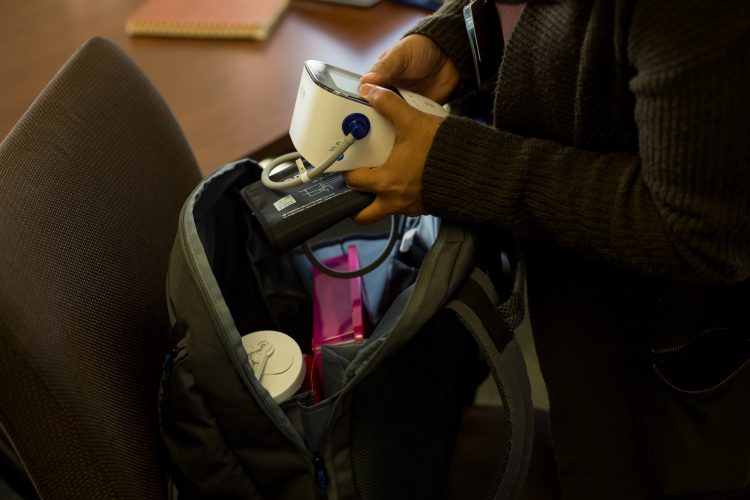
- Home-Based Clinical Monitoring: Community health workers visit patients monthly to perform basic clinical checks, such as blood pressure readings and blood sugar testing. This brings the "clinic" to the patient, removing transportation barriers that frequently lead to missed appointments.
- Technological Integration: Through the partnership with Medtronic Labs, patients are provided with medical technologies that allow for real-time monitoring. For diabetic patients, this often includes wearable sensors that provide continuous data, allowing both the patient and the healthcare team to understand how diet and activity affect glucose levels instantaneously.
- Addressing Social Barriers: During every visit, CHWs use standardized screening tools to identify needs related to housing, utilities, food, and safety.
- Sustainable Goal Setting: Patients and CHWs work together to set incremental goals. This collaborative approach empowers patients, shifting the dynamic from a top-down medical instruction to a partnership in wellness.
Tackling Food Insecurity and Housing Instability
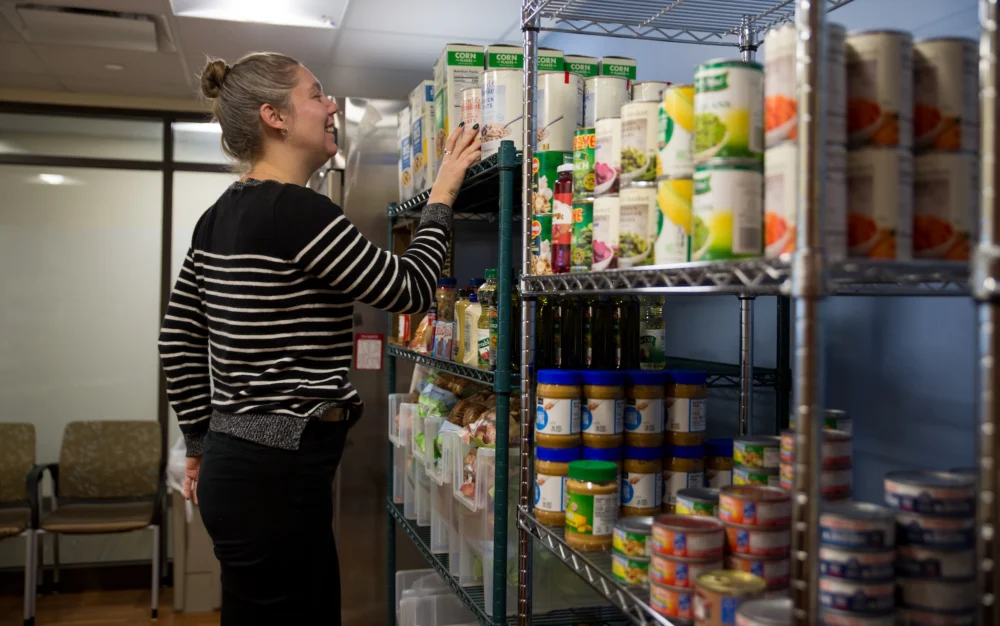
Recognizing that nutrition is a cornerstone of managing diabetes and hypertension, the Healthy Neighbor program integrates closely with Virtua Health’s "Eat Well" initiative. This program addresses food insecurity through several avenues, including a mobile grocery store and the "Food Farmacy."
The Food Farmacy provides patients with nutrition education and access to free produce and nonperishable groceries. Participants can utilize "food bucks" provided by the program, as well as federal Supplemental Nutrition Assistance Program (SNAP) benefits. By ensuring that patients have the physical means to follow a prescribed diet, the program removes one of the most significant hurdles to clinical success.
Housing is treated with equal urgency. Daniel Master, Director of Community Health and Impact at Virtua Health, emphasizes that clinical improvements are often secondary to basic survival needs. The partnership with the Michaels Organization to develop Oliver Station is a strategic response to this reality. By providing high-quality, affordable housing with integrated medical services, the program creates a stable environment where health can become a priority rather than a luxury.
Statistical Evidence of Program Efficacy
The success of the Healthy Neighbor program is not merely anecdotal; it is supported by significant clinical data. Since its inception, the program has reported measurable improvements in the management of chronic conditions among Camden’s most vulnerable populations.
According to program metrics, 74 percent of participants with previously uncontrolled hypertension saw a meaningful improvement in their blood pressure readings after participating in the program. Furthermore, over 80 percent of patients with type 2 diabetes experienced a documented drop in their HbA1c levels, a key indicator of long-term blood sugar control.
These results suggest that the intensive, home-based CHW model is more effective at managing chronic disease in high-risk populations than traditional office-based care alone. By reducing the frequency of emergency room visits and hospitalizations, the program also offers the potential for significant long-term cost savings for the healthcare system.

Collaboration and Scalability: The National Outlook
A critical component of the Healthy Neighbor program is its collaborative nature. It does not operate in isolation but relies on a network of local nonprofits, food banks, and government agencies. This ecosystem of support ensures that when a CHW identifies a need—be it legal aid, mental health counseling, or utility assistance—there is a direct pathway to a solution.
To facilitate the adoption of this model by other healthcare systems, Virtua Health and Medtronic Labs have released a comprehensive toolkit. This "open source" approach provides a roadmap for hospitals nationwide to implement similar CHW-led interventions. Plans are already underway to expand the program to sites in Michigan, California, and Florida, as well as additional locations within southern New Jersey.
The partnership with Medtronic Labs is particularly significant. As a social enterprise within a global medical technology leader, Medtronic Labs provides the digital health platforms and data analytics necessary to track patient progress and scale the intervention efficiently. This combination of "high-touch" human interaction and "high-tech" data monitoring is a hallmark of the program’s design.
Challenges to Long-Term Sustainability
Despite its documented success, the Healthy Neighbor program faces systemic challenges, primarily regarding sustainable funding. Currently, many community health worker services are funded through grants or direct health system investments rather than traditional insurance reimbursement.
Daniel Master noted that the lack of a reliable reimbursement mechanism from private insurers and Medicaid is a significant barrier to the widespread adoption of the CHW model. While insurers often cover nutritionists or diabetes educators, the broader, more holistic role of the CHW—which may involve helping a patient fill out a housing application or navigating a food pantry—is often not recognized as a billable medical service.

Advocates for the program argue that policy changes are needed to recognize the clinical value of addressing social determinants. They contend that the upfront investment in CHWs pays for itself by preventing the catastrophic health events that lead to expensive intensive care stays and long-term disability.
Conclusion: A Blueprint for Future Healthcare
The Healthy Neighbor program in Camden serves as a powerful proof of concept for a more integrated, empathetic, and effective healthcare system. By acknowledging that a patient’s life outside the clinic is the primary driver of their health within it, Virtua Health and its partners have created a model that delivers tangible results in one of the nation’s most challenged urban environments.
As the program expands nationally, it carries the potential to shift the paradigm of American healthcare toward a model that prizes prevention and social stability as highly as clinical treatment. For the residents of Camden, the program has offered more than just medical care; it has provided a sense of agency and a pathway to a healthier, more stable future. The success seen in patients like Charmaine and Denise suggests that when healthcare systems look beyond the symptoms to the person, the results can be life-changing.
About the Author