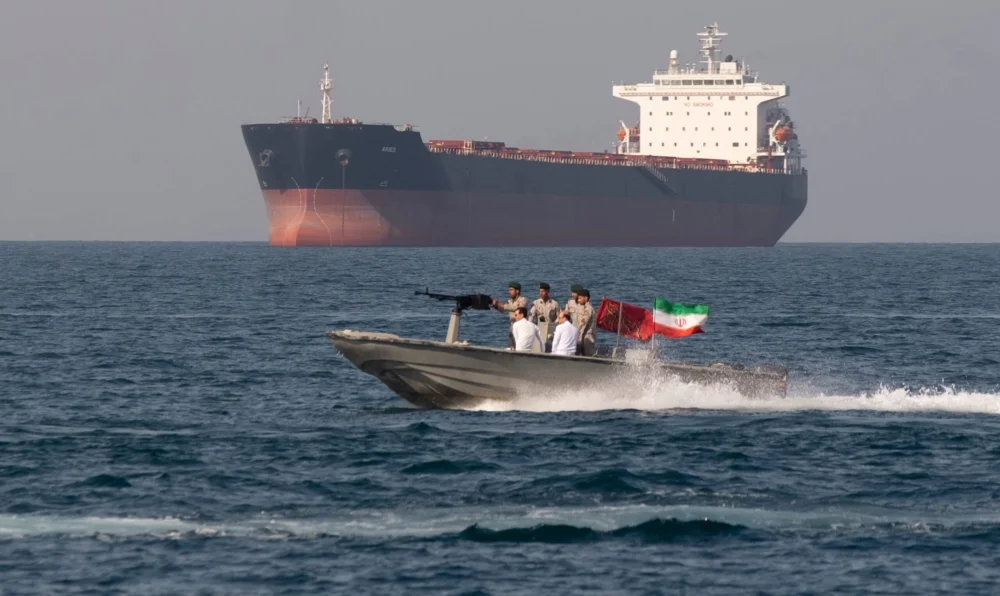
The escalating conflict across the Middle East has triggered widespread alarm within the global shipping industry, prompting major container lines to suspend operations through key maritime corridors such as the Strait of Hormuz and the Bab el-Mandeb Strait. This strategic shift, driven by heightened security concerns following recent U.S. and Israeli strikes on Iran, has compelled vessels to undertake lengthy and costly reroutes around the southern tip of Africa, signaling a significant upheaval in international trade flows. The immediate consequence is a surge in operational expenses, extended transit times, and mounting fears of sustained disruption to an already fragile global supply chain, with potential inflationary pressures reverberating across economies worldwide.
The Catalyst: Escalating Regional Tensions
The decision by leading shipping companies to halt transits through these vital waterways comes amidst a dramatic escalation of geopolitical tensions in the Middle East. For months, the Red Sea and Gulf of Aden have been focal points of instability, largely due to sustained attacks by Yemen’s Houthi rebels on commercial vessels. These attacks, which began in late 2023, were ostensibly carried out in solidarity with Palestinians in Gaza, targeting ships perceived to be linked to Israel or its allies. The Houthi aggression prompted a multinational naval response, led by the United States and the United Kingdom, which launched retaliatory strikes against Houthi military targets in Yemen.
However, the situation intensified dramatically over the recent weekend following reports of targeted U.S. and Israeli military actions against Iranian assets or proxies. While specifics remain fluid, these actions appear to be part of a broader, covert campaign aimed at deterring Iran’s regional influence and its nuclear program. Iran, in turn, has issued strong warnings and reaffirmed its capacity to disrupt maritime traffic in response to any perceived aggression, particularly in the Persian Gulf. This latest wave of strikes has pushed an already volatile region to a critical juncture, directly impacting the perceived safety of commercial shipping in areas previously considered less vulnerable to direct conflict, such as the Strait of Hormuz.
Timeline of Disruptions and Responses
The current crisis represents an evolution of challenges that began several months ago:
- October 2023: Following the outbreak of conflict in Gaza, Yemen’s Houthi rebels initiate missile and drone attacks on shipping in the Red Sea and Bab el-Mandeb Strait, declaring their intent to target vessels linked to Israel.
- December 2023: Major shipping companies, including Maersk, MSC, Hapag-Lloyd, and CMA CGM, begin announcing temporary suspensions of Red Sea transits, rerouting vessels via the Cape of Good Hope due to escalating Houthi attacks. The U.S. launches Operation Prosperity Guardian, a multinational naval initiative, to protect Red Sea shipping.
- January 2024: U.S. and UK forces conduct joint airstrikes against Houthi targets in Yemen in response to continued attacks on commercial vessels. Houthi leadership vows to continue targeting shipping.
- February 2024: Despite retaliatory strikes, Houthi attacks persist, with several vessels hit, leading to further declarations of rerouting by more shipping lines. Concerns grow over the longevity and effectiveness of deterrence efforts.
- Early March 2026: Reports surface of U.S. and Israeli military actions targeting Iranian interests or proxy forces. While details are limited, these actions are perceived as a significant escalation directly involving Iran.
- Weekend of March 2-3, 2026: Danish shipping giant Maersk issues a statement announcing the immediate suspension of all vessel crossings in the Strait of Hormuz until further notice, citing the deteriorating security situation. This decision includes a pause on future trans-Suez sailings through the Bab el-Mandeb Strait.
- March 3, 2026: German container shipping firm Hapag-Lloyd follows suit, suspending all transits through the Strait of Hormuz for the safety and security of its crews.
- March 3, 2026: France’s CMA CGM instructs its vessels within the Gulf and bound for the region to proceed to shelter, confirming the suspension of Suez Canal passages and rerouting around Africa.
- March 4, 2026: MSC, the world’s largest container shipping company, orders all vessels operating in the Gulf region to designated safe areas, closely monitoring developments.
This rapid sequence of events underscores the heightened sensitivity of global trade to geopolitical tremors in the Middle East, demonstrating how even indirect conflict can trigger immediate and far-reaching operational shifts for the maritime industry.
The Strategic Significance of Key Chokepoints
The Strait of Hormuz and the Bab el-Mandeb Strait are not merely geographical features; they are indispensable arteries of global commerce, particularly for energy supplies. Their closure or significant disruption carries profound implications for international markets.
The Strait of Hormuz: Situated between Oman and Iran, connecting the Persian Gulf to the Arabian Sea, the Strait of Hormuz is arguably the world’s most critical oil chokepoint. In 2023, an average of 20.9 million barrels of crude oil and petroleum liquids flowed through this narrow passage daily, accounting for approximately 20% of global petroleum liquids consumption, according to the U.S. Energy Information Administration (EIA). Beyond oil, a substantial volume of liquefied natural gas (LNG) and a vast array of containerized goods also traverse this strait, serving the energy-rich nations of the Arabian Gulf and facilitating trade between Asia, Europe, and beyond. Ports such as Jebel Ali in the UAE and Khor Fakkan are critical transshipment hubs, serving as intermediary points in global logistics networks. Any sustained blockage or severe disruption here would not only impact oil prices but also cause significant delays and cost increases for general cargo, affecting manufacturing, retail, and consumer goods industries globally.
The Bab el-Mandeb Strait: Located between the Horn of Africa (Djibouti and Eritrea) and the Arabian Peninsula (Yemen), the Bab el-Mandeb Strait links the Red Sea to the Gulf of Aden and the Indian Ocean. It is a vital gateway for shipping transiting the Suez Canal, connecting Asian markets to Europe and North America. In the first half of 2023, the EIA estimated that this strait accounted for 12% of seaborne oil trade and 8% of global liquefied natural gas (LNG) trade. While slightly less critical for global oil volumes than Hormuz, its importance for the Suez Canal route makes it indispensable for container shipping, which relies heavily on the efficiency and speed offered by the Suez shortcut. Rerouting around the Cape of Good Hope adds thousands of nautical miles and weeks to transit times, significantly increasing fuel consumption, emissions, and operational costs.
Industry Responses and Economic Repercussions

The collective decision by Maersk, Hapag-Lloyd, CMA CGM, and MSC – representing a significant portion of global container shipping capacity – to suspend operations in these straits is a testament to the severity of the perceived threat. These companies have explicitly cited the safety and security of their crews and vessels as paramount.
Rerouting via the Cape of Good Hope: All affected sailings, including those on Middle East-India to Mediterranean and Middle East-India to east coast U.S. services, are now being rerouted around the Cape of Good Hope. This diversion, while ensuring safety, comes at a steep price.
- Increased Transit Times: An additional 7-14 days are typically added to journey lengths, depending on the origin and destination. This delay impacts delivery schedules, inventory management, and the overall efficiency of just-in-time supply chains.
- Higher Fuel Costs: Longer routes demand significantly more fuel, leading to higher operational expenditures for shipping lines. These costs are inevitably passed on to consumers through increased freight rates.
- Reduced Capacity: With vessels spending more time at sea, fewer voyages can be completed within a given period, effectively reducing available shipping capacity on key routes. This tightening of supply can further push up freight rates.
- Environmental Impact: Longer routes mean increased greenhouse gas emissions, complicating efforts to decarbonize the shipping industry.
Rising Freight and Insurance Costs: Peter Sand, chief analyst at Xeneta, highlighted that higher container shipping rates should be factored in for the Middle East region as long as the conflict persists, emphasizing that there is "no real alternative" to ocean freight for the vast majority of goods. The cost of marine insurance premiums for vessels operating in or transiting through these high-risk zones has already skyrocketed, adding another layer of expense. These accumulated costs will ultimately translate into higher prices for imported goods, contributing to inflationary pressures in consumer markets worldwide.
Supply Chain Strain and Inflationary Pressures: The cumulative effect of these disruptions is a significant strain on global supply chains, which are still recovering from the shocks of the COVID-19 pandemic and previous geopolitical events. Industries reliant on timely delivery of components and finished goods, from automotive to electronics and apparel, will face delays and increased costs. For consumers, this could mean higher prices for everything from electronics and clothing to fresh produce and energy. Central banks, already battling inflation, may find their efforts complicated by these external cost-push factors.
Expert Commentary and Geopolitical Outlook
Industry analysts and geopolitical experts are closely monitoring the situation, grappling with the potential trajectories of this crisis. Amrita Sen, founder and director of market intelligence at Energy Aspects, underscored the critical importance of the Strait of Hormuz, noting that approximately 15 million barrels of oil and 80 million tons of LNG traversed the waterway last year.
While the prospect of Iran completely shutting off the Strait of Hormuz remains a serious concern, most analysts, including Sen, believe it is unlikely. "The U.S. and Israel would just take that out, very, very quickly. The U.S. has way more superior military power to just neutralise any of Iran’s abilities to do that," Sen stated. The international community, led by major naval powers, would likely view a complete closure as an act of war and respond decisively to reopen the strait, given its paramount importance to global energy security.
However, the real danger, according to Sen, lies not in a complete closure but in the persistent threat of "one-off attacks on tankers." These sporadic yet unpredictable incidents are sufficient to make the market "extremely cautious about sending vessels in," thereby creating disruptions, raising insurance premiums, and prompting rerouting decisions. This uncertainty, rather than an outright blockage, is the primary mechanism through which regional tensions are impacting global trade.
Peter Sand of Xeneta also captured the sentiment within the industry, noting a "little bit of fatigue" among shipping companies. He remarked, "The risk of geopolitics has shown its ugly face with higher frequency and more severity over the past years than ever before," adding that companies "draw 10 contingency plans only to tear them all up because there is a new twist and a new angle to it." This highlights the inherent difficulty in planning and adapting to an increasingly unpredictable global geopolitical landscape.
Broader Implications for Global Trade and Energy Security
The prolonged disruption in the Middle East has far-reaching implications that extend beyond immediate shipping costs and delays:
- Energy Security: While oil prices might stabilize if disruptions are temporary, sustained threats to major chokepoints introduce a significant risk premium. Nations reliant on Middle Eastern oil and gas may seek to diversify their energy sources or routes, potentially accelerating investments in alternative energy or domestic production.
- Shifting Trade Routes: If the security situation in the Red Sea and Persian Gulf remains precarious long-term, it could prompt a more permanent re-evaluation of global trade routes. The Cape of Good Hope route, while longer, may become a more frequently utilized default, leading to new infrastructure investments in African ports and a rebalancing of global logistics networks.
- Insurance Market Volatility: The marine insurance market will continue to experience heightened volatility, with underwriters reassessing risk profiles and adjusting premiums accordingly. This directly impacts the profitability of shipping operations and indirectly affects the cost of goods.
- Naval Presence and Geopolitical Posturing: The increased naval presence in the region by various international powers underscores the strategic importance of these waterways. It also highlights the ongoing geopolitical competition and the struggle for influence in a region critical to global stability.
- Technological Adaptations: The need for enhanced vessel security, real-time threat intelligence, and more resilient supply chain management systems will likely accelerate technological adoption within the maritime industry.
In conclusion, the latest escalation in the Middle East, specifically the U.S. and Israeli strikes on Iran, has reverberated immediately through the global shipping sector, forcing major players to reroute vessels away from the strategically vital Strait of Hormuz and Bab el-Mandeb Strait. While a complete closure of these chokepoints is deemed unlikely by experts, the persistent threat of attacks is sufficient to induce significant disruptions, higher costs, and extended transit times. This situation underscores the fragility of global supply chains and the profound economic consequences of geopolitical instability in critical maritime regions, compelling industries and governments worldwide to reassess strategies for resilience and security in an increasingly volatile world.
About the Author