
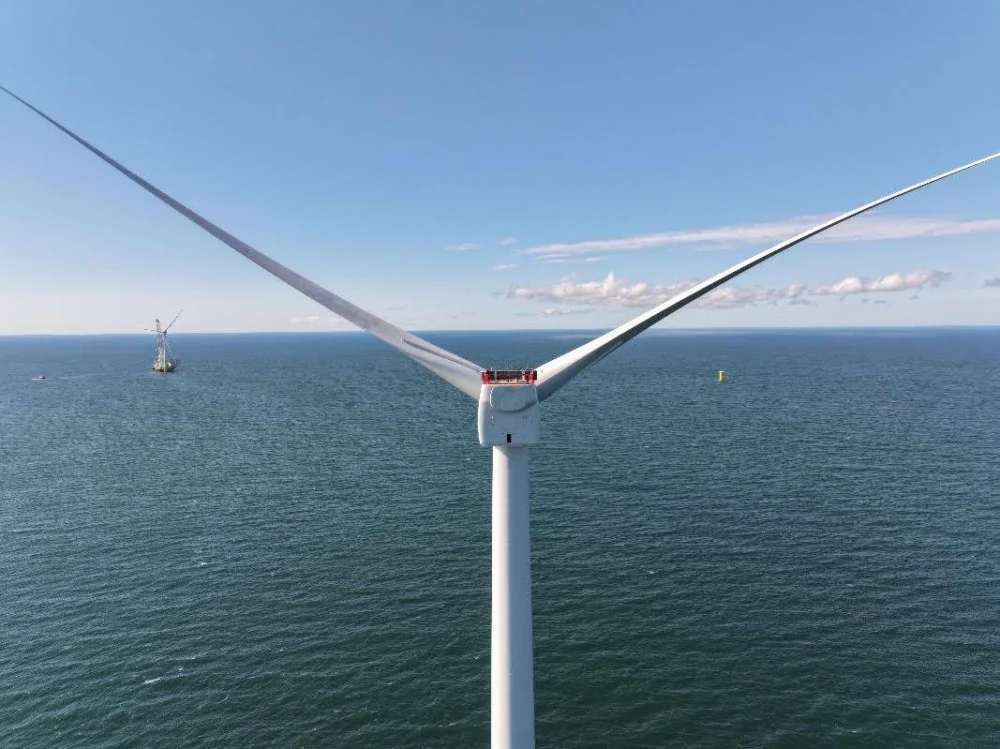
The escalating demand for computational power to fuel the artificial intelligence revolution has precipitated a critical energy shortage for data centers. This crisis is so severe that it’s prompting radical, even seemingly outlandish, proposals. Beyond the high-profile discussions of orbital data centers, championed by figures like Elon Musk, which aim to harness solar power 24/7 by launching servers into space, a new wave of innovation is turning towards the planet’s vast aquatic resources. One ambitious startup, Aikido, is proposing a novel solution: submerging data centers beneath the ocean’s surface.
Aikido’s Oceanic Data Center Initiative
Aikido, an offshore wind developer, is set to deploy a 100-kilowatt demonstration data center off the coast of Norway within the current year. This initial, smaller-scale unit will be housed within the submerged pods of a floating offshore wind turbine, integrating power generation and data processing in a unique synergy. The company has ambitious plans for expansion, with a larger iteration envisioned for deployment off the coast of the United Kingdom in 2028. This subsequent phase is slated to feature a 15- to 18-megawatt offshore wind turbine powering a 10- to 12-megawatt data center, signifying a significant leap in scale and capability.
The strategic decision to move data centers offshore addresses several key challenges facing the industry. Proximity to a consistent and renewable power source is perhaps the most immediate benefit, with the wind turbines positioned directly overhead. Offshore wind resources are known for their greater consistency compared to onshore wind, offering a more reliable energy stream. While brief lulls in wind speed are inevitable, Aikido’s model incorporates the use of a modest battery system to bridge these gaps, ensuring uninterrupted operation.
Furthermore, the deployment of submerged data centers offers a potential solution to the persistent "Not In My Backyard" (NIMBY) phenomenon. Onshore data centers often face local opposition due to concerns about noise pollution generated by cooling systems and the visual impact of large industrial facilities. By situating data processing units underwater, these terrestrial objections are effectively bypassed.
Perhaps one of the most compelling advantages of this offshore model is the inherent cooling capability. Immersing servers in cold seawater presents a significantly simpler and more energy-efficient cooling mechanism compared to traditional air-cooling or even more complex liquid-cooling systems used in land-based facilities. This contrasts sharply with the cooling challenges anticipated for orbital data centers, where the vacuum of space necessitates entirely different and potentially more intricate thermal management strategies.
Navigating the Challenges of the Marine Environment
While the offshore approach promises to resolve several pressing issues, it also introduces its own set of formidable challenges. The marine environment is inherently harsh and corrosive. Although submerged units would be shielded from the direct battering of surface waves, they would still be subject to constant motion and the relentless corrosive effects of saltwater. This necessitates robust engineering solutions to ensure the longevity and reliability of the equipment.
Every component, from the data center’s housing to the intricate power and data connections, must be meticulously designed and hardened against saltwater’s corrosive properties. The need for secure anchoring and stabilization to prevent drift, while ensuring accessibility for maintenance and upgrades, represents a significant engineering hurdle. The complexity of underwater cabling for data transmission and power distribution also adds layers of technical difficulty.
A Precedent in Underwater Data Centers: Microsoft’s Project Natick
Aikido is not the first entity to explore the concept of submerged data centers. Microsoft, a major player in cloud computing and AI, first conceptualized and experimented with this idea over a decade ago. Their ambitious "Project Natick" saw the deployment of a data center prototype off the coast of Scotland in 2018. This pioneering experiment yielded remarkably positive results. Over a 25-month trial period, a mere six out of more than 850 servers failed. This impressive reliability was partly attributed to the data hall being filled with inert nitrogen gas, which mitigates the risk of corrosion and electrical arcing.
Microsoft further developed its underwater data center technology, accumulating a portfolio of patents. In a move that signaled its commitment to open innovation, the company open-sourced these patents in 2021, encouraging broader industry exploration. However, despite the promising early results and technological advancements, Microsoft ultimately discontinued Project Natick by 2024, citing a shift in strategic priorities or perhaps the sheer complexity and long-term cost of scaling such an operation. The reasons for its eventual decommissioning remain a subject of industry discussion.
The Broader Implications of Extreme Data Center Deployment
The escalating energy demands of AI are fundamentally reshaping the landscape of data center infrastructure. The current reliance on traditional grid power is becoming increasingly unsustainable, especially as the carbon footprint of energy-intensive computing comes under greater scrutiny. This has spurred a search for alternative energy sources and innovative deployment strategies.
Supporting Data and Industry Trends:
- AI’s Growing Energy Appetite: Studies indicate that AI training alone could consume tens of billions of kilowatt-hours annually. For instance, some projections suggest that the energy consumption of AI models could triple by 2026, reaching levels comparable to entire countries. This escalating demand is a primary driver for exploring novel energy solutions.
- Renewable Energy Integration: The push for greener data centers is intensifying. Companies are increasingly investing in renewable energy sources like solar and wind to power their operations. However, the intermittency of these sources remains a challenge, necessitating advanced energy storage solutions.
- Global Data Center Market Growth: The global data center market is projected to continue its robust growth trajectory, driven by cloud computing, big data analytics, and the burgeoning AI sector. This expansion will place further strain on energy grids and highlight the need for sustainable infrastructure.
Background Context of the Energy Crunch:
The current power crunch is a confluence of several factors. The rapid proliferation of AI models, from large language models to sophisticated image and video generation tools, requires immense computational power. This power is largely supplied by specialized AI chips, such as NVIDIA’s GPUs, which are notoriously energy-intensive. Data centers housing these chips operate at peak capacity, demanding significant and consistent energy input.
Moreover, many existing data centers were not designed to accommodate the concentrated power draw of large-scale AI training clusters. Upgrading existing infrastructure to meet these demands is often costly and time-consuming. This has led to a situation where the supply of readily available, green energy for new AI-focused data centers is becoming a bottleneck for the industry’s growth.
Timeline of Developments:
- Early 2010s: Microsoft begins conceptualizing and researching underwater data centers, leading to Project Natick.
- 2018: Microsoft deploys its first underwater data center prototype off the coast of Scotland as part of Project Natick.
- 2021: Microsoft open-sources its patents related to underwater data center technology.
- Early 2020s: The AI boom accelerates, dramatically increasing demand for data center power and highlighting energy constraints.
- 2024: Microsoft reportedly ceases Project Natick, signaling the end of its direct involvement in this specific initiative.
- Present Year (Implied): Aikido plans to deploy its 100-kilowatt demonstration data center off Norway.
- 2026: TechCrunch event in San Francisco, potentially a forum for discussing emerging data center technologies.
- 2028: Aikido aims to deploy a larger, 10-12 megawatt data center off the UK coast.
Analysis of Implications:
The success of Aikido’s venture could have profound implications for the future of data center infrastructure. If the company can overcome the engineering and logistical challenges, submerged data centers powered by offshore wind could represent a viable pathway to scaling AI compute capacity sustainably. This would:
- Decentralize Data Processing: Reduce reliance on congested terrestrial power grids and create new opportunities for data center development in coastal regions.
- Enhance Energy Efficiency: Leverage natural cooling and renewable energy sources to significantly lower the operational carbon footprint of data centers.
- Mitigate NIMBY Conflicts: Alleviate local opposition to data center construction by removing them from residential areas.
However, the high costs associated with marine engineering, installation, and maintenance are significant factors. The long-term economic viability of this model will depend on whether the operational savings from natural cooling and renewable energy can offset these initial and ongoing expenses. Furthermore, the environmental impact of large-scale subsea infrastructure on marine ecosystems will need careful consideration and rigorous assessment. Regulatory frameworks for such novel deployments will also need to evolve.
The exploration of extreme environments for data center deployment, whether in orbit or beneath the waves, underscores the sheer scale of the energy challenge posed by the AI revolution. While the technical hurdles are substantial, the drive for innovation is pushing the boundaries of what is considered feasible, potentially paving the way for a more sustainable and resilient digital future.
About the Author





