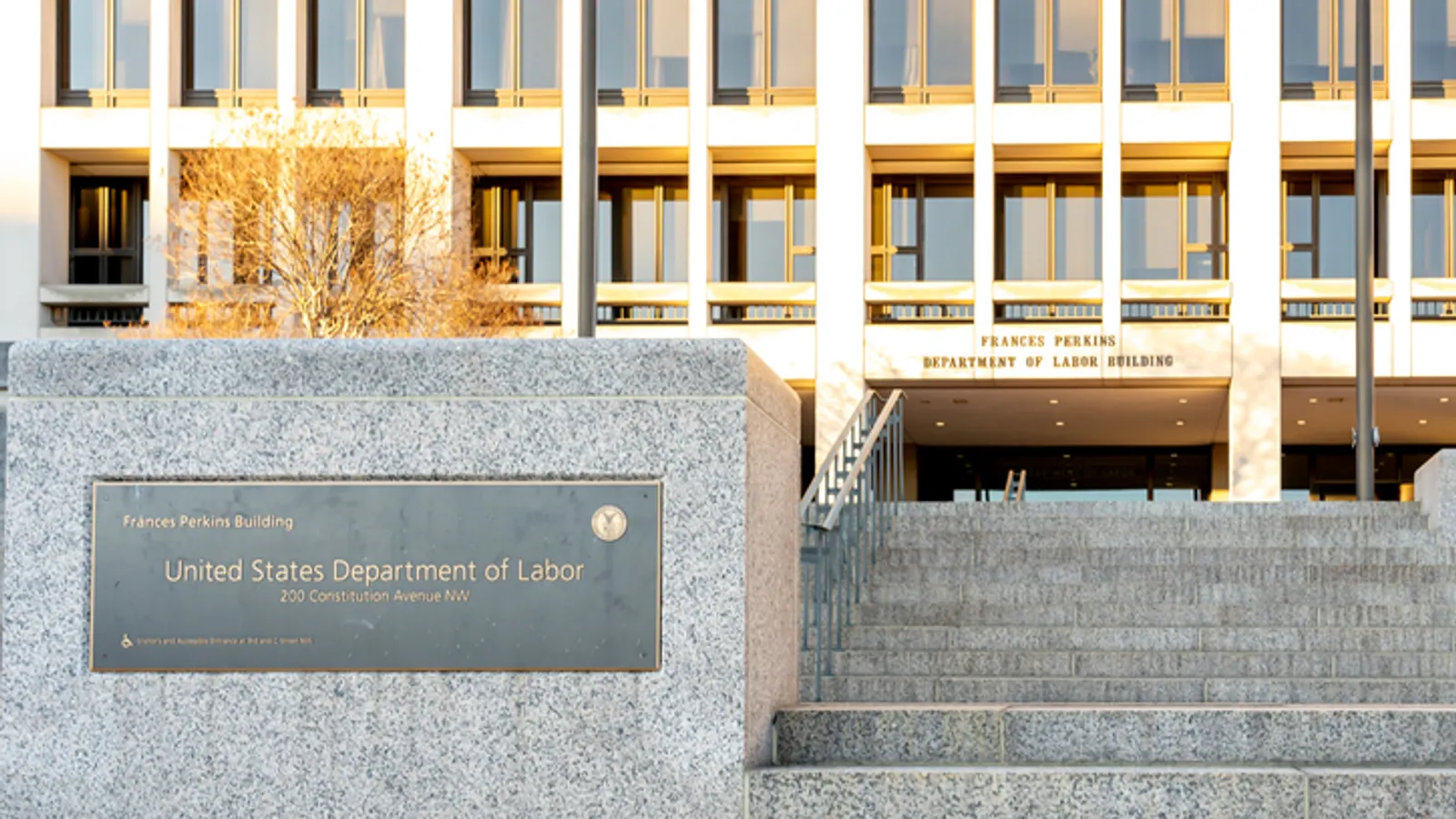
The U.S. Department of Labor (DOL) announced on February 25, 2026, a significant investment of $81 million through its Restart grants program. This initiative is strategically designed to provide comprehensive training and robust employment pathways for individuals re-entering society after incarceration, focusing specifically on skilled trades and other high-demand industries crucial to the nation’s economic vitality. The funding aims to bridge the gap between the justice system and sustainable employment, addressing both individual needs and pressing national labor shortages.
Addressing Manufacturing Labor Shortages Through Targeted Workforce Development
The Restart grants represent a key component of the DOL’s broader strategy to combat the persistent and deepening manufacturing labor shortage that has been a growing concern across the United States. This shortage, exacerbated by an aging workforce and a declining pipeline of new talent, has prompted industries to seek innovative solutions for recruitment and retention. The Restart program directly targets a segment of the population often overlooked by traditional workforce development efforts, recognizing their potential to fill critical roles.
Administered by the DOL’s Employment and Training Administration (ETA), the newly announced grants will fund programs offering a multifaceted approach to job readiness. Participants will benefit from pre-apprenticeship programs, hands-on work-based learning experiences, and crucial training in emerging fields such as artificial intelligence and digital literacy. A significant emphasis will also be placed on credential attainment and paid work experiences, ensuring that individuals not only acquire skills but also gain valuable on-the-job training and verifiable qualifications.
Empowering "Ex-Offenders" for In-Demand American Jobs
The core objective of the Restart grants is to "train ex-offenders for high-need American jobs and assist them in being productive contributors to the U.S. economy," according to the funding announcement. This directive underscores a commitment to recognizing the potential of individuals with past justice system involvement and integrating them into sectors vital for national growth. The program specifically aims to provide individuals with criminal records and criminal justice-system contact with access to training that aligns with the needs of in-demand industries. Furthermore, the funding is allocated to support services that evidence-based research has identified as crucial for increasing the likelihood of successful employment outcomes.
The Restart program is structured to support workforce readiness and job placement for formerly incarcerated individuals across three distinct demographic groups: youth aged 15-17, young adults aged 18-24, and adults aged 25 and older. This tiered approach allows for tailored program design that addresses the unique developmental stages, educational backgrounds, and life experiences of each group, maximizing the potential for successful integration into the workforce.

A Phased Approach to Sustainable Workforce Integration
Following the initial nationwide distribution of funds for pilot projects, the remaining grant money will be allocated to states, territories, and tribal nations. This subsequent phase is designed to foster state-led initiatives that integrate Restart grant activities with existing public workforce systems, particularly those established under the Workforce Innovation and Opportunity Act (WIOA). By leveraging established infrastructure, these grants aim to ensure that effective training and employment strategies can be sustained well beyond the initial grant period, creating a lasting impact on communities and individuals.
The DOL’s strategy emphasizes the importance of building upon existing frameworks to create a more seamless and efficient pathway to employment. This integration with the WIOA system is expected to enhance access to resources, provide a broader network of support services, and ensure that training programs are aligned with regional labor market demands.
Eligibility and Application Process
The Restart grant opportunity and funding announcement outlines a clear set of eligibility criteria. Eligible applicants include state governments and their respective agencies, U.S. territories and possessions, Native American tribal governments and tribally designated organizations, and national and regional intermediaries. National and regional intermediaries are defined as nonprofit organizations, with or without 501(c)(3) tax status, that operate on a national or regional scale. Institutions of higher education are explicitly excluded from this category.

The application deadline for these crucial grants is set for April 15, 2026, at 11:59 p.m. Eastern Time, providing a focused window for organizations to develop and submit comprehensive proposals. The competitive nature of the grants underscores the need for well-researched and impactful program designs that demonstrate a clear understanding of the challenges faced by formerly incarcerated individuals and a robust plan for addressing them.
Broader Ecosystem of Support for Second Chance Hiring
The DOL’s Restart initiative is not an isolated effort but rather part of a growing ecosystem of organizations dedicated to supporting second chance hiring and workforce reintegration. The Second Chance Business Coalition, for instance, actively provides employers with resources and guidance on hiring and fostering career advancement for individuals with criminal records. This coalition plays a vital role in changing employer perceptions and creating more inclusive hiring practices.
Furthermore, organizations like Manufacturing Renaissance are actively consulting with and advising manufacturers on the benefits of hiring formerly incarcerated individuals. Their work highlights how the manufacturing industry’s inherent focus on skill-building for entry-level positions, coupled with a strategic effort to recruit from a wider talent pool, can effectively mitigate workforce shortages. By embracing a diverse workforce, including individuals with past justice system involvement, manufacturers can tap into a motivated and capable labor force. This collaborative approach across government, non-profits, and industry is essential for creating sustainable pathways to economic opportunity and community reintegration.

Data and Context: The Scale of the Challenge and Opportunity
The need for such initiatives is underscored by persistent data on recidivism and employment barriers for formerly incarcerated individuals. According to the Bureau of Justice Statistics, a significant percentage of individuals released from state prisons are rearrested within three years. Employment is consistently identified as a key factor in reducing recidivism. A 2020 report by the National Institute of Justice indicated that individuals with stable employment are substantially less likely to reoffend.
The manufacturing sector, in particular, has been identified as a prime area for reintegration due to its inherent demand for skilled labor and its capacity to offer structured career progression. Data from the U.S. Bureau of Labor Statistics projects that manufacturing employment will grow steadily in the coming decade, creating thousands of new jobs. However, this growth is threatened by ongoing labor shortages. A 2023 survey by the National Association of Manufacturers revealed that nearly 77% of manufacturers reported a shortage of skilled production workers. This gap presents a dual opportunity: to provide meaningful employment for a population that faces significant barriers and to bolster a critical sector of the U.S. economy.
The Restart grants are therefore positioned not only as a social program but as a strategic economic development tool. By equipping formerly incarcerated individuals with in-demand skills, the DOL is investing in human capital, strengthening industries, and contributing to a more equitable and prosperous society. The program’s emphasis on evidence-based practices and integration with existing workforce infrastructure suggests a commitment to long-term sustainability and measurable impact. As the grant applications are reviewed and awarded, the nation will be looking to these programs to demonstrate the transformative power of opportunity and the vital role that skilled trades play in building both individual futures and national prosperity. The timeline for application submission, April 15, 2026, marks a critical juncture for organizations poised to contribute to this vital mission.
About the Author