The United States is currently navigating a complex intersection of historic celebration, deteriorating public infrastructure, and a controversial expansion of the federal immigration detention system. As the executive branch promotes "Freedom 250," a multi-year initiative designed to commemorate the 250th anniversary of the Declaration of Independence in 2026, several domestic crises have highlighted a growing tension between national branding and the realities of public resource management. Central to this friction is a historic sewage spill in the Potomac River and the Department of Homeland Security’s (DHS) aggressive move to convert industrial warehouses into large-scale detention centers, a strategy that has met fierce resistance from both Democratic and Republican local officials.
The Rapid Expansion of the U.S. Detention Infrastructure
The U.S. Bureau of Immigration and Customs Enforcement (ICE) has reported a significant surge in its detainee population, reaching a record 73,000 individuals as of early 2026. This figure represents a 75 percent increase over the previous year. According to data analyzed by the American Immigration Council, the demographic composition of these detainees has shifted dramatically; the rate of individuals held with no prior criminal background has increased by nearly 2,500 percent.
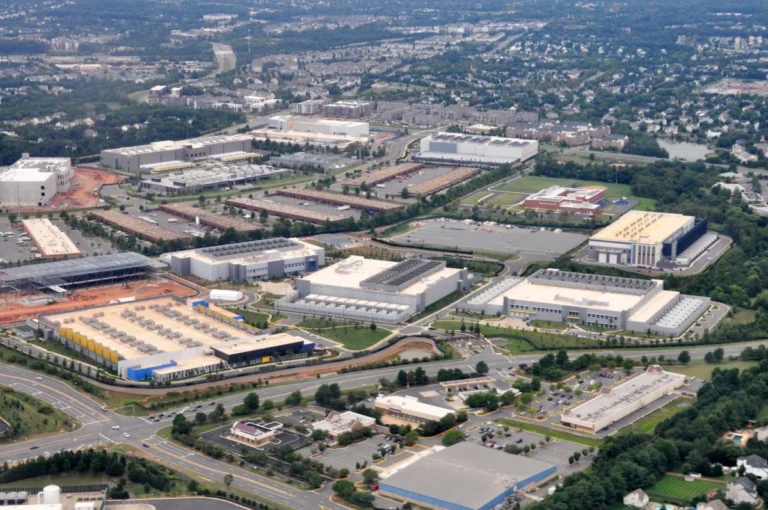
To accommodate this influx, the DHS has embarked on an ambitious $38 billion plan to expand its facility network. A core component of this strategy involves the acquisition of large industrial warehouses in suburban and rural communities, which are then retrofitted into "mega" detention centers. These facilities are designed to house thousands of individuals in windowless, high-density environments. The secrecy surrounding these projects has fueled public outcry, particularly after the public release of floor plans for a proposed facility in Social Circle, Georgia. The schematics, which depict tightly packed sleeping quarters and minimal communal space, have drawn sharp criticism from human rights advocates and architects, some of whom have likened the layout to the historical configurations of 18th-century transport vessels.
Local Resistance and Infrastructure Capacity
Opposition to the warehouse-to-prison conversion has created unusual political alliances. In Social Circle, Georgia, a municipality where 73 percent of the electorate voted for the current administration, the mayor, police chief, and city manager have joined forces to oppose the federal project. Their concerns are rooted in the pragmatic strain such a facility would place on local utilities. City council members have testified that the sudden addition of thousands of residents to a single industrial site would exceed the city’s water and sewage capacity, potentially compromising service for existing residents and businesses.
Similar resistance has materialized in the Northeast. In New Jersey, Republican State Assemblywoman Dawn Fantasia has publicly challenged the purchase of a warehouse in Roxbury Township. Fantasia argued that the federal government failed to engage in meaningful dialogue regarding the impact on local emergency services, school districts, and wastewater limits.
In Pennsylvania, Governor Josh Shapiro’s administration has taken a more confrontational legal stance. The state has indicated it will refuse to issue the necessary environmental and utility permits for two planned detention facilities in Berks County. State officials informed the Department of Homeland Security that the proposed conversions would violate statutory requirements governing public drinking water and sewage management. This strategy utilizes state-level environmental regulations as a primary mechanism to block federal expansion efforts that bypass local zoning laws.
The Potomac Interceptor Collapse: A National Infrastructure Warning
The debate over the allocation of federal funds was brought into sharp focus following a catastrophic failure of the Potomac Interceptor. This 64-year-old, federally managed sewer line transports wastewater from Northern Virginia through Maryland to the District of Columbia’s Blue Plains Advanced Wastewater Treatment Plant. Last month, a major section of the pipeline collapsed near the Clara Barton Parkway in Montgomery County, Maryland.
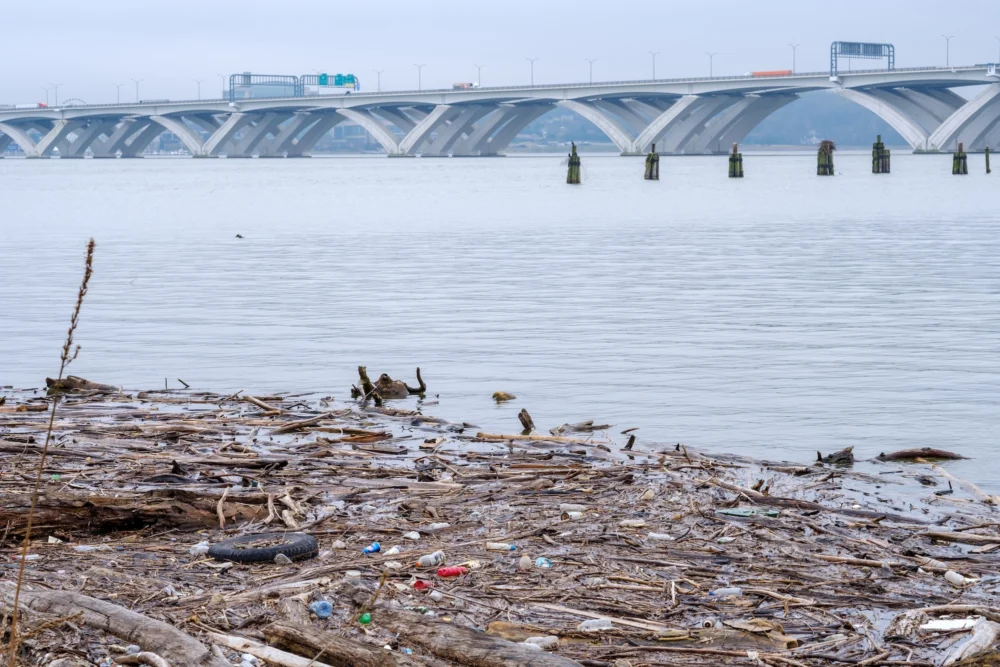
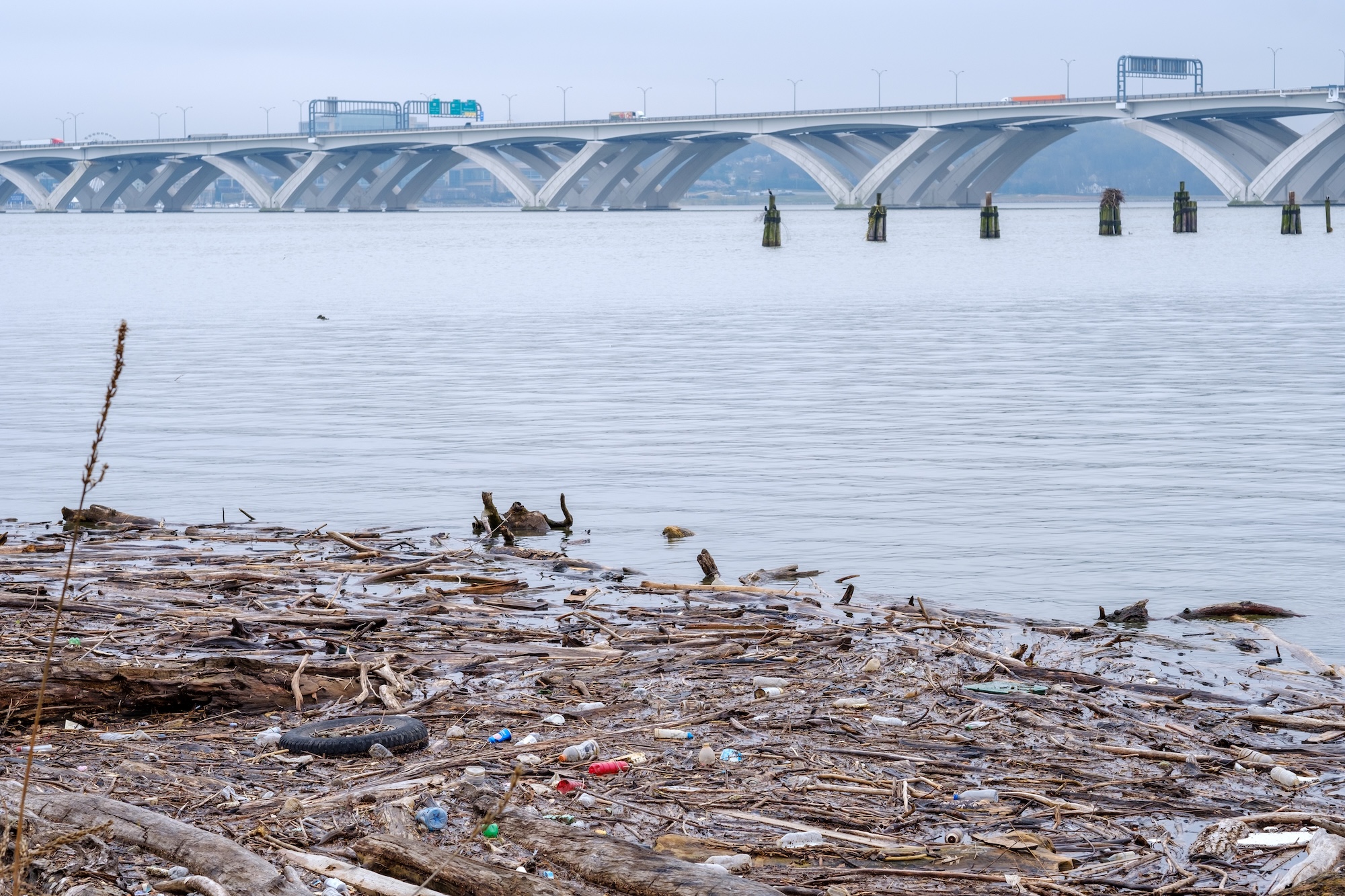
The rupture resulted in the discharge of an estimated 250 million to 300 million gallons of untreated sewage directly into the Potomac River. This event stands as one of the largest single sewage spills in United States history. A preliminary technical investigation conducted by DC Water suggests that a buildup of debris caused internal pressure to exceed the pipeline’s structural limits, leading to a massive blowout.
The spill occurred just miles from the White House and the National Mall, the intended epicenter for the Freedom 250 celebrations. The environmental impact was immediate: the Maryland Department of the Environment was forced to close sections of the river to shellfish harvesting, and public health warnings were issued for recreational users of the waterway.
Public Health Implications and Pathogen Detection
Research teams from the University of Maryland (UMD) have documented the long-term biological consequences of the Potomac spill. Four weeks after the initial rupture, water quality testing revealed that unsafe levels of E. coli remained present at the site. More concerningly, researchers detected the presence of Methicillin-resistant Staphylococcus aureus (MRSA) and other antibiotic-resistant bacteria associated with human waste.
These findings highlight the systemic risks posed by the nation’s aging wastewater infrastructure. Public health experts warn that such spills do more than cause temporary aesthetic or odor issues; they introduce persistent pathogens into the ecosystem that can affect local food chains and public water supplies. The UMD report noted that elevated bacterial levels were detected as far as four miles downstream from the collapse site, suggesting that the "cleaning" of such a large-scale spill is a long-term ecological challenge rather than a short-term maintenance task.
Chronology of Infrastructure and Policy Developments
The current crisis is the result of several overlapping timelines involving federal policy shifts and deferred maintenance:
- Late 2024 – Early 2025: The DHS begins identifying large-scale industrial real estate for the "Operation Metro Surge" program, aimed at rapidly increasing detention capacity.
- December 2025: Reports emerge regarding the $38 billion earmark for detention expansion, sparking debate in Congress over the diversion of funds from the Infrastructure Investment and Jobs Act.
- January 2026: The Potomac Interceptor experiences a catastrophic failure. Federal authorities initially attribute the delay in response to jurisdictional disputes between Maryland, Virginia, and the District of Columbia.
- February 14, 2026: Human rights organizations release internal DHS documents showing the "mega-warehouse" floor plans, leading to nationwide protests.
- February 20, 2026: The EPA and FEMA are formally mobilized to assist in the Potomac River cleanup after the District of Columbia declares a state of emergency.
- Present: State governments in Pennsylvania and New Jersey continue to withhold permits, leading to a legal stalemate between state environmental agencies and the federal government.
The $300 Billion Funding Gap
The collapse of the Potomac Interceptor is symptomatic of a broader national crisis. The Environmental Protection Agency (EPA) estimates that the United States requires approximately $300 billion in investment over the next two decades to modernize its aging wastewater systems. Many of the country’s pipes and treatment plants were designed for a 40-to-50-year lifespan but have been in continuous operation for 80 to 100 years.
Historically, the federal government provided up to 60 percent of the funding required for local infrastructure improvements. However, over the last several decades, that contribution has dwindled to roughly 10 percent. This shift has placed the financial burden on local municipalities and ratepayers. Data from the American Society of Civil Engineers indicates that the average residential wastewater bill has nearly doubled since 2010 as cities struggle to fund emergency repairs and federally mandated upgrades without significant national assistance.
Critics of the administration’s current spending priorities point to the $38 billion allocated for the expansion of the detention system as a missed opportunity to address these critical utility needs. They argue that while the "Freedom 250" platform seeks to celebrate American history, the failure to maintain the literal foundations of American cities presents a contradictory image of national strength.
Political and Social Implications
The intersection of immigration policy and infrastructure failure has created a complex political landscape for the White House. While the administration initially sought to distance itself from the Potomac spill by assigning blame to state-level leadership in Maryland and Virginia, the necessity of a clean river for the upcoming 250th-anniversary festivities eventually forced a federal intervention.
The EPA has now committed to overseeing the cleanup of the Potomac to ensure it is completed "well before" the July 2026 celebrations. However, the underlying issues—the fragility of the national grid and the controversial nature of the detention expansion—remain unresolved. In Minnesota, the "Operation Metro Surge" initiative has already cost taxpayers an estimated $230 million, with several federal judges recently criticizing the tactics used by ICE as legally questionable and unnecessarily disruptive to local economies.
As the United States approaches its semiquincentennial, the dual challenges of humanitarian concerns in the detention system and the physical decay of public utilities continue to dominate the national discourse. The resolution of these issues will likely define the legacy of the current administration and the state of the union as it enters its 251st year. The ongoing legal battles over warehouse permits and the environmental monitoring of the Potomac River serve as a reminder that the health of a nation’s democracy is often inextricably linked to the integrity of its basic infrastructure and the transparency of its institutional growth.
About the Author