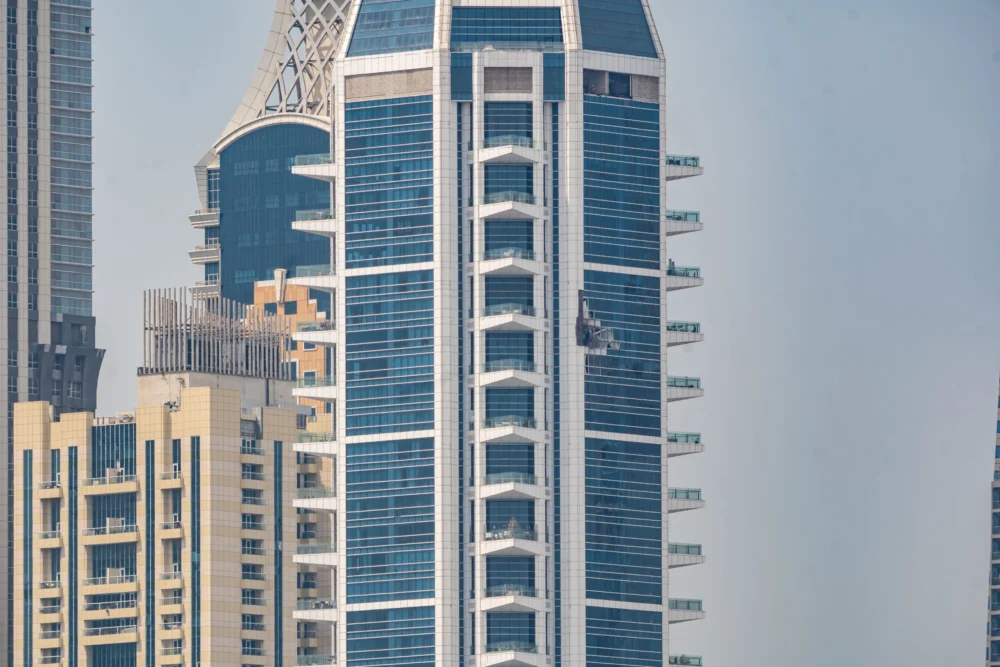
March 8, 2026, marked a dramatic escalation in the ongoing regional conflict, as the United Arab Emirates and other Gulf states reported widespread infrastructure damage from Iranian drone and missile attacks. The luxurious skyline of Dubai bore direct witness to the conflict’s reach, with the iconic 23 Marina building sustaining damage from falling drone debris. This intensified wave of assaults, described by Gulf nations as indiscriminate aggression, comes as Iran announced the appointment of a new Supreme Leader, replacing Ayatollah Ali Khamenei, who was reportedly killed in the initial stages of the conflict. The developments underscore a rapidly deteriorating security landscape across the Middle East, with profound implications for regional stability and global geopolitics.
Dubai Under Direct Attack: A City on Edge
The vibrant metropolis of Dubai, a global hub for tourism, finance, and trade, found itself directly in the crosshairs of the escalating conflict on Saturday evening. Alarms blared across the city and neighboring Abu Dhabi, urging residents to "immediately seek a safe place" as missile threats loomed. CNBC’s team on the ground confirmed hearing a loud explosion, a chilling reminder of the proximity of the conflict to civilian populations. The UAE Ministry of Defense quickly confirmed that its air defenses were actively responding to "incoming missile and drone threats from Iran," detailing the interception of ballistic missiles by air defense systems and the engagement of drones and "loitering munitions" by fighter jets. This robust defensive posture, utilizing advanced systems like the American-made THAAD or Patriot batteries, demonstrated the UAE’s preparedness, yet the sheer volume and sophistication of the incoming threats pushed its capabilities to the limit.
The most visible sign of the attack’s impact in Dubai was the damage sustained by the 23 Marina, one of the city’s towering residential skyscrapers located in the bustling Marina district. Standing at an impressive 380 meters, 23 Marina is a prominent feature of Dubai’s world-renowned skyline, symbolizing the city’s ambition and modernity. While the Dubai Media Office swiftly reported that no one was injured in the incident at 23 Marina, the psychological impact on residents of the building and the wider community was undeniable. The office later confirmed a more tragic outcome elsewhere, stating that "debris from an aerial interception fell onto a vehicle in the Al Barsha area, resulting in the death of a Pakistani driver." This fatality highlighted the indiscriminate danger posed by the conflict’s spillover, even amidst successful defensive operations, underscoring the severe human cost when urban centers become targets.
Further underscoring the severity of the threat, passengers at Dubai International Airport (DXB), a critical international aviation gateway handling tens of millions of travelers annually and consistently ranking among the world’s busiest airports, were ushered into train tunnels for safety on Saturday. This unprecedented evacuation measure crippled air traffic for several hours, causing significant disruption to global travel networks. The incident prompted Iran to claim responsibility for striking an air base in the UAE, signaling a deliberate targeting of strategic military and logistical assets within the Gulf states. The targeting of civilian areas and major transport hubs represents a significant escalation, pushing the boundaries of conventional warfare in the region and raising international alarm regarding the safety of non-combatants and global travel. The economic repercussions for Dubai, heavily reliant on tourism and international business, could be substantial if such incidents recur.
Wider Gulf States Bear the Brunt of Iranian Retaliation
The UAE was not alone in experiencing the brunt of Iran’s retaliatory strikes over the weekend. Other Gulf Cooperation Council (GCC) nations, strategically vital to global energy markets and home to significant international military presences, also reported substantial damage, indicating a coordinated and broad-based Iranian offensive.
In Bahrain, a key U.S. ally and host to the U.S. Navy’s Fifth Fleet at Naval Support Activity Bahrain, a drone attack struck a water desalination plant on Sunday. The Bahraini Ministry of Interior condemned the "Iranian aggression indiscriminately attacked civilian targets and caused material damage." Desalination plants are critical infrastructure in the arid Gulf region, providing up to 90% of fresh water supplies in some areas. The targeting of such a vital civilian utility, specifically the Al Dur 2 Independent Water and Power Project, underscores the severity of Iran’s strategy to inflict maximum disruption and pressure on its adversaries. While Bahrain’s electricity and water authority later assured that the attack had "no impact on water supplies or water network capacity," the psychological impact on a population dependent on these facilities cannot be overstated. Separately, the country reported that "blatant Iranian aggression" also damaged a university building in the Muharraq area, injuring three people as missile fragments fell, further highlighting the threat to civilian life and educational institutions.
Kuwait, another significant oil producer and U.S. partner hosting American forces at Camp Arifjan and Ali Al Salem Air Base, also faced direct attacks. Its international airport was targeted by drones, which struck two fuel depots, igniting a "huge fire at one of them," according to the state-run Kuwait News Agency (KUNA). Airports, particularly those handling large volumes of commercial and military traffic, are highly sensitive targets, and damage to their fuel infrastructure can severely impede operations. The Public Institution for Social Security’s headquarters in Kuwait City also sustained "material damage," demonstrating a broad targeting strategy aimed at both economic and governmental infrastructure. These incidents collectively suggest a deliberate Iranian strategy to demonstrate its reach and disrupt the daily functioning of key Gulf economies.
These coordinated attacks across the Gulf states align with a broader pattern identified since the war began on February 28. The Wall Street Journal, citing U.S. officials, military analysts, and commercially available satellite images, reported that Iran has systematically targeted several radar and air defense installations across the Middle East, including in Qatar, the UAE, Jordan, Bahrain, Kuwait, and Saudi Arabia. This concerted effort to degrade regional air defense capabilities appears to be a prelude or accompaniment to more direct strikes, aiming to diminish the effectiveness of U.S. and allied defensive shields. The implications of these systematic attacks on radar and air defense systems are dire, potentially creating vulnerabilities that could embolden further aggression and challenge the established security architecture of the region, which has long relied on sophisticated Western-supplied defense systems.
Iran’s Leadership Transition Amidst War
Adding another layer of complexity to the volatile situation, Iran’s Mehr news agency reported on Sunday that a new leader has been appointed, replacing Supreme Leader Ayatollah Ali Khamenei. Khamenei, who held the paramount position of Supreme Leader for over three decades since 1989, wielding ultimate authority in religious and political affairs, was reportedly killed in the "opening salvos of the war." His death marks a monumental shift in Iranian leadership, occurring at a moment of intense regional conflict and internal pressure. Khamenei’s long tenure saw him navigate numerous domestic crises and international confrontations, consolidating power and shaping Iran’s revolutionary ideology. His demise creates a profound power vacuum and an uncertain future for the Islamic Republic.
The Mehr news agency quoted Ayatollah Seyyed Ahmad Alam al-Huda, a prominent conservative cleric and Khamenei’s representative in Mashhad, confirming that elections had been held by the Assembly of Experts – the constitutional body responsible for selecting and overseeing the Supreme Leader – and that a new leader had been appointed. However, the identity of the new leader was not immediately disclosed, leading to a period of intense speculation both within Iran and internationally. Alam al-Huda’s statement, "All the rumors and news that tried to pretend that the Assembly of Experts has not yet made a decision are pure lies," appeared to be an attempt to quash any suggestions of internal disunity or delay in the critical succession process, projecting an image of seamless transition.
The urgency for a swift transition was palpable even before the official announcement. Iranian state media reported on Saturday that two influential Iranian clerics had called for the rapid selection of a new supreme leader. Grand Ayatollah Naser Makarem Shirazi, a highly respected religious authority with a broad following for his religious rulings, emphasized the immediate need for an appointment to "help better organize the country’s affairs." These calls suggest that influential figures within Iran’s clerical establishment were uncomfortable with the constitutional provision for a temporary three-man council to govern in the interim, fearing a power vacuum or a perception of weakness during a period of war. The promptness of the reported appointment underscores the regime’s desire to project stability and continuity, particularly in the face of external aggression and the profound loss of its long-serving leader. The successor, regardless of identity, will inherit a nation at war and grappling with significant internal and external challenges.
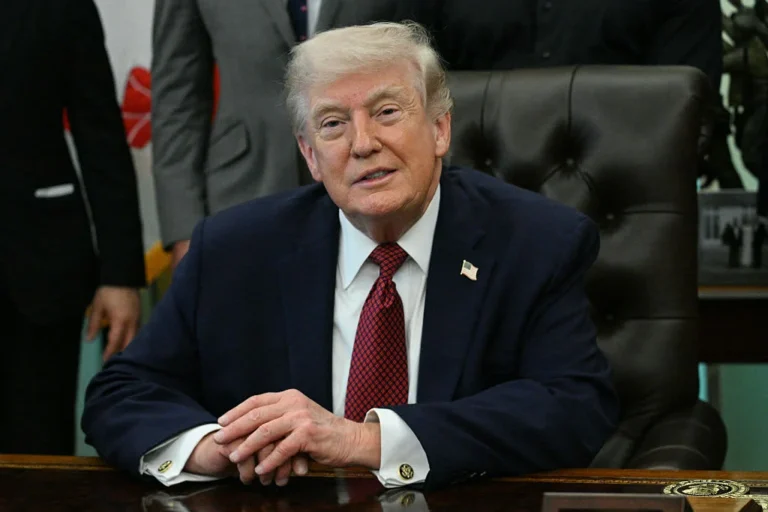
The succession process, usually a carefully orchestrated affair often shrouded in secrecy, has taken on unprecedented urgency and international scrutiny due to the ongoing conflict. The Israel Defense Forces (IDF) issued an extraordinary warning, directly addressing the succession. In a Farsi post on X, the IDF stated, "We will pursue every successor and every person who seeks to appoint a successor." The message continued with a stark threat: "We warn all those who intend to participate in the successor selection meeting that we will not hesitate to target you either. This is a warning!" This aggressive stance by Israel indicates a determination to disrupt Iran’s leadership structure and potentially destabilize its political system further, raising concerns about the legality and implications of targeting civilian political bodies. Adding to the international dimension, former U.S. President Donald Trump, known for his hawkish stance on Iran, has publicly argued that the U.S. should have a role in choosing Iran’s new leader, a demand that Iran has vehemently rejected as a blatant interference in its sovereignty.
U.S. and Israeli Counter-Offensives Continue
While Iran unleashed its retaliatory strikes across the Gulf, U.S. and Israeli forces continued their own offensive operations against Iranian targets throughout the weekend. Israel, in particular, emphasized its sustained efforts to degrade Iran’s military capabilities, indicating a strategy of attrition and deterrence.
The Israel Defense Forces (IDF) announced early Sunday that it had struck several fuel storage complexes belonging to the Iranian Revolutionary Guard Corps (IRGC). The IRGC, a powerful branch of Iran’s military and a key instrument of its regional influence, relies heavily on logistical infrastructure for its operations. Targeting fuel depots, often critical for military mobility and sustained operations, aims to diminish Iran’s capacity to deploy and support its forces. The IDF stated that "The strike significantly deepens the damage to the military infrastructure of the Iranian terrorist regime," suggesting a strategic effort to cripple Iran’s ability to project power and sustain its forces across the region.
In a separate, but equally significant operation, the IDF also reported attacking "key commanders in the IRGC’s Quds Force’s Lebanon Corps who operated in Beirut." The Quds Force, an elite expeditionary arm of the IRGC, is responsible for Iran’s extraterritorial military and clandestine operations, particularly in supporting allied non-state actors like Hezbollah in Lebanon, and various militia groups in Iraq, Syria, and Yemen. Targeting its commanders represents a direct blow to Iran’s regional network and its capacity to coordinate proxy forces. These strikes by Israel demonstrate a clear intent to dismantle Iran’s military and command structures, both within its borders and in its spheres of influence, signaling a widening scope of direct engagement. Such targeted assassinations of senior commanders carry significant risks of further retaliation and escalation.
The tit-for-tat exchanges between Iran and its adversaries underscore a dangerous spiral of escalation. Each strike is met with a counter-strike, deepening the cycle of violence and making de-escalation increasingly challenging. The strategic logic behind these actions on both sides appears to be aimed at deterring further aggression by inflicting significant costs, yet the immediate effect seems to be the opposite, propelling the conflict towards greater intensity and expanding its geographical footprint.
Broader Impact and Implications for Regional Stability
The events of March 8, 2026, and the preceding weeks represent a critical juncture in the Middle East. The direct targeting of civilian infrastructure and populations in economically vital hubs like Dubai, Bahrain, and Kuwait carries profound implications across multiple dimensions. The shift from proxy warfare to direct strikes on national infrastructure signals a new and perilous phase in the long-standing regional rivalry.
Humanitarian and Civilian Impact: The death of a Pakistani driver in Al Barsha, the injuries in Muharraq, and the widespread alarms and evacuations across major cities highlight the severe human cost of the conflict’s expansion. Millions of expatriates and locals reside in these cities, and the persistent threat of missile and drone attacks significantly impacts daily life, safety, and psychological well-being. The indiscriminate nature of some attacks, particularly those near civilian areas and critical utilities, raises serious concerns about adherence to international humanitarian law and the protection of non-combatants. The disruption to air travel alone affected thousands of international passengers, creating ripple effects globally.
Economic Fallout: The Gulf region is a cornerstone of the global economy, particularly for energy markets and international trade. Attacks on airports, fuel depots, and iconic buildings in major financial centers like Dubai could trigger significant economic disruption. Global oil prices, already sensitive to Middle East instability and supply chain disruptions, could surge further, impacting consumers and industries worldwide. Damage to infrastructure, coupled with a perceived decline in security, could deter foreign investment and tourism, key drivers of the region’s prosperity. Dubai’s hard-won reputation as a safe haven for business and luxury could face an unprecedented challenge, potentially leading to capital flight and a slowdown in economic activity. Insurers are likely to reassess risk premiums, making trade and investment in the region more costly.
Geopolitical Ramifications: The death of Ayatollah Ali Khamenei and the immediate appointment of a new Supreme Leader introduces an element of uncertainty into Iran’s future foreign and domestic policies. While the swift transition aims to project stability, the new leader faces immense pressure to assert authority and navigate a complex war while potentially consolidating power internally. The IDF’s direct threats against those involved in the succession process, combined with former President Trump’s call for U.S. involvement, highlight the international community’s deep interest in and potential for interference in Iran’s internal affairs, further complicating any potential pathways to de-escalation. The systematic targeting of regional air defenses by Iran, as reported by The Wall Street Journal, fundamentally alters the security calculus in the Gulf. It challenges the efficacy of existing defense architectures and may prompt a re-evaluation of military strategies and alliances in the region. The continued tit-for-tat strikes between Iran, the U.S., and Israel push the region closer to a broader, more devastating conflict, with the potential to draw in other regional and international actors and destabilize global energy security.
Timeline of Escalation (Feb 28 – March 8, 2026):
- February 28, 2026: War begins with "opening salvos," leading to the reported death of Supreme Leader Ayatollah Ali Khamenei.
- Late February/Early March 2026: Iran begins systematically targeting radar and air defense installations in Qatar, UAE, Jordan, Bahrain, Kuwait, and Saudi Arabia in retaliation for U.S. and Israeli attacks.
- Saturday, March 8, 2026 (Evening):
- Alarms sound across Dubai and Abu Dhabi due to missile threats, prompting emergency responses.
- A loud explosion is heard in Dubai, confirmed by CNBC’s team.
- The 23 Marina building in Dubai’s Marina district is damaged by falling drone debris; no direct injuries reported at the site.
- Debris from an aerial interception falls in the Al Barsha area of Dubai, tragically killing a Pakistani driver.
- Passengers at Dubai International Airport are evacuated to train tunnels for safety.
- Iran claims responsibility for striking an air base in the UAE.
- Iranian state media reports calls from influential clerics, including Grand Ayatollah Naser Makarem Shirazi, for a swift selection of a new Supreme Leader.
- Israel Defense Forces (IDF) launch strikes against Iranian Revolutionary Guard Corps (IRGC) fuel storage complexes in Iran.
- Sunday, March 9, 2026:
- Bahrain reports a drone attack striking a water desalination plant, causing material damage, but no impact on water supply capacity.
- Bahrain also reports a university building in the Muharraq area damaged by missile fragments, injuring three people.
- Kuwait reports drones hitting two fuel depots at its international airport, resulting in a large fire at one, and material damage to the Public Institution for Social Security headquarters.
- Iran’s Mehr news agency quotes Ayatollah Seyyed Ahmad Alam al-Huda confirming a new Supreme Leader has been appointed, replacing Khamenei, though the name is withheld.
- The IDF attacks "key commanders in the IRGC’s Quds Force’s Lebanon Corps who operated in Beirut."
- The IDF issues a direct and unprecedented warning in Farsi via X to those involved in Iran’s succession process, threatening to target them.
- Former U.S. President Donald Trump reiterates his demand for a U.S. role in choosing Iran’s new leader, a proposition rejected by Iran.
The trajectory of this conflict appears grim, with each side demonstrating a willingness to
About the Author