The United States government is currently navigating a profound internal contradiction as it prepares for the 250th anniversary of the Declaration of Independence. While the administration of President Donald Trump promotes the Freedom 250 platform, a multi-billion-dollar initiative designed to celebrate American liberty and historical achievements, the nation faces a dual crisis of rapidly expanding immigrant detention and a catastrophic failure of public infrastructure. This tension reached a flashpoint recently when a massive sewage spill in the Potomac River, occurring within miles of the White House, highlighted the vulnerability of the nation’s aging wastewater systems at the same time the federal government is redirecting billions of dollars toward a massive expansion of the Immigration and Customs Enforcement (ICE) detention network.
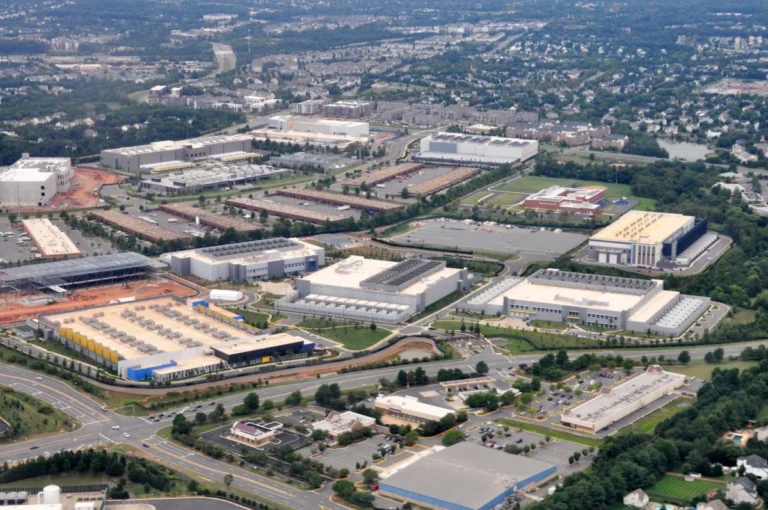
The scale of the current detention effort is unprecedented in modern American history. According to data from the Department of Homeland Security (DHS), the ICE detainee population reached a record high of 73,000 individuals last month, representing a 75 percent increase compared to the previous year. This surge is not characterized by the detention of violent offenders; rather, the American Immigration Council reports that the rate of people with no criminal background ending up in ICE custody has increased by nearly 2,500 percent over the last 12 months. To accommodate this influx, ICE has added more than 100 new facilities in the past year alone, shifting away from traditional correctional facilities toward a new model of “mega” detention centers housed in converted industrial warehouses.
The Expansion of the Detention Machine and Local Resistance
The administration’s strategy to utilize industrial warehouses has sparked a wave of bipartisan opposition across the country. In December, reports surfaced detailing plans to purchase windowless structures in various states and convert them into high-capacity prisons. The release of a floor plan for a proposed DHS facility in Social Circle, Georgia, has intensified the controversy. Critics and human rights advocates have drawn direct comparisons between the dense, tiered bunking arrangements in the schematic and the historical diagrams of 18th-century slave ships.
The situation in Social Circle is particularly noteworthy due to the political demographics of the region. Approximately 73 percent of voters in the city supported President Trump in the last election, yet the local government remains unified in its opposition to the federal project. The mayor, city manager, and police chief have all voiced concerns regarding the lack of transparency and the potential strain on local resources. Beyond the humanitarian concerns, local officials are increasingly citing technical and logistical grounds for their resistance, specifically focusing on the limitations of municipal water and sewage infrastructure.
In New Jersey and Pennsylvania, the pushback has followed a similar pattern. Republican State Assemblywoman Dawn Fantasia of New Jersey publicly challenged a planned DHS camp in Roxbury, questioning how the township could absorb the facility’s demands for water capacity and emergency services without prior consultation. In Pennsylvania, Governor Josh Shapiro announced that the state would refuse to issue the necessary environmental permits for two planned detention facilities. State officials argued that the proposed warehouses would violate legal requirements regarding public drinking water and sewage management. This shift toward using infrastructure capacity as a legal lever suggests a growing realization among state leaders that the federal government’s detention goals are increasingly at odds with the physical realities of local utility systems.
The Potomac Interceptor Collapse: A Chronology of Failure
The risks associated with neglected infrastructure were dramatically demonstrated last month when a major section of the Potomac Interceptor suddenly failed. The Potomac Interceptor is a critical 50-mile-long sewer line under federal jurisdiction that carries wastewater from Virginia and Maryland to the Blue Plains Advanced Wastewater Treatment Plant in Washington, D.C. The pipe, which was 64 years old at the time of the break, ruptured near the Clara Barton Parkway in Montgomery County, Maryland.
The timeline of the disaster and the subsequent response reveals a pattern of delayed maintenance and political friction:
- Initial Rupture: Debris within the 64-year-old pipeline caused an internal pressure buildup, leading to a structural collapse.
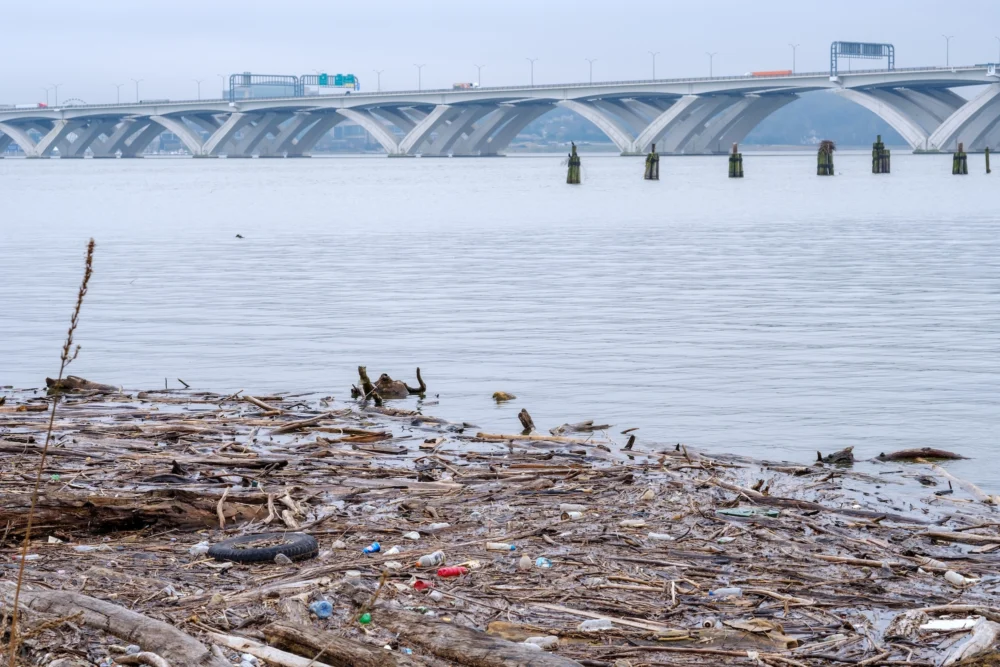
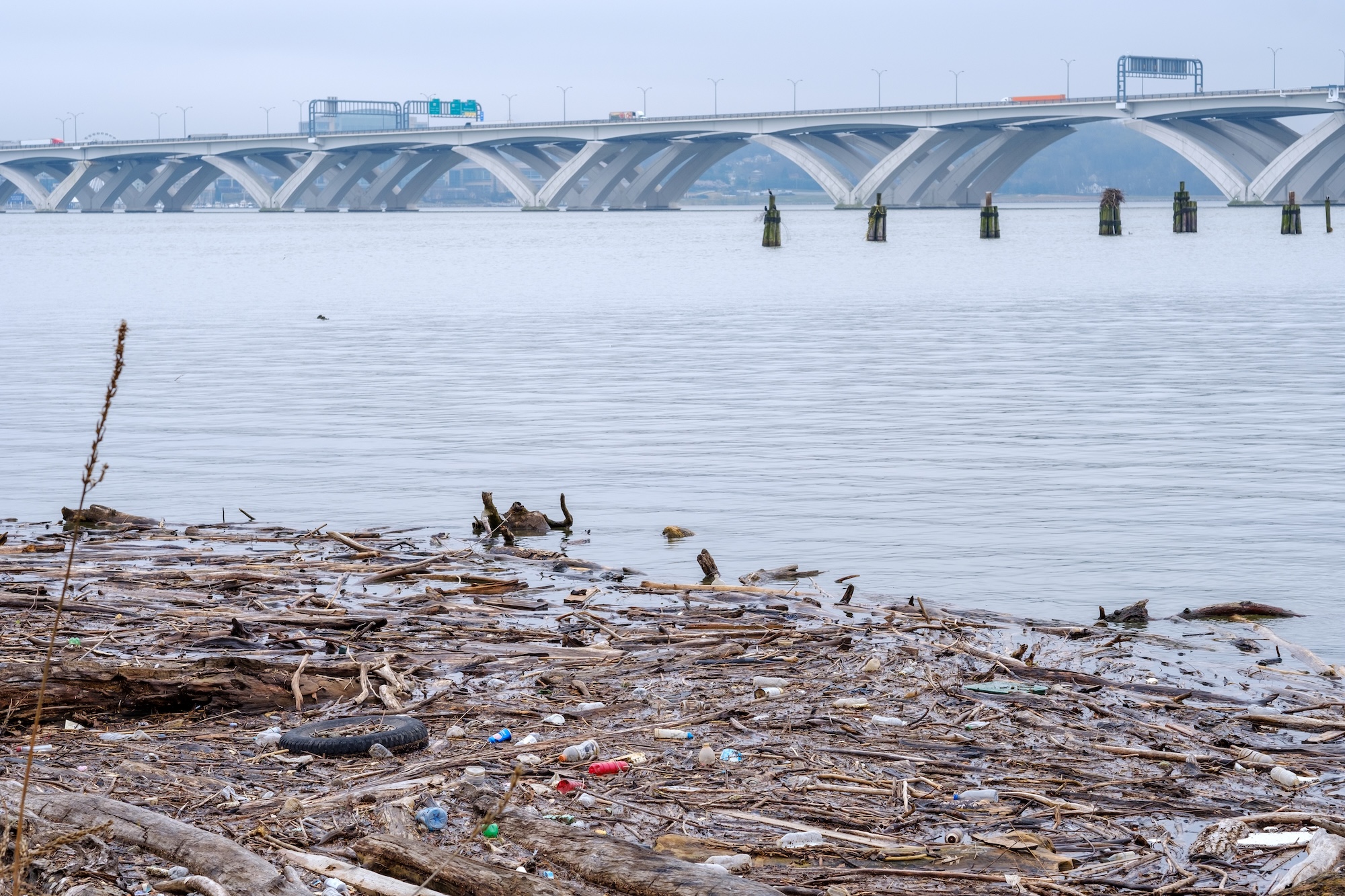
- The Spill: Between 250 million and 300 million gallons of untreated sewage flowed directly into the Potomac River over several days, making it one of the largest sewage overflows in U.S. history.
- Political Stalemate: Initially, President Trump incorrectly attributed the disaster to the administration of Maryland Governor Wes Moore and suggested that federal assistance might be withheld.
- Environmental Findings: Researchers from the University of Maryland (UMD) began testing the water downstream, finding alarming levels of pathogens.
- Federal Intervention: As the 250th anniversary celebrations approached, the Environmental Protection Agency (EPA) and the Federal Emergency Management Agency (FEMA) eventually stepped in to coordinate a cleanup, citing the need to ensure the river is safe for upcoming national festivities.
The public health implications of the spill are significant. UMD researchers confirmed the presence of unsafe levels of E. coli, the bacteria responsible for staph infections, and an antibiotic-resistant strain of MRSA. These pathogens were detected at least four miles downstream from the rupture site, leading the Maryland Department of the Environment to close portions of the river to shellfish harvesting. The incident serves as a stark reminder that while federal priorities have shifted toward detention, the basic biological safety of the nation’s capital and its surrounding waterways remains dependent on mid-20th-century technology that is past its intended lifespan.
Data and Analysis: The $300 Billion Infrastructure Gap
The Potomac spill is not an isolated event but a symptom of a systemic $300 billion problem. Estimates from the Environmental Protection Agency indicate that the United States will require over $300 billion in investment over the next two decades just to maintain and upgrade existing wastewater systems. Many of these systems were designed with a 40-to-50-year lifespan but have been in continuous operation for 70 to 100 years.
The financial burden of these upgrades has shifted significantly over the last several decades. Historically, the federal government provided up to 60 percent of the funding for local infrastructure improvements. Today, that federal contribution has plummeted to approximately 10 percent. This reduction in federal support has forced local municipalities to raise rates on residents to cover the costs of emergency repairs and system maintenance. According to data from the American Society of Civil Engineers, the average residential wastewater bill in the United States has nearly doubled since 2010.
While federal funding for wastewater infrastructure remains constrained, the administration has earmarked approximately $38 billion for the expansion of the immigration detention system. This disparity in resource allocation has become a central point of criticism for economists and public health experts. The $230 million spent on "Operation Metro Surge" in Minnesota, for instance, resulted in a series of legal challenges where judges described ICE’s tactics as cruel and illegal, further questioning the return on investment for taxpayer dollars.
Broader Implications for Public Policy and Civil Rights
The convergence of infrastructure failure and detention expansion suggests a fundamental realignment of federal priorities. The "Freedom 250" platform, intended to celebrate the birth of American democracy, is being launched at a time when the federal government is increasingly viewed as an adversary by local municipalities struggling to maintain basic services.
The expansion of the detention machine has also begun to impact populations beyond undocumented immigrants. Recent reports have documented the detention of U.S. citizens, legal tourists, and decorated military veterans. In several cases, individuals with valid visas or lawful permanent residency have been caught in the surge, held without communication, and in some instances, deported before legal counsel could intervene. These incidents, combined with the "warehouse" model of detention, have led to a broader debate about the erosion of due process and the militarization of domestic immigration enforcement.
From a policy perspective, the refusal of states like Pennsylvania and New Jersey to accommodate new detention centers on the grounds of infrastructure capacity represents a new frontier in federal-state relations. By framing their opposition in terms of "water capacity" and "sewer limits," states are utilizing non-political, technical arguments to block federal initiatives that they view as socially or economically harmful.
Conclusion
As the United States moves toward its 250th anniversary, the contrast between the idealized version of "Freedom 250" and the reality on the ground continues to sharpen. The $38 billion detention machine represents a significant investment in a system that critics argue provides no tangible public health or safety benefits, while the $300 billion wastewater crisis threatens the health of millions of citizens and the ecological integrity of the nation’s rivers.
The Potomac Interceptor collapse serves as a warning that infrastructure cannot be ignored indefinitely. While the EPA has promised to clean the river in time for the anniversary festivities, the underlying problem of aging pipes and declining federal support remains unaddressed. The ongoing tension between the expansion of the detention state and the preservation of public infrastructure will likely remain a defining challenge for the administration and the nation as a whole in the years leading up to 2026. For local communities from Social Circle, Georgia, to Roxbury, New Jersey, the priority remains clear: the health of their water and the safety of their residents outweigh the federal government’s demand for new "mega" detention centers.
About the Author