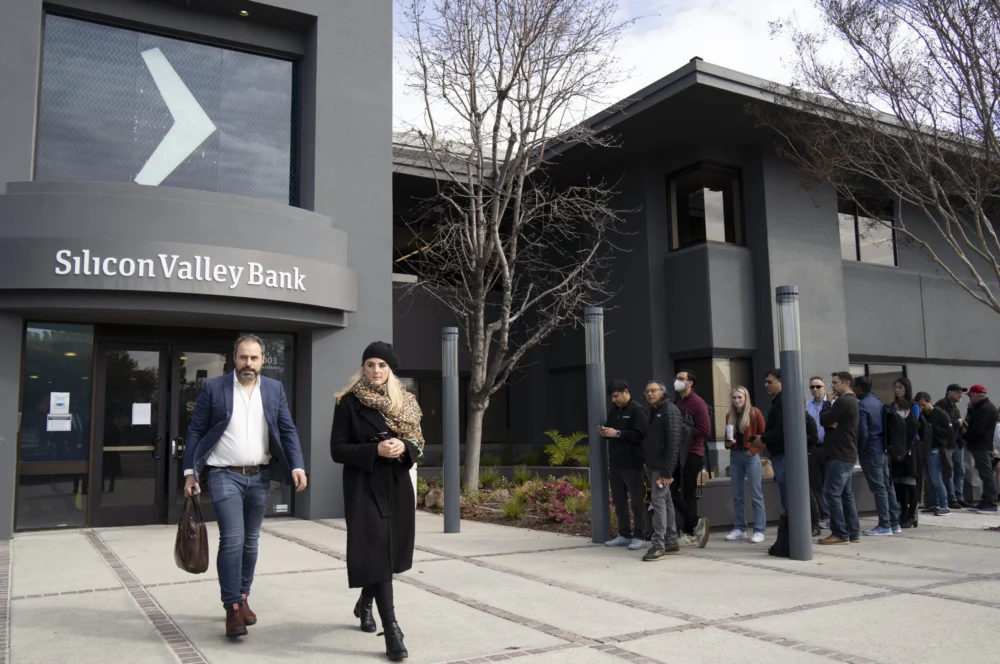
Three years ago, on March 9, 2023, the world of finance was teetering on the brink of an unforeseen crisis, and a pivotal conversation was unfolding that would reshape the landscape of startup banking. Doug Petno, a prominent executive at JPMorgan Chase, found himself called away from a colleague’s retirement party in New York City by his boss, CEO Jamie Dimon. The urgent matter at hand was the escalating panic at Silicon Valley Bank (SVB), a West Coast lender deeply embedded in the American startup ecosystem, which was experiencing a catastrophic run on deposits. Regulators were on the line with Dimon and Petno, posing a critical question: Was JPMorgan interested in acquiring the rapidly failing institution?
The Unraveling of Silicon Valley Bank: A Critical Context
To fully appreciate JPMorgan’s subsequent strategic maneuvers, it’s essential to understand the unique position and sudden demise of Silicon Valley Bank. For nearly four decades, SVB had been the lifeblood of the tech and venture capital world. Founded in 1983, it specialized in providing banking services to startups, from nascent seed-stage companies to established unicorns, as well as the venture capital firms that funded them. Its offerings extended beyond traditional deposits and loans, encompassing specialized services tailored to the unique cash flow patterns and regulatory needs of high-growth tech companies. SVB was known for its deep relationships within the tech community, often acting as a connector between founders and investors, and its executives were integral parts of the Silicon Valley fabric.
However, SVB’s business model, while successful for years, contained inherent vulnerabilities that were exposed by rising interest rates in late 2022 and early 2023. The bank had invested heavily in long-dated, low-yield U.S. Treasury bonds during a period of ultra-low interest rates. As the Federal Reserve aggressively hiked rates to combat inflation, the market value of these bonds plummeted. Simultaneously, a downturn in the tech sector led many startups to burn through cash faster, necessitating withdrawals from their SVB accounts. When SVB announced a significant loss on its bond portfolio and initiated an emergency capital raise, panic ensued. Venture capitalists advised their portfolio companies to withdraw funds, leading to a monumental bank run. On March 9, 2023, customers attempted to withdraw an unprecedented $42 billion in deposits, far exceeding the bank’s liquidity.
A Weekend of Deliberation and a Flight to Safety
The following day, March 10, 2023, California’s finance regulators swiftly moved to seize Silicon Valley Bank, marking the largest bank failure since the 2008 financial crisis. The collapse sent shockwaves across the global financial system, sparking fears of contagion and leaving countless startups in limbo, uncertain if they would be able to access their payroll or operating funds.
Over that tumultuous weekend, Jamie Dimon, Doug Petno, and other senior leaders at JPMorgan Chase engaged in intensive discussions regarding a potential acquisition of SVB. While the opportunity to absorb a significant player in the tech banking space was evident, the accompanying risks were substantial. SVB had just lost a staggering $42 billion in deposits, and the reputational and operational challenges of integrating a deeply distressed institution were considerable. Ultimately, JPMorgan decided against the acquisition.
This decision, however, was not born of inaction but of acute observation. As the crisis unfolded, a dramatic "flight to safety" commenced. Thousands of SVB clients, desperate to secure their funds, began flocking to larger, more stable financial institutions. JPMorgan Chase, as one of the largest and most trusted banks in the U.S., became a primary beneficiary. "We had three years’ worth of incoming clients in a weekend," Petno recounted in a recent exclusive interview, highlighting the overwhelming influx. JPMorgan’s onboarding teams worked tirelessly, around the clock, to open new accounts, demonstrating an unprecedented operational surge.
Seizing the Vacuum: Building a New Competitor
The sheer volume of new clients underscored a critical market vacuum that Petno recognized immediately. While JPMorgan had initiated a startup banking business in 2016, focusing on larger, more mature startups, it hadn’t fully penetrated the broader ecosystem dominated by SVB and newer fintechs like Brex, Ramp, and Mercury. These challengers had successfully carved out profitable niches serving founders and venture capital investors with agile, digitally native solutions.
"We went to our board and said, ‘there’s a vacuum in the market,’" Petno explained. "At that very moment, everybody saw the opportunity." This marked a profound shift in JPMorgan’s strategy. Instead of merely considering an acquisition, the bank decided to aggressively build a true competitor, leveraging its newfound client base and substantial resources.
Strategic Acquisitions and Talent Infusion
JPMorgan’s pivot was not just about organic growth; it involved strategic talent acquisition and further market consolidation. In the weeks following the SVB collapse, Petno and his team moved with remarkable speed. They successfully recruited several key players from SVB, notably John China, who had served as President of SVB Capital. China, alongside Andrew Kresse, now co-leads JPMorgan’s innovation economy business, bringing invaluable deep-seated expertise and relationships from the heart of Silicon Valley.
Then, in late April 2023, another opportunity arose amidst the banking turmoil. JPMorgan found itself in a bidding war for First Republic Bank, another California-based institution that had catered to the affluent tech community and was facing similar liquidity issues. This time, JPMorgan made the winning bid, acquiring First Republic in a deal orchestrated by regulators. This acquisition was a game-changer, providing JPMorgan with a ready-made platform, established client relationships, and specialized banking operations that perfectly complemented its burgeoning startup banking ambitions.
The impact was immediate and substantial. With the learnings gleaned from the SVB crisis and the integrated operations of First Republic, JPMorgan doubled its revenue from startup banking in 2023. The bank also quadrupled its total client base in this sector to nearly 12,000, supported by a dedicated team of 550 bankers strategically located on both East and West Coasts. These bankers draw on resources from various parts of JPMorgan, ensuring comprehensive support for founders, venture capital investors, and their portfolio companies.
Beyond Deposits: A Strategic Play for Tech Intelligence
For JPMorgan, already a colossus in both Main Street and Wall Street finance with over $180 billion in revenue last year, dominating the startup banking niche is about more than just incremental deposits. It’s a critical element of its broader growth strategy and a strategic imperative to remain at the forefront of technological innovation.
JPMorgan, which allocates nearly $20 billion to its technology budget this year, aims not only to serve startup clients and VC investors better but also to learn directly from them. The firm maintains a vigilant watch on Silicon Valley startups for cutting-edge solutions to problems it faces internally, ranging from advanced cybersecurity threats to the nascent field of quantum computing. This symbiotic relationship provides JPMorgan with invaluable intelligence and early insights into disruptive technologies.
Petno offered a compelling example: when a JPMorgan client announces AI-related cutbacks, the bank often dispatches a team of bankers to investigate. They seek to understand how the client is implementing new AI agents and what impact it’s having on their operations. This proactive approach allows JPMorgan to glean real-world insights into technological adoption and efficiency gains, informing its own internal strategies. While bankers often find that AI accounts for only a fraction of layoffs, with over-hiring and inefficient processes making up the rest, the exercise underscores the bank’s commitment to continuous learning from the innovation economy.
Addressing Past Criticisms and Enhancing the Client Experience
JPMorgan’s initial foray into startup banking in 2016 faced certain limitations. At the time, it lacked the sophisticated digital banking solutions that younger founders, accustomed to seamless online experiences, craved. Furthermore, it did not possess a sufficient number of specialized investment bankers to effectively target smaller, riskier startups. This led to a perception within some segments of the VC community that JPMorgan was too slow, too traditional, and too cumbersome for the fast-paced startup world. Issues like lengthy account opening processes or the necessity of in-branch visits for payment resolutions were significant deterrents. "They want to go to the website to open an account, and if it’s more than 15 minutes, they’re done," Petno acknowledged, highlighting the high expectations of this demographic.
The events of 2023 catalyzed a rapid transformation. JPMorgan has prioritized developing and implementing advanced digital banking solutions to cater to these demands. The integration of talent like John China, combined with the operational capabilities acquired from First Republic, has significantly streamlined processes. Now, even if a startup founder inadvertently walks into a traditional Chase branch to deposit a large funding check, JPMorgan’s internal systems are designed to immediately identify and redirect that client to the specialized startup team, ensuring they receive tailored service.
The Evolving Competitive Landscape and JPMorgan’s Vision
While JPMorgan has made significant strides, the startup banking sector remains competitive. Beyond the re-emerging SVB (now owned by First Citizens Bank), formidable fintech challengers like Mercury and Ramp continue to innovate. Traditional banks like Stifel and Customers Bank also maintain a presence, and larger players are increasingly recognizing the value of this niche. The acquisition of Brex by Capital One for $5.15 billion in January underscores the growing strategic importance of catering to startups and venture capital.
JPMorgan’s strategy involves a sophisticated approach to client selection. Recognizing that most startups ultimately fail, the bank focuses on identifying companies with the highest probability of success early in their life cycle, much like SVB historically did. This allows JPMorgan to establish relationships early, providing not only core banking services but also lucrative investment banking advice as these companies mature.
JPMorgan’s ultimate vision is to become the definitive one-stop shop for founders, capable of serving all their financial needs, from the initial seed round through international expansion, initial public offering (IPO), and beyond. "Once you’re onboarded, you can never outgrow JPMorgan, from unicorn all the way to a Magnificent 7," Petno asserted, articulating the bank’s ambition to be an enduring partner throughout a company’s entire lifecycle. This aggressive push, born from the chaos of the 2023 banking crisis, firmly positions JPMorgan Chase as a formidable and rapidly expanding force in the innovation economy.
About the Author